

Italy is a country of microclimates and distinct seasons, where the best time to visit can change dramatically from one region to the next. Snowy Alpine villages, sun baked southern beaches, misty lagoon cities and vine covered hills all follow different rhythms. Planning your trip around these patterns can mean the difference between jostling through heat and crowds or wandering quiet piazzas in soft evening light. This guide breaks down the best times to visit Italy by season and region, so you can match your travel dates to the experiences you care about most.
Understanding Italy’s Climate and Travel Seasons
Italy stretches from the Alps in the north almost to Africa in the south, so conditions on any given day in January or July can be wildly different between the Dolomites, Florence and Sicily. Broadly, Italy has four seasons, but local geography, altitude and proximity to the sea all shape what those seasons feel like in each region. Coastal areas tend to be milder in winter and fresher in summer, while inland plains and cities can swing from chilly fog to intense summer heat.
For travel planning, it is useful to think in terms of three tourism seasons rather than just the calendar year. High season runs from roughly June through August, when schools are on holiday, days are long, prices peak and Italy’s most famous cities and coasts are at their busiest. Shoulder seasons cover spring and early summer, typically April to early June, and early autumn, usually September and much of October. Low season is late autumn and winter, from November to March, when crowds thin out sharply outside of Christmas and New Year.
Most recent travel advice from specialist operators points to spring and early autumn as the sweet spot for a classic Italy trip, thanks to relatively mild weather and more manageable visitor numbers. Coastal destinations often open fully around Easter and wind down again in late October, while many mountain resorts shift focus from winter skiing to summer hiking from about June through September. Keeping these broad patterns in mind will help you decide which region suits which month.
When weighing up the best time to visit, think about your priorities. City lovers might accept cooler or hotter days in exchange for lower prices and shorter queues. Beach seekers will care more about sea temperatures and opening dates for ferries and beach clubs. Food and wine travelers may time their visits with harvests, truffle seasons or olive pressing. There is rarely a single perfect month for all of Italy at once, but there is very often a perfect month for the Italy you want to experience.
Spring in Italy: April to June
Spring is widely regarded as one of the best times to visit Italy, especially from April through early June. Across much of the country, winter’s chill has lifted, but the intense summer heat has not yet arrived. In many regions daytime temperatures are comfortable for sightseeing and outdoor dining, blossoms transform city parks and countryside lanes, and daylight stretches well into the evening. Crowds are building in major destinations by late May, but they are usually lighter than in July and August.
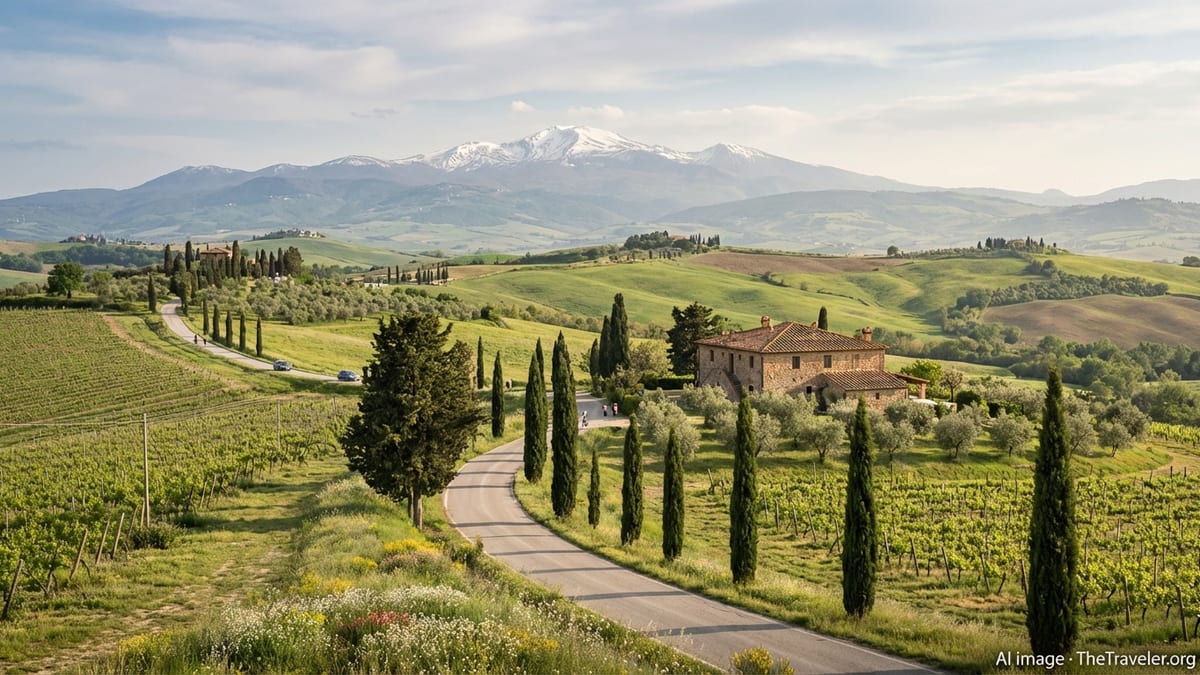
In northern Italy, spring gradually melts the Alpine snows and fills lakes and rivers. This is an appealing moment for visiting the Italian Lakes, with fresh greenery around Lake Como, Lake Garda and Lake Maggiore. In cities like Milan, Turin and Bologna, spring means comfortable walking temperatures and a busy calendar of cultural events. In central Italy, from Tuscany and Umbria to Lazio, hillsides turn bright green, wildflowers appear along rural roads, and vineyard regions feel particularly photogenic. Rome, Florence and Siena are lively but not yet overwhelming outside the Easter holiday week.
Further south, along the Amalfi Coast, in Puglia and in Sicily, late spring often feels close to summer. According to recent travel guides, coastal destinations begin to open fully around April, with beach clubs, island ferries and seasonal hotels operating regularly by May. Sea temperatures may still be cool in early spring, but by late May and June many visitors are comfortable swimming, especially around the southern coasts. At the same time, prices and crowds have usually not yet reached their peak, making this a smart window for travelers who want both atmosphere and relative breathing room.
Spring does come with a few caveats. Rain showers are still possible, particularly in April, and mountain areas can remain chilly, especially at night. Easter, which can fall in March or April, is one of Italy’s busiest holiday periods, bringing domestic and international visitors to Rome, Florence and many smaller towns that host processions and religious events. If your dates overlap with Easter week, advance booking is essential, but the payoff can be a deeper look at Italy’s traditions at a festive time of year.
Summer in Italy: June to August
Summer in Italy delivers long, bright days and a full menu of festivals, concerts and open air events. It is also the season of peak heat, peak crowds and peak prices, especially in July and August. For travelers who dream of busy beach clubs, packed piazzas and late night energy, this can be part of the allure. For those who prefer cooler weather and uncrowded museums, summer requires careful planning or a focus on specific regions that handle the heat better.
In the major cities of central and southern Italy, summer temperatures can climb high, occasionally spiking well above average during heat waves. Stone paved historic centers and limited shade make midday exploring tiring. Travelers who do choose a summer city break often adapt by starting sightseeing early, taking long breaks during the hottest hours, then returning to the streets in the evening when locals stroll and outdoor tables fill up. Museum visits, underground sites and churches become natural refuges from the afternoon sun.
On the coasts and islands, summer is the height of the season. From Liguria’s Cinque Terre and the Tuscan coast to the Amalfi Coast, Sardinia and Sicily, sea breezes break some of the heat and the water is at its warmest. Experts note that beach clubs and seaside villages are at full swing during these months, but also at their busiest, with heavier traffic, crowded ferries and high accommodation rates in headline destinations. In some southern beach hotspots, August in particular can feel almost like a month long festival, with Italian visitors joining international tourists on crowded shores.
Northern mountain regions, especially the Dolomites and Alpine valleys, offer a different kind of summer experience. Once the snow has melted, high altitude trails open, cable cars run regularly, and temperatures remain relatively cool compared with lowland cities. June through September is considered prime hiking season, with fields of alpine flowers early on and stable conditions later in the summer. For travelers who want fresh air, lake swims and dramatic scenery without scorching heat, the Italian Alps and Dolomites can be an excellent choice for a summer trip.
Autumn in Italy: September to November
Autumn, especially September and October, is another favorite time to visit Italy. As August holidays end, many Italians return to work and school, and the volume of high summer tourism gradually drops. Yet the sea is often still warm enough for swimming into early autumn, daytime temperatures remain pleasant in much of the country, and light takes on softer, more golden tones. Many travel writers describe early autumn as combining many of the benefits of summer and spring, with fewer of their extremes.
In northern and central wine regions such as Piedmont, Tuscany, Umbria and parts of Veneto, autumn is closely associated with harvest. Vineyards shift from summer green to gold and red, grapes are picked, and many villages hold food and wine festivals celebrating local produce. Towns like Alba in Piedmont are known for truffles and autumn fairs, while hill towns in Tuscany and Umbria host events around chestnuts, olives and new wine. For travelers interested in gastronomy, this can be one of the richest times to explore the countryside.
Coastal and island regions also benefit from a long tail to summer. Guidance from recent travel resources suggests that the Amalfi Coast, Sicily and Puglia remain attractive through much of September and often into early October, with calmer seas, warm water and thinned crowds. Many seasonal businesses stay open until around the end of October, although exact closing dates vary by town and year. The heat tends to ease, especially at night, making terrace dinners more comfortable and hikes along clifftop paths or coastal trails more enjoyable.
By late October and November, conditions turn more variable. The north can see cooler temperatures, fog and increased rainfall, especially in the Po Valley and in cities like Milan and Turin. Mountain areas begin preparing for winter, with early snow possible at higher elevations. In the center and south, November can feel quiet and introspective, with shorter days and fewer visitors beyond key cities. While this is not peak season for beaches, it can be a rewarding time for city breaks, museum visits and soaking up a slower pace of local life without the distractions of peak tourism.
Winter in Italy: December to March
Winter in Italy reveals a different character, with crisp air, quieter streets and a strong focus on local traditions. From roughly December to March, many coastal and rural areas see a marked drop in tourist traffic, while cities and mountain resorts each offer their own reasons to visit. For budget conscious travelers or those who prefer cool weather and crowd free monuments, winter can be appealing, provided you are prepared for shorter days and changeable conditions.
The holiday period from mid December through early January is the busiest part of winter. In cities like Rome, Florence, Milan, Naples and Bologna, Christmas lights, nativity scenes and seasonal markets transform main squares and shopping streets. Accommodations during this stretch can book up, and popular sites may grow busy again around Christmas and New Year’s, but the overall mood is festive. Beyond the holidays, January and February are much quieter in most cities, with shorter lines at major attractions and more space on public transport.
In northern Italy’s Alps and the Dolomites, winter is the main season. Ski resorts across regions such as Trentino Alto Adige, Lombardy and Veneto usually operate from around December into March, depending on snow conditions. Travelers can combine skiing or snowboarding with mountain villages, hearty local cuisine and spa hotels. These areas can be busy during school holidays and on weekends, but midweek stays outside peak periods often feel calmer.
By contrast, some coastal areas, especially smaller resort towns and islands, partially shut down during winter. Recent travel reports note that stretches of the Amalfi Coast and certain seaside communities in Sardinia and Sicily have reduced services between roughly November and March, with fewer open hotels, restaurants and ferries. Larger cities and working ports remain active year round, so a winter trip to places like Palermo, Catania or Naples can still be rewarding, but travelers hoping for a full beach resort experience are usually better off waiting for spring or early summer.
Best Time to Visit Key Regions and Cities
Because Italy’s climate varies so much by region, the best travel window depends heavily on where you plan to spend most of your time. Recent country wide travel guides generally highlight spring and early autumn as ideal for classic itineraries that link Rome, Florence and Venice, with April, May, September and October singled out for more comfortable temperatures and avoidable crowds compared with high summer.
In Rome and central Italy, the late spring and early autumn months align well with outdoor sightseeing and café culture. April and May often bring mild days and cool evenings, while September and early October offer similar comfort after the peak summer heat. Summer in Rome can be intensely hot and crowded, and although some visitors appreciate the slower rhythm of August when many locals leave the city, it can be demanding for all day walking. Winter, meanwhile, offers thinner crowds and lower prices, apart from the holiday period, but also a higher chance of rain.
Venice, with its narrow alleys and compact historic center, experiences crowding sharply in summer. Travel specialists frequently recommend April to June and September to October for more enjoyable visits, with daylight, relatively moderate temperatures and still active cultural life. Winter, aside from the colorful Carnival period which usually falls in February or early March, is typically quieter and can be atmospherically misty, though colder and sometimes damp.
Tuscany and its neighbors, including Umbria and parts of Le Marche, are best suited to travelers who choose shoulder seasons. In spring, hills are lush and wildflowers dot country roads, while in autumn the vineyards and forests turn rich shades of gold and red. Cities such as Florence and Siena benefit from these milder months, as do rural agriturismi and wine estates. High summer can bring strong heat across the region, and while winter can be appealing for museum focused trips to Florence or Pisa, many country properties reduce operations or close until spring.
Coastal Italy and Islands: When to Go
Italy’s long coastline and islands are among the country’s biggest draws, but they are also some of the most seasonal destinations. Along the Amalfi Coast, the Cinque Terre, Sardinia, Sicily and Puglia, many beach clubs, smaller hotels and some restaurants operate on a roughly April to October schedule. Travel writers and tour operators commonly highlight May, June and September as particularly attractive for coastal trips, with an additional good window in early October in warmer southern areas.
On the Amalfi Coast and in the Cinque Terre, May and June typically bring warm, sunny days suitable for boat rides and clifftop hikes, while the sea is becoming increasingly swimmable. September often offers similar or better conditions, with the added benefit of fewer visitors than August and slightly calmer seas. July and August are the height of the season, bringing impressive energy but also heavy road traffic, busy ferries, and premium prices on accommodation.
In southern regions such as Puglia, Calabria and Sicily, the beach season is longer. Recent coverage notes that the shores of Sicily and Puglia begin to fill from late May and often stay attractive for swimming into October, especially on sheltered south facing bays. Coastal towns in these regions can be quieter in the depths of winter, with some seasonal closures, but larger cities such as Palermo, Catania, Bari and Lecce remain lively year round and can be one of the more pleasant parts of Italy to visit in the cooler months.
Sardinia and the smaller islands, including the Aeolian and Egadi archipelagos, generally follow a similar pattern, with their main season from about June to September. Here again, late spring and early autumn can be appealing if you want beach time without the highest prices and densest crowds. Travelers should be aware that ferry schedules and some island services are reduced outside the main season, so it is wise to check transport options and opening dates if visiting in late autumn or winter.
Mountains, Lakes and Countryside Escapes
The timing of a trip to Italy’s mountains and lakes depends heavily on whether you are seeking snow or alpine meadows. In the Alps and Dolomites, winter from roughly December through March is dominated by skiing, snowboarding and other snow sports. Resorts invest heavily in lifts and infrastructure and attract both domestic and international visitors during this time. Outside the busiest holiday periods, midwinter weeks can still feel relaxed, with crisp air, blue skies and cozy mountain lodges.
Once the snow recedes, usually from late spring onward depending on altitude, these same regions become prime ground for hiking, cycling and climbing. Many experts recommend June and September in particular for summer mountain trips, as these months often combine stable weather with moderate temperatures and somewhat fewer visitors compared with peak August. July and August can still be excellent in the mountains, especially for families tied to school holidays, but popular valleys and viewpoints may feel busier.
Italy’s northern lakes, including Como, Garda and Maggiore, enjoy a long shoulder season stretching from late spring into autumn. Spring brings flowering gardens, while autumn often offers clear days and colorful foliage on surrounding hillsides. High summer can be busy, especially in well known lakeside towns, but breezes across the water temper the heat. Winter around the lakes is generally quieter and cooler, with a more local feel and some reduced ferry schedules, although major towns remain open.
Rural countryside destinations in Tuscany, Umbria, Piedmont and beyond, especially agriturismi and vineyard stays, are closely linked to the agricultural calendar. Spring and early summer provide green landscapes and long days for exploring, while autumn layers in the added interest of harvest activities and seasonal produce. Winter can be peaceful, with opportunities to focus on food, wine and village life, but it is essential to check opening dates for rural accommodations, as some close entirely or operate on limited schedules until warmer weather returns.
The Takeaway
Choosing the best time to visit Italy is less about one perfect month and more about aligning season, region and your own priorities. Spring and early summer, from April to June, and early autumn, from September into October, consistently emerge as rewarding periods across much of the country, particularly if you want to connect several regions in a single trip. These windows offer generally pleasant weather, open attractions and a balance between lively atmosphere and manageable crowds.
Within those broad patterns, nuances matter. Beach oriented travelers may focus on late May, June and September, skewing slightly later in the year for southern coasts and islands where sea temperatures stay warm. Culture focused visitors targeting Rome, Florence, Venice and other art cities often favor April, May, late September and October to avoid both summer heat and winter chill. Mountain enthusiasts choose between the deep snow of midwinter and the clear trails of late spring through early autumn, depending on their preferred activities.
Winter and late autumn, while outside the mainstream peak months, reward travelers seeking quieter streets, lower prices and a more local rhythm. Christmas and New Year bring a festive peak to the low season, especially in major cities and Alpine towns, while January and February can be ideal for museum heavy itineraries or ski trips. The trade off is a higher chance of rain, shorter days and reduced services in smaller coastal resorts.
Ultimately, the best time to visit Italy is the one that fits the Italy you most want to experience, whether that is a sun soaked Amalfi terrace in June, a misty Venetian canal in November, a Tuscan vineyard in October or an Alpine village under fresh snow in January. By understanding how seasons and regions interact, you can shape a trip that matches your expectations and lets Italy’s varied landscapes, cities and traditions shine at their natural best.
FAQ
Q1. What is generally the best month to visit Italy?
Many travelers find May or September ideal, thanks to mild weather, open attractions and lighter crowds than in peak summer, especially in major cities and along the coasts.
Q2. When is the best time to visit Rome?
Rome is most comfortable in April, May, late September and October, when temperatures are usually pleasant for walking and sites are busy but not at high summer levels.
Q3. Which months are best for the Amalfi Coast and other coastal areas?
For a mix of good weather and manageable crowds, late May, June and September are often recommended, with some southern beaches remaining pleasant into early October.
Q4. When should I visit Tuscany for countryside and wine?
Spring from April to early June offers green hills and flowers, while September and October bring grape harvests, golden vineyards and many local food and wine events.
Q5. What is the best time to visit Italy for beaches and warm sea temperatures?
Late June through early September typically provides the warmest sea temperatures, with southern coasts and islands like Sicily and Puglia often swimmable from late May into October.
Q6. When is the best time to avoid crowds in Italy?
To avoid crowds, consider traveling from November to March, excluding Christmas and New Year, or choose shoulder season weeks in April, May, late September or October outside local holiday periods.
Q7. What is the best time to visit Italy for skiing and snow activities?
The main ski season in the Alps and Dolomites usually runs from December to March, with conditions varying by altitude and yearly snowfall; January and February often offer reliable snow.
Q8. Is August a good time to visit Italy?
August offers long days and lively coastal resorts but also intense heat, large crowds and higher prices, while some city businesses close as locals head to the seaside for their holidays.
Q9. What is the best season for food and wine travel in Italy?
Autumn, especially September and October, is often considered prime for food and wine, with grape and olive harvests, truffle festivals and many regional food celebrations.
Q10. How far in advance should I book if I travel in popular months?
For trips in May, June, September and during major holidays, it is wise to book key flights, hotels and popular activities several months in advance to secure preferred options and prices.