

Japan is a country that changes character with every season, and choosing when to visit can shape your entire experience. From delicate cherry blossoms in spring to fiery maple leaves in autumn, from humid summer festivals to crisp winter snowscapes, timing matters almost as much as where you go. With forecasts for cherry blossoms and autumn foliage released each year and travel patterns still shifting, planning around Japan’s seasons in 2026 calls for both strategy and flexibility.
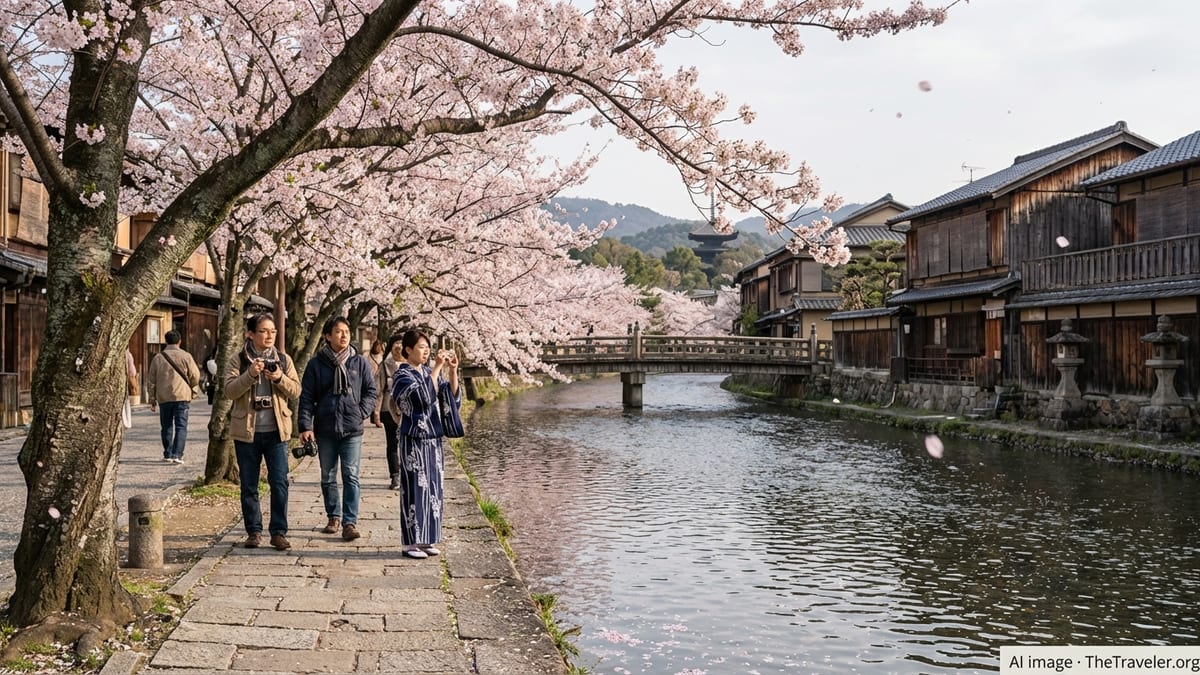
Understanding Japan’s Seasons and Regional Differences
Japan stretches from sub-tropical Okinawa in the south to snowy Hokkaido in the north, so “best time to visit” depends heavily on where you are heading. Broadly, spring runs from March to May, summer from June to August, autumn from September to November, and winter from December to February. Within those seasons, temperature, humidity and daylight vary dramatically between regions and altitudes.
In central Honshu, where Tokyo, Kyoto and Osaka sit, spring is generally mild and increasingly busy with tourists, autumn is cool and clear, summer is hot and humid, and winter is cold but usually manageable away from the mountains. Coastal regions may feel slightly warmer, while inland areas such as Nagano and the Japanese Alps tend to be cooler year-round. Hokkaido is colder and drier, with long winters and shorter, pleasantly mild summers, while Kyushu and Okinawa are generally warmer and more humid, particularly in summer.
These regional and seasonal differences are crucial if your trip is built around cherry blossoms or autumn foliage. Blossoms open first in the milder south and progress north and into the mountains over several weeks, while autumn color follows a similar but slightly earlier north-to-south and high-to-low pattern. This natural “wave” of color offers multiple chances to catch peak conditions if you plan your route thoughtfully across several regions.
Another key factor is Japan’s rainy and typhoon seasons. The main rainy season typically runs from early June to mid-July for much of Honshu and Kyushu, with Okinawa starting earlier. Typhoons are most common from August through early October, especially in southern and coastal regions. While both can be navigated with good planning, travelers who prioritize stable weather usually favor late March to early May and late October to early December.
Cherry Blossoms in 2026: Forecasts and Best Windows
For many visitors, the ultimate “best time” to visit Japan is when cherry blossoms, or sakura, are in bloom. Forecasts for 2026 indicate an overall slightly early or near-average season for much of the country, with central Honshu expected to see blossoms open in late March and reach full bloom around the turn of the month. In Tokyo, recent forecasts from Japanese weather services point to first bloom around March 20 to 21 and full bloom around March 28, with the best viewing typically from March 25 to early April as petals start to fall in some locations.
In Kyoto and Osaka, the 2026 outlook suggests a pattern only a few days behind or in line with Tokyo. Forecasts place first bloom in roughly the March 25 to early April window, with full bloom likely in the first days of April. Many travelers aiming for classic “golden route” cities such as Tokyo, Kyoto and Osaka are likely to find a good balance of open blossoms and reasonable crowd levels by targeting roughly March 28 to about April 7, allowing some flexibility for small shifts in the weather-driven schedule.
Farther north and at higher elevations, blossoms predictably arrive later, which is important if you are using the sakura front as a moving target. In the Tohoku region, including cities such as Sendai and Hirosaki, full bloom is generally expected in mid to late April, while Sapporo and parts of Hokkaido usually reach their peak in the final week of April or even early May. This staggered schedule means that a traveler who finds Tokyo and Kyoto past peak in early April can still chase later-blooming destinations to the north.
Because forecasts are updated frequently as winter ends, the most successful sakura trips in 2026 will be those built on flexibility. Rather than locking in rigid city-by-city plans months in advance, it is safer to allow room to shift by a few days or to adjust your route if an early warm spell accelerates the season or a cold snap slows it down. Think of cherry blossom travel as following a living, moving event rather than a fixed calendar date.
Where to Experience Cherry Blossoms Across Japan
Once the timing is clear, the next question is where to go. In Tokyo, large parks such as Ueno Park or Shinjuku Gyoen typically become focal points for hanami, or blossom-viewing gatherings, while riverside walks such as the Meguro River create atmospheric “tunnels” of pink petals. These urban spots can be extremely crowded during peak bloom, especially on weekends, but early mornings and weekday visits often feel more relaxed. Smaller gardens and neighborhood parks across the city can deliver equally memorable views with fewer people.
In the Kyoto and Osaka area, cherry blossoms frame some of Japan’s most famous historic landscapes. Kyoto’s Philosopher’s Path, Maruyama Park and the grounds of major temples such as Kiyomizu-dera turn into scenes of lantern-lit blossoms and reflection pools. Osaka Castle Park becomes a festive hub surrounded by moats and grassy picnic areas. Here, the charm lies in the contrast between fragile petals and centuries-old stonework or castle walls, making this region a prime choice for travelers who want cultural immersion with their seasonal scenery.
Beyond the main cities, there are countless regional spots that can transform a sakura trip into a broader exploration. Around Mount Fuji and the Fuji Five Lakes area, elevation delays the blossom slightly, so early to mid-April often brings views of cherry trees backed by a still-snowy volcanic cone. In northern Honshu, parks such as Hirosaki Park in Aomori prefecture are known for dense clusters of trees, moats filled with fallen petals, and atmospheric night illuminations. These later-blooming areas provide a second chance for visitors who misjudge the dates further south.
If your priority is avoiding intense crowds, consider focusing on smaller cities and less publicized gardens, or traveling just before or after absolute peak. Even being one train line away from the best-known spots can dramatically change the experience. Opting for early-morning walks, riverside paths in residential districts, and lesser-known local parks can offer quieter encounters with the blossoms without sacrificing beauty.
Autumn in Japan: Koyo Season and Ideal Travel Windows
If spring belongs to sakura, autumn in Japan is defined by koyo, the period when maple, ginkgo and other trees turn vivid shades of red, orange and gold. For many repeat visitors, this season rivals or even surpasses cherry blossom time, offering clear skies, comfortable temperatures and long, crisp evenings. Typical koyo timing varies by region and year, but patterns are relatively consistent: color generally begins in the high mountains of northern Japan in September, reaches many lowland areas from late October to late November, and lingers into early December in some cities.
In Hokkaido, particularly in highland areas such as Daisetsuzan, leaves can begin to change as early as September, with Sapporo often seeing its main urban peak in late October. Moving south into Tohoku and the northern parts of Honshu, mountain areas tend to peak in October, while cities such as Sendai more often turn in mid-November. This gives early autumn travelers a chance to experience color in the north or at higher altitudes before central Japan’s cities catch up.
Tokyo and much of central Honshu typically see their best autumn color from late November into early December, with parks and temple gardens shifting gradually from green to gold and red. Historical norms place Tokyo’s urban peak around late November, while Kyoto and Osaka often reach their most intense color in late November or early December. Forecasts for recent years have indicated that warmer-than-average autumn temperatures can push peak dates slightly later, so late November into the first half of December has become a reliable target for many travelers.
As with cherry blossoms, microclimates and elevation influence local timing. Mountain valleys, temple complexes built into hillsides, and river gorges may reach peak color earlier than nearby city centers. Travelers who build in time for day trips from major cities can often experience both early and later stages of the season within a single journey by seeking out higher or lower elevations accordingly.
Top Regions for Autumn Foliage and How They Feel
The experience of autumn in Japan differs noticeably from region to region. In Kyoto, narrow lanes, temple gardens and reflective ponds frame crimson maples and golden ginkgo trees in compositions that feel almost painterly. Famous sites can be very crowded during the peak weeks, especially on weekends and national holidays, but the combination of traditional architecture, stone pathways and mature trees delivers some of the country’s most iconic autumn scenes.
Tokyo’s autumn is more urban in feel yet surprisingly varied. Parks such as Shinjuku Gyoen, Rikugien and Hibiya Park offer carefully composed landscapes, while tree-lined streets, university campuses and even business districts contribute patchworks of color. The city’s ginkgo-lined avenues, in particular, create corridors of bright yellow leaves that photograph beautifully against glass towers and historic buildings alike. Because the season stretches into early December, autumn color can sometimes coincide with early winter illuminations, adding another layer to evenings in the city.
For travelers seeking grander natural landscapes, the mountains of central Honshu, including the Japanese Alps, offer canyons, ropeways and onsen towns surrounded by forests that ignite in October and November. Here, enjoying koyo often means pairing hikes or short walks with hot springs and traditional inns. Farther north, regions such as Tohoku and Hokkaido provide spacious national parks, volcanic plateaus and lakes ringed by color, usually with fewer foreign visitors than Kyoto or Tokyo at the height of the season.
In western Japan, cities like Hiroshima and Fukuoka, as well as the islands of the Seto Inland Sea, experience autumn somewhat later, often in late November. Mild daytime temperatures and relatively low humidity make this a comfortable period for cycling, island-hopping and extended outdoor sightseeing. The variety of settings across the country means that almost any traveler can find an autumn landscape that matches their preferred blend of culture, nature and crowd levels.
Other Seasons: Summer Festivals, Winter Snow and Shoulder Months
While spring and autumn receive most of the attention, the “best” time to visit Japan can just as easily fall in summer or winter depending on your interests. Summer, particularly July and August, is typically hot and humid in much of Honshu and Kyushu, but it is also peak season for matsuri, or local festivals, and for spectacular fireworks displays. Northern regions such as Hokkaido offer milder temperatures and expansive flower fields in summer, making them attractive for hikers, cyclists and those who dislike humidity.
Winter transforms large swaths of the country into a different kind of destination. Hokkaido, the Tohoku region and the Japanese Alps receive heavy snowfall, supporting world-renowned ski resorts and powder conditions that draw international visitors. Onsen towns become especially atmospheric, with hot outdoor baths framed by snow-covered roofs and trees. Even in cities like Tokyo and Kyoto, winter can be quiet and contemplative, with thinner crowds, clear skies and the possibility of framed views of snow on temple roofs after occasional flurries.
For many travelers, the most underrated times to visit are the shoulder seasons sitting on either side of the main peaks. Late February and early March can bring emerging plum blossoms and lower airfares before sakura season, while late May and early June, before the full onset of the rainy season, often provide warm but not oppressive weather and greener landscapes. Similarly, early October can feel pleasantly calm between the tail end of typhoon season and the start of serious koyo crowds, especially in cities.
That said, summer’s typhoons and the June rainy season do require some tolerance for weather disruptions if you visit at those times. Trains and flights may occasionally be delayed, and outdoor plans can be affected. Travelers who prioritize predictable weather and broad activity options often gravitate back to the classic windows of late March to early May and late October to early December for a first or second trip.
Balancing Weather, Crowds and Costs
Choosing the best time to visit Japan is ultimately a trade-off between weather, crowds and costs. Peak cherry blossom and autumn foliage periods are, unsurprisingly, also peak times for both international and domestic tourism. Accommodation in popular cities books out months in advance, particularly on weekends, and nightly rates tend to rise. Major public holidays such as Golden Week in late April and early May, the mid-August Obon period, and the New Year holidays around the turn of the year also bring heavy domestic travel and higher prices.
By contrast, visiting just before or after these peaks can yield a more relaxed experience. For cherry blossom season, that might mean targeting the first half of March in southern regions or early April in northern ones, accepting that you will likely see early or late blossoms rather than the absolute peak. For autumn, traveling in late October or early November in central Honshu, or focusing on higher elevations while lowland trees are still green, can offer savings and a sense of space.
Weather should also factor into your decision. If you dislike heat and humidity, late June through August in much of Japan may be challenging away from the mountains or the far north. Those sensitive to cold might prefer to avoid deep winter in northern regions, although major cities remain very manageable thanks to efficient heating and infrastructure. Keeping an eye on long-range seasonal forecasts in the months before your trip can help refine expectations, especially as climate variability introduces more year-to-year fluctuation in both cherry blossom and autumn foliage timing.
Finally, your travel style matters. Photographers and dedicated seasonal chasers may be willing to accept crowds, early starts and higher prices to be on location at peak. First-time visitors who want a broad, less pressured introduction to the country might instead favor the shoulder periods when queues are shorter and popular sights are easier to navigate, even if the blossoms or maple leaves are not at their absolute peak.
The Takeaway
There is no single “best” time to visit Japan that applies to every traveler. Instead, there are several excellent windows, each with its own character, benefits and trade-offs. In 2026, cherry blossom forecasts point to late March and early April as prime time in central Honshu, with the blossom front progressing north into April and early May, while autumn color is likely to follow the familiar pattern of October peaks in northern mountains and late November to early December highlights in Tokyo, Kyoto and other major cities.
For most visitors planning a first or second trip, late March to mid-April and mid-November to early December remain the strongest all-round choices, combining photogenic landscapes, generally comfortable weather and a wealth of seasonal foods and cultural events. Travelers willing to brave summer heat for festivals, chase winter snow to ski resorts, or explore quieter shoulder months will find that Japan’s attractions extend well beyond its most famous seasonal spectacles.
The key is to start with your own priorities, then match them to both season and region. Decide whether cherry blossoms, autumn foliage, festivals, snow or fewer crowds matter most to you, and use current forecasts and climate trends as a guide rather than a guarantee. With a flexible approach and realistic expectations, any season can become the “best time” for your particular Japan journey.
FAQ
Q1. When is the best time to visit Japan for cherry blossoms in 2026?
For central Honshu cities like Tokyo, Kyoto and Osaka, late March to the first week of April is expected to offer the most reliable cherry blossom conditions, though exact dates may shift slightly with weather.
Q2. How long do cherry blossoms stay in full bloom?
Once full bloom is reached, most cherry trees remain at or near their best for about three to seven days before petals begin to fall, with weather conditions such as wind and rain influencing how long the display lasts.
Q3. When is the best time to see autumn leaves in Japan?
In many popular areas of Honshu, including Tokyo and Kyoto, the most intense autumn color usually appears from late November into early December, while northern and highland regions tend to peak earlier in October and early November.
Q4. Is spring or autumn better for a first trip to Japan?
Both seasons are excellent, but spring offers cherry blossoms and slightly cooler temperatures, while autumn provides clearer skies, rich foliage and often more stable weather; for a first visit, either late March to early April or mid-November to early December works very well.
Q5. How far in advance should I book for cherry blossom or autumn trips?
For popular cities and weekends during peak seasons, it is wise to book accommodation three to six months ahead, especially around late March to early April and late November, while remaining flexible enough to adjust specific destinations as forecasts evolve.
Q6. Are summer and winter worth considering even if I am not interested in skiing or festivals?
Yes, summer brings lush landscapes and long days, particularly pleasant in Hokkaido and the mountains, while winter offers quieter cities, crisp air and atmospheric visits to hot springs and temples, even for travelers who do not ski or attend major festivals.
Q7. How does the rainy season affect travel in Japan?
The main rainy season, typically from early June to mid-July in much of Honshu and Kyushu, brings more frequent showers and higher humidity, but travel remains very possible with indoor backup plans, and some rural and garden landscapes look particularly lush in this period.
Q8. What about typhoon season and its impact on visitors?
Typhoons are most common from August through early October, especially in southern and coastal areas, and can temporarily disrupt flights and trains; travelers visiting then should allow buffer days and stay informed via local weather updates.
Q9. Is it cheaper to visit Japan outside cherry blossom and autumn foliage seasons?
Generally yes, with better availability and lower average hotel rates in many destinations outside late March to early April and late November, though major holidays such as Golden Week, Obon and New Year can still drive up prices even in off-peak months.
Q10. If my travel dates are fixed, how can I still experience seasonal highlights?
If you cannot change your dates, consider adjusting your route within Japan to follow the moving blossom or foliage fronts, use regional forecasts close to departure, and focus on destinations and altitudes where conditions are likely to be at their best during your specific window.