

Kos, one of the sunniest Greek islands in the Dodecanese, is generously blessed with long summers, mild winters, and a shoreline of sandy beaches. Yet the “best” time to visit is not the same for every traveler.
Some people want near-guaranteed beach weather and buzzing nightlife; others prize warm but not scorching temperatures, swimmable seas without packed loungers, or quiet village streets where you can still grab a sea-view table at sunset. Understanding how weather, sea temperatures, and crowd levels change through the year is the key to planning a trip that matches your style.
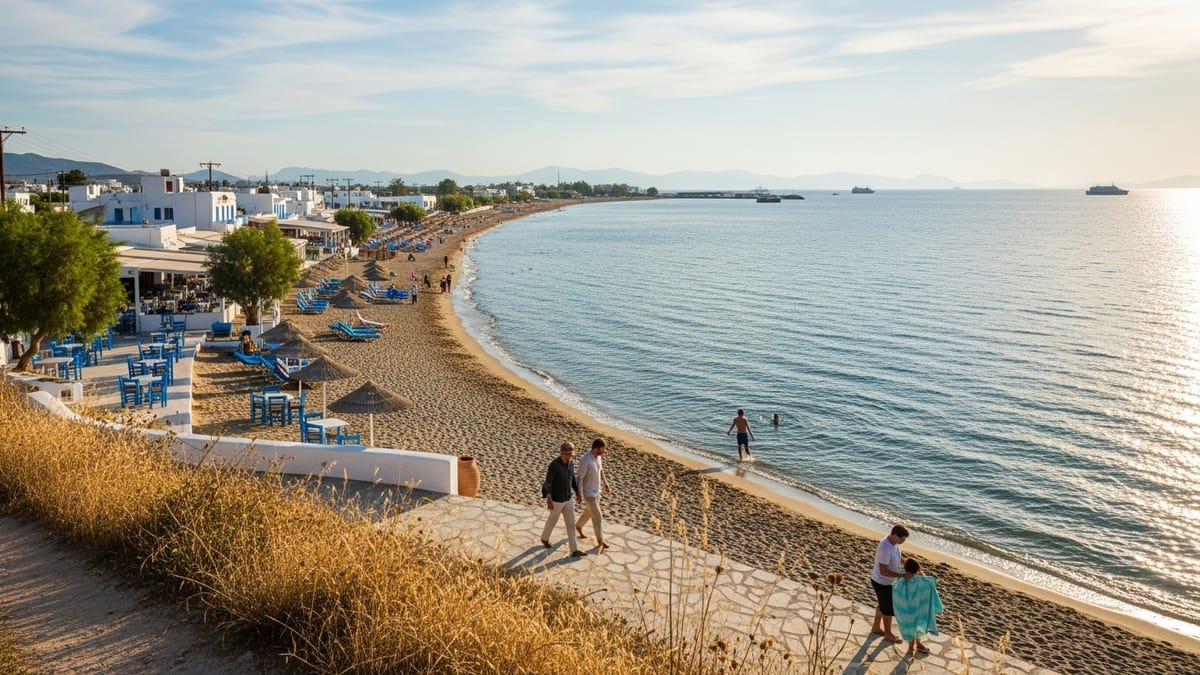
Understanding Kos’s Climate and Seasons
Kos has a classic Mediterranean climate with hot, dry summers and mild, wetter winters. According to long-term climate data, average daily maximum temperatures climb from about 21 to 27 degrees Celsius in April and May, peak around 35 degrees in July and August, then ease back to 26 degrees in October.
Winters are comparatively gentle, with daytime highs around 15 to 17 degrees between December and February. Rain is concentrated from late autumn through early spring, while summer is almost completely dry.
This seasonal rhythm shapes what you can realistically expect from your trip. From June through early September, sunshine is abundant and rain extremely rare, which suits classic beach holidays. In spring and autumn, you still get plenty of fine days and comfortable warmth, but with a higher chance of a shower and cooler evenings. Winter swaps sunbathing for stormier skies and green hillsides, when you come for peace, local life, and low prices rather than sea and sand.
The sea follows a slightly different timeline. After cooling through winter, water temperatures begin to feel bearable to many swimmers in late May and are at their warmest from July through September. By October the sea is still pleasant for most people, but by November and through winter it becomes bracing rather than inviting. If daily swimming is a priority, the core beach window runs roughly from late May to mid October, with peak comfort in midsummer and early autumn.
Just as importantly, tourism flows in waves. High season on Kos runs from roughly mid June through August. This is when international flights are most frequent, resorts are in full swing, and the island’s beach bars and clubs are at their liveliest. Shoulder seasons in late April, May, September, and early October combine good weather with calmer crowds, while the winter months see a much quieter, more local island where many tourist-oriented services close or keep shorter hours.
Spring on Kos: Wildflowers, Mild Days, and Quiet Beaches
Spring is one of the most rewarding times to visit Kos if your priorities are comfort, landscapes, and lower crowd levels. From March into May, the hillsides and fields glow with wildflowers, the air is fresh, and the island slowly wakes after winter. Daytime highs average from about 18 degrees in March to the mid 20s by late May, creating ideal conditions for walking, cycling, and sightseeing without the discomfort of intense heat.
In March and early April, the sea is still cool, so serious sunbathers and swimmers might find it slightly early. However, by late April and especially May, the combination of warmer air and lengthening days makes beach time increasingly attractive. You may still want a light layer when stepping out of the water, yet you will often find entire stretches of sand with only a handful of people. This is a prime window for those who want beaches without the bustle.
Spring is particularly good for exploring Kos’s ancient sites and mountain villages. Places such as the Asklepion, the Roman Odeon, or the winding streets of Kos Town are far more pleasant to wander when the sun is warm rather than fierce.
Trails around Mount Dikeos and the village of Zia show off lush green slopes and clear views across the Aegean. Because the season is just gearing up, you can expect lower accommodation prices and easier last-minute availability, although not every hotel or beach bar will be open in March and early April.
For many travelers, late April and May strike a sweet balance: you get consistently mild to warm days, a rapidly warming sea, a good selection of open tavernas and hotels, and yet nowhere near the crowds or prices of high summer. If you want to combine early-season beach days with active exploring, this is arguably one of the best times to visit Kos.
Summer: Peak Beach Weather and Peak Crowds
From June through August, Kos steps fully into summer and becomes one of the hottest and sunniest corners of the Aegean. Average daytime highs climb past 30 degrees, with July and August often reaching 33 to 35 degrees or more. Rain is almost nonexistent, skies are reliably blue, and the sea becomes bath-warm, especially from July to September. For dedicated beach lovers and families looking for classic Mediterranean holidays, these months offer near-perfect weather conditions.
The warm sea and long days bring the coastline to life. Popular beaches such as Tigaki, Marmari, Kardamena, and Kefalos fill with loungers, umbrellas, and water sports operators. Boat trips to nearby islets and to the volcanic island of Nisyros run daily, while sunset cruises, diving excursions, and catamaran days out are all in full swing. Nightlife peaks as beach clubs and bars in Kos Town and resort areas lay on late-night parties and events targeting international visitors.
The obvious trade-off is crowding and cost. July and August coincide with European school holidays, so visitor numbers swell, particularly in resort areas. Beachfront sunbeds are quickly claimed, queues at popular attractions and restaurants lengthen, and prices reach their seasonal high.
Flights and ferries are busiest and often need to be booked well in advance if you want a good selection of times and fares. For travelers who dislike packed beaches or noisy evenings, high summer can feel overwhelming, especially in central resort zones.
The heat itself can also be a factor. Although sea breezes and the seasonal Meltemi winds help provide some relief, midday sightseeing in exposed locations can be uncomfortable. Many travelers adopt a Mediterranean rhythm, planning walking tours or archaeological visits in the morning and evening, and retreating to the shade or sea in the middle of the day.
If your main priority is guaranteed beach weather and you do not mind sharing the shoreline with plenty of fellow visitors, summer is excellent. For those who value space and quieter surroundings, it is worth considering late June or early September as gentler alternatives.
Autumn: Warm Seas, Softer Light, and Fewer People
Early autumn, especially September and the first half of October, is often considered the ideal all-round time to visit Kos. The accumulated heat of summer keeps both air and sea warm; average daytime temperatures in September hover around the mid to upper 20s, easing into the low 20s in October. The sea remains pleasant for swimming well into autumn, and there is still plenty of sunshine, although light showers become a little more likely later in the season.
For many visitors, September offers a best-of-both-worlds experience. You enjoy almost summer-like beach conditions and warm evenings without the peak-season intensity. Families with younger children, couples, and independent travelers often favor this month precisely because crowd levels drop, yet most services are still running at full capacity. Beach bars and tavernas remain open, boat trips operate regularly, and the island’s nightlife is lively but more relaxed than in July and August.
October suits travelers who prioritize outdoor activities and cultural experiences over long days of sunbathing. With most days still mild and comfortable, hiking routes around Mount Dikeos, cycling along coastal paths, or wandering the streets of Kos Town and mountain villages become particularly enjoyable. Vineyards and olive groves approach harvest season, and you may encounter local festivals celebrating produce and wine, especially in late September and early October.
By late October, some seasonal businesses start closing or reducing their hours, and ferry and flight schedules thin out. However, for visitors who prefer a slower, more local atmosphere and are not fixated on high-summer buzz, this period can deliver excellent value. Accommodation rates usually dip compared with July and August, and you are more likely to find last-minute deals while still enjoying warm seas and generous sunshine.
Winter: Quiet Streets and Local Life
From November through March, Kos shifts firmly into its off-season. Temperatures slide into the mid to high teens by day, and winter brings the island’s highest rainfall. The sea cools significantly, making swimming appealing only to the hardiest. For conventional beach holidays, this is not the best time to visit, but for a small subset of travelers, winter on Kos holds a different kind of charm.
With far fewer visitors, Kos Town and the villages return to a more everyday rhythm. Many tourist hotels, beach bars, and excursion operators close for the season, yet the island’s permanent population keeps a core of cafes, bakeries, and local tavernas open, particularly in and around the main town. You can wander the harborfront, shop in local markets, or sit with a coffee in a quiet square without jostling through crowds.
Winter is a good time for those seeking low prices and a sense of local culture rather than classic holiday trappings. Accommodation that remains open is usually much cheaper than in summer. The countryside turns green, and on clear days the crisp light brings sharp views of neighboring islands and the Turkish coast. However, you should be prepared for changeable weather: cool, windy days, intermittent rain, and early sunsets that push most outdoor exploring into shorter windows.
Because transport schedules are reduced, planning is important if you visit in winter. Some ferry routes operate less frequently, and there are fewer direct flights from other European countries, so you may need to connect via Athens. If your main goals are swimming, sunbathing, and nightlife, the off-season will disappoint. If instead you seek solitude, offbeat photography, and a taste of everyday island life, winter can be a surprisingly rewarding, if niche, choice.
Month-by-Month: Tailoring Your Trip to Weather and Crowds
Choosing the best month to visit Kos becomes easier when you match specific conditions to your priorities. In April, the island shakes off winter with highs around the low 20s, fresh greenery, and relatively quiet streets. It is excellent for hikers, cyclists, and cultural travelers, although the sea is still cool.
May brings a noticeable step up in warmth and a significant drop in rainfall, turning beaches into pleasant, if not yet tropical, hangouts and making it one of the best months overall for balanced weather and manageable crowds.
June is a strong choice if you want clearly summer-like conditions with slightly fewer people than in peak months. Temperatures climb into the high 20s and low 30s, the sea becomes comfortably warm, and nearly all seasonal businesses are open. July and August deliver the hottest temperatures and the fullest social calendar, with long, bright days perfectly suited to life by the water. They are ideal for travelers who thrive on energy and activity, but less so for those seeking quiet.
September often earns top marks for many visitors. The sea is at its most inviting, air temperatures ease just enough to be comfortable around the clock, and visitor numbers taper without dropping off completely. The island feels lively but breathable. October is slightly cooler but still pleasant, particularly in the first half of the month, with the added charms of harvest season and gentler tourism.
From November through March, each month shades deeper into low season, with cooler temperatures, more rain, and a quieter island presence. These months suit repeat visitors who want to see Kos from a different angle or travelers who are less concerned with beach weather than with slow-paced exploration and conversations with locals.
For most first-time visitors, however, the prime window stretches from late April through October, with May, June, September, and early October providing the best compromises between sunshine, swimmable seas, and fewer crowds.
Best Time by Traveler Type: Matching Seasons to Your Style
Different travelers look for different things in Kos. For beach-focused couples and families who want reliable sun and warm water but prefer to avoid the densest crowds, May, June, and September are standout choices. In these months you can still spend long days on the sand, swim comfortably, and enjoy water sports, yet loungers are easier to find and restaurant reservations less of a scramble than in midsummer.
For active travelers and culture enthusiasts, spring and autumn typically work best. If you prefer to lace up your hiking boots or rent a bicycle rather than lie on a sunbed all day, April, May, late September, and October bring cooler, more comfortable temperatures for sustained outdoor activity. Archaeological sites, castles, and mountain villages are far more pleasant to explore in these shoulder months than under July’s fierce midday sun.
Nightlife seekers and groups of friends who want to be in the heart of the action may actually prefer the height of summer. July and August are when Kos’s clubs, beach bars, and event calendars are at full tilt. Resort towns such as Kardamena and Kos Town’s waterfront buzz late into the night, and there is a constant roster of parties, live music, and special events. In exchange for this energy, you will share beaches, streets, and bars with more people and pay higher prices.
Budget-conscious travelers can keep costs down by targeting the very start or end of the main season. Late April, early May, and the second half of October often see substantial discounts on accommodation and flights compared with July and August, while still offering decent weather and some beach time. If you are flexible with dates and less attached to swimming every day, these fringes of the season can stretch your budget considerably without sacrificing the essence of island life.
The Takeaway
There is no single perfect time to visit Kos, but there is almost certainly a perfect time for you. If you dream of long, hot beach days, buzzing seaside bars, and bath-warm seas, then June through early September will deliver exactly what you are looking for, with July and August at their most intense.
If you favor warm rather than scorching weather, enjoy walking as much as swimming, and would rather stroll into a seafront taverna without a reservation, late April to June and September to early October offer superb balance.
In practical terms, many seasoned visitors consider May, June, and September the sweet spot months for combining good weather, pleasant sea temperatures, and relatively moderate crowds.
These are the times when Kos feels vibrant but not overwhelmed, and when both the island’s beaches and its inland landscapes are at their most welcoming. Winter has its own quiet appeal for those who prioritize low prices and local life over sunshine and sea, but for most travelers, the extended warm season defines the best of Kos.
When planning your trip, think first about your priorities: beach time, nightlife, outdoor adventures, or quiet exploration. Then match those to the seasonal patterns of weather, sea, and crowds. Kos rewards those who time their visit thoughtfully, offering very different but equally compelling faces from spring’s wildflowers and soft light to summer’s high-energy shores and autumn’s mellow, golden afternoons.
FAQ
Q1: What is the absolute best month to visit Kos for weather and fewer crowds?
Many travelers find May or September ideal, with warm but not extreme temperatures, pleasant sea conditions for swimming, and noticeably fewer crowds and lower prices than in July and August.
Q2: When is the sea warmest for swimming in Kos?
The sea around Kos is generally warmest from July through September, with comfortable swimming conditions typically extending from late May until mid or even late October, depending on your tolerance for cooler water.
Q3: Is June still quiet enough, or is it already very crowded?
June marks the start of the main summer season, but it is usually less crowded than July and August. You can expect lively beaches and open facilities, yet with a bit more space and slightly easier availability than at peak holiday times.
Q4: Is April too early for a beach holiday on Kos?
April brings mild, often sunny days that are great for walking and sightseeing, but the sea is still cool for many swimmers. You can enjoy some time on the sand, though this month is better suited to active travelers and cultural visits than to a purely beach-focused stay.
Q5: Are July and August too hot for sightseeing?
July and August can be very hot, especially around midday, which can make sightseeing in exposed areas tiring. Many visitors adapt by exploring in the early morning and late afternoon, spending the hottest hours by the sea or in the shade.
Q6: When do most hotels and seasonal restaurants open and close?
Most seasonal hotels, beach bars, and restaurants open gradually from late April into May and stay open through September. Some begin closing in October, with a reduced selection operating through late autumn and winter, mainly in and around Kos Town.
Q7: Is winter a good time to visit Kos?
Winter is not ideal for beach holidays, as it is cooler and wetter, and the sea is cold. However, it can appeal to travelers seeking low prices, quiet streets, and a glimpse of local life without the usual tourist crowds, provided they accept changeable weather and fewer services.
Q8: What is the best time to visit Kos for hiking and cycling?
Spring and autumn are best for outdoor activities, particularly April, May, late September, and October, when temperatures are mild enough for sustained exertion and the hillsides are green or tinged with autumn color.
Q9: How far in advance should I book if I plan to travel in August?
For August, especially if you want specific hotels or flight times, it is wise to book several months in advance. This helps secure better prices and ensures availability during the island’s busiest period.
Q10: If I want both nightlife and some quiet beach time, when should I visit?
Late June and early September often offer a strong mix of both: nightlife is still lively in main resort areas, yet beaches and towns are less crowded than in peak July and August, giving you more flexibility to alternate busy evenings with more peaceful days by the sea.