

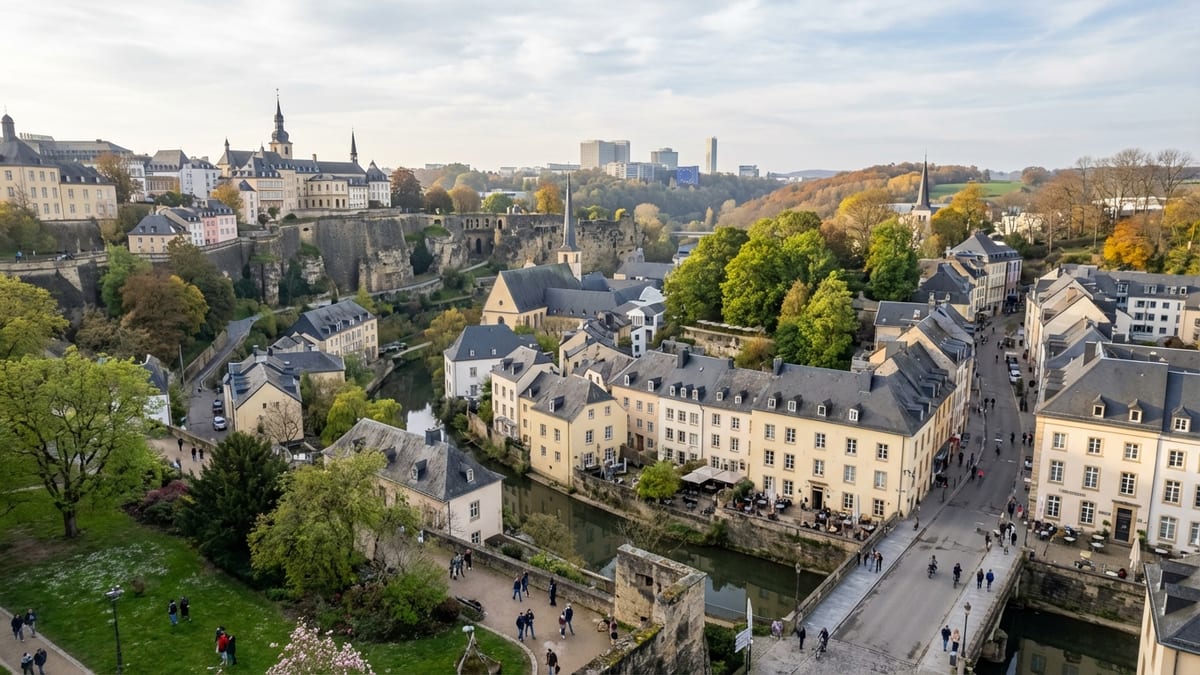
Luxembourg may be one of Europe’s smallest countries, but choosing when to visit is a surprisingly big decision. Seasons bring dramatic shifts in weather, atmosphere, and visitor numbers, and the calendar is studded with events ranging from world-class film and cycling festivals to intimate village Christmas markets. Understanding how temperature, rainfall, daylight, and crowds interact across the year will help you pick the right moment, whether you are here for castle-hopping and hiking, café culture and museums, or twinkling winter lights.
Understanding Luxembourg’s Seasons
Luxembourg has a temperate oceanic climate with four distinct seasons, moderated by Atlantic influences and shaped by its rolling hills and river valleys. Winters are cool rather than brutally cold, summers are mild, and shoulder seasons can swing between balmy sunshine and grey, wet days. Packing layers is wise at any time of year.
Winter, from December to February, typically brings average daytime highs of around 3 to 6 degrees Celsius and nighttime lows hovering near freezing. Snowfall is possible, especially in the higher Oesling region in the north, but prolonged snow cover is not guaranteed. Rain and overcast skies are common, yet the country glows under elaborate festive lighting and convivial Christmas markets. Seasonal factors influence whether Luxembourg is worth visiting for your travel goals. Timing can also change how Luxembourg vs Brussels compares.
Spring runs from March to May and is highly changeable. Early spring can still feel wintry, with March often cool and damp, but by late April and May temperatures frequently climb into the mid-teens Celsius, with fresh greenery, blossom, and longer days. Showers remain part of the picture, but you also enjoy increasing sunshine and more comfortable conditions for outdoor exploration.
Summer, from June to August, is generally warm without being oppressive. Typical daytime highs sit between 20 and 25 degrees Celsius, though occasional heatwaves can push temperatures higher for short spells. This is the prime time for outdoor dining, hiking, cycling, river activities, and open-air events, but it is also when visitor numbers are highest and accommodation rates peak.
Autumn stretches from September to November and is one of the most atmospheric periods, particularly in October, when forests in the Mullerthal region and Ardennes blaze with color. September often retains some summer warmth, while November can be markedly cooler and wetter, with misty mornings and earlier nightfall. It is a fine season for travelers who favor quieter streets and softer light.
Month-by-Month: Weather, Daylight, and Crowd Patterns
January and February are the coldest, darkest months. Daytime highs usually remain in the low single digits Celsius, with short days and a fair chance of rain, sleet, or occasional snow. Tourism is at a low ebb once the New Year festivities end, which means minimal crowds and lower prices, but also some reduced opening hours outside Luxembourg City. This is a contemplative time to explore museums, grand-ducal palaces, and castles without crowds, and to take advantage of the country’s free public transport to roam between towns.
March sees a gradual shift toward spring, but conditions can still be brisk and changeable. You may experience frosty mornings followed by mild afternoons, or stretches of drizzle. Longer daylight hours make sightseeing more pleasant, and by late March trees and parks begin to show early blossom. Crowds remain light, with the exception of specific event weekends.
April and May usually bring a more decisive improvement in weather. Average highs commonly move into the low to mid-teens Celsius in April and into the high teens by May. Rainfall is spread across the year, so short showers are likely, but you also get many clear or partly sunny days. This is one of the best times to hike the Mullerthal trails, wander the valleys around Vianden and Clervaux, and enjoy Luxembourg City’s café terraces without peak-season congestion. Visitor numbers are moderate: livelier around public holidays and long weekends, quieter midweek.
June, July, and August mark the warmest and busiest period. Highs are comfortably warm for outdoor pursuits, often in the low twenties Celsius, with long daylight hours that can stretch sightseeing into the evening. Summer thunderstorms do occur, especially after hot spells, but they are usually short-lived. This is when Luxembourg’s festivals, open-air concerts, and village fetes are in full swing, and when families from neighboring countries join international visitors. Expect higher accommodation prices and busier restaurants, particularly in Luxembourg City and major castle towns.
September often offers a sweet spot between summer vibrancy and autumn calm. Temperatures remain pleasant, frequently in the high teens, and outdoor dining is still common. As schools resume in many countries, family tourism recedes and overall visitor density drops slightly, particularly after the first half of the month. October brings cooler temperatures but glorious fall foliage; November tends to be cooler, wetter, and quieter, prefacing the resurgence of visitors for the Christmas markets at the end of the month.
High Season: Summer Festivals, Sunshine, and Peak Crowds
For many travelers, the best time to visit Luxembourg is between late May and early September, when outdoor life thrives. Luxembourg City’s squares and pedestrian streets fill with terraces, the countryside is lush and inviting, and daylight stretches late into the evening, ideal for those trying to fit castles, museums, and long dinners into a single day.
June and July are particularly attractive for hikers and cyclists. Trails in the Mullerthal region, often called Luxembourg’s Little Switzerland, are in prime condition, river valleys are green and lively, and conditions are usually dry enough for long excursions with only occasional showers. The country’s fully free nationwide public transport makes it especially easy to combine city stays with quick day trips into nature.
Summer is also the main stage for cultural and community events. Towns and villages organize open-air concerts, local fairs, and food festivals, while Luxembourg City hosts its own program of street entertainment and cultural happenings. Outdoor cinema screenings, wine events in the Moselle valley, and al fresco concerts in historic squares all add to a convivial atmosphere.
The trade-off is that this is the most crowded and expensive period. Popular attractions such as Vianden Castle, the medieval streets of Echternach, and the casemates in Luxembourg City see their highest footfall. Hotels in the city center and key tourist hubs book out early on summer weekends, and queues at headline sites are more common. Travelers who prefer a quieter experience should aim for weekdays, early mornings, or late afternoons, or consider visiting in late spring or early autumn instead.
Shoulder Seasons: Spring Blossoms and Autumn Colors
Spring and autumn are arguably the most rewarding periods for travelers seeking a balance between decent weather, rich experiences, and manageable crowds. From late April through early June, and from mid-September through late October, you can expect comfortable temperatures, vibrant landscapes, and more space at key sights.
In spring, city parks and riverbanks burst into bloom, terraces reopen, and hiking paths dry out after winter. Luxembourg City’s blend of historic fortifications and sculpted green spaces is especially appealing under fresh spring foliage. By May, the countryside is at its most tender green, with rapeseed fields and orchards adding bright color to rural scenes.
Autumn showcases Luxembourg’s rugged landscapes in deep reds, golds, and browns. The wooded slopes around Vianden, Clervaux, and the Upper Sûre Lake become particularly scenic, and temperature ranges are often ideal for long walks: cool enough to be comfortable, but not yet wintery. Vineyards along the Moselle turn yellow and amber, and regional wine producers organize tastings and harvest-related events.
These shoulder seasons also see fewer large tour groups than summer. You will still find lively restaurants and active cultural venues in Luxembourg City, but you are more likely to secure last-minute tables and quieter museum visits. Accommodation prices tend to ease off compared with peak summer, though they can spike for major events or public holidays.
Winter Magic: Christmas Markets, Castles, and Quiet Streets
Winter in Luxembourg is steadily attracting more visitors, thanks largely to its atmospheric Christmas markets and well-curated festive programming. From late November into early January, Luxembourg City is transformed by the Winterlights festival, with a network of markets, illuminations, and family-friendly activities spread across squares such as Place d’Armes, Place de la Constitution, and Place de Paris. Stalls sell mulled wine, traditional snacks, handicrafts, and gifts, while fairground rides and live performances add to the convivial mood.
The Winterlights season typically runs from late November to early January, with markets and decorations staying in place through the New Year period. Alongside the main Luxembourg City markets, smaller towns host their own events, ranging from compact village fairs to more substantial regional markets in places such as Esch-sur-Alzette and Mamer. Together they create a dense calendar of winter experiences, especially between late November and Christmas.
Outside the festive peak, winter is a calm and contemplative time to visit. Luxembourg’s castles take on a more dramatic, fairytale quality when surrounded by bare trees, mist, or snow-dusted hills. Vianden and Clervaux are particularly atmospheric on quiet winter days, and the country’s free bus and train network makes it feasible to string together a castle-themed itinerary without a car. Indoor attractions, such as the UNESCO-listed photography collection at Clervaux Castle or modern art museums in the capital, are perfect refuges on colder days.
The trade-off is that days are short, temperatures are low, and some rural attractions or smaller businesses may reduce opening hours or close briefly after the Christmas season. If your priority is hiking scenic trails or lingering for hours at café terraces, other seasons will suit you better. But for travelers who enjoy soft winter light, lower prices, and a slower rhythm, this is a rewarding and often underrated time to explore the country.
Key Events and Festivals by Season
Luxembourg’s annual calendar features a series of recurring events that can shape your experience, either by enhancing it or by creating crowd and price spikes. If you plan around them, they become highlights rather than surprises.
In late winter and early spring, Luxembourg City hosts its official film festival, which typically takes place in early to mid-March. The event brings a program of international premieres, retrospectives, and special screenings to cinemas and cultural venues across the capital, attracting film professionals and enthusiasts. For visitors, it is an excellent chance to see the city at a cultural high point while tourism remains relatively light.
Spring and summer weekends across the country see a patchwork of local fairs, music events, and gastronomic celebrations. In wine-growing regions such as the Moselle valley, tastings and open-cellar days often accompany the growing season and the harvest. Luxembourg City’s national day celebrations in late June are another annual high point, featuring official ceremonies, fireworks, and street festivities that fill the capital with both residents and visitors.
Sporting fans may be interested in the Škoda Tour de Luxembourg, a multi-stage professional cycling race generally held in September. The route varies from year to year but usually threads through the capital and surrounding countryside, creating lively roadside scenes and occasional road closures. For cyclists and spectators, this is a prime opportunity to see elite racing against a scenic backdrop, while casual visitors should be aware of possible transport and traffic disruptions on race days.
From late November through early January, the Winterlights festival and a constellation of Christmas markets dominate the cultural landscape. In addition to the flagship markets in the capital, various towns host their own Advent markets, often with regional specialties and local artisans. December weekends can be particularly busy as both residents and international visitors converge on these events, while weekday evenings are typically more relaxed.
Balancing Weather, Budget, and Crowds
Choosing the best time to visit Luxembourg involves weighing climate preferences, budget constraints, and tolerance for crowds. If clear skies and long days are non-negotiable, late spring and summer will be your obvious choices, with the understanding that you will share the country with more fellow travelers and pay higher prices for central accommodation.
For many travelers, late April to June and September to mid-October represent the best overall compromise. During these windows, temperatures are generally pleasant for city strolling and outdoor activities, and most attractions operate with full or near-full opening hours. You enjoy longer days than in winter, but without the peak-season congestion of July and August. Prices for hotels and flights are often more favorable, though they vary with global demand and local event calendars.
If budget savings and quiet streets are higher priorities than ideal weather, winter outside the Christmas period can be compelling. From mid-January to early March, you are likely to find lower room rates, especially midweek, and more last-minute availability. Luxembourg City maintains a rich cultural life year-round through its theaters, galleries, and museums, and the country’s smaller scale means you can still enjoy day trips without long journeys, even in shorter daylight.
Travelers particularly sensitive to rain should note that precipitation in Luxembourg is reasonably well distributed throughout the year, with slightly wetter months often falling in late autumn and winter. There is no season that is entirely dry, so the key is being prepared with waterproof layers and flexible indoor-outdoor plans rather than trying to avoid rain altogether.
The Takeaway
There is no single “perfect” time to visit Luxembourg, only the time that best fits your priorities. Summer offers warm temperatures, long days, lively festivals, and the fullest slate of outdoor activities, but also the most crowds and highest prices. Spring and autumn reward visitors with blossoms or foliage, more moderate visitor numbers, and generally comfortable conditions for hiking, castle visits, and city strolling.
Winter, meanwhile, splits into two distinct experiences. The festive period from late November to early January is bright, busy, and atmospheric, ideal for lovers of Christmas markets and illuminated cityscapes. The deeper winter months that follow are quiet and introspective, well suited to slow cultural travel, museum visits, and atmospheric castle excursions, especially for those who appreciate moody light and low-key streets.
Whichever season you choose, Luxembourg’s compact size, efficient and free public transport, and blend of historic charm with contemporary culture make it easy to craft a rewarding itinerary. By aligning your travel dates with the kind of light, temperature, and energy you prefer, you can turn this small country into a big travel success.
FAQ
Q1: What is the overall best month to visit Luxembourg?
Many travelers find May or September to be ideal, offering mild temperatures, relatively low rainfall, and fewer crowds than peak summer, while still providing long enough days for sightseeing and outdoor activities.
Q2: When is Luxembourg the most crowded?
Luxembourg is busiest from late June through August, especially in Luxembourg City and major tourist towns like Vianden. Weekends during the Christmas market season, from late November through December, also draw substantial crowds.
Q3: Does it snow much in Luxembourg?
Snowfall is possible between December and February, particularly in the higher northern regions, but prolonged snow cover is not guaranteed. Many winters feature short snowy spells interspersed with rain and overcast days rather than continuous snow.
Q4: Is winter a good time to visit Luxembourg City?
Yes, especially from late November to early January, when the Winterlights festival and Christmas markets transform the city with decorations, stalls, and events. After early January, the city is quieter but still rewarding for museum visits, dining, and short day trips.
Q5: Are attractions and restaurants open year-round?
Most attractions and restaurants in Luxembourg City operate year-round, though some museums and smaller venues may adjust opening hours in winter. In rural areas, certain seasonal attractions or outdoor facilities may close or reduce hours in the coldest months.
Q6: What is the rainiest time of year in Luxembourg?
Rainfall is spread fairly evenly throughout the year, with a modest tendency toward wetter conditions in late autumn and winter. You should be prepared for showers in any season, but prolonged heavy rain is not the norm.
Q7: When is the best time for hiking in Luxembourg?
Late April to June and September to mid-October are generally the best for hiking. Trails are usually in good condition, temperatures are comfortable, and daylight is ample without the heat and crowds that can accompany peak summer.
Q8: How far in advance should I book for summer or Christmas visits?
For peak summer stays in Luxembourg City or popular castle towns, booking two to three months in advance is sensible, especially for weekends. For the Christmas market period, early booking is also recommended, as December weekends can fill quickly.
Q9: Is Luxembourg expensive compared with neighboring countries?
Luxembourg can be relatively expensive for accommodation and dining compared with some neighboring regions, though prices vary widely by season and location. The country’s nationwide free public transport helps offset some costs by reducing the need for car rental or intercity rail tickets.
Q10: Which season is best for visiting Luxembourg’s castles?
Castles in Luxembourg are worth visiting year-round, but experiences differ by season. Spring and summer provide lush landscapes and long days, autumn offers spectacular foliage and softer light, and winter delivers atmospheric, often crowd-free visits, especially on misty or lightly snowy days.