

Choosing the best time to visit Mexico is less about finding a single perfect month and more about matching the country’s shifting seasons to your own travel style. From dry winter sunshine on the Caribbean coast to lush summer jungles and quiet colonial cities, Mexico’s high, low and shoulder seasons all offer something different. Understanding how weather, crowds and prices change through the year can help you decide when to go, where to focus and what kind of trip you will have.
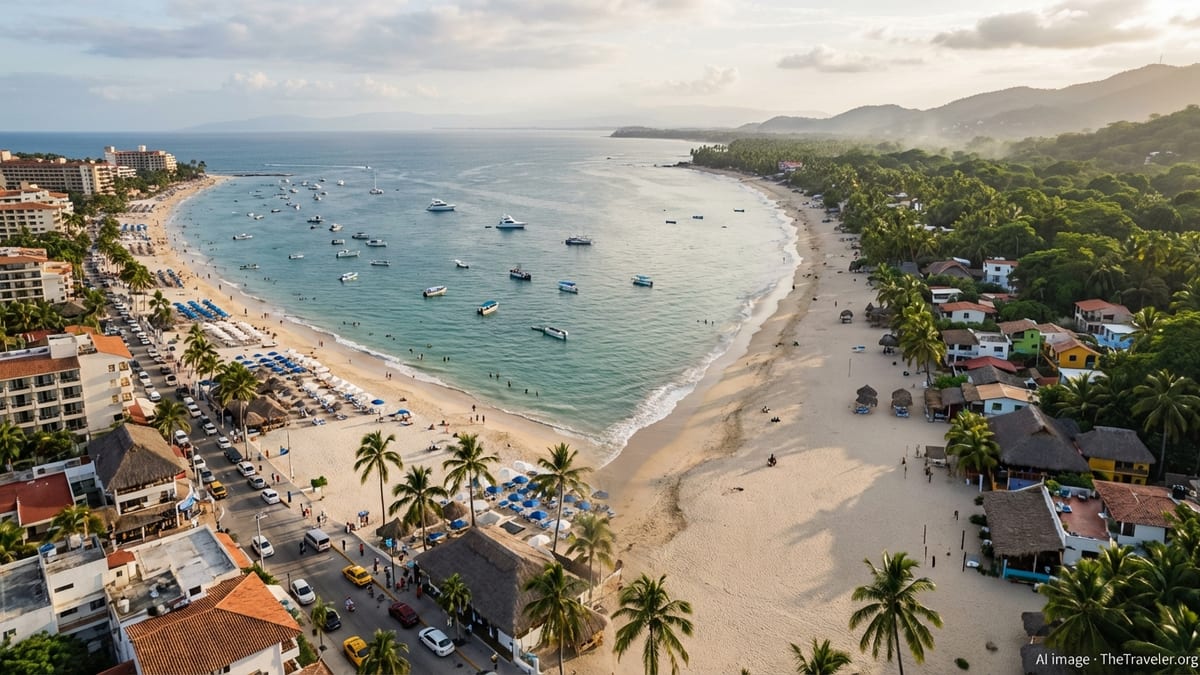
Understanding Mexico’s Seasons: More Than Just Summer and Winter
Mexico spans a vast range of latitudes and elevations, so it does not follow a simple four-season pattern. Instead, most travelers experience the country in terms of a dry season, a hot and rainy season, and, along the coasts, a defined hurricane season. Broadly, the dry season runs from about November to April across much of the country, bringing lower rainfall, clearer skies and milder humidity in many popular destinations. The rainy season typically arrives between May and June and lasts through October, especially noticeable in the south and along the Caribbean and Pacific coasts.
Altitude and geography add another layer. Highland cities such as Mexico City, San Miguel de Allende and Oaxaca have relatively mild temperatures all year because of their elevation, yet still see a discernible rainy season with frequent afternoon showers in summer. Coastal areas like Cancun, Tulum and Puerto Vallarta, by contrast, feel hotter and more humid, and weather shifts are more pronounced. On the Baja California peninsula, conditions lean drier and sunnier overall, with fewer heavy downpours even in the so-called wet season.
For planning purposes, it helps to think in terms of three overlapping categories. The dry season, roughly November to April, tends to be the most popular for international visitors, particularly to the beaches. The hot and rainy season, about May to October, brings more humidity, greener landscapes and generally lower prices. Layered on top is hurricane season in the Atlantic and eastern Pacific basins, officially June to November, which especially affects the Caribbean coast and some Pacific areas in late summer and early autumn. Most trips proceed without major disruption, but flexible planning is advisable during this period.
Because of these distinct patterns, there is no single “best month” for Mexico. Instead, each season changes what you can comfortably do and how crowded it will feel. Dry months might be ideal for all-day sightseeing at ruins or city walking tours, while rainy months can better suit cenote swimming, jungle excursions and long, leisurely meals under covered terraces watching dramatic storms roll through.
High Season in Mexico: When the Country Is at Its Busiest
High season in Mexico is closely tied to the dry months of November through April, with clear peaks around major holidays. Late December through early January and the Easter period typically bring the highest demand to resorts, beach towns and many cultural destinations. During these windows, flights and hotels often reach their top price brackets, and advance booking is essential for popular spots on the Caribbean and Pacific coasts.
Weather is a major driver of high season demand. On the Caribbean coast, including Cancun, Playa del Carmen and Tulum, the period from roughly December to April usually offers warm temperatures, plenty of sunshine and less humidity than at other times of the year. Pacific hubs such as Puerto Vallarta and much of Baja California Sur, including Cabo San Lucas, also see stable, dry conditions in these months, which makes them especially appealing for beach-goers and whale watchers in midwinter. Inland, destinations like Mexico City and Oaxaca tend to have comfortable daytime temperatures and clearer skies outside the heaviest summer rains.
With these advantages come trade-offs. Expect more crowded beaches, busier archaeological sites and greater competition for tables at sought-after restaurants. Urban areas can feel particularly lively around Christmas, New Year and Holy Week, with festivals, concerts and religious processions adding color but also drawing significant domestic crowds. In coastal resorts, nightlife and events often peak in March and April, popular with international visitors who value a party atmosphere.
Travelers who prioritize reliable sunshine, vibrant atmosphere and full menus of tours and excursions usually appreciate high season despite the higher costs. Those planning longer stays, last-minute trips or visits on a strict budget, however, may find this period less forgiving. In those cases, shifting dates slightly earlier or later, into the so-called shoulder season, can preserve many of the benefits of high season while tempering some of its downsides.
Low Season: Quieter Days, Lower Prices and Tropical Trade-Offs
Low season in Mexico broadly coincides with the hottest and wettest months, generally July through October in many destinations, though exact timing varies by region. These months bring more frequent rain, especially in the afternoons and evenings, and a significant boost in humidity along both the Caribbean and Pacific coasts. On the Caribbean side, this period overlaps with the core of the Atlantic hurricane season, particularly late summer and early autumn, when tropical storms and rougher seas become more likely.
For budget-minded travelers and those seeking quieter experiences, low season can be appealing. Hotels and guesthouses, especially in coastal areas, often discount their rates compared with peak winter months. Airfares for routes into Cancun, Mexico City and other major gateways can also drop outside school holidays. At key cultural and natural attractions, visitor numbers tend to thin out, promising shorter queues, more space to explore and easier photo opportunities without large crowds.
Weather realities, however, shape what low season feels like on the ground. On the Caribbean coast, including places such as Tulum and Playa del Carmen, summer daytime highs commonly reach the upper 80s to low 90s Fahrenheit, with heavy but usually short-lived showers and sticky humidity. September and October are often the wettest and stormiest months, with higher risk of tropical systems. On the Yucatan Peninsula’s inland sites such as Chichen Itza, temperatures can climb even higher, and walking exposed stone plazas in the middle of the day may feel intense.
On the Pacific side, locations like Puerto Vallarta see a pronounced wet season with lush hillsides and dramatic sunsets framed by storm clouds, while Baja California Sur often remains relatively dry but can become very hot. In highland cities, summer rains typically arrive in predictable afternoon bursts, leaving mornings clear and surprisingly comfortable for sightseeing. Travelers who can structure their days around early starts, midday breaks and covered evening activities may find low season not only manageable but rewarding, especially if they enjoy verdant landscapes and slower-paced tourism.
Shoulder Season: Finding the Sweet Spot Between Crowds and Climate
Between the peaks of high and low season lies shoulder season, a favorite for many frequent visitors to Mexico. These transitional periods, often around late April into May and again from roughly September to early November in many regions, can deliver a balance of decent weather, fewer crowds and relatively favorable prices. Conditions shift gradually rather than overnight, so your experience will depend on specific dates and where you go.
In late spring, before the heaviest rains set in, beach destinations may begin to warm up and grow more humid, yet still enjoy long stretches of sunshine. Water temperatures are typically inviting, and many winter visitors have already left, easing pressure on accommodation and restaurant reservations. Inland, cities such as Oaxaca and Mexico City may feel pleasantly warm and dry, with cultural calendars remaining busy and outdoor café culture in full swing.
Autumn shoulder months can be attractive for travelers who do not mind the chance of rain. In September and October, landscapes are often at their greenest after months of showers, and waterfalls and jungles can look especially dramatic. Prices usually remain lower than in the upcoming winter peak, although travel planners must weigh this against the ongoing hurricane season on the Caribbean coast. By early November, especially around Day of the Dead, many central and southern regions enjoy more stable weather while festivals and commemorations bring streets and cemeteries to life.
For visitors with flexible dates, shoulder seasons are often the best compromise. You avoid the extremes of high season pricing and low season storms while still gaining access to many of the same experiences. Booking refundable rates and monitoring regional forecasts can help you adapt if conditions shift, enabling you to move between coast and highlands or adjust your itinerary to stay one step ahead of changing weather patterns.
Regional Differences: Coastlines, Highlands and Desert Escapes
Because Mexico’s geography is so varied, the impact of high, low and shoulder seasons differs significantly by region. On the Caribbean coast, encompassing Cancun, the Riviera Maya and Cozumel, the driest, most comfortable conditions typically fall between December and April. These months align with the main high season, when sunshine is plentiful and humidity eases somewhat. From June to October, the region encounters its rainy season, with warm seas, frequent short showers and increased hurricane risk, especially in late summer and early autumn.
The Pacific coast, including areas such as Puerto Vallarta and the wider Bay of Banderas, follows a similar pattern but with local nuances. Generally, November through May provides warm, dry and sunny days that appeal to beach travelers. June through October tend to be hotter and wetter, bringing lush green hills and dramatic clouds that can be beautiful but may limit certain outdoor plans. Farther north, Baja California Sur features a drier desert climate overall. Winters and early spring months often feel pleasantly mild and breezy, with popular wildlife experiences like whale watching typically strongest in the cooler months, while late summer and early autumn can become intensely hot with occasional storms.
Inland, the picture changes again. Mexico City, situated at high altitude, enjoys relatively moderate temperatures year-round, with a notable rainy season from roughly June through September, when afternoon thunderstorms are common but mornings generally remain clear. Cities such as San Miguel de Allende and Guanajuato share a similar rhythm, offering mild, walkable conditions in the dry months and cooler, occasionally wet afternoons in summer. Oaxaca City and its surrounding valleys are also known for pleasant dry-season weather, particularly from about October through April, with rain bringing greener hillsides and quieter streets later in the year.
Because of this diversity, choosing the best time to visit Mexico often starts with selecting a region that fits your priorities. Travelers seeking consistent beach weather and nightlife might lean toward a Caribbean or Pacific resort during the heart of the dry season. Culture-focused visitors more interested in museums, markets and festivals could plan around central highland cities during shoulder months, when temperatures are comfortable and crowds manageable. With internal flights connecting major hubs, it is also possible to combine regions, timing your trip to enjoy each place at something close to its seasonal best.
Weather, Festivals and Special Events by Season
Beyond basic weather patterns, Mexico’s cultural calendar plays a big role in when travelers choose to visit. The high season months between November and April capture several of the country’s most famous celebrations. Early November brings Day of the Dead, observed nationwide and especially vivid in places such as Oaxaca and regions around Lake Pátzcuaro. Streets, cemeteries and plazas fill with color, offering a powerful combination of tradition and spectacle that many visitors plan entire trips around.
December and January layer multiple events on top of already strong holiday travel. In the run-up to Christmas, processions, nativity scenes and street gatherings are common in cities and small towns alike. New Year celebrations in beach destinations and major cities extend festivities into the first days of January. Later in the season, Semana Santa, or Holy Week, usually in March or April, draws large crowds of domestic and international travelers, particularly to colonial towns and religious centers where processions and reenactments take place.
Outside these peaks, shoulder and low seasons offer different event-driven appeals. Some coastal destinations host summer music and food festivals that take advantage of long, hot evenings, although dates change year by year. Local patron saint festivals, regional fairs and harvest-related events in wine or mezcal-producing areas can provide memorable experiences without the nationwide crowds that accompany larger holidays. Prospective travelers should check the latest local listings as schedules can shift, but it is reasonable to expect some form of community celebration in many regions throughout the year.
When weighing events against weather and crowds, consider how much you value being in the middle of intense celebrations versus simply sharing space with residents during their everyday routines. Visiting for a major festival often means accepting higher prices and busier streets as part of the experience. Choosing quieter weeks in shoulder months, by contrast, can provide more opportunities for spontaneous encounters, easier access to restaurants and guides, and a different, more relaxed sense of place.
High Season vs Low Season: Matching Timing to Travel Style
The central question for many prospective visitors is whether to embrace Mexico’s high season or deliberately aim for low or shoulder periods. High season, generally November through April with peaks around late December and Easter, suits travelers who prioritize stable, sunny weather, a full slate of tours and activities, and vivid nightlife or cultural programs. Expect higher prices for flights and accommodation, more competition for rental cars and popular excursions, and the need to reserve key restaurants and experiences well in advance.
Low season, corresponding to the hotter, wetter months of midyear, rewards flexibility and a tolerance for less predictable skies. Travelers willing to accept afternoon downpours, heavier humidity and the elevated risk of storms on the coasts can often secure far better value, especially on longer trips. Beaches, ruins and even iconic city neighborhoods feel more spacious, and hotel staff and guides may have more time for unhurried conversations. For some visitors, the trade-off of more intense weather for a slower pace and lower costs is a welcome one.
Shoulder season often emerges as the compromise option. Arriving just before or after the main rush can preserve many of the high season’s weather advantages while easing pressure on both budget and patience. Late April, early May and parts of November, for example, frequently offer warm, pleasant conditions in many regions, without the full brunt of peak pricing and crowds. Similarly, very early in the rainy season or toward its end, you may encounter intermittent showers but still enjoy long stretches of sunshine.
Ultimately, the best time to visit Mexico depends on which mix of climate, cost and crowd levels feels most comfortable to you. Families tied to school holidays may gravitate to winter and spring, accepting higher prices in exchange for beach-perfect days. Independent travelers or digital nomads, free to pick less conventional dates, might lean toward shoulder or low seasons, trading some weather certainty for deeper discounts, more local interaction and a quieter, slower rhythm of travel.
The Takeaway
There is no single, universally perfect time to visit Mexico. Instead, the country’s varied climates, cultural rhythms and regional differences create multiple “best” times, each suited to a different kind of traveler. High season, centered on the dry months from November to April, brings sunshine, festive energy and reliable beach weather, along with the highest prices and busiest streets. Low season, from roughly July to October, covers the wetter, hotter months, when storms and humidity are more common but crowds thin, landscapes turn lush and value improves markedly.
For many visitors, the sweet spot lies in between, in the shoulder seasons that bridge these extremes. Late spring and early autumn can offer a pleasing mix of comfortable temperatures, moderate prices and manageable visitor numbers, though conditions still vary by region. Thinking in terms of your own priorities, whether they are cultural festivals, snorkeling conditions, city sightseeing or simple relaxation, will help you match your trip dates to the Mexico that most appeals to you.
By understanding how high, low and shoulder seasons play out across Mexico’s coasts, highlands and desert peninsulas, you can design a trip that feels intentional rather than improvised. Whether you are chasing winter sun, summer savings or a particular festival, aligning your plans with the country’s seasonal patterns is one of the most effective ways to ensure your experience feels rewarding, memorable and uniquely your own.
FAQ
Q1. What is the overall best time of year to visit Mexico?
The overall best time for many travelers is during the dry season from about November to April, when rain is usually lighter, humidity is lower on many coasts and conditions are good for both beach and city exploration. However, shoulder months at the edges of this window can also be excellent if you want fewer crowds.
Q2. When is high season in Mexico and what should I expect?
High season generally runs from November through April, peaking around late December, New Year and Easter. You can expect higher prices for flights and accommodation, busier beaches and attractions, and a lively atmosphere with plenty of events, tours and nightlife options.
Q3. When is low season in Mexico and is it a bad time to go?
Low season typically falls between July and October in many destinations, overlapping with the hottest, most humid and rainiest months and the core of hurricane season on the Caribbean coast. It is not necessarily a bad time to go if you can accept afternoon storms and heat in exchange for lower prices, greener landscapes and fewer tourists.
Q4. How risky is hurricane season for a trip to Mexico?
Hurricane season officially runs from June to November, with higher risk in late summer and early autumn, particularly on the Caribbean coast and some Pacific stretches. Most trips during this time happen without major disruption, but travelers should monitor forecasts, consider travel insurance with good weather coverage and keep itineraries flexible enough to adjust plans if needed.
Q5. Are shoulder seasons really cheaper than high season?
Shoulder seasons, often around late April into May and again in parts of September, October and early November, usually bring more moderate prices than the height of winter and holiday periods. While not always as deeply discounted as low season, you can often find better deals on accommodation and flights than in peak months, especially if you book strategically and avoid major holidays.
Q6. What is the best time to visit Mexico’s Caribbean coast for beach weather?
For beach-focused trips to Cancun, Playa del Carmen, Tulum and nearby areas, the months from about December to April tend to offer warm temperatures, ample sunshine and more comfortable humidity levels. The sea is generally inviting year-round, but these months often provide the most predictable conditions for long days on the sand and in the water.
Q7. When should I visit inland cities like Mexico City or Oaxaca?
Inland highland cities are attractive almost year-round, but many visitors prefer the drier months from around November to April, when days are often sunny and nights pleasantly cool. The rainy season from June through September can still be enjoyable because showers often concentrate in the late afternoon, leaving mornings free for sightseeing.
Q8. Is it worth visiting Mexico during the rainy season?
Visiting during the rainy season can be very rewarding for travelers who prioritize value, greenery and quieter attractions. Rains often come in short, intense bursts rather than all day, and landscapes, waterfalls and jungles can look especially vivid. Planning early starts, indoor options for later in the day and flexible excursions helps make the most of this period.
Q9. How far in advance should I book a trip to Mexico in high season?
For popular beach destinations and travel around major holidays in high season, it is wise to book flights and accommodation several weeks or even a few months in advance. This is especially true if you have specific hotels, room types or tour dates in mind, as peak periods can sell out or become significantly more expensive closer to departure.
Q10. Which season is best for budget travel in Mexico?
Budget travelers often favor low or shoulder seasons, when demand drops and discounts become more common. Late spring, some weeks in autumn and much of the rainy season typically offer the best chances to secure lower hotel rates, more affordable flights and occasional last-minute deals, while still allowing you to enjoy many of the same sights and experiences as in high season.