

Siem Reap is one of those destinations where the experience shifts dramatically with the season. The same sunrise over Angkor Wat can feel crisp and cool under a December sky, or heavy and hazy in late April. Tropical downpours can either chase you back to your hotel or transform the temples into reflective pools of stone and sky.
Planning your trip around Siem Reap’s heat, rain, and crowd levels is the single most important decision you will make for your visit. This guide breaks down the trade-offs month by month so you can match the season to your travel style, comfort level, and expectations.
Understanding Siem Reap’s Climate: The Big Picture
Siem Reap has a classic tropical wet and dry climate, meaning there are really only two seasons that matter: dry and rainy. The dry season typically runs from November to April, bringing lower rainfall, clearer skies and more predictable conditions for sightseeing. Within this period there is a cooler stretch from roughly late November through February, followed by a hot, dry build-up in March and April. The wet season spans roughly May to October, with humidity climbing, frequent showers, and lush green landscapes returning to the countryside.
Temperatures are consistently warm throughout the year, with daytime highs rarely dropping below 30 degrees Celsius. In practical terms, that means you should always expect heat, but the intensity varies. During the coolest months, average daytime temperatures often sit in the mid to high twenties, with more comfortable evenings. By contrast, April can easily push into the upper thirties, and the hotter months feel even more oppressive because of humidity and the radiating heat of stone temple complexes.
Rainfall is the other defining factor. From December to February you may see virtually no rain at all, which is ideal for those who want stable conditions and dislike weather surprises. Starting in May, rain becomes a regular player. It often arrives in short, heavy bursts in the afternoon or evening rather than all-day drizzles, especially in the earlier part of the monsoon. That pattern lets determined travelers plan around showers, but the trade-off is higher humidity, muddy paths, and the possibility of storms disrupting long tuk-tuk rides or countryside excursions.
Overlaying all of this is crowd seasonality. The most comfortable months weather-wise draw the biggest numbers, which means higher prices and more people at Angkor’s most famous sunrise spots. Conversely, the times when heat or rain are most challenging usually reward those who come anyway with emptier temples, more attentive guides, and better value for money. Understanding how climate, tourism flows, and prices interact will help you choose not just the best time to visit Siem Reap, but the best time to visit for you.
Cool, Dry Season (November to February): Ideal Weather, Big Crowds
For many travelers, November through February is the classic “best time” to visit Siem Reap. This is the cool, dry window when humidity drops, skies are often clear, and daytime temperatures are more manageable for long days among the temples. In these months, you can expect average highs in the mid twenties to low thirties Celsius, with cooler mornings that make pre-dawn starts far less punishing. The air is typically crisp enough for spectacular sunrises and sunsets, and there is little risk of heavy rain interrupting your plans.
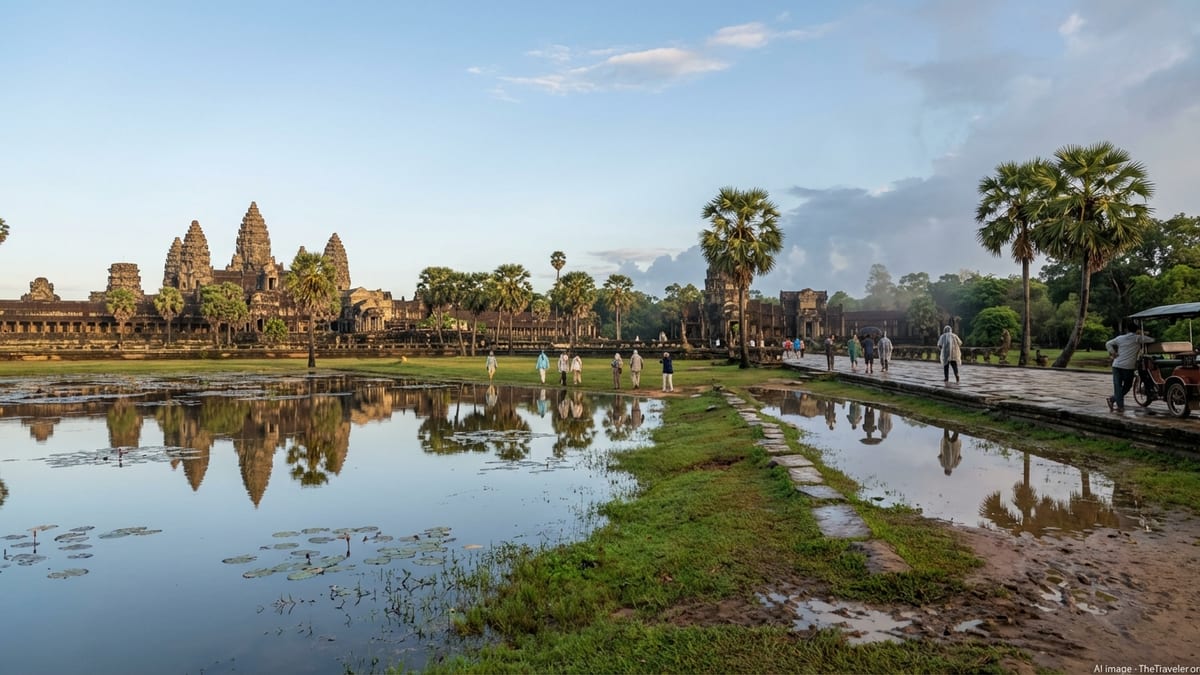
These same advantages, however, are no secret. December and January, in particular, are peak season in every sense. International arrivals surge around Christmas and New Year, and visitor numbers remain high through Lunar New Year and into February. At Angkor Wat, sunrise viewing areas fill up long before dawn. It is not unusual to share the reflection pools with hundreds of other travelers, and popular sites like Bayon and Ta Prohm can feel congested by mid-morning as tour groups arrive.
The influx of visitors pushes up prices and reduces spontaneity. Hotels and guesthouses in central Siem Reap often operate near capacity, especially at the higher end of the market and in popular boutique categories. Booking several months ahead is wise if you are set on specific properties or room types. Guided tours, especially private drivers and specialist photography tours, are also in higher demand, and last-minute flexibility may be limited. Restaurant reservations can be advisable at the most sought-after venues during holiday weeks.
Despite those pressures, many travelers consider the trade-offs worthwhile. If your priority is to explore Angkor in the most comfortable weather possible, the cool, dry season delivers. Early starts, smart route planning, and a good guide can still help you sidestep the worst of the congestion. Aim for less popular temples at peak times, keep sunrise and sunset plans flexible, and embrace long midday breaks in air-conditioned cafes or hotel pools. With those strategies, you can enjoy excellent conditions while keeping crowd-related frustrations in check.
Hot, Dry Shoulder (March to May): Fewer People, Rising Temperatures
By March, Siem Reap begins to shift into its hot, dry shoulder season. Rain remains scarce, and skies can be brilliantly clear, but temperatures climb steadily. Daytime highs often reach the mid to high thirties Celsius, and April is typically the hottest month of the year. The stone of Angkor’s temples absorbs and radiates heat, and open, unshaded areas can feel substantially hotter than the thermometer suggests. This is a period when even experienced travelers must take heat seriously.
The upside is that the intense heat discourages many visitors. Overall tourist numbers drop compared with the December to February peak, and that easing is obvious at the temples. Sunrise at Angkor Wat can still draw crowds, but they are noticeably thinner. Midday sees a dramatic falloff in visitors as those who do come retreat indoors. If you can handle high temperatures, this can be an extremely rewarding time to photograph and explore, with wide courtyards and corridors sometimes strikingly quiet.
Budget-conscious travelers often find March to May appealing. Accommodation rates tend to soften, with discounts or added-value offers at many properties. You may find it easier to negotiate on tuk-tuk day rates or secure last-minute tours and activities. Restaurants are quieter, and the general pace in town feels more relaxed than during high season. For some, that calmer, less hectic atmosphere is part of the attraction, particularly if they have flexibility to rest during the hottest hours of the day.
Careful planning is essential to enjoy this period safely. Start temple visits as early as possible, aiming to be on-site by sunrise and finishing the bulk of your exploring by late morning. Hydration, sun protection, and regular breaks in shaded or air-conditioned spaces are non-negotiable. Consider structuring your days with a long siesta between late morning and mid-afternoon, then heading back out for golden-hour light. If you are sensitive to heat, older, traveling with young children, or managing health conditions, you may find the hot, dry shoulder season too challenging despite its benefits.
Rainy Season (May to October): Green Landscapes and Quiet Temples
Siem Reap’s rainy season begins in May and extends through October, driven by the southwest monsoon. This is when the region receives the bulk of its annual rainfall, and humidity remains high for extended periods. Temperatures typically range from the mid twenties to low thirties Celsius, but the combination of heat and moisture can feel heavier than the numbers alone suggest. Travelers who dislike humidity may struggle, yet those who adapt are often rewarded with some of the most atmospheric conditions Angkor has to offer.
Rainfall patterns vary across the wet season. In May and June, showers can be intense but are often concentrated in late afternoon or evening, leaving long stretches of the day dry. July and August bring a more established monsoon rhythm, though it is still common for storms to arrive in bursts rather than continuous downpours. September and October are frequently the wettest months, with more days seeing at least some rain and occasional flooding in low-lying rural areas. City infrastructure in Siem Reap, however, generally copes well, and all but the most remote temples remain accessible under normal conditions.
Crowd levels during the rainy season drop significantly compared with the cool, dry months. Fewer international tours run at this time, and even those who come often compress their temple-hopping into shorter windows between showers. The result is quieter ruins, shorter queues at ticket checkpoints, and more opportunities to linger without feeling rushed. Photographers, in particular, value the reflective surfaces, saturated greens, and occasional dramatic skies that follow a passing storm. Moats and reservoirs around Angkor refilled by rain create mirror-like reflections that are hard to capture in the dry season.
There are practical downsides. Dirt paths can become muddy and slippery, especially at less restored temples. Some remote locations may be harder to access after heavy rain, and tuk-tuk rides can be uncomfortable when roads are waterlogged. Mosquito activity typically increases in the wet season, making insect repellent and appropriate clothing more important. Afternoon thunderclouds may limit the number of sunsets you see. Still, if you are flexible, pack for wet conditions, and accept occasional schedule disruptions, the rainy months can offer a more contemplative, less commercial experience of Angkor.
Month-by-Month Breakdown: What to Expect
Although seasons give a broad framework, conditions shift within them. A month-by-month view helps you fine-tune timing. November usually marks the transition from wet to dry. Early in the month, you may still encounter occasional showers and lush landscapes, but by the end of November the skies have largely cleared. Temperatures are warm but not yet at their hottest, making it a popular but slightly less intense alternative to December.
December and January are the height of the cool, dry period. Days are sunny, humidity is relatively low, and nights can even feel mild enough for light layers. These are prime months for lengthy temple circuits and outdoor excursions such as cycling, birdwatching around Tonle Sap, or countryside tours. They are also the busiest, especially during Christmas, New Year, and major Asian holidays. If you choose these months, book early and build patience for queues into your expectations.
February often remains pleasantly dry and not yet oppressively hot, though by late in the month temperatures begin to creep upward. It can represent a sweet spot for some travelers: slightly reduced crowd pressure compared with December and January, while still offering stable conditions. March sees heat becoming more noticeable, particularly in the afternoons. April then brings peak temperatures, coinciding with Khmer New Year celebrations, which can add cultural interest but also higher domestic travel demand and occasional business closures.
From May to June, rain becomes a regular feature, but many days still offer long, usable morning windows before storms roll in. Greenery returns, and water levels in moats and rice fields rise. By July and August, the monsoon is typically well established. Families from some regions travel during their school holidays, but overall international arrivals remain lower than in the cool season, keeping crowd levels manageable. September and October are often the wettest, with frequent rain that can feel relentless during particularly active monsoon spells. However, if your focus is photography or you relish moody, dramatic skies, these months can be compelling.
Balancing Crowds, Comfort, and Cost
Deciding on the best time to visit Siem Reap is ultimately an exercise in balancing three variables: weather comfort, crowd density, and travel cost. You cannot optimize all three at once, so your priorities should lead your timing. Travelers who place a premium on physical comfort and dislike heat or humidity will naturally gravitate toward late November through February. They will gain mild temperatures and low rain risk but must accept higher prices and more crowded conditions at headline attractions.
Those who value space, quiet, and freedom from queues more than meteorological perfection might target the shoulder months. March and early April offer clear skies and smaller crowds, if you can tolerate heat. Late October and early November can blend some of the rainy season’s lushness with improving conditions and still-moderate visitor numbers. Airfare and hotel rates in these periods often sit below peak-season highs, providing good value without plunging into the extremes of either weather or crowds.
Budget travelers and repeat visitors sometimes deliberately choose the core rainy months. Lower occupancy leads to promotion-heavy hotel markets, and bargaining power returns in areas like tuk-tuk hire and day tours, within reason. Fewer people at the temples can transform the mood of Angkor from mass tourism back toward something more intimate. The cost is not just damp clothes and packed rain gear but also reduced predictability. You may lose a planned sunset to storm clouds or have to reshuffle days when roads are temporarily affected by heavy rain.
It can help to think in terms of your own tolerance thresholds. Ask yourself whether you cope better with heat or with damp conditions, how much crowds diminish your enjoyment, and how rigid your budget is. Families with young children might prefer the cool, dry months even if that means spending more, because the relative comfort reduces stress for everyone. Backpackers or long-term travelers can more easily adjust on the fly to changing weather and may appreciate the bargains and emptier sites in off-peak times. There is no universal best month, only the best fit for your particular equation of comfort, cost, and crowd tolerance.
Strategic Temple Timing: Beating Heat and Crowds Any Month
Regardless of when you visit, smart daily scheduling can dramatically improve your experience of Siem Reap. Angkor’s main complexes follow consistent crowd patterns shaped by tour group timetables and the day’s temperature curve. Sunrise at Angkor Wat is always popular, especially in the cool, dry season. If you want that classic reflection shot with fewer people, arriving very early and accepting a long wait in the pre-dawn darkness is one option. Another is to skip sunrise at Angkor Wat on your first day and visit a less famous temple at dawn, then approach Angkor Wat slightly later, once the initial wave disperses.
Late morning to early afternoon is typically the hottest and, in peak season, one of the more crowded times inside the major temples. Many group tours roll through between 9 a.m. and 1 p.m., aligning with conventional schedules. To avoid the worst combination of heat and crowds, consider breaking your day into two halves. Start before dawn, explore until late morning, then return to your hotel for lunch, rest, and perhaps a swim. Head back out around 3 p.m. to catch softer light and cooler temperatures. This split-day strategy is particularly effective in March and April when midday heat can be draining.
In the rainy season, adjusting your plans around typical storm patterns pays dividends. Guides and tuk-tuk drivers who work year-round develop a strong instinct for reading the sky. Many storms build through the afternoon, breaking in an intense burst and then clearing. Scheduling your heaviest walking and climbing for the morning, leaving more sheltered sites for later, and remaining flexible with sunset expectations can help you make the most of each day. Packing lightweight rain gear, a dry bag for electronics, and quick-drying clothing allows you to stay out longer between showers.
Temple selection also matters. The most famous sites will always attract a steady flow of visitors, especially in December and January, but the Angkor Archaeological Park is vast. Structuring your itinerary so you visit headline temples at off-peak hours and devote midday or peak times to lesser-known sites can make even a high-season visit feel surprisingly uncrowded. A knowledgeable local guide can sequence your days against the prevailing crowd patterns, giving you occasional pockets of unexpected solitude even in the busiest months.
The Takeaway
Siem Reap rewards travelers who think carefully about timing. The classic advice is that the cool, dry months from November to February are the best time to visit, and for many that remains true. These months offer comfortable temperatures, low rainfall, and ideal conditions for long days in Angkor’s sprawling complexes. The cost is the crush of fellow visitors and premium pricing on everything from hotels to private tours. If you thrive in cooler conditions and are prepared to plan ahead, this window will likely feel worth the extra expense and reduced spontaneity.
Yet the alternative seasons have their own powerful appeal. The hot, dry period from March to May delivers quieter temples and more affordable stays for those willing to work around the heat with early starts and long midday breaks. The rainy season from May to October transforms the landscape into a vivid green world of reflections and clouds, while crowd levels ebb to some of their lowest points of the year. With suitable gear and flexible expectations, many travelers find the monsoon months unexpectedly magical.
Rather than chasing a single “perfect” month, the key is to align Siem Reap’s seasonal character with your personal preferences and limitations. Be honest about how you handle heat and humidity, how patient you are in queues, and how fixed your budget is. Then choose a time that gives you more of what you value and less of what you most want to avoid. With realistic expectations and a willingness to adapt your daily routine, you can craft a memorable Angkor experience in any month of the year.
FAQ
Q1. What is the single best month to visit Siem Reap for most travelers?
There is no universally perfect month, but many travelers find January the most balanced. Temperatures are relatively cool, rainfall is minimal, and skies are often clear. The trade-off is that it is also one of the busiest months, with higher prices and more crowds at Angkor’s main temples.
Q2. When is Siem Reap least crowded?
Crowds are usually at their lowest during the heart of the rainy season, particularly in September and early October, and again in the hottest part of the year around late April and early May. Visitor numbers drop as humidity or heat rises, so those willing to tolerate less comfortable weather benefit from quieter temples and better availability.
Q3. Is the rainy season a bad time to visit Siem Reap?
Not necessarily. While you should expect frequent showers and higher humidity from May to October, rain often arrives in short, intense bursts rather than all-day storms. The landscape turns lush and green, water features around Angkor fill, and crowd levels are lower. With proper rain gear and flexible planning, the rainy season can be a rewarding time to visit.
Q4. How hot does it really get in March and April?
March and April are typically the hottest months, with daytime temperatures often reaching the mid to high thirties Celsius. The stone structures and lack of shade in some temple areas can make it feel hotter still. Heat management is crucial: start early, rest during midday, hydrate constantly, and use sun protection. For travelers comfortable in hot climates, the lower crowds and clear skies can offset the discomfort.
Q5. Will heavy rain prevent me from visiting the temples?
In most cases, no. The majority of rainstorms are short-lived, and temple access continues as normal. Paths can become slippery and some remote sites may be harder to reach after very heavy downpours, but core circuits remain open. If a storm hits, you can often wait it out under shelter, then resume exploring once conditions improve.
Q6. How far in advance should I book if I visit in peak season?
For travel in December, January, or major holiday periods, booking accommodation at least three to six months in advance is prudent, especially for popular boutique hotels and resorts. Temple passes themselves do not sell out, but private guides, specialist tours, and certain high-demand restaurants may also require early reservations to secure preferred times and services.
Q7. Is it possible to avoid crowds in December and January?
Completely avoiding crowds in those months is unrealistic, but you can reduce their impact. Plan temple visits at off-peak hours, consider skipping Angkor Wat at sunrise on at least one day in favor of quieter sites, and use a split-day schedule that keeps you away from the worst of the midday tour traffic. A good local guide can sequence your itinerary to dodge the biggest waves of visitors.
Q8. Are mosquitoes a serious issue in the rainy season?
Mosquito activity does increase during the wet months, especially around water and in the evenings, but basic precautions are usually effective. Use a quality repellent, wear long sleeves and trousers at dusk, and choose accommodation with proper screening or nets if you are particularly concerned. Many hotels and restaurants also take measures such as regular fogging to keep mosquito numbers down.
Q9. What should I pack for a visit in the hot, dry season?
Lightweight, breathable clothing, a wide-brimmed hat, high-SPF sunscreen, sunglasses, and a refillable water bottle are essential. Quick-drying fabrics help manage sweat, and sturdy sandals or shoes with good grip are important for climbing temple stairways safely. A small daypack for carrying water, snacks, and a light scarf or shawl for sun protection will also make your days more comfortable.
Q10. If I can handle some rain, which “in-between” months offer good value?
Late November, February, and early June are strong candidates for travelers seeking a balance of reasonable weather, manageable crowds, and better value. Late November and February lean toward dry, comfortable conditions with slightly fewer visitors than peak holiday weeks, while early June offers greener landscapes, occasional showers, and noticeably lighter crowds without the heaviest monsoon downpours.