

Illinois may be best known for Chicago’s skyline and deep-dish pizza, but the state offers far more than a weekend in the Loop. From university towns and Route 66 stops to scenic river cities and state parks, getting the most value out of an Illinois itinerary in 2026 increasingly depends on how you pay. With hotel taxes among the highest in the country, new rules for short term rentals, and rising transit costs, a well chosen travel credit card can offset a surprising amount of your budget. This guide focuses on the cards and strategies that work especially well for flights, hotels, and getting around once you land in Illinois.
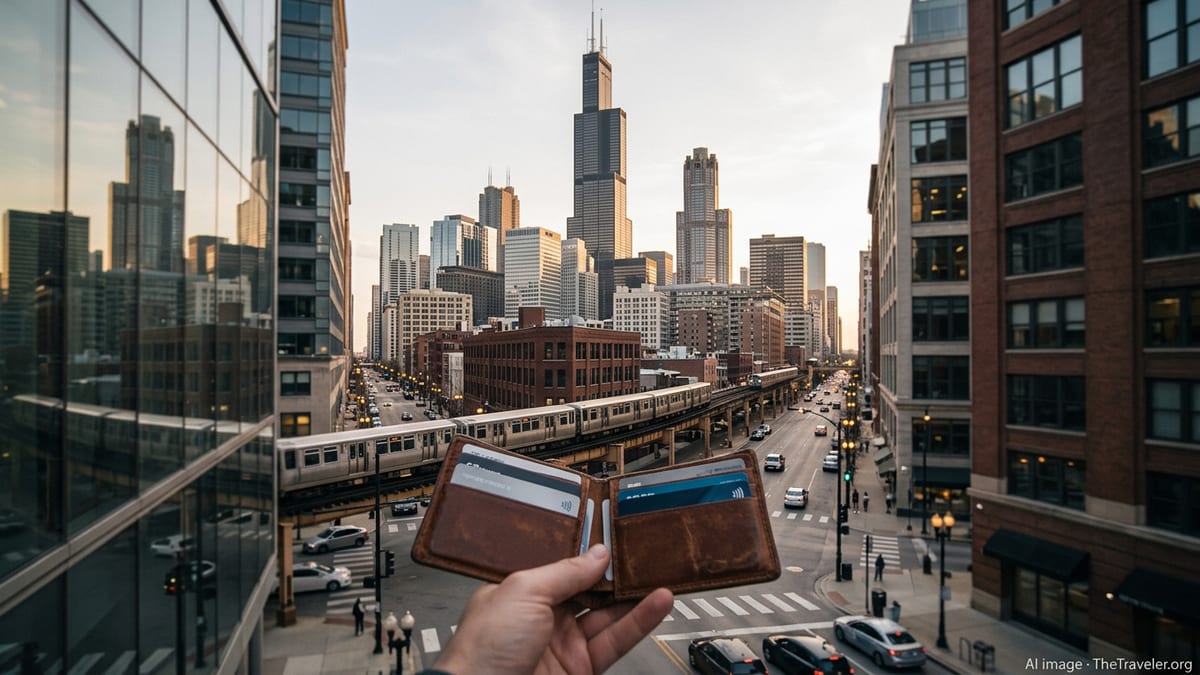
Why Travel Credit Cards Matter More for Illinois in 2026
Illinois is not a cheap state for visitors, particularly if your trip includes Chicago. Effective hotel tax rates in the city hover in the high teens as a percentage of your bill, and proposals could nudge them even higher in coming years. That means every extra dollar you can reclaim through rewards, free nights, and statement credits carries more weight than it might in a lower tax destination.
Short term rentals are also feeling the squeeze. Illinois has extended its hotel occupation tax to many short stays booked on platforms like home sharing apps, and Chicago layers local hotel and special district taxes on top. Cleaning fees and mandatory service fees are increasingly taxed as well, shrinking the price gap between private rentals and traditional hotels. In practice, travelers can no longer assume a spare room in a condo will be significantly cheaper than a midscale hotel, which makes hotel points and elite benefits more attractive.
At the same time, public transit agencies are preparing for a challenging budget environment. Regional authorities have directed systems like Chicago’s CTA, Metra, and Pace to raise fares around 2026 to help close structural deficits. Proposals suggest single rides and some passes will cost more, and specific pass types may be consolidated or removed. For visitors, that underscores the value of cards that reward transit and rideshare spending at elevated rates, so that every tap of your card or phone earns a meaningful rebate.
All of this adds up to a simple reality. If you plan to fly into O’Hare or Midway, stay several nights, and rely on transit or rideshares to move around Illinois, having at least one solid travel card and one strong everyday card can easily translate into hundreds of dollars of value over the course of a trip.
Core Features to Look For in a Card for an Illinois Trip
Before naming specific cards, it helps to understand which features matter most for Illinois travel. The first is broad travel category coverage. A card that codes flights, hotels, commuter rail, buses, rideshares, tolls, and even parking garages as travel can be particularly valuable in a state where you may mix big city transit, rental cars, and intercity trains on one itinerary. Many leading travel cards now explicitly include public transit and rideshares in their travel definitions, which is ideal if you plan to use the Ventra system around Chicago or take Amtrak to Springfield, Champaign, or Carbondale.
The second key feature is strong multipliers on dining. Illinois is a food destination, whether you are eating steak in the West Loop, Polish food in Avondale, or farm to table restaurants in smaller college towns. A card that offers three to four points per dollar on restaurants can generate substantial rewards during a weeklong stay. Because restaurant bills in Chicago also carry city and county taxes, getting an elevated return softens the total cost, especially for groups.
Third, look for flexible points that can be transferred to airline and hotel partners. Flying into Chicago gives you access to major domestic and international carriers, and downstate airports sometimes rely on regional airlines feeding bigger hubs. Transferable currencies give you options to book award flights into or out of Illinois, or to cover a downtown hotel during a pricey convention week when cash rates spike. Flexible points also protect you from devaluations in a single airline or hotel program.
Finally, consider travel protections and practical perks. Trip delay and cancellation coverage can be important during snowy Midwest winters when flights get rescheduled. Primary rental car coverage is valuable if you plan to drive out to Starved Rock State Park or the Great River Road. Airport lounge access at O’Hare or Midway, plus statement credits for Global Entry or TSA PreCheck, can make your transit through Illinois airports smoother, even if they do not directly affect your budget on the ground.
Top Cards for Flights Into and Around Illinois
For flights to Illinois, general travel cards that earn transferable points tend to be more versatile than airline specific cards, unless you are already loyal to a single carrier. Cards in the same family as Chase Sapphire, Capital One Venture, Citi Strata or Premier, and American Express travel products commonly offer two to five points per dollar on flights when booked through their travel portals or directly with airlines. Those multipliers, plus new card welcome offers, can cover the cost of a return ticket to Chicago or a connecting flight to a smaller Illinois airport after just a few bookings.
The best flight focused cards for an Illinois trip share a few traits. They usually have no foreign transaction fees, which matters if you are connecting through an overseas hub. They often provide trip delay and cancellation coverage when you use them to pay for your ticket, giving you a safety net when winter weather affects operations at O’Hare or Midway. Many also offer credits for Global Entry or TSA PreCheck every four to five years, which can pay for itself in time saved at security lines in busy terminals.
If you tend to fly economy and value flexibility over airline status, a mid tier travel card with a moderate annual fee can hit the sweet spot. These cards often earn three points per dollar on air travel and other travel purchases, with relatively low minimum spending requirements to earn welcome bonuses. Higher end premium cards can make sense if you prioritise airport lounge access and enhanced protections, but their larger annual fees only pay off if you travel multiple times per year and take advantage of their credits beyond a single Illinois trip.
For travelers who mix cash bookings with award tickets, consider pairing a strong flight card with a no annual fee cash back card that covers everyday spending at home. By putting your Illinois flights, baggage fees, and in flight purchases on a travel card and your routine groceries and utilities on a cash back card, you can accumulate rewards faster and direct them toward future visits.
Maximizing Hotel and Rental Stays Across Illinois
Illinois hotel bills can be eye opening once taxes and fees are added, particularly in Chicago. Combined state, county, city, and special district hotel taxes in the city typically push the effective rate for traditional hotels into the high teens as a percentage of your room cost. Some proposals could lift downtown rates even higher in coming years as policymakers seek new revenue for tourism and convention marketing. For travelers, this means that rewards from hotel and travel cards often matter more here than in destinations with lower lodging taxes, because you are effectively earning on a larger all in spend.
Short term rentals, once the clear budget alternative, have seen their costs climb as Illinois extends its hotel occupation tax to stays booked through major platforms and as Chicago applies local hotel and special authority levies to them. Many jurisdictions have clarified that mandatory cleaning fees, service fees, and certain other charges are taxable, reducing the perceived savings on a nightly basis. As a result, a free night certificate from a hotel card or points redeemed for an award stay in a midscale hotel can now be directly competitive with an apartment style rental in central Chicago or a riverfront condo downstate.
For an Illinois itinerary that includes Chicago plus time in smaller cities like Peoria, Rockford, or Champaign, a card earning bonus points on general travel and hotels can be ideal. You can use it to prepay refundable rates through the issuer’s portal for extra points, or book directly with chains and still earn hotel loyalty points and elite credits. Hotel branded cards can also be valuable if you are willing to concentrate your stays with a single group. Many mid tier hotel cards give a modest annual free night, automatic status that can offer room upgrades or late checkout, and elevated earning on stays. Those perks shine in Chicago, where a free breakfast for two or waived resort style fee can easily be worth more than the annual fee.
Outside of Chicago, parking can be a hidden expense at certain hotels and downtown garages. While some state employee travel guidelines cap reimbursable valet parking and encourage self parking, leisure travelers do not face those limits. A travel card that codes parking garages and meters as travel spending can return extra points on those charges. That matters if you drive into Chicago, leave a car in a garage for several days while exploring on foot and transit, or stay outskirts of town and park near commuter rail stations.
Cards That Shine on Transit, Rideshares, and Driving
Once you arrive in Illinois, you are likely to combine several modes of transportation. In the Chicago region alone, the Chicago Transit Authority runs buses and trains, Metra operates commuter rail lines, and Pace provides suburban bus and paratransit service. All three systems use the Ventra payment platform, which lets you tap a dedicated Ventra card, a mobile wallet, or certain contactless bank cards to pay fares. Transit agencies have warned of budget shortfalls and regional authorities have called for fare increases of at least around ten percent in 2026, including proposed hikes for single rides and passes. As daily costs drift upward, cards that reward transit spending can mitigate the impact.
Several modern travel and cash back cards now treat public transit, commuter rail, and rideshares as bonus categories. These often include Chicago’s L trains and buses, Metra tickets purchased through the Ventra app, and app based rides from the airports to downtown. Cards like this typically earn three points per dollar or more on transit, which can add up if you are relying on the L instead of renting a car. They may also code intercity rail tickets, such as Amtrak services linking Chicago with downstate cities, as travel, earning elevated rewards on those trips as well.
For travelers who plan significant driving, either into Illinois or for day trips, cards that reward gas and road tolls deserve attention. Many general travel or hybrid cards offer bonus earnings on gas station purchases, and some include broader travel definitions that capture tollway charges and parking. If you are visiting state parks, wine regions, or Mississippi River towns beyond the reach of frequent transit, a no foreign transaction fee card with strong gas rewards can be particularly helpful.
Notably, the Ventra system itself allows you to load value using a credit or debit card via vending machines and retail partners. By funding your Ventra balance with a travel card that earns bonus points on transit or general travel, you may be able to stack rewards: once when you load the card and again if your issuer recognises in app transit purchases as a separate eligible category. Because policies vary by issuer, it is wise to review your card’s terms before your trip, but the potential upside for frequent riders is meaningful.
Premium vs Mid Tier Cards for an Illinois Journey
The question many travelers face is whether a high annual fee premium card is worthwhile for a single Illinois trip. Premium cards tend to bundle high earning rates on travel and dining with extensive benefits like lounge access, annual travel credits, hotel status, and credits for rideshares or food delivery. In Chicago, lounge access at O’Hare or Midway can make winter connections more comfortable and productive, and hotel status may deliver room upgrades or late checkout during a busy convention week.
However, the math only works if you realistically use the benefits. A traveler visiting Illinois once every few years, largely flying economy and staying in midscale hotels, may derive more straightforward value from a mid tier card with a modest annual fee and simpler benefits. These cards usually provide strong multipliers on travel, dining, and sometimes transit, along with trip protections and perhaps a small annual hotel or airline credit. Because Illinois has relatively high taxes and growing transit costs, you can still earn significant rewards without paying for a top shelf product.
Another consideration is acceptance and ease of use. While the major international card networks are widely accepted in Chicago and other urban centers, smaller towns may have businesses that prefer particular networks or add surcharges. Carrying a backup no annual fee card on a different network than your primary travel card is prudent, especially if you plan to visit rural areas or family owned establishments that may not take every type of premium card.
In practice, many frequent travelers end up with a layered setup. They might hold one premium travel card to unlock lounges and transfer partners, one mid tier card to maximize specific categories like transit and dining, and one no fee card as a backup and for everyday spending. If your Illinois trip is part of a broader travel lifestyle, this type of portfolio can make sense. If you are mainly focused on this single journey, concentrating on one versatile mid tier travel card and one solid cash back card is usually enough.
Practical Strategies to Stretch Your Illinois Travel Budget
The right cards are only as good as the way you use them. For flights into Illinois, try to align your bookings with a welcome bonus period if you are opening a new card. Airfare, lodging deposits, and prepaid tours can help you meet a minimum spending requirement while generating transferable points for future trips. Booking through an issuer’s travel portal may earn extra points per dollar, but compare total prices carefully, particularly for Chicago hotels where taxes and fees can stack up differently depending on how bookings are structured.
For hotels and rentals, consider paying attention to cancellation policies and rate types. Some hotel cards offer better earnings when you prepay with a nonrefundable rate through the issuer, but weather and event driven changes in Illinois can make flexible bookings valuable. Downtown Chicago can see sudden price surges during big conferences or sports events; using points or a free night certificate during those periods can deliver outsize value, especially when compared with similarly taxed short term rentals that no longer provide the steep discounts they once did.
On the ground, look for ways to cluster transit and rideshare spending onto cards that reward those categories. Load your Ventra account with a transit friendly card, use the same card for commuter rail connections to the suburbs, and reserve rideshares from O’Hare or Midway with it as well. Over a week in Chicago, these small transactions can represent a meaningful percentage rebate on your local transportation costs, partially offsetting fare increases scheduled around 2026.
Finally, do not overlook statement credits and ancillary benefits. Many travel cards provide credits for rideshare services, food delivery, or hotel incidentals that can be used in Illinois. Even if a credit is small, applying it to a parking bill, breakfast charge, or airport snack reduces your effective out of pocket cost. Combine that with travel protections like lost baggage and trip delay coverage, and you gain both savings and peace of mind during your time in the state.
The Takeaway
Illinois in 2026 is a rich destination layered with culture, food, architecture, and natural scenery, but it is also a place where taxes and transit costs can quietly inflate your travel bill. Hotel tax rates in Chicago are high by national standards, short term rentals now face many of the same levies, and public transit agencies are adjusting fares to shore up budgets. In that environment, a well chosen mix of travel credit cards can meaningfully change the economics of your trip.
The best approach for most visitors is to pair one strong, flexible travel card that earns bonus points on flights, hotels, and general travel with a second card that excels on transit, dining, or gas, depending on your plans. Whether you are arriving at O’Hare from overseas, road tripping Route 66, or commuting from a suburban hotel into the Loop on Metra, your card strategy should match the way you move through Illinois. When used thoughtfully, these tools can turn necessary expenses into future trips, upgrades, and protective benefits, letting you focus less on line items and more on the experiences that make the state memorable.
FAQ
Q1. Which type of travel credit card is best for a first time trip to Illinois?
For most first time visitors, a mid tier general travel card with strong rewards on travel and dining is the best fit. It keeps the annual fee manageable while still offering valuable protections and elevated earnings on flights, hotels, and local transit purchases.
Q2. Are hotel credit cards worth it if I am only staying in Chicago for a few nights?
Hotel cards can be worthwhile if you plan a few stays with the same chain in a year, not just one weekend. A free night certificate and status benefits like late checkout or free breakfast can more than offset a modest annual fee, especially in a high cost market like Chicago.
Q3. Do travel credit cards really cover Chicago’s high hotel taxes?
Cards do not remove taxes, but they help you earn back a portion of what you spend. When combined with points redemptions or free night certificates, your effective nightly cost can drop enough that high tax rates sting less.
Q4. How important are transit rewards for getting around Chicago?
Transit rewards matter if you plan to rely on the L, buses, or commuter rail. Fares are expected to increase around 2026, so earning bonus points on Ventra loads, tickets, and rideshares can translate into a noticeable rebate on local transportation costs during a longer stay.
Q5. Should I choose an airline specific card or a general travel card for flights to Illinois?
If you always fly the same airline into Illinois and value checked bag benefits or priority boarding, an airline card makes sense. Otherwise, a general travel card with transferable points usually provides more flexibility to book flights on whichever carrier has the best schedule or price.
Q6. Is a premium travel card with lounge access worth it for O’Hare or Midway?
A premium card can be worthwhile if you travel several times per year and use its benefits beyond one Illinois trip. Lounge access at O’Hare or Midway can make delays more tolerable, but the high annual fee only pays off if you also take advantage of its travel credits and ongoing multipliers.
Q7. Can I use my travel credit card directly on Chicago’s transit system?
Many cards can be used to add value to a Ventra account or to purchase tickets through the Ventra app and vending machines. Some systems also accept contactless bank cards directly at gates. Check your card’s terms to confirm whether these transactions earn bonus rewards as transit or general travel.
Q8. What is the best way to handle rental cars and parking with credit cards in Illinois?
Use a card that offers primary rental car coverage and bonus rewards on travel or gas. This can reduce your need for expensive rental insurance and earn extra points on both the rental and associated parking or tolls during your trip.
Q9. How far in advance should I open a new travel card for an Illinois trip?
Ideally, apply three to six months before your trip. That gives you time to receive the card, meet its minimum spending requirement using airfare and deposits, and have the welcome bonus post before you finalize all your Illinois bookings.
Q10. Are there any drawbacks to relying heavily on travel credit cards for my trip?
The main risks are overspending to chase rewards and carrying a balance, which can erase the value of points with interest charges. Use cards as tools for purchases you would make anyway, pay your statement in full, and choose products that fit your typical travel patterns beyond Illinois.