

For Indian travelers, choosing the right payment tools can mean the difference between a smooth international trip and a holiday quietly drained by hidden charges. Between foreign currency markups, overseas ATM fees and confusing bank rules, it is easy to lose thousands of rupees without noticing. The good news is that a new generation of Indian credit cards now offers low or even zero forex fees, and with a smart ATM strategy you can keep more of your money for flights, food and experiences.
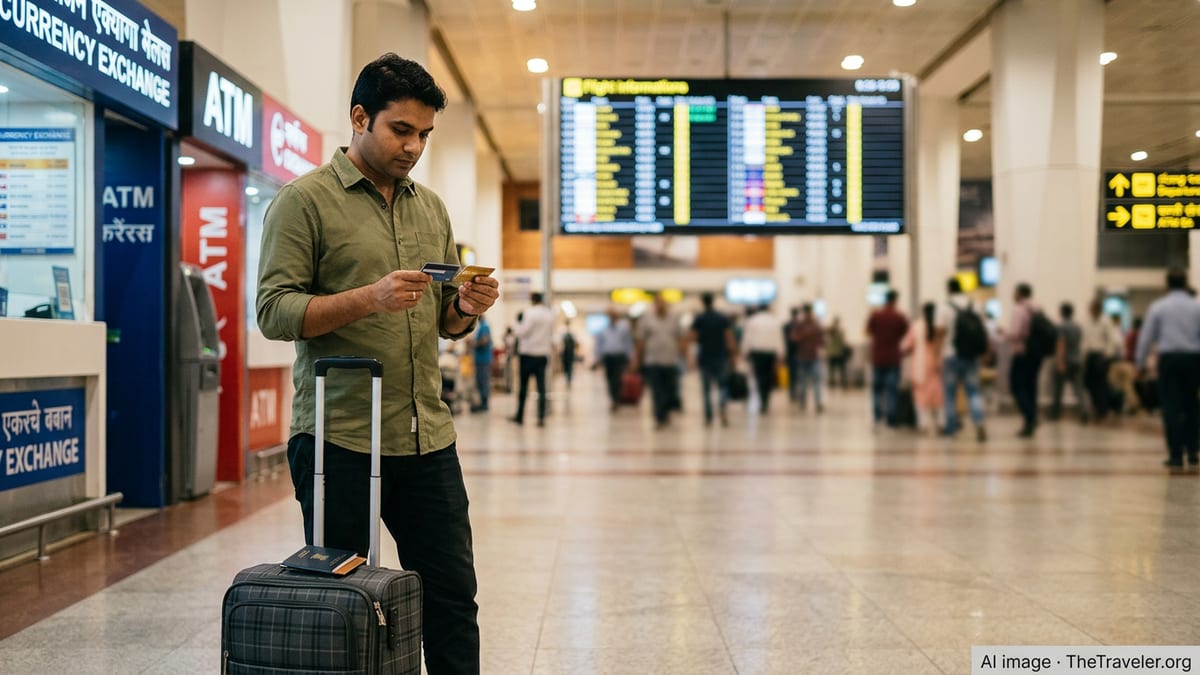
Why Forex Fees Matter So Much For Indian Travelers
Every time you tap your Indian card abroad, there is a good chance you are paying more than the sticker price. Most Indian credit cards add a foreign currency markup, often around 3 to 3.5 percent plus applicable taxes, every time a transaction is billed in anything other than rupees. On top of that, networks and banks may build a small spread into the exchange rate itself, so that the final rupee amount is noticeably higher than an independent mid market rate.
These charges are easy to underestimate. A week in Europe with hotel bills, train tickets and restaurant meals can easily touch 150,000 rupees or more. With a typical 3.5 percent markup, that alone can mean more than 5,000 rupees in fees, before even considering cash withdrawals or dynamic currency conversion traps. Over several international trips a year, the cost balloons into a significant hidden travel tax.
Frequent travelers are increasingly aware of this leakage, which is why Indian issuers have begun to market cards with low or zero forex markup as a core benefit. A small but growing set of players highlight that they charge no additional markup above the network rate on international card swipes. For travelers who prefer simplicity, using a card with no foreign transaction fee can be the easiest way to cut costs without constantly doing mental math at the checkout counter.
At the same time, forex markup is only part of the picture. For most Indians traveling abroad, cash usage is still a reality, especially for taxis, tips and small merchants who do not accept cards. That is where overseas ATM fees and bank limits come into play, making it critical to think about not just which card you carry but also how and when you use ATMs while overseas.
Understanding India’s New ATM Fee Landscape
Even before you leave India, ATM pricing rules have become more complex. The Reserve Bank of India has approved higher interchange fees for ATM transactions, and several major banks have updated their schedules so that customers pay more once they exceed a limited number of free withdrawals each month. Starting in 2025, industry circulars and public notices from large banks show incremental hikes in charges for both financial and non financial transactions at other banks’ ATMs within India.
These changes primarily affect domestic withdrawals, but they illustrate a wider trend. Operating ATMs is more expensive, and banks increasingly nudge customers toward digital payments. When you step outside India, this cost pressure is usually even more visible. Overseas ATM withdrawals typically attract a fixed fee per transaction from your issuing bank, a separate fee from the foreign ATM operator and sometimes a currency conversion markup layered on top.
Because there is no single standard, charges for foreign ATM use vary widely by bank and by card type. Some premium credit cards offer a limited number of discounted or rebated overseas cash withdrawals, while many basic cards simply treat every transaction abroad as chargeable from the first rupee. On debit cards, the pattern is similar: a few accounts marketed to travelers or non resident Indians are more generous, while standard savings accounts may incur relatively high per transaction fees.
The takeaway is that travelers who rely heavily on ATMs abroad can be caught between rising domestic fee structures and often expensive international withdrawals. A smarter strategy is to combine a low or zero forex credit card for most purchases with a carefully planned approach to cash, using as few withdrawals as possible and understanding which card in your wallet is cheapest at foreign ATMs.
Zero Forex and Low Markup Credit Cards: What To Look For
In response to demand for cheaper international spending, several Indian issuers now promote credit cards that either completely waive forex markup or reduce it significantly compared with traditional products. Some of these cards are aimed at frequent flyers and affluent customers, while others are positioned as mass market or even lifetime free. Names that often appear in current comparison lists include zero markup cards from new age fintech issuers, co branded travel cards and premium offerings from established banks.
Instead of chasing a specific brand, it is more useful to understand the features that define a strong travel card for international use. The first is the actual forex markup percentage: a genuine zero markup card will clearly state that it does not levy an additional fee on international transactions denominated in foreign currency. Some cards advertise low markup, for example around 1 to 1.5 percent, which can still be worthwhile if the rewards and benefits offset the smaller fee.
The second factor is rewards structure. A competitive travel credit card should offer accelerated points or miles on categories that match your overseas spend, such as international hotels, airlines and dining. Some cards convert rewards into air miles with partner frequent flyer programs or into travel vouchers. Others offer cashback credited directly to the statement. When comparing, focus on how easy it is to redeem points for real travel value rather than on headline earn rates alone.
Third, examine recurring costs. Annual fees on travel cards can vary from zero on entry level products to significant amounts on high end cards. However, many issuers offset these fees through welcome bonuses, milestone vouchers or annual travel credits. It is worth doing a rough calculation of how much you expect to spend internationally in a year, how many points that would earn and whether the value of rewards plus fee waivers exceeds the annual charge for the card.
Examples of Indian Cards Favored by International Travelers
The Indian card market evolves quickly, but some recurring themes are visible in recent roundups of zero forex or travel friendly cards. Digital first issuers and fintech linked products are prominent, often positioning themselves as alternatives to traditional bank cards for global usage. These may bundle a credit line with modern mobile apps, budgeting tools and easy control over international transactions, and they typically highlight the absence of foreign transaction markups as a key differentiator.
Established banks have also followed suit. Publicly available lists and press material from early 2026 indicate that certain private sector banks now offer dedicated cards marketed as zero forex or global travel products, sometimes tied to premium relationships or higher minimum income thresholds. These cards often combine airport lounge access in India and abroad with additional travel insurance, lost card liability cover and concierge services.
Co branded travel cards have carved out a separate niche. Partnerships between Indian banks and international airlines, hotel chains or online travel agencies can result in cards that waive forex markup when spending with the partner brand or in select categories. In exchange, they might focus their reward schemes on earning partner specific miles or points, which can be valuable if you are loyal to a particular airline alliance or hotel program.
Because product terms change frequently, anyone considering a new card should verify current conditions directly with the issuer before applying. Pay close attention to fine print on forex charges, whether zero markup applies to both online and point of sale transactions, and any caps or promotional windows after which standard fees resume. Using comparison tables from recent Indian financial publications can help you narrow the field to a short list of candidates that match your income, travel style and credit profile.
Smart ATM Strategies for Indian Travelers Abroad
Even with a great travel credit card in hand, there are times when cash is unavoidable. Markets, small eateries, rural taxis and certain tourist activities still run largely on physical currency in many destinations. The key is to treat cash withdrawals like any other travel cost: plan them, minimize frequency and avoid avoidable fees that eat into your budget.
A simple first step is to understand the difference between using a credit card and a debit card for ATM withdrawals overseas. On most Indian credit cards, cash advances begin accruing interest immediately, often at relatively high annualized rates, and may attract a separate cash advance fee per transaction. Debit card withdrawals, by contrast, pull directly from your bank account, with the main costs being flat fees and any markup embedded in the exchange rate. For this reason, many travelers prefer to reserve credit cards for purchases and use a debit card that offers relatively low international ATM fees when cash is truly needed.
Next, think about the number and size of your withdrawals. Because many banks charge a fixed rupee equivalent fee per overseas ATM transaction, it can be cheaper overall to make fewer, larger withdrawals rather than many small ones. This must be balanced against safety and local regulations on how much cash you can carry. A realistic compromise is to withdraw enough for several days at a time, keep only a portion on your person and store the rest securely in your accommodation.
Finally, always watch the ATM screen carefully. In many countries, ATMs offer to convert the transaction into rupees before completing it, a feature sometimes branded as dynamic currency conversion. While it sounds helpful, this option typically uses a poor exchange rate with an additional margin built in. To avoid that hidden cost, decline any conversion to rupees and choose to be charged in the local currency instead, letting your Indian bank or card network handle the conversion at a more transparent rate.
Forex Cards, Multi Currency Wallets and When They Make Sense
Alongside credit and debit cards, Indian banks market multi currency forex cards and prepaid travel cards that can be loaded with foreign currencies before you depart. These products allow you to lock in an exchange rate on the day you load the card, and they often support multiple currencies on a single plastic. For travelers who prefer strict budgeting, a dedicated forex card can make it easier to cap spending in each currency and avoid accidentally tapping into funds meant for other purposes.
Bank marketing material highlights other advantages as well, such as temporary promotional waivers on issuance or reload fees, and rewards on international purchases. Some cards advertise free or discounted ATM withdrawals abroad in popular destinations, though limits and network restrictions usually apply. Because the card is not directly linked to your primary bank account, it can also reduce risk exposure if the card is skimmed or compromised, as fraudsters cannot directly access your entire savings balance.
However, forex cards are not without trade offs. If the currency you loaded weakens against the rupee by the time you actually spend it, you may end up worse off than if you had simply used a no markup credit card at the real time rate. Unused balances may attract inactivity fees after a certain period, and withdrawing leftover funds when you return to India can involve encashment charges. It is also important to track reload times, as some issuers may not support instantaneous top ups in all circumstances.
In practice, many seasoned Indian travelers treat forex cards as one tool in a diversified payment kit rather than a universal solution. They might rely on a zero forex markup credit card for most purchases, keep a forex card as a backup with a limited balance for contingencies and carry a debit card from a bank known for competitive international ATM fees. This layered approach can provide redundancy if a particular card fails or a network is down, while still keeping overall costs under control.
How to Build a Low Fee, High Flexibility Travel Wallet
Constructing a smart travel wallet begins at least a few weeks before departure. Start by taking stock of the cards you already hold: check the forex markup percentages, international ATM fees and any restrictions on overseas usage. Many Indian banks require customers to enable international transactions separately through net banking or mobile apps, so confirming this in advance avoids airport check in counter surprises when a card is declined on its first overseas purchase.
If your existing cards all charge high forex markups, consider applying for a dedicated travel card that better suits your plans. Aim for at least one zero or low markup credit card for day to day purchases like hotels, restaurants and online bookings made in foreign currency. Combine that with a debit card or prepaid solution that offers reasonably priced cash withdrawals abroad. When possible, choose issuers that provide clear, recent disclosures of their fee structures, so you are not guessing about what you will be charged overseas.
Once you decide which cards to carry, inform your banks about your travel dates and destinations if they still support travel notifications. While many institutions now rely on real time fraud detection rather than manual travel flags, some still recommend telling them when you will be abroad to reduce the risk of security blocks. Also store customer care numbers for each card in a secure note, including international dialing formats, so that you can quickly report a loss or ask for help while overseas.
It is also wise to plan for connectivity and authentication. A growing number of Indian banks use one time passwords and app based approvals for international transactions and card management. Ensure that your registered mobile number will work where you are going, or that you have an alternate authentication method such as app based tokens or email approvals set up in advance. This preparation helps you adjust limits, block a card or enable online usage on the fly without having to call customer support from another time zone.
The Takeaway
For Indians traveling abroad in 2026, the essentials of a cost effective payment strategy are clear. First, minimize or eliminate foreign transaction fees by using a credit card that either waives forex markup entirely or keeps it significantly below standard levels. Second, treat cash withdrawals as a last resort rather than a default habit, understanding that rising ATM fees in India and abroad can turn frequent, small withdrawals into an expensive pattern over the course of a trip.
Complement this core approach with thoughtful use of forex cards and multi currency wallets where they fit your style, especially if you value budgeting discipline or are visiting a region where card acceptance is patchy. Always read the latest cardholder agreements and fee tables, since Indian banks and fintech issuers continue to tweak terms in response to regulation and competition. With a small amount of planning, you can strip away much of the hidden friction around overseas payments and focus on the experiences that motivated your journey in the first place.
Ultimately, the best travel card setup for India is the one that aligns with your own habits. A frequent flyer may favor a premium zero markup card with strong airline partnerships and lounge access, while a budget backpacker might prioritize a no annual fee product that simply delivers clean, low cost spending abroad. Whichever camp you fall into, choosing your cards and your ATM tactics with intention will help keep more rupees in your pocket and more freedom in your itinerary.
FAQ
Q1. What is a forex markup fee on Indian credit cards?
It is an additional charge that most Indian issuers add when you pay in a foreign currency, usually expressed as a percentage of the transaction amount plus taxes.
Q2. Are there really Indian credit cards with zero foreign transaction fees?
Yes, a small but growing number of Indian cards publicly advertise zero forex markup on international purchases, though terms can change and may include eligibility or spending conditions.
Q3. How can I check what forex fees my current cards charge?
Review your card’s latest schedule of charges or terms and conditions, focusing on sections labeled international transactions, foreign currency markup or cross currency fees.
Q4. Is it better to use a credit card or debit card at foreign ATMs?
For most travelers, a debit card is usually cheaper because credit card cash advances often attract immediate interest and extra fees, but you must compare your own bank’s current charges.
Q5. How many ATMs can I use for free while traveling abroad?
There is no single rule; some Indian accounts offer a limited number of fee free overseas withdrawals while many charge from the first transaction, so always confirm with your bank before travel.
Q6. Should I choose dynamic currency conversion when an overseas terminal offers to bill me in rupees?
In most cases, it is cheaper to decline and pay in the local currency so that your card network, not the merchant or ATM, handles currency conversion at a more transparent rate.
Q7. Are forex cards safer than using my regular debit card abroad?
Forex cards can limit exposure because they are not directly linked to your primary bank account, but they come with their own fees and rules that you must understand before relying on them.
Q8. How far in advance should I apply for a new travel credit card?
Applying at least four to six weeks before departure is sensible, giving time for approval, card delivery, activation and any required steps to enable international usage.
Q9. Can rewards from travel credit cards really offset forex and annual fees?
They can if you spend enough in bonus categories and redeem points efficiently, but you should always estimate the value of rewards against total fees using realistic spending assumptions.
Q10. What should I do if my Indian card is declined or blocked while abroad?
Contact your bank’s international helpline, verify your identity, and ask them to review recent transactions; having backup cards and updated contact details can reduce disruption.