

Malaysia has roared back as one of Southeast Asia’s most popular destinations, with visitor numbers again surpassing pre-pandemic levels and tourism contributing significantly to the national economy. For international travelers, that revival brings an important money question: which travel credit cards will stretch your budget furthest while keeping payments simple and secure on the ground in Kuala Lumpur, Penang, Langkawi, Borneo, and beyond? Choosing the right card before you go can mean saving quietly on every tap and swipe, and turning everyday purchases into flights and hotels for your next trip.
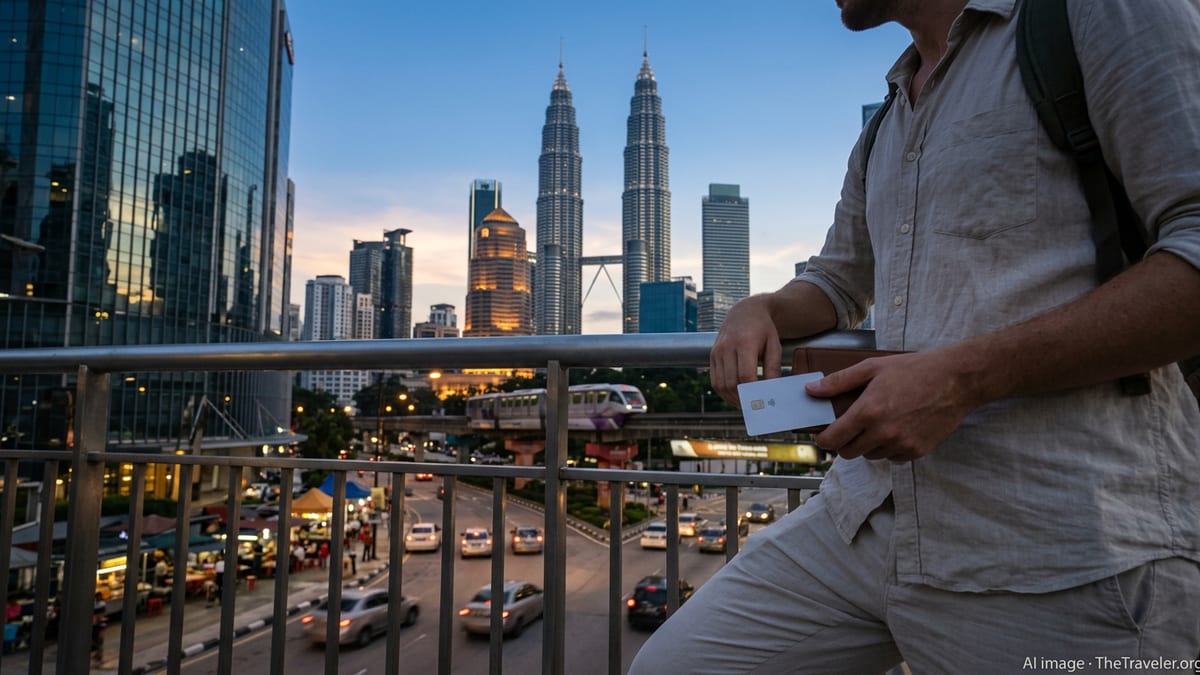
How Malaysia Handles Cards, Cash and Contactless Payments
Understanding how Malaysians actually pay in 2026 is the foundation for choosing a smart travel credit card. In major cities such as Kuala Lumpur, Penang, Johor Bahru and Kota Kinabalu, Visa and Mastercard are widely accepted at mid range and upscale hotels, shopping malls, chain restaurants, supermarkets and transport services. Many of these outlets now support contactless tap to pay and mobile wallets like Apple Pay and Google Pay, as long as your bank and card network support them. Travelers accustomed to tapping at home will find city life in Malaysia increasingly familiar.
Outside this modern grid, cash remains central. Night markets, hawker food courts, rural guesthouses and smaller independent shops often operate as cash only or have card terminals that are unreliable during busy periods. Even when cards are technically accepted, some merchants add a small surcharge on credit card payments to offset processing costs. That makes having at least one travel card with fee free ATM access or low cash withdrawal charges a useful back up for topping up your ringgit supply when you stray beyond the big malls.
Another dynamic to be aware of is the difference between card acceptance and card brand preference. While Visa and Mastercard dominate, American Express and Discover are accepted less consistently, especially beyond high end hotels and international chains. UnionPay is growing, particularly in tourist hubs, but is still more niche for foreign cardholders. A globally issued Visa or Mastercard with strong travel features is the most reliable primary card for Malaysia, backed up by a second card from a different issuer in case of network outages or fraud holds.
Digital payments are evolving fast, with local e wallet systems like Touch n Go and GrabPay woven into everyday life. As a short term visitor, you can still function comfortably using a travel credit card plus cash, but some travelers now link their cards into these local apps where permitted to access promotions and easier small payments. Whether you adopt local wallets or not, your core choice of travel credit card will decide how much you pay in hidden fees and how much value you earn on every ringgit you spend.
Key Features to Look For in a Malaysia Focused Travel Card
Most leading travel credit cards can be used in Malaysia, but not all of them are optimized for the specific mix of fees, rewards and protections you will encounter there. The most important single feature is foreign transaction fees. Many general rewards cards still charge around 3 percent on purchases in a foreign currency, including Malaysian ringgit. Over the course of a two week trip with hotel stays, domestic flights, meals and activities, that extra percentage can quietly add up to the cost of a night or two in a boutique hotel. Prioritize cards that advertise zero foreign transaction fees or, at worst, significantly reduced charges.
Exchange rate treatment is just as important as headline fees. Some banks use competitive network rates with minimal markups, while others add a spread on top of the card network rate. Dynamic currency conversion, where a terminal offers to charge your card in your home currency rather than in ringgit, typically uses particularly poor rates. A good travel card gives you the flexibility to always pay in the local currency and still enjoy solid conversion without extra surprises. The best practice in Malaysia is to decline any offer to pay in your own currency and insist on Malaysian ringgit at the point of sale.
From a rewards perspective, look for cards that earn elevated points or miles on travel and dining, two categories that will likely dominate your Malaysia spending. Leading international travel cards commonly offer higher multipliers on airline tickets, hotels and restaurants worldwide, including in Malaysia. Depending on your preferred loyalty ecosystem, you might seek transferable points that can move into major airline alliances serving Kuala Lumpur and Penang, or co branded airline cards tied to your home carrier if you fly it regularly into the region.
Non rewards features round out the ideal Malaysia trip card. Comprehensive travel insurance, especially emergency medical and evacuation coverage, can be valuable in a country where you may head into rainforest, islands or highlands. Delayed or lost baggage protection is relevant if you take domestic flights between peninsular Malaysia and Borneo. Purchase protection and extended warranty benefits matter for electronics and camera gear you might buy along the way. Airport lounge access, offered on many premium travel cards, can be particularly welcome at Kuala Lumpur International Airport if you face a long layover or late night departure.
Best Types of Travel Credit Cards to Consider for Malaysia
While specific card products and offers change frequently, a few broad categories of travel credit cards tend to work especially well for Malaysia. First are global premium travel cards that combine zero foreign transaction fees, comprehensive benefits and flexible points. These cards often carry higher annual fees but compensate with lounge access, strong travel insurance and high earning on travel and dining. For frequent international travelers who might visit Malaysia multiple times or combine it with regional trips to Singapore, Thailand or Indonesia, such a card often becomes a long term anchor in the wallet.
Next are mid tier travel rewards cards with moderate annual fees and solid multipliers on travel, dining and sometimes general everyday purchases. These cards may offer pared back benefits compared with ultra premium products but still waive foreign transaction fees and provide key protections. They can be an ideal fit for travelers planning one substantial Malaysia trip in the next year or two who want meaningful value without committing to a high fixed cost. Many of these cards also feature generous welcome bonuses that can subsidize flights into Kuala Lumpur or hotel nights in Penang and Langkawi.
Co branded airline and hotel cards form a third useful group, especially if you are loyal to a specific airline alliance or chain that has a strong presence in Malaysia. Airline cards can help you earn miles quickly toward long haul award flights between your home country and Kuala Lumpur or regional hops onwards from the country. Some also offer priority boarding, free checked bags or partner lounge access that save stress during connections. Hotel cards tied to global chains with properties across Malaysia can unlock complimentary nights, room upgrades and breakfast, particularly in big city and resort markets.
Finally, dedicated cash back travel cards and fintech linked cards designed for low cost foreign spending are worth a close look. These products focus less on aspirational redemptions and more on clean, simple savings every time you pay abroad. Features can include very low or zero foreign transaction fees, competitive exchange rates and modest but automatic cash back on all spending, not just travel categories. For cost conscious visitors who prefer flexibility over tracking points, a well structured cash back or travel debit credit hybrid can be an efficient way to handle expenses in Malaysia.
Managing Fees, FX and ATM Withdrawals in Malaysia
Even the best travel card can leak value through avoidable fees if you are not careful about how you use it in Malaysia. One common trap is allowing merchants or ATMs to process transactions through dynamic currency conversion, where your bill is shown and charged in your home currency instead of ringgit. The convenience is superficial; the exchange rates used in these conversions are typically worse than those provided by your card network. Whenever you are offered a choice on screen, select to be charged in Malaysian ringgit, not your domestic currency, and watch for staff who may pre select the more expensive option on your behalf.
ATM withdrawals deserve equal attention. Many Malaysian ATM operators charge a flat fee when foreign cards are used, and your home bank may layer on its own withdrawal fee and a foreign transaction margin. These costs can stack up quickly if you take out small amounts repeatedly. To minimize them, distribute your cash needs across fewer, larger withdrawals where comfortable, and use your travel credit card for as many big ticket purchases as you can. If your bank participates in a low fee or fee free international ATM network, familiarize yourself with partner banks in Malaysia and seek out their machines when possible.
Hotel and car rental deposits are another context where card choice matters. Higher tier travel cards sometimes receive more favorable pre authorization treatment from hotels and agencies, and their embedded insurance can help cover collision damage or trip disruptions. In Malaysia, car rentals and some smaller hotels may request cash deposits from travelers without major credit cards, which can be inconvenient and tie up funds. Bringing at least one globally recognized travel credit card reduces the likelihood of such friction and provides clearer dispute mechanisms if service issues arise.
It is also wise to prepare for card security checks. A sudden burst of overseas transactions can trigger automated fraud alerts, especially in countries where you have never used your card before. Before leaving for Malaysia, update your contact details with your issuer, enable app notifications and, where available, register your travel plans. If your bank offers virtual card numbers or on the fly card locking through its app, familiarize yourself with those tools. In the event that your card is cloned at a compromised terminal or lost in transit, you want to be able to freeze it quickly while relying on a backup card until a replacement arrives.
Rewards Strategies: Turning Ringgit Spending into Future Trips
Spending in Malaysia can be surprisingly affordable compared with many Western countries, particularly once you leave the luxury tier. That affordability does not mean your rewards potential is limited. By pairing the right travel card with a simple strategy, you can convert day to day purchases in ringgit into meaningful points, miles or cash back toward your next trip. Start by aligning your main spending categories in Malaysia with your card’s bonus structure. If your card offers elevated rewards on global dining, channel as many restaurant, cafe and hawker center card eligible bills as possible through it, while using a backup card or cash only where terminals or policies do not allow plastic.
Hotel and accommodation bookings are a second major lever. Many travel cards provide higher multipliers when you book hotels through their own travel portals or with preferred online partners, though you should always compare rates and cancellation policies with booking directly. For Malaysia, where independent guesthouses and boutique hotels are common, you may want a blend of strategies: using your card’s portal benefits for major city hotels while paying smaller properties directly to support local businesses and secure more flexible arrangements. Where your card offers annual travel credits, try to deploy them against Malaysia related expenses such as flights into Kuala Lumpur or domestic hops to Borneo.
On the redemption side, think beyond classic long haul flights. Depending on your home region, it might be more efficient to redeem points or miles for premium cabins on medium haul routes into Kuala Lumpur, upgrades on economy tickets you would have bought anyway, or hotel stays in high cost peak seasons such as school holidays or major festivals. Some card linked programs now allow you to apply points as statement credits against any travel coded purchase, including budget guesthouses and local tours in Malaysia. This can be particularly helpful if your trip is built around a mix of small operators and local experiences that fall outside traditional airline and hotel loyalty ecosystems.
Finally, keep an eye on transfer bonuses and limited time partner promotions. Card issuers periodically offer better conversion ratios when moving points into specific airline or hotel schemes, some of which have strong networks in Malaysia and the wider region. If you know you will be booking flights or stays involving Malaysia within a set window, it can be worth timing your transfers to coincide with such promotions. Just remember that points are usually more flexible while they remain in your card’s own ecosystem; only transfer when you have a concrete plan to use them.
Practical Payment Tips for Everyday Life in Malaysia
Even the most optimized travel credit card will fall short if it does not match how money moves through daily life in Malaysia. Before you depart, notify your bank, set sensible transaction and cash withdrawal limits, and store emergency contact numbers separately from your wallet and phone. When you land, test your primary card with a small purchase at a supermarket or convenience store to make sure transactions are flowing smoothly. If you encounter repeated declines for no clear reason, switch to your backup card and contact your issuer via secure messaging or a Wi Fi call from your hotel to resolve the issue without racking up roaming charges.
In Kuala Lumpur and other large cities, rely on your travel card for hotel bills, intercity flights, ride hailing services, shopping malls, attractions, and mid range and upscale dining. Where contactless is available, tap rather than inserting your card to reduce wear on chips and avoid skimming devices sometimes found on older terminals. In wet markets, street food areas and smaller neighborhood shops, use cash. It is customary to pay hawker vendors and taxi drivers in small bills; some may accept QR code payments tied to Malaysian e wallets, but these are not always accessible to foreign cards.
Be mindful of tipping and service charge practices. Unlike in some countries, tipping in Malaysia is not compulsory, though modest rounding up of the bill or leaving small change for excellent service is appreciated. Many restaurants and hotels add a service charge and government tax automatically; check your bill before adding an extra gratuity on your card. When signing or entering your PIN, take a moment to verify the amount on the screen or printed slip, especially in busy night markets and tourist areas where confusion can arise easily and be difficult to unwind later.
At the end of each day, review your transactions in your banking app if connectivity allows. Early detection of unusual charges gives you more leverage in disputes and minimizes disruption if your card details are compromised. In the unlikely event that you need to file a chargeback for a disputed tour or accommodation, detailed records and screenshots of communications with local providers will help your issuer evaluate the claim. A well chosen travel credit card is not just a payment tool but also a consumer protection buffer when plans change or services fall short.
The Takeaway
Travel credit cards are no longer just about aspirational airport lounges and distant upgrades. For trips to Malaysia in 2026, they are a practical financial tool that can meaningfully reduce costs, expand payment options and offer a safety net when the unexpected happens. By focusing on cards with zero or low foreign transaction fees, competitive exchange rate treatment, strong rewards on travel and dining, and robust travel protections, you position yourself to enjoy Malaysia’s revitalized tourism landscape without bleeding money on hidden charges.
Think in layers. Use a primary no fee travel rewards card for most purchases in cities, a backup card from a different network for emergencies, and a plan for ATM access that minimizes withdrawal and conversion fees. Combine that with everyday habits like always paying in ringgit, avoiding dynamic currency conversion and checking your statements regularly, and you have a payment strategy that quietly works in the background while you explore.
Malaysia offers an appealing mix of modern infrastructure and traditional charm, high end malls and bustling markets, island resorts and mountain retreats. The right travel credit card will not change the taste of a bowl of laksa or the view from a Langkawi lookout, but it will allow more of your budget to be spent on experiences rather than on bank fees. With a bit of preparation, your wallet can be as ready for the journey as your passport.
FAQ
Q1. Do most places in Malaysia accept foreign credit cards?
In major cities and tourist hubs, most hotels, malls, chain restaurants and larger attractions accept foreign issued Visa and Mastercard, while smaller stalls and rural areas remain mostly cash based.
Q2. Which card networks work best in Malaysia?
Visa and Mastercard have the broadest acceptance, American Express is more limited to upscale venues and international chains, and other networks such as Discover or UnionPay are more situational for foreign visitors.
Q3. Should I choose a card with no foreign transaction fees for Malaysia?
Yes, a card that waives foreign transaction fees can save you several percent on every purchase in Malaysian ringgit, which adds up quickly over a full itinerary.
Q4. Is it better to pay in my home currency or in Malaysian ringgit?
It is generally better to pay in Malaysian ringgit and decline dynamic currency conversion, because paying in your home currency usually comes with a worse exchange rate and extra margin.
Q5. Can I rely only on cards, or do I still need cash?
You should plan to use cards for hotels, transport and larger restaurants, but still carry cash for hawker food, small shops, rural areas and situations where terminals are offline or surcharges are high.
Q6. Are mobile wallets like Apple Pay widely accepted in Malaysia?
In urban areas many terminals support contactless payments and will accept Apple Pay or Google Pay linked to Visa or Mastercard, but acceptance is not yet universal and you should not rely on it exclusively.
Q7. How many travel cards should I bring to Malaysia?
Bringing at least two credit cards from different issuers or networks is prudent, so you have a backup if one is lost, compromised or blocked by a security alert.
Q8. Are ATM withdrawals with a credit card a good idea in Malaysia?
Withdrawing cash on a credit card is usually expensive due to cash advance fees and interest, so it is better to use a debit card with low foreign ATM fees or plan larger, less frequent withdrawals.
Q9. Do travel credit cards include insurance that works in Malaysia?
Many mid tier and premium travel cards include trip delay, baggage and emergency medical coverage that apply in Malaysia, but you should always read the policy and consider separate travel insurance for comprehensive protection.
Q10. What should I do if my credit card is lost or stolen in Malaysia?
Contact your issuer immediately via app or phone to block the card, review recent transactions for fraud, use your backup card in the meantime, and arrange for an emergency replacement if your stay is long enough to receive it.