

Saudi Arabia is investing heavily in tourism, welcoming a growing number of international visitors for Umrah and Hajj, business travel and leisure trips. As payments in the Kingdom become increasingly cashless, the right travel credit card can make your journey smoother, safer and more rewarding. From avoiding unnecessary fees to maximizing airport lounge access and travel protections, choosing wisely before you fly can save you real money and stress on the ground.
How Payments Work in Saudi Arabia Today
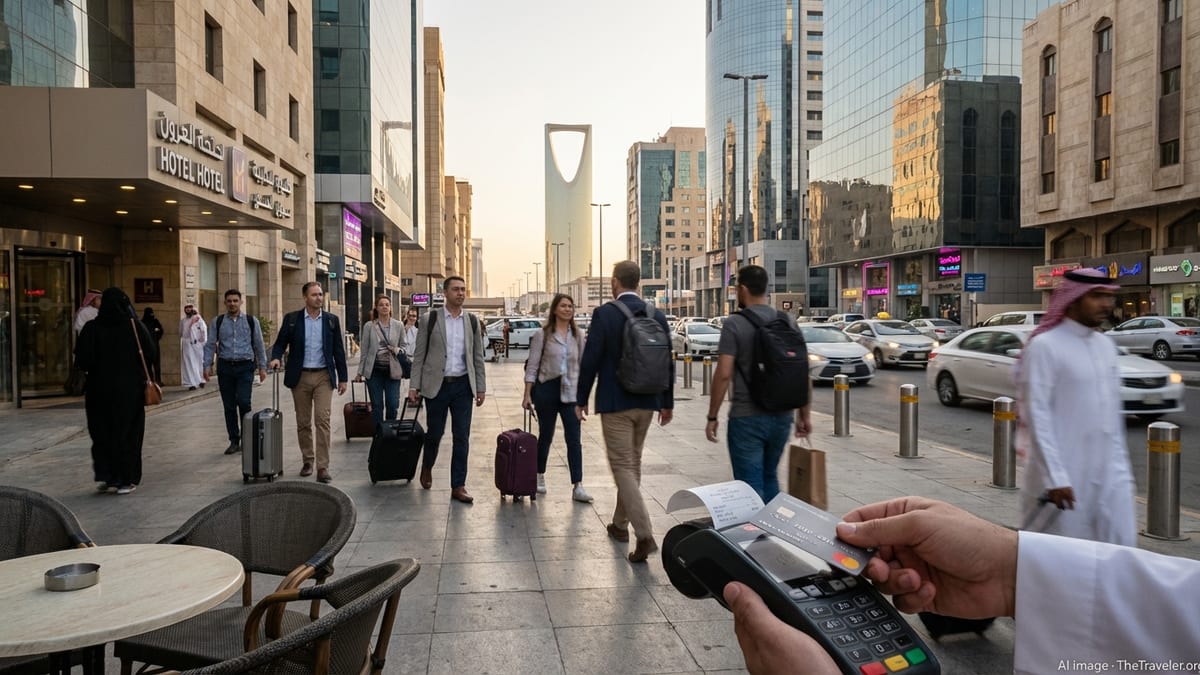
Saudi Arabia has rapidly transformed into a predominantly cashless economy, especially in major cities like Riyadh, Jeddah and Dammam. Card and mobile wallet acceptance is strong at hotels, shopping malls, restaurant chains, supermarkets and most larger retailers. Both Visa and Mastercard have invested in local payment infrastructure in recent years, which helps ensure fast, secure and reliable card processing across the Kingdom.
Local debit network "mada" is widely used by residents, but international visitors will primarily rely on foreign-issued Visa, Mastercard or American Express credit cards. Acceptance is generally excellent for Visa and Mastercard at in-person terminals and for online bookings. American Express is accepted at many upscale hotels and international brands, but coverage is more limited at smaller merchants and local eateries, so it is best used as a secondary rather than sole card.
Contactless payments are the norm in urban areas. Most terminals support tap-to-pay cards and mobile wallets such as Apple Pay and Google Pay. However, smaller shops in rural areas and traditional markets may still prefer cash, so even with a strong credit card setup, you should plan to carry some Saudi riyal for backup, particularly outside major cities or during side trips to desert or coastal regions.
Card infrastructure is backed by the Saudi Central Bank, known as SAMA, which has encouraged digital payments as part of the Vision 2030 national transformation program. This push has led to competitive offerings from local banks and improved support from global payment networks, creating a favorable environment for international cardholders who prepare properly before their trip.
Key Features to Look For in a Saudi Arabia Travel Credit Card
When selecting a credit card specifically for travel to Saudi Arabia, fee structure should be your first consideration. Many general travel rewards cards still charge foreign transaction fees of around 3 percent on every purchase, which can add up quickly on a weeklong trip. Choosing a card that waives foreign transaction fees helps ensure that the exchange rate margin is the main cost you pay when spending in Saudi riyals.
Rewards and redemption flexibility matter as well. Cards that earn flexible points or miles, redeemable for flights and hotels across multiple airlines and chains, are often more valuable for Saudi trips than co-branded cards tied to a single carrier or hotel group. This is especially true if you are combining Saudi Arabia with other Middle East or Europe destinations and want the freedom to choose among various regional airlines and lodging options.
Travel protections are another critical pillar. A strong travel card typically includes trip delay and cancellation coverage, baggage delay insurance, rental car collision damage waiver and emergency medical evacuation benefits when travel is paid for with the card. While these benefits do not replace full travel insurance for all travelers, they can significantly reduce out-of-pocket costs when something goes wrong.
Lifestyle perks such as airport lounge access can also play an outsized role on Saudi routes that often involve long-haul flights or extended connections. Cards that provide Priority Pass or network-specific lounge entry may improve your experience on long transits through hubs in Europe, the Gulf or North America. Finally, look for modern security features such as mobile app controls, instant transaction alerts and fast card replacement in case of loss while abroad.
Top Types of Cards for Trips to Saudi Arabia
For many travelers, a mid-tier general travel rewards card with no foreign transaction fees strikes the best balance between cost and benefits. These cards usually carry a moderate annual fee but offer solid rewards rates on travel and dining, strong travel protections and points that transfer to multiple airline and hotel partners. They are well suited to travelers who visit Saudi Arabia as part of broader international travel each year.
Premium travel cards can be a smart choice for frequent visitors or long-haul business travelers to Saudi Arabia. These products tend to carry high annual fees but offer elevated earning rates on travel purchases, extensive lounge access, statement credits for global entry or airport services, and comprehensive insurance coverage. The value of these perks quickly compounds if you make multiple international trips annually or often fly in peak seasons for Hajj and Umrah when delays and disruptions are more common.
No-annual-fee cards with reasonable travel benefits may work for occasional visitors who want to avoid ongoing costs yet still earn modest rewards. Some of these cards include limited travel insurance and do not charge foreign transaction fees, making them solid backup cards to carry on your Saudi trip. However, their benefits usually fall short of what mid-tier and premium products provide for flight disruptions and lost baggage.
Co-branded airline cards are worth a look if you regularly fly one carrier between your home country and Saudi Arabia, whether that is a U.S. airline with code-share partners or a Gulf or Saudi carrier. These cards often provide free checked bags, priority boarding and better mileage earning on that specific airline. Hotel cards can also be valuable if you prefer a particular global chain with a large footprint in Riyadh, Jeddah, Makkah or Madinah, as they may grant status boosts and free night certificates that offset a portion of trip lodging costs.
Fee Planning: Foreign Transactions, Cash and Dynamic Currency Conversion
Understanding the fee environment is vital before you begin spending in Saudi Arabia. While many foreign-issued cards waive their own foreign transaction surcharge, transactions in the Kingdom may still be subject to local rules established by the Saudi Central Bank. International card payments in foreign currencies often carry a modest markup once converted into your home currency, so you should expect your statement totals to be slightly higher than mid-market exchange rates quoted online.
Cash withdrawals from credit cards are almost always a poor value. Even if local regulations cap certain ATM fees, issuers usually classify these as cash advances, which trigger immediate interest accrual and additional cash-advance fees on your account. For trips to Saudi Arabia, it is generally better to use a fee-friendly debit card to obtain cash at ATMs, reserving your credit card for card-present purchases at terminals and online bookings.
Dynamic currency conversion is another potential source of hidden cost. At some terminals, particularly in hotels and tourist-facing shops, you may be asked whether you want to pay in your home currency instead of Saudi riyals. Choosing your home currency typically results in a poor exchange rate layered with extra margin. To minimize overall costs, it is almost always wiser to decline dynamic currency conversion and insist that transactions be processed in riyals when using your travel credit card.
Make a habit of checking card statements and mobile app alerts during your trip to monitor how charges are being converted and to catch any questionable fees or duplicate transactions early. Quick action makes it easier to dispute problems with your issuer from abroad and helps ensure that you are actually receiving the cost benefits you planned for when choosing a travel card.
Rewards Strategy for Flights, Hotels and Daily Spending
A smart rewards plan begins before you book your flights to Saudi Arabia. If you hold a card that earns flexible travel points, consider whether transferring those points to an airline partner for an award ticket offers better value than redeeming them directly through your issuer’s travel portal. For some routes and dates, particularly outside peak pilgrimage seasons, partner airline redemptions can significantly stretch your points.
Hotel bookings in Riyadh, Jeddah, the holy cities and secondary destinations can also be a rewarding use of points. Many global hotel brands operate multiple properties across the Kingdom, from budget-friendly chains to luxury towers near key business and religious districts. Using a co-branded hotel card or a flexible points card that transfers to hotel programs can help you secure free nights or room upgrades, improving comfort during hot seasons or busy travel periods.
Daily spending once you arrive in Saudi Arabia is another opportunity to earn. Many travel cards now award bonus points for global dining, rideshare services and general travel purchases such as taxis, ride-hailing apps and public transport, where available. Using your card consistently for these categories, while keeping an eye on your budget, can generate a significant pool of points by the time you return home.
After the trip, review your total rewards haul and plan a follow-up redemption. That might mean topping up an airline mileage balance for a future long-haul trip, transferring to a hotel program for a stay elsewhere in the region or redeeming through your issuer’s portal for statement credits or experiences. Treating your Saudi travel as part of a long-term rewards strategy rather than a one-off event helps maximize the value of your chosen credit card.
Security, Fraud Protection and Practical Use on the Ground
Saudi Arabia’s major cities benefit from modern, secure payment infrastructure; nonetheless, basic credit card security practices are essential. Before departure, notify your card issuers of your travel dates and destinations through their app or website. This simple step can reduce the risk of legitimate Saudi transactions being mistakenly flagged as suspicious and declined while you are trying to check into a hotel or pay a taxi fare.
On the ground, favor chip-and-PIN or contactless payments when available, and avoid letting your card leave your sight in restaurants or smaller merchants. Mobile wallet payments using tokenized card numbers can further enhance security, as they limit exposure of your actual card details and often require biometric confirmation for each transaction.
Most strong travel cards provide zero-liability protection against unauthorized charges as long as you report them promptly. Pay attention to real-time notifications from your issuer’s app and investigate any transaction you do not recognize. Saving receipts for major purchases and hotel bills makes it easier to resolve discrepancies later, especially after long travel days across time zones when memory may be hazy.
Consider carrying at least two credit cards from different issuers and, ideally, across both Visa and Mastercard networks. In the rare event of a network outage, card malfunction or loss, having a backup card stored separately in your luggage or hotel safe ensures you are not stranded without a payment method. Pair that with a small reserve of local currency and a backup debit card for a resilient, secure payment toolkit in Saudi Arabia.
Planning Around Religious Travel Seasons and Regional Nuances
Saudi Arabia hosts millions of pilgrims annually for Hajj and Umrah, as well as visitors during major Islamic holidays. During these peak seasons, airports, roads and hotels can be extremely busy. Flight disruptions, overbooked accommodations and long queues become more likely, which in turn can increase the chances you will need to lean on your travel card’s protections and benefits.
If you are visiting for religious travel, look for cards that provide strong coverage for trip interruptions and delays, including reimbursement for meals and hotels when flights are significantly postponed. Travel concierge services offered by some premium cards can also help rebook disrupted itineraries, arrange last-minute accommodation or coordinate ground transfers when plans change unexpectedly.
Climate is another factor to keep in mind. Very high summer temperatures may nudge you toward rideshare apps, private transfers or indoor attractions, increasing your reliance on card-based payments instead of cash in outdoor markets. Ensuring your primary card works seamlessly with major international ride-hailing platforms can make day-to-day movement more comfortable.
Finally, remember that certain purchases in Saudi Arabia, including some cultural experiences and guided tours, may be best booked online in advance while you are still at home. Using the same travel credit card for these bookings and for your flights creates a consistent paper trail and maximizes eligibility for the card’s travel protections, which often require that the full fare be paid on the card.
The Takeaway
For modern trips to Saudi Arabia, the right travel credit card is as important as a valid visa and a confirmed hotel booking. A carefully chosen card can reduce foreign transaction costs, unlock valuable rewards on flights and hotels, and shield you from the financial impact of delays, cancellations and lost baggage. In a country that has embraced digital payments, arriving with a card designed for international travel is increasingly a practical necessity rather than a luxury.
Focus on three pillars when you choose: fee structure, rewards flexibility and travel protections. A card with no foreign transaction fees, strong earning rates on travel and dining, and comprehensive insurance benefits will serve you better than one that simply advertises a large sign-up bonus. Adding secondary benefits such as lounge access and mobile wallet compatibility further enhances your comfort on long journeys to and within the Kingdom.
Before you depart, set up travel alerts, download your issuer’s app, and carry at least one backup card alongside a modest cash reserve. Used thoughtfully, a well-structured card strategy turns everyday spending in Saudi Arabia into future trips, while giving you peace of mind that you are protected when the unexpected happens far from home.
FAQ
Q1. Do I really need a travel credit card for a trip to Saudi Arabia?
While it is possible to rely on cash and debit cards, a dedicated travel credit card offers better fee structures, stronger protections and more rewards on the same spending.
Q2. Are Visa or Mastercard better for use in Saudi Arabia?
Both Visa and Mastercard enjoy broad acceptance in Saudi Arabia, so most travelers are best served by carrying at least one of each to maximize reliability.
Q3. Will my card be accepted in Makkah and Madinah during Hajj or Umrah?
In and around the holy cities, cards are widely accepted at hotels, malls, chain restaurants and many shops, though small vendors and street stalls may still prefer cash.
Q4. How can I avoid unnecessary fees when using my card in Saudi Arabia?
Choose a card with no foreign transaction fees, avoid cash advances, decline dynamic currency conversion, and monitor statements for any unfamiliar surcharges.
Q5. Is it safe to pay with contactless or mobile wallets in Saudi Arabia?
Yes, major cities use modern terminals that support secure contactless and wallet payments, which often provide added security compared with traditional magnetic stripe swipes.
Q6. Should I inform my bank before traveling to Saudi Arabia?
It is wise to notify your issuer of your travel dates and destinations so that legitimate transactions in Saudi Arabia are less likely to be mistakenly flagged as fraud.
Q7. Can I withdraw cash from ATMs using my credit card in Saudi Arabia?
You usually can, but withdrawals are treated as cash advances with extra fees and immediate interest, so a debit card is typically the better option for ATM cash.
Q8. Which card is better, a general travel rewards card or an airline card?
Frequent flyers on a single airline may benefit from its co-branded card, but many travelers are better served by flexible travel rewards cards with multiple transfer partners.
Q9. Will my American Express card work everywhere in Saudi Arabia?
American Express is accepted at many international hotels and larger merchants, but coverage is not universal, so it is best carried as a secondary card beside Visa or Mastercard.
Q10. How many credit cards should I bring on a trip to Saudi Arabia?
Bringing at least two cards from different issuers and networks provides useful backup if one is lost, compromised or temporarily declined during your travels.