

Thailand remains one of the world’s most popular destinations, and arriving with the right travel credit card can make a clear difference to your budget and your peace of mind. From avoiding foreign transaction fees to maximizing rewards on flights, hotels, and street-food runs, smart card choices help your money go further while keeping payments secure in a largely cash-plus-card economy. This guide walks through how to choose and use the best travel credit cards for Thailand today, with a focus on practical details that matter once you land in Bangkok, Chiang Mai, Phuket, or on the islands.
How Credit Cards Work in Thailand Today
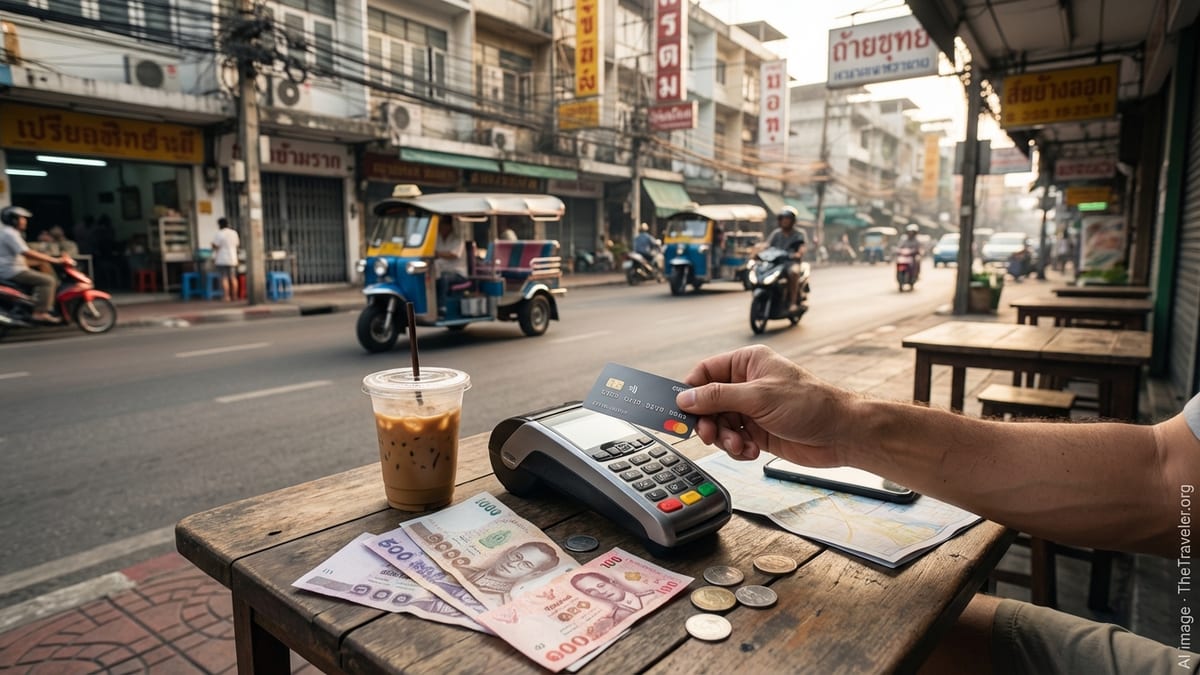
Thailand is still a heavily cash-oriented country, but card acceptance has expanded significantly in recent years, especially in major cities and tourist hubs. International credit cards are widely accepted at hotels, chain restaurants, shopping malls, large supermarkets, and most tour agencies. In Bangkok and other big cities, you can often tap to pay using contactless cards or mobile wallets at convenience stores, mass transit stations, and modern cafes. Outside urban centers and resort zones, however, you should expect to rely more on cash, particularly for local markets, small guesthouses, and street food.
Thai merchants and ATMs typically process foreign cards on the Visa, Mastercard, and to a lesser extent American Express and UnionPay networks. If you carry a card from a major issuer with one of these networks, there is a good chance it will work, though smaller rural businesses may accept only cash. Using a widely recognized network such as Visa or Mastercard minimizes the risk of declined transactions in provincial towns and on islands where payment terminals may be older or less frequently updated.
Digital payments are growing in popularity among residents through local QR code systems, but international tourists are usually better served by sticking to traditional card payments and ATM withdrawals. Some terminals offer the option to pay in your home currency instead of Thai baht through a service called dynamic currency conversion. In almost every case, this option is less favorable because it often hides a larger exchange markup. Choosing to pay in Thai baht is usually the more cost-effective choice.
Because card infrastructure is still uneven outside large cities, travelers should not expect to use a credit card for every purchase. Instead, think of cards as ideal for accommodation, domestic flights, big-ticket excursions, and shopping in malls, while keeping cash on hand for transportation, small restaurants, temples, and local vendors. This perspective will help you size your credit limit needs and choose cards with strong ATM or cash access strategies.
Key Features to Look For in a Travel Card for Thailand
When selecting a travel credit card for Thailand, the single most important feature is the absence of foreign transaction fees. These fees typically add around 3 percent to every purchase made in a foreign currency. Over the course of a two or three week trip filled with hotel stays, tours, and dining, that surcharge can add up to hundreds of dollars. Cards marketed specifically for travel, premium rewards, or international use often waive these fees entirely, which directly translates into savings.
Next, focus on how the card handles exchange rates. Most major networks use competitive wholesale rates that are close to market mid-rates, although small variations can still occur. While you cannot control the precise rate applied on a given day, you can avoid unnecessary markups by declining dynamic currency conversion when offered and always requesting to be charged in Thai baht. Cards that clearly disclose their currency conversion practices and do not layer on extra issuer-level currency fees are preferable.
Rewards structure is another central consideration. Strong travel cards typically award bonus points or miles on categories such as flights, hotels, dining, and general travel purchases. In Thailand, you are likely to spend significantly on local transport, accommodation, and meals, so it can be beneficial to choose a card that either offers high flat-rate rewards on all purchases or enhanced earnings on travel and dining categories worldwide. While you should not overspend just for rewards, choosing a card that matches your natural spending pattern can generate meaningful points for future trips.
Finally, pay attention to practical benefits such as travel insurance, trip delay protections, lost luggage coverage, and purchase protection. Some higher-tier cards bundle primary rental car coverage, though many visitors to Thailand rely more on taxis, ride-hailing, trains, and domestic flights than on rental cars. Global customer support, emergency card replacement, and fraud monitoring are also valuable for international travel. Consider your typical travel style and choose a card whose benefits you can realistically use on the ground in Thailand.
Top Types of Travel Credit Cards for Thailand
Among the broad categories of travel credit cards, general travel rewards cards are often the most versatile for a trip to Thailand. These products earn points on all spending and allow redemptions for flights, hotels, or statement credits. They tend to include no foreign transaction fees, some level of travel protection, and sometimes airport lounge access. For travelers who are not loyal to a single airline or hotel chain, a flexible points card can be the backbone of an international travel strategy.
Airline co-branded credit cards are another strong option, especially if you already favor a particular carrier or alliance that operates frequent flights to Bangkok. These cards can offer free checked bags, priority boarding, and boosted mileage earnings on tickets purchased with the airline. If you are booking long-haul flights from North America or Europe to Thailand, the bonus miles from an airline card can help offset future tickets or upgrades. However, such cards might not always provide the best rewards rate on day-to-day Thailand spending compared with a broad-based travel rewards card.
Hotel co-branded cards can be valuable for travelers planning extended stays at international hotel chains across Bangkok, Phuket, Koh Samui, and Chiang Mai. These cards typically include elite night credits, complimentary status, or annual free-night certificates. Earning points directly with a favored hotel group can make sense if you prefer predictable accommodations and plan much of your trip around chain properties rather than independent guesthouses. The tradeoff is that these cards may provide lower rewards on non-hotel purchases.
For some travelers, especially those on tighter budgets, a simple no-annual-fee card with no foreign transaction fees can be sufficient. While these cards sometimes have fewer premium perks, they eliminate the biggest cost penalty of international travel spending: the foreign transaction surcharge. When combined with a good debit card for ATM withdrawals, a straightforward no-fee travel credit card can offer a cost-effective and low-maintenance solution for a first or second trip to Thailand.
Network Acceptance and Card Technology in Thailand
Visa and Mastercard dominate foreign card acceptance across Thailand. Most payment terminals at hotels, chain restaurants, supermarkets, and big-city retailers are set up to run these networks reliably. If you bring only one credit card, consider choosing a Visa or Mastercard from a major bank, since that combination offers the best balance of acceptance and support. Carrying at least two cards from different issuers and, if possible, different networks gives you a backup if one card is declined or flagged for security reasons.
American Express is accepted at many upscale hotels, international restaurant chains, and luxury retailers in Bangkok and other major tourist centers, but coverage is noticeably thinner at smaller businesses and outside urban areas. If you hold a strong American Express travel card, it can still be worth bringing, particularly for hotel and airline purchases. However, do not rely on an American Express card exclusively. It is much safer to pair it with a Visa or Mastercard that has broader everyday acceptance.
Most modern cards now support EMV chip and often contactless payments. Thailand has widely adopted chip-and-PIN technology, though many merchants will still process chip-and-signature transactions from foreign cards. At large retailers, you will usually be asked to insert or tap your card and then sign or enter a PIN, depending on your issuing bank’s setup. Contactless terminals are increasingly common in Bangkok’s transit systems and convenience store chains, making tap-to-pay a quick way to handle small purchases and metro fares when available.
Mobile wallets such as Apple Pay and Google Pay can work in Thailand if your card issuer supports international digital wallet transactions and if the merchant’s terminal accepts contactless payments. This combination can be convenient for quick purchases and can add a layer of security by tokenizing your card details. That said, not all terminals are enabled for foreign wallet transactions, so it is wise to test with a small purchase first and never rely exclusively on mobile payments without a physical card or backup option.
Fees, Cash Withdrawals, and Saving on FX Costs
Even with the right credit card, fees can erode the value of your trip budget if you are not careful. Besides foreign transaction fees, pay attention to cash advance fees and interest rates. Using a credit card to withdraw cash from ATMs in Thailand will often be treated as a cash advance, triggering immediate interest charges and a separate cash advance fee from your bank. On top of that, Thai banks commonly charge a fixed fee per withdrawal for foreign cards, which can be substantial relative to small withdrawal amounts.
To minimize these costs, it is generally best to rely on a dedicated debit card with low international ATM fees for cash withdrawals and reserve your credit card for point-of-sale purchases, online bookings, and emergencies. If you must use a credit card for cash, withdrawing fewer, larger amounts can sometimes be cheaper than multiple small withdrawals, but you will still face advance fees and interest. Carefully review your card’s terms before the trip so there are no surprises when you check your statement.
On the foreign exchange front, the biggest avoidable cost is dynamic currency conversion at terminals and ATMs. Many machines will offer to convert your transaction into your home currency on the spot. This might seem convenient, but the conversion rates used are usually significantly worse than those your card network would apply if you chose to be charged in Thai baht. Selecting Thai baht as the billing currency almost always yields a more favorable effective rate, even after ordinary card network spreads.
Another subtle cost consideration is merchant surcharging. Certain businesses may add a small percentage fee for credit card payments, particularly on higher-value transactions such as tour packages. While not universal, it is worth asking in advance at smaller agencies or shops if they apply a card surcharge and comparing the total price to a cash payment. In some cases, paying cash may be cheaper, even if you miss out on a modest amount of card rewards.
Security, Fraud Protection, and Safe Card Use in Thailand
Modern travel credit cards usually have strong fraud monitoring and zero-liability guarantees, which are critical safeguards when using cards abroad. Still, practical habits on the ground in Thailand can greatly reduce your exposure to card theft or misuse. Always keep your cards within sight during transactions whenever possible. In many restaurants, staff will bring a portable terminal to your table rather than taking the card away, but in smaller venues this might not be the case. If your card must leave your sight, check receipts carefully afterward and monitor online transaction alerts.
ATMs attached to bank branches in well-lit, busy areas tend to be safer than isolated machines. Skimming devices and hidden cameras, while not widespread, do appear in tourist areas in many countries, and Thailand is no exception. Before inserting your card, look for any unusual attachments on the card slot or keypad and cover your hand when entering a PIN. Using a credit card primarily for purchases and a separate debit card for cash also minimizes the damage if one card is compromised.
Before departing, inform your card issuers of your travel plans using their website or mobile app if they still recommend travel notifications. Many now rely on real-time fraud algorithms and may not require advance notice, but checking their current policy can prevent unnecessary declines. Also confirm emergency contact numbers that work from Thailand, including international toll lines and any collect-call options. Storing these numbers separately from your physical cards can be helpful if your wallet is lost or stolen.
In the event of loss, theft, or suspected fraud, contact your issuer as soon as possible to block the card and arrange a replacement or emergency cash support if your card offers that service. Save digital copies of your card front and the customer service information, but never store full card numbers and security codes in unsecured notes or email. Combining solid card issuer protections with careful personal habits will allow you to use credit cards comfortably throughout Thailand.
Practical Strategies for Maximizing Card Value in Thailand
Beyond simply avoiding fees, there are practical ways to get more value from your travel credit cards in Thailand. One strategy is to align your card’s bonus categories with your expected spending mix. If your itinerary includes several domestic flights, higher-end hotels, or resort stays, a card that offers extra points on travel bookings can generate substantial rewards. For travelers planning to eat frequently at restaurants and cafes, a card that rewards dining worldwide can turn everyday meals and coffee runs into meaningful points.
It can also be effective to use different cards for distinct expense types. For example, you might use a premium travel rewards card for flights, hotels, and major tours to take advantage of insurance benefits and elite perks, while using a flat-rate card for general purchases like souvenirs and convenience store items. This approach requires some organization but can optimize both rewards and protections. Just be sure you can keep track of which card is used for what, and avoid carrying more cards than you can securely manage.
Redeeming rewards thoughtfully is another way to maximize value. Some flexible points programs allow you to transfer points to airline or hotel partners, which can stretch their value on long-haul flights to and from Thailand or on high-demand hotel nights in Bangkok and popular beach areas. Even if you do not use complex redemption strategies, applying points as statement credits against travel purchases can effectively reimburse a portion of your trip expenses.
Finally, factor in the annual fee of any premium card. For frequent travelers to Asia, the value of benefits such as airport lounge access, credits for travel purchases, and enhanced insurance may easily outweigh the cost. For occasional visitors, a simpler no-fee travel card might make more sense. Reviewing your travel habits over the past year or two, as well as realistic plans going forward, will help you decide whether the extras on a high-fee card justify the expense.
The Takeaway
Choosing the best travel credit card for Thailand is less about chasing a single perfect product and more about matching card features to your personal travel style. A strong option will reliably waive foreign transaction fees, use fair exchange rates when charging in Thai baht, and provide solid rewards on the categories where you naturally spend most. Coupled with at least one backup card and a good debit card for cash, this foundation offers both convenience and cost savings throughout your trip.
Understanding how cards are accepted in Thailand, where you will need cash, and how to avoid unnecessary fees or currency conversion traps is just as important as the specific card brand you carry. Visa and Mastercard tend to be the most widely accepted networks, while American Express can be valuable but should not be your only option. Contactless payments and mobile wallets are increasingly available in urban centers, but traditional chip transactions remain essential, especially outside major cities.
By pairing thoughtful card selection with good security practices, you can enjoy the benefits of fraud protection, travel insurance, and rewards while minimizing risk. Whether you are planning your first backpacking journey across Southeast Asia or returning for a relaxed beach holiday, a well-chosen travel credit card portfolio can help your money go further and your trip feel smoother from the moment you land in Thailand to the day you fly home.
FAQ
Q1. Do I really need a travel credit card for Thailand, or is cash enough?
While you could rely only on cash, a travel credit card makes hotel, flight, and many restaurant payments easier and safer, and it can provide rewards and protections that cash cannot.
Q2. Which card networks work best in Thailand?
Visa and Mastercard have the broadest acceptance across Thailand, with American Express accepted mainly at larger hotels, international chains, and upscale retailers in major cities.
Q3. Is it safe to use contactless and mobile wallet payments in Thailand?
Contactless and mobile wallet payments are generally safe where terminals support them, especially in big cities, though you should always keep a physical card and some cash as backup.
Q4. How can I avoid high foreign transaction and currency conversion fees?
Choose a card with no foreign transaction fees, ask to be charged in Thai baht rather than your home currency, and decline dynamic currency conversion at terminals and ATMs.
Q5. Should I use my credit card to withdraw cash from ATMs in Thailand?
Using a credit card at ATMs usually counts as a cash advance with immediate interest and fees, so it is better to use a low-fee debit card for cash withdrawals when possible.
Q6. What should I do if my card is lost or stolen in Thailand?
Contact your issuer immediately using their international support number, report the loss, request a block on the card, and ask about emergency replacement or cash assistance options.
Q7. Are small shops and street-food stalls likely to accept credit cards?
Many small shops, market vendors, and street-food stalls remain cash-only, so even with a good travel credit card you should carry enough Thai baht for everyday small purchases.
Q8. Will my chip-and-signature card work in Thailand?
Yes, most terminals in Thailand can handle chip-and-signature cards, though you may occasionally be asked for a PIN or to show identification for security reasons.
Q9. How many travel credit cards should I bring on a trip to Thailand?
Bringing two cards from different issuers, ideally on different networks, provides a useful backup if one is lost, stolen, or temporarily declined, without overcomplicating your wallet.
Q10. Can I earn good rewards on everyday spending in Thailand?
Yes, if you choose a card with strong travel or dining bonuses or a solid flat-rate rewards structure, your normal spending on hotels, transport, and meals in Thailand can generate valuable points or miles.