

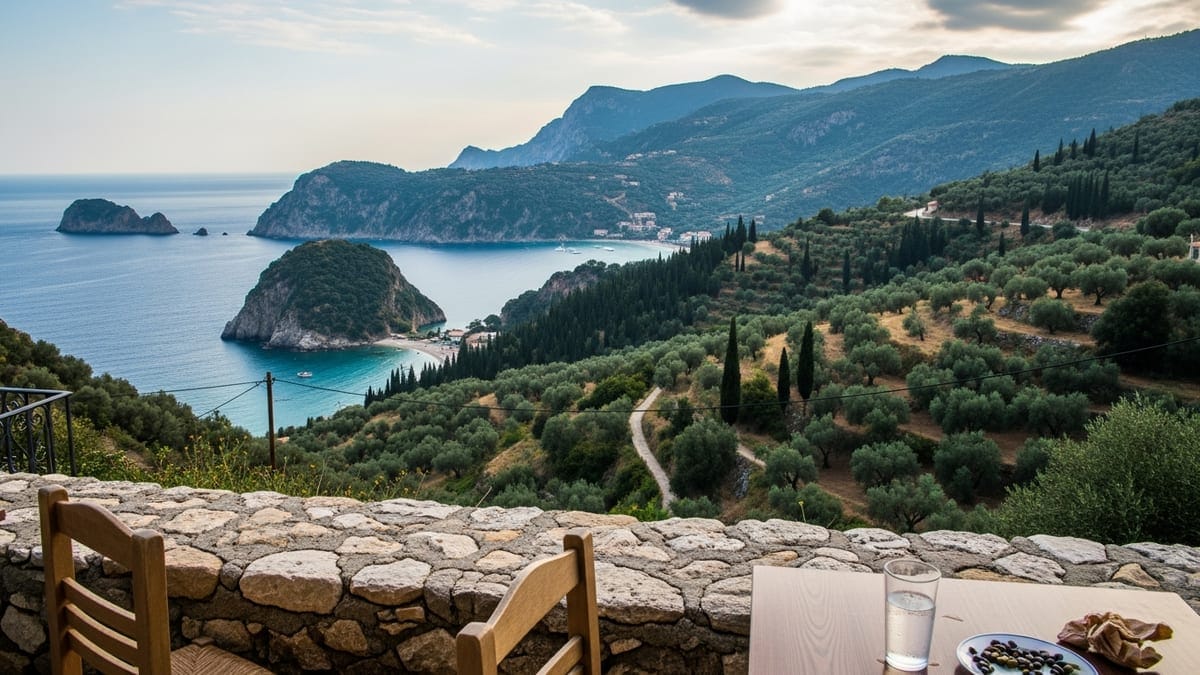
Paleokastritsa, on the west coast of Corfu, is famed for its iridescent coves and celebrity-blue water, but there is far more to this corner of the island than sun loungers and speedboats. Clifftop monasteries, hill villages, fortress ruins and olive-scented walking trails offer a quieter, more characterful side of the resort. Whether you are escaping peak-season crowds or visiting in the shoulder months when the sea feels cool, there are rich ways to experience Paleokastritsa beyond the beach towel.
Explore the Spiritual and Cultural Heart of Paleokastritsa
Long before Paleokastritsa became a postcard beach resort, it was a place of pilgrimage and local devotion. Today, the area’s monasteries, chapels and small museums offer a chance to step back into this more contemplative past. Devoting half a day to these sites reveals how the landscape shaped local faith and folklore, and it offers some of the most atmospheric views in the region.
Paleokastritsa Monastery and its Hilltop Views
Perched on a promontory high above Agios Spiridon Bay, the Monastery of the Virgin Mary of Paleokastritsa is one of Corfu’s oldest religious foundations, with origins in the 13th century and later buildings dating from the 18th century. A stone gateway leads into a tranquil courtyard scented with jasmine and framed by bougainvillea, while small cloisters open onto quiet corners for reflection.
Inside, you can see Byzantine and post-Byzantine icons, ecclesiastical silver and a traditional olive press that hints at the monastery’s historic role in local agriculture. The church, rich with gold-toned iconostasis and flickering lamps, is still a working place of worship, so modest clothing is expected. From the surrounding terraces, the view sweeps across the entire bay, with the sea shifting from emerald in the shallows to deep sapphire offshore.
Small Chapels and Quiet Corners of Faith
Beyond the main monastery, the Paleokastritsa area is dotted with tiny chapels and wayside shrines that reflect centuries of seafaring and rural life. As you walk inland or along lesser-used paths, you will pass whitewashed chapels dedicated to local saints, often unlocked and open to visitors.
Stepping inside one of these chapels offers a different perspective from the grand hilltop monastery. Simple painted icons, hand-embroidered cloths and bunches of fresh flowers left by villagers speak of a lived, everyday spirituality. Visiting in the late afternoon, when the sun slants through small windows and bells carry faintly across the hills, gives a sense of continuity between today’s resort and Corfu’s more traditional past.
Walk Ancient Paths and Hillside Trails
Paleokastritsa is hemmed in by steep, olive-cloaked hills that invite exploration on foot. For active travelers, walking is one of the most satisfying ways to get beyond the resort strip and into landscapes that still feel largely local. Ancient mule tracks, sections of the Corfu Trail and informal paths connect villages, chapels and viewpoints, rewarding a little exertion with far-reaching views and genuine encounters.
Climb the Donkey Path to Lakones
One of the classic walks from Paleokastritsa is the so-called Donkey Path, a steep, shaded route that climbs from the resort to the hill village of Lakones. Allow around 30 to 45 minutes for the ascent, depending on your fitness and how often you pause to look back at the water below. The path weaves through terraces of olives and cypresses, offering cooling shade in summer and a chorus of cicadas.
At the top, Lakones is often described as the “Balcony of Paleokastritsa” for its commanding views across the bays. Traditional stone houses line the narrow lanes, while small cafes and tavernas offer front-row seats over the sea. This is a fine place to linger over a late breakfast or early lunch, combining the satisfaction of a short hike with village life and some of the best panoramas on Corfu.
Hike from Paleokastritsa towards Palaiochora Ruins
On the opposite side of the main bay from the monastery, a lesser-known path climbs towards the ruins of Palaiochora, once a fortified settlement that guarded this part of the coast. The route is not as clearly marked as the Donkey Path, but green arrows and occasional cairns help guide you up through scrub and old olive groves. Good shoes and plenty of water are essential, particularly outside the cooler months.
At the top, the remains of walls and foundations are modest, but the sense of elevation is dramatic. You look down over the monastery and beaches, with the coastline folding away north and south in headlands and inlets. On clear days, the horizon stretches unbroken across the Ionian, and the only sounds are wind in the trees and distant boat engines echoing off the cliffs.
Follow Sections of the Corfu Trail near Liapades
To the south of Paleokastritsa, the traditional village of Liapades is a gateway to more sustained walking. The long-distance Corfu Trail threads through this area, and short sections can be sampled as day walks without committing to the full route. Paths run through vineyards and citrus groves, past small chapels and out to hidden coves below dramatic cliffs.
Using Liapades as a starting point, you can create a circular walk that combines inland lanes with coastal viewpoints, stopping in the village square for a coffee or local sweet. This kind of walking reveals a gentler, agricultural Corfu still powered by olive oil and family plots, in sharp contrast to the busy resort beaches just a few kilometers away.
Discover Hill Villages and Local Life
One of the most rewarding ways to experience Paleokastritsa beyond its seafront is to venture into the hillside villages that look down on the coast. These communities were long established before mass tourism, and many still revolve around narrow lanes, small squares and seasonal agriculture. Visiting them, especially outside the midday heat, gives a feel for the rhythms of Corfiot life.
Lakones: Balcony of Paleokastritsa
Lakones sits high above the bay on the slopes of a green ridge, its cluster of ochre and stone houses threaded together by alleys barely wide enough for a scooter. The village square is shaded by a plane tree, and traditional tavernas serve local dishes along with views that have made this one of Corfu’s most photographed outlooks.
Spend an hour or two wandering the back lanes, where elderly residents chat outside doorways and flower pots spill geraniums onto stone steps. From several cafes and dedicated viewpoints, you can see the full compass of Paleokastritsa’s coves below, the water grading through a dozen shades of blue as it deepens. Arriving on foot along the Donkey Path adds a sense of arrival that driving cannot match.
Makrades and Its Traditional Products
A short drive inland from Paleokastritsa brings you to Makrades, a small mountain village that feels far removed from the coast. Its main street is lined with stalls and small shops selling locally made goods, from kumquat liqueur and honey to herbal teas and olive-wood carvings. While some of the displays cater to visitors, many of the products come from family-run farms and workshops.
Makrades is also a fine place to try hearty Corfiot cooking in a taverna that serves slow-cooked meat, seasonal vegetables and dishes flavored with wild herbs from the surrounding hills. Combined with a visit to nearby villages or a detour towards Angelokastro, it makes an easy inland excursion that shows another facet of the island.
Krini and Village Life on the Edge of the Cliffs
Krini is a compact hill village near the dramatic ruins of Angelokastro fortress. Stone houses gather around narrow streets, and there is a quiet main square where you can sit with a coffee before or after exploring the castle. Small family-run shops in the area offer home-produced olive oil, wine and liqueurs, often at prices that encourage you to take a taste of Corfu home.
Because Krini sits close to the island’s west-facing cliffs, sunsets here can be spectacular, with the sun dropping directly into the Ionian Sea. Arriving in the late afternoon allows time to explore Angelokastro, visit a taverna, and then watch the light fade into deep cobalt before returning to Paleokastritsa.
Liapades: Authentic Village Atmosphere near the Coast
Just a few kilometers from Paleokastritsa, Liapades spreads across the lower slopes of Mount Kourkouli and down towards the sea. Although it has its own small beach, the heart of Liapades is inland, where narrow streets converge on a modest village square and everyday life continues largely on local terms.
This is an appealing place to wander without an agenda. Churches in different architectural styles, old stone houses and glimpses into courtyards give a sense of a village that predates and outlasts the tourist season. Stopping for a drink or simple meal here, especially in the evening when locals gather outside, can feel far removed from the busier waterfront scenes.
Step into Corfu’s Medieval Past at Angelokastro
Towering above the northwest coast, Angelokastro is one of Corfu’s most compelling historic sites and lies within easy reach of Paleokastritsa. The ruined fortress occupies a dramatic crag high above the sea, offering extraordinary views and a tangible sense of the island’s strategic importance during centuries of conflict between powers of the Mediterranean.
Visiting the Cliff-Top Castle
From the road above Krini, a steep but short path leads up to the gateway of Angelokastro. The climb takes about 10 to 20 minutes depending on your pace, and it is worth tackling early in the day or later in the afternoon to avoid the strongest heat. At the summit, low stone walls, cisterns and fragments of buildings suggest the former strength of the fortress that once guarded shipping routes and protected inland villages from pirate raids.
The views are the real prize. Sheer drops fall away on three sides, with the coastline unfolding towards Paleokastritsa and beyond, while on clear days you can glimpse distant islands and even the mainland. The sense of exposure and the constant wind make the castle feel alive with history, even though only ruins remain. Allow at least an hour to wander, take photographs and simply absorb the panorama.
Combining Angelokastro with Village and Tasting Stops
Many visitors combine Angelokastro with visits to nearby Krini and Makrades, creating a varied half-day excursion away from the beach. After exploring the fortress, you might stop in Krini to sample homemade olive oils, wines or liqueurs, or continue to Makrades to browse stalls for local honey and preserves.
Lunch in a village taverna turns the outing into a leisurely exploration of inland Corfu, pairing history and landscape with food traditions rooted in the surrounding farmland. For those staying in Paleokastritsa without a car, local tour operators and taxis can arrange round trips that include several stops and leave time to linger.
Sample Olive Oil, Wine and Local Flavors
Corfu’s west coast is carpeted with olives and dotted with small vineyards, and Paleokastritsa is well placed for visitors who want to taste this agricultural heritage. From roadside stalls to organized tastings at farms and estates, there are many ways to include food and drink discovery in your stay, especially on days when the weather is less suited to swimming.
Olive Oil Experiences in the Paleokastritsa Hinterland
Ancient, gnarled olive trees dominate much of the landscape around Paleokastritsa, their silvery leaves filtering the sunlight across terraced hillsides. Many local families still produce olive oil on a small scale, and some welcome visitors for informal tastings. In these simple settings, you learn how olives are harvested, pressed and stored, and you can compare different oils by dipping fresh bread or vegetables.
Some estates within driving distance offer more structured tours that explain traditional stone presses as well as modern cold-extraction techniques. Visiting outside the main harvest season allows for a more relaxed experience, while those who arrive in late autumn or early winter may see the process in full swing. Bottles of high-quality, low-acidity oil make excellent souvenirs that reflect the region’s deep-rooted cultivation.
Wine Tasting and Local Liqueurs
While Corfu is better known for olives than wine, small vineyards dot the hills near Paleokastritsa, and several producers offer tastings by appointment or as part of organized excursions. White and rosé wines, suited to the island’s seafood and sunshine, are common, alongside some light reds. Tasting sessions often pair wines with simple meze plates, allowing you to try local cheeses, cured meats and olives.
Alongside wine, Corfu has a strong tradition of liqueurs, especially those flavored with kumquat, a citrus fruit introduced to the island in the 19th century. Shops in villages such as Makrades and Krini frequently stock bottles produced on family recipes, alongside other flavors such as cherry or fig. Sampling a small glass after lunch in a hilltop taverna is very much in keeping with local custom.
Cooking Classes and Market Visits
For travelers who want to go beyond tasting to learn how dishes are created, informal cooking classes are an increasingly popular option on Corfu. From bases in or near Paleokastritsa, some hosts offer sessions that begin with a visit to a local market or farm stand, followed by an afternoon preparing Corfiot recipes in a home kitchen or small workshop setting.
Typical menus might include sofrito, a garlicky veal stew, or pastitsada, a rich pasta dish, along with vegetable sides built around seasonal produce. Participation often ends with a communal meal paired with local wine, turning the lesson into a sociable evening that deepens your connection with the island’s flavors.
Enjoy Low-Key Adventure on and Under the Water
Even if you are avoiding the classic beach experience, the sea is an integral part of Paleokastritsa’s appeal. Its karst cliffs, submerged caves and clear water create opportunities for low-key adventure that emphasize exploration over simple sunbathing. Many of these activities are best enjoyed in the morning or late afternoon, when the light is soft and boat traffic thins.
Self-Drive Boat Exploration Without the Crowds
One of the most flexible ways to experience the coastline beyond the main bays is to hire a small self-drive boat, which does not require a license for modest engine sizes under Greek regulations. Rental operators typically provide a short briefing on navigation, safety and local restrictions, then you are free to follow the coast at your own pace.
Away from the busiest hours, you can nose into sea caves, discover pocket coves inaccessible on foot and anchor in clear water to swim without a line of umbrellas in sight. Exploring in the shoulder months or outside peak midday heat not only feels more adventurous but more comfortable, with softer sunlight illuminating the rock formations that give Paleokastritsa its drama.
Snorkeling and Introductory Diving
The steep underwater topography around Paleokastritsa means that fish, sponges and rock formations are close to shore, making snorkeling particularly rewarding. Many coves offer sheltered conditions on calm days, and local operators rent equipment for those who prefer not to travel with their own. Simple reef fish, octopus and underwater cliffs are common sights, especially along quieter sections of coastline.
For those interested in going deeper, diving centers in or near Paleokastritsa run introductory dives and full courses that explore caves, drop-offs and underwater arches. Visibility can be excellent in settled weather, and water temperatures from late spring to early autumn are usually comfortable in standard wetsuits. These experiences provide an entirely different view of the same cliffs and promontories seen from above.
Kayaking and Stand-Up Paddleboarding
When conditions are calm, sea kayaking and stand-up paddleboarding are ideal ways to skirt the base of the cliffs at a human pace. Guided tours often depart in the morning and follow the coastline, slipping into caves and beneath overhangs that larger boats cannot reach. From a low angle on the water, the height of the rocks and the clarity of the sea become even more striking.
For more independent travelers, renting a kayak or board for a few hours allows you to design your own route, provided you stay aware of boat traffic and changing wind. Paddling in the golden hour, when cliffs glow and the sea reflects warm light, can be a highlight of a stay in Paleokastritsa for those who prefer active experiences to beach bars.
Seek Out Viewpoints, Sunsets and Quiet Corners
The rugged relief around Paleokastritsa lends itself to viewpoints and sunset spots that reward those willing to climb a little higher or linger a little longer. Instead of racing from beach to beach, you might structure a day around light and perspective, discovering how the same bays look utterly different from hilltop terraces, ruined hotels and clifftop benches.
Oceanis Viewpoint and the Ruins of a Seaside Hotel
Along the main coastal road between the monastery peninsula and La Grotta, the abandoned shell of the former Hotel Oceanis stands above the water. Although care is needed among the broken glass and graffiti, the rooftop and terraces have become an informal viewpoint over the main bay. From here, you can see boats drifting in and out of the coves and swimmers threading through the shallows.
Photographers often favor this spot early or late in the day, when the low sun picks out the textures of the cliffs and turns the water into sheets of silver and turquoise. The stark concrete skeleton of the hotel contrasts sharply with the natural beauty around it, offering an unexpectedly compelling subject in itself.
Bella Vista and Other Panoramas from Lakones
As well as its general village views, Lakones is home to specific viewpoints often grouped under the label Bella Vista. Several cafes and terraces have positioned themselves to maximize the sweeping outlook over Paleokastritsa, with seating that seems to hang over the drop. On clear days, you can trace the curves of each bay, the pattern of boats and even individual beaches far below.
Visiting Bella Vista in late afternoon, then staying on through sunset, lets you watch the light move from dazzling midday glare to pastel reflections and finally to deep blue dusk. With a drink or dessert in hand, it is one of the most relaxed but memorable ways to end a non-beach day in the area.
Sunset from Angelokastro and the Western Cliffs
For drama, few sunset experiences on Corfu can rival those from the vicinity of Angelokastro. Whether you choose to be within the fortress itself earlier in the evening or at a taverna in nearby Krini or along the clifftop road, the westward orientation means you have an uninterrupted view of the sun sinking into the Ionian.
On some evenings, low clouds catch the light in successive layers of gold and rose, while the sea darkens to navy and the outlines of headlands sharpen. Even outside midsummer, this is a spectacle worth planning around, particularly if your visit coincides with clear weather and a gentle breeze.
The Takeaway
Paleokastritsa’s beaches have earned their fame, but treating the resort as a simple sun-and-sea stop undersells what this corner of Corfu can offer. Hill villages such as Lakones, Makrades, Krini and Liapades preserve a quieter, slower-paced life, while monasteries, chapels and fortress ruins link the modern resort to centuries of faith and conflict. Walking ancient paths, tasting olive oil in shaded groves, or watching the day’s last light from a clifftop cafe can be as rewarding as any swim in turquoise water.
By balancing time on the shore with forays inland and uphill, you give Paleokastritsa room to reveal its depth. The result is a visit that feels less like a stay at a beach resort and more like a brief immersion in one of Corfu’s most characterful landscapes, where sea, stone and olive trees shape every view and experience.
FAQ
Q1. Is Paleokastritsa worth visiting outside the main summer beach season?
Yes. Spring and autumn are excellent times to visit Paleokastritsa if you are interested in walking, village life and viewpoints. The weather is milder, trails are more comfortable, and hill villages and monasteries are quieter, though some beach-focused services may have shorter hours.
Q2. Do I need a car to explore villages like Lakones, Makrades and Krini from Paleokastritsa?
A car makes exploring easier, but it is not essential. Lakones can be reached on foot via the Donkey Path, while local taxis and organized excursions serve Makrades, Krini and Angelokastro. Confident drivers may enjoy renting a small car to navigate the narrow, winding roads at their own pace.
Q3. How difficult are the hikes around Paleokastritsa?
Most popular hikes, such as the Donkey Path to Lakones or the climb to Angelokastro from the car park, are short to moderate in length but can be steep. Good shoes, water and sun protection are important. Longer routes that follow sections of the Corfu Trail require more stamina and basic navigation skills.
Q4. Can I visit the Paleokastritsa Monastery with children?
Yes. The monastery is suitable for families, with manageable walking distances and safe, enclosed courtyards. Children should be reminded to move quietly and respectfully inside the church. Modest dress is required for all visitors, and shoulders and knees should be covered.
Q5. Are there guided tours of Angelokastro and the surrounding villages?
Several local agencies and independent guides offer half-day or full-day tours that include Angelokastro, Krini, Makrades and sometimes Lakones. These tours typically combine historical commentary with stops for tastings or village walks, and can be a good option if you prefer not to drive.
Q6. What should I wear for visiting villages and religious sites near Paleokastritsa?
Light, breathable clothing and comfortable walking shoes are ideal for villages and trails. For monasteries and chapels, shoulders and knees should be covered, and very revealing beachwear is not appropriate. A scarf or light shawl can be useful if you are coming straight from the coast.
Q7. Can I book food or olive oil tastings in advance?
Many small producers and estates prefer or require advance booking, especially in busy months or for more in-depth tours. Local accommodation hosts, tourist information points and excursion offices in Paleokastritsa can help arrange tastings and experiences tailored to your interests.
Q8. Is self-drive boat rental safe for beginners?
Self-drive boats offered along the Paleokastritsa waterfront are designed for inexperienced users, and operators provide basic instruction before departure. Staying within the recommended coastal zone, respecting no-go areas and watching weather conditions are key to a safe outing. If you are unsure, you can opt for a skippered boat trip instead.
Q9. Are there options for non-beach activities on days with rough seas or cooler weather?
Yes. On days when swimming is less appealing, you can focus on hill villages, monastery visits, Angelokastro, inland walks, olive oil or wine tastings, and cooking classes. These activities are largely independent of sea conditions and can turn less-than-perfect beach weather into some of your most memorable experiences.
Q10. How many days should I spend in Paleokastritsa if I want to explore beyond the beaches?
Allowing at least three full days gives time to combine beaches with inland exploration. With four or five days, you can comfortably visit multiple villages, tackle several walks, enjoy a boat outing and see Angelokastro without rushing, leaving room for unplanned stops and lingering over long hillside lunches.