

More news on this day
From Colorado’s high peaks to California’s Sierra, skiers in bikinis are carving slushy slopes under cloudless skies this March, a striking image of record warmth reshaping the American ski season.
Get the latest news straight to your inbox!
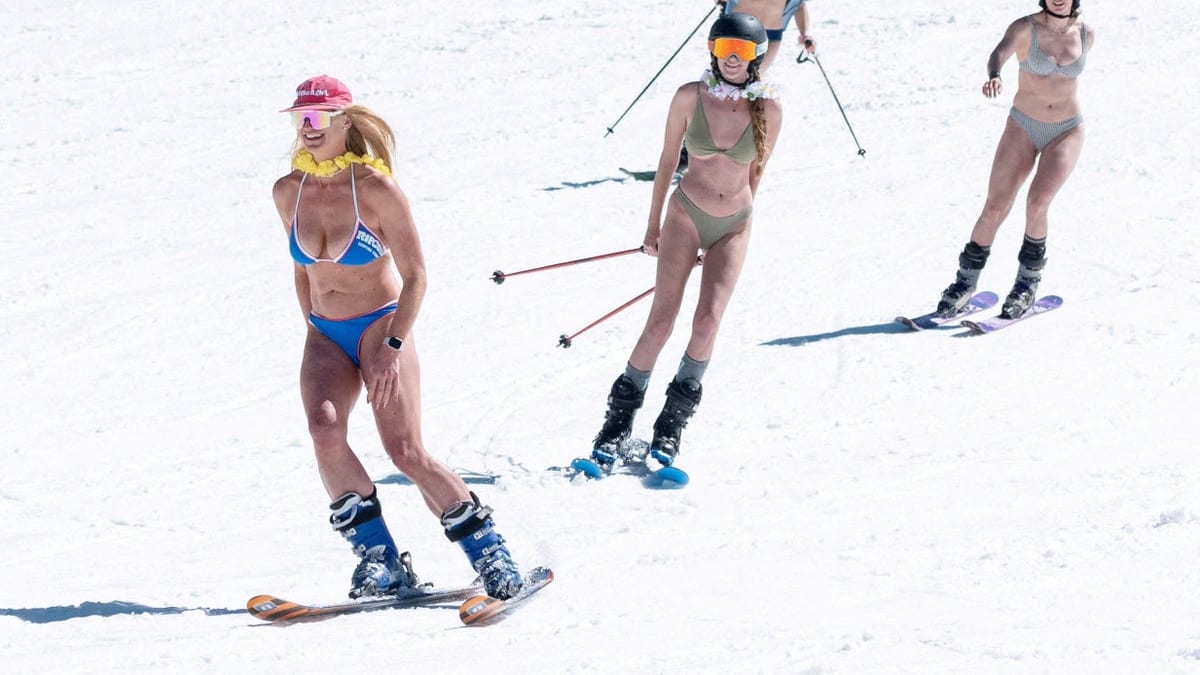
Image by The Independent News & Advice
Heat Dome Turns Spring Skiing Into T‑Shirt Weather
Publicly available weather data and mountain webcams show widespread March temperatures running 20 to 30 degrees Fahrenheit above seasonal norms across many Western ranges, turning traditional late-winter powder into soft, sunbaked snow. A recent analysis from a popular ski-forecasting outlet reported that nearly every major resort in the West is under the influence of an early spring heat wave, with freezing levels pushed well above mid-mountain elevations.
At Colorado’s Arapahoe Basin, images distributed by global photo services in late March show groups of friends riding chairlifts and skiing in swimsuits and shorts as base-area temperatures climb into the upper 50s Fahrenheit. The high-elevation resort is known for festive spring scenes, but observers note that this year’s timing, arriving before April, feels unusually early and intense compared with typical years.
Similar patterns are being documented at other Western destinations. Travel and outdoor outlets covering Utah and California report slushy, patchy lower runs and snowcats grooming around bare ground, even as upper elevations hang on to a thinner-than-usual snowpack. Social media posts from skiers across Colorado, Tahoe and the Pacific Northwest describe closing days spent in lightweight layers, ball caps and even swimwear, with some lifts running over broad stretches of exposed soil and rock.
While spring skiing is traditionally associated with warmer afternoons and softer snow, long-time riders commenting on regional forums describe this season’s combination of heat, rain and thin bases as “not natural,” contrasting it with past Marchs that typically offered a mix of powder days and classic corn-snow conditions.
Record-Warm Winter Leaves Margins of Snowpack Exposed
Climatology summaries released this month indicate that the December through February period ranked among the warmest U.S. winters on record, with the western half of the country standing out in particular. A recent assessment focused on ski states found that several key regions from the Sierra Nevada to parts of the Rockies experienced far below-average snowfall and persistently elevated temperatures during what should be the coldest part of the year.
Coverage from niche ski-industry publications notes that the same pattern has now extended into March, eroding snowpack at lower and mid elevations and leaving many resorts reliant on expert grooming and snow-farming techniques to keep main arteries open. Drone and roadside photography from Utah’s Wasatch Range and Colorado’s I‑70 corridor show ribbons of white snaking down otherwise brown mountainsides, a visual at odds with traditional postcard images of deep, continuous snow.
In the Pacific Northwest, some areas that often tout late-closing dates have announced temporary shutdowns or significantly reduced terrain due to rain and accelerated melt. In the Sierra, community messages circulated by local hills around Lake Tahoe cite “unseasonably warm temperatures” as a key factor in bringing the 2025–26 season to an early end, even at resorts that typically extend operations well into April.
Not all regions have fared poorly. Reporting from New England this week highlights that many northeastern mountains enjoyed one of their strongest winters in years, with early snowfalls and sustained cold providing robust coverage. Yet even there, operators are pivoting swiftly toward spring schedules as visiting patterns shift with the first warm spells, underscoring how sensitive business models are to the shoulder seasons on both ends of winter.
Resorts Adapt With Grooming, Snow Farming and Flexible Closures
Faced with slush, bare patches and daytime highs more reminiscent of May, U.S. resorts are leaning heavily on snow-management tactics to stretch out a challenging season. Public radio coverage from Utah this week detailed how snowcat drivers are working long overnight shifts to redistribute snow, pull coverage from closed runs and strategically knit together thoroughfares, particularly on south-facing slopes that receive intense sun.
Resort communications and local reporting from Colorado describe similar strategies. Managers have reduced open trail counts, closed certain lower-elevation connectors and reallocated their remaining base to higher-traffic routes and terrain parks. In many cases, snowmaking systems that were crucial early in the season now sit idle, as temperatures no longer dip below freezing for long enough overnight to support efficient production.
Travel-advisory pieces aimed at late-season visitors emphasize that ski experiences are becoming increasingly time-sensitive over the course of a warm day. Morning sessions may offer firm, fast surfaces at upper elevations, while afternoons bring heavy, wet snow and standing water near the base. Travelers are being urged to check daily reports closely, plan breaks around the softest conditions and prepare for rapid changes as temperatures rise.
Some mountains, particularly smaller and independent hills, have opted for earlier-than-planned closing dates, citing both deteriorating surfaces and dwindling demand as many guests pivot to biking, hiking and other warm-weather pursuits. Others, especially those at higher altitude, are signaling that they hope to keep at least a handful of upper-mountain runs spinning into April, though observers note that much will depend on whether the current heat pattern eases.
Bikini Skiing Becomes a Viral Symbol of a Changing Winter
Images of skiers and snowboarders in bikinis, board shorts and brightly colored costumes have long been part of the folklore of spring closing days, but this year they are surfacing earlier and more frequently. Photo agencies and lifestyle outlets have circulated galleries from Colorado and the Pacific Northwest showing crowded decks, sunbathing at base lodges and terrain parks populated by riders wearing outfits more typical of a beach than a mountain town.
On social platforms dedicated to skiing and snowboarding, users are sharing clips from closing weekends where thermometers reached the upper 60s Fahrenheit, prompting comments about feeling like they were “skiing in underwear” and joking comparisons to pool parties. While many celebrate the festive atmosphere, others point out that such scenes are unfolding against a backdrop of thin snowpack, rain-soaked trails and, in some cases, visible mud lines cutting across popular runs.
Environment-focused discussion boards have picked up the bikini-skiing images as a shorthand for broader concerns about the future of winter recreation. Contributors link the current heat wave to longer-term warming trends documented by climate scientists, warning that marginal conditions at lower elevations are likely to become more frequent. Some users argue that the cheerful, viral aesthetic of swimwear on snow risks obscuring how precarious the underlying snow base has become in many regions.
Even within the ski community, reactions are mixed. While many riders embrace the chance to shed layers and enjoy a party-like sendoff to the season, seasoned locals posting on regional forums contend that the rapid shift from midwinter to summer-like conditions in a matter of days feels unsettling. They describe the 2025–26 winter in parts of the West as another data point in a series of increasingly erratic and abbreviated cold seasons.
Travel Planning: What Spring Skiers Should Expect Now
For travelers eyeing a last-minute ski trip, the current pattern means expectations may need to be recalibrated. Destination guides published over the past week advise prioritizing higher-elevation resorts, north-facing terrain and mountains known for deep snowpacks when booking late-March and early-April getaways. They also suggest that visitors prepare for a blend of sports and summer-like leisure, packing sunscreen and light clothing alongside helmets and goggles.
Reports from recent weekends indicate that many Western resorts are offering a distinctly spring-flavored experience: limited but carefully maintained terrain, slushy bumps in the afternoon and lively après scenes on sun-soaked patios. Travelers arriving with an eye toward powder may be disappointed, but those who enjoy park laps, soft snow and long lunches outdoors are still finding value, particularly on cooler or partly cloudy days that slow melting.
At the same time, published coverage emphasizes that the bikini-clad images circulating online do not capture the full picture. Behind the scenes, snowmaking teams, groomers and planners are working to adapt to a climate in which “normal” is shifting. Industry analyses from recent seasons suggest that while total skier visits have at times remained resilient, the operational challenges and costs associated with shorter, less predictable winters continue to mount, especially for lower-elevation and smaller, independent hills.
For now, the closing weeks of March 2026 are delivering some of the most visually striking, if meteorologically disconcerting, scenes of the season: bright sun, near-summer temperatures and skiers in bikinis threading their way through islands of snow that hint at how fragile the future of winter tourism may become.