

More news on this day
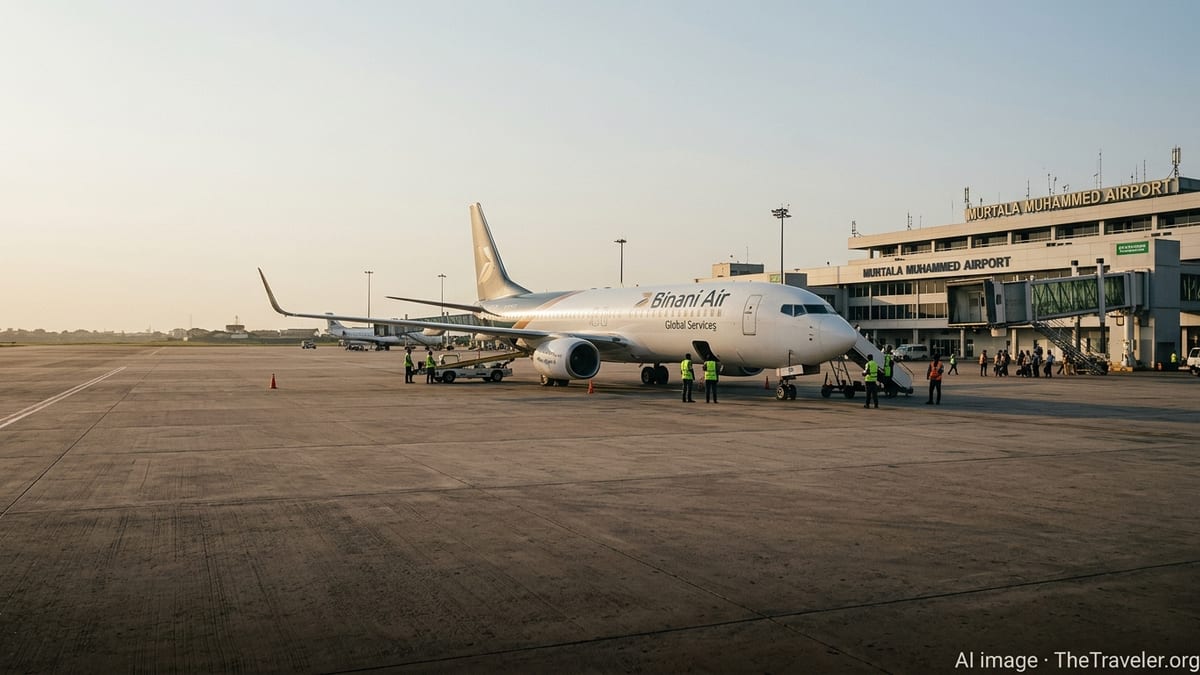
Binani Air Global Services has received an Air Operator Certificate from the Nigerian Civil Aviation Authority, positioning the emerging carrier to compete in the country’s fast-evolving aviation market and support plans to grow tourism across Nigeria.
Get the latest news straight to your inbox!
New Entrant Joins a Rapidly Changing Nigerian Skies
The award of an Air Operator Certificate, commonly known as an AOC, is a key regulatory milestone for any airline seeking to launch commercial operations in Nigeria. The certification formally recognizes that an operator has met safety, technical, and organizational requirements set by the Nigerian Civil Aviation Authority, enabling it to commence scheduled or charter flights within the country’s airspace.
Publicly available regulatory information indicates that Binani Air Global Services has now cleared this hurdle, moving from project stage to operational readiness. This transition comes at a time when Nigeria’s domestic aviation landscape is seeing renewed investment, with new carriers entering the market and existing airlines adding capacity to meet rising demand.
Industry observers note that the arrival of an additional operator often intensifies competition on key trunk routes linking major cities such as Lagos, Abuja, Port Harcourt, and Kano. Increased competition can put downward pressure on fares, expand flight options for passengers, and encourage airlines to differentiate through reliability and onboard service.
While detailed fleet and route plans for Binani Air Global Services have not yet been widely published, the successful completion of the AOC process suggests that the airline is preparing to deploy aircraft and crews on routes designed to tap into Nigeria’s sizeable domestic and regional travel demand.
Potential Boost for Domestic Connectivity and Regional Links
Nigeria’s aviation network is anchored by a handful of large hubs, but many secondary cities and emerging commercial centers remain underserved or subject to limited flight frequencies. The entry of a new airline with fresh capacity has the potential to improve connectivity for travellers moving between these smaller markets and national economic hubs.
Analysts of African aviation trends often highlight that improved regional air links can stimulate business travel, facilitate the movement of skilled workers, and support trade by shortening journey times. If Binani Air Global Services focuses on opening or reinforcing such connections, it could contribute to a more integrated domestic network and better links to neighboring West African destinations.
More robust connectivity is also important for Nigeria’s vast diaspora and for regional travelers who currently rely on congested road corridors or multi-stop itineraries. Additional non-stop services can make internal journeys more predictable and encourage greater mobility for work, education, and family visits.
The extent of the impact will depend on the airline’s final network strategy, including whether it prioritizes frequent shuttle-style services on busy business routes, or targets a mix of trunk and niche destinations that currently have limited air service.
Supporting Nigeria’s Ambitions for Tourism Growth
Nigeria has been seeking to turn its cultural, ecological, and business attractions into more sustained tourism inflows, aiming to diversify an economy long anchored by hydrocarbons. Tourism development strategies typically emphasize the importance of reliable air access to destinations that offer festivals, heritage sites, coastal resorts, wildlife, and urban cultural experiences.
Additional airline capacity can become a key enabler of these ambitions by making it easier for domestic and regional visitors to reach cities and states that are investing in tourism infrastructure. If Binani Air Global Services builds schedules that align with leisure travel periods, weekend getaways, and key cultural events, the carrier could help unlock new tourism corridors within the country.
In practical terms, more flights into cities with emerging hotels, conference centers, and attraction clusters can encourage tour operators, hotels, and local businesses to expand their offerings. Over time, this can create a virtuous cycle in which better air access drives visitor numbers, which in turn supports further investment in tourism services.
Travel industry commentary on Nigeria frequently points to the need for both domestic and regional airlines that can provide dependable connectivity, punctual operations, and transparent pricing. A new operator that meets these expectations may not only capture market share but also help raise the overall standard of service in the sector.
Regulatory Oversight and Safety Expectations
The issuance of an Air Operator Certificate follows a structured evaluation designed to ensure that airlines have appropriate safety management systems, trained personnel, and maintenance regimes. Publicly available information on the Nigerian regulatory framework indicates that this process involves inspections of aircraft, operational manuals, training documentation, and organizational structures.
By securing its AOC, Binani Air Global Services signals that it has aligned its operations with current regulatory requirements. Nevertheless, ongoing compliance monitoring, audits, and continuous improvement in safety culture remain critical in a market where infrastructure constraints, weather, and traffic growth can all challenge day-to-day operations.
Aviation analysts frequently stress that sustainable growth in passenger numbers is closely tied to traveler confidence in safety and reliability. For emerging carriers, building a track record of on-time performance and transparent communication around schedules and disruptions is often as important as route choice and pricing strategies.
As Binani Air Global Services prepares to enter service, its ability to maintain the standards that underpinned its certification will likely influence how quickly it can win repeat customers and corporate travel contracts in an increasingly competitive environment.
Competitive Landscape and Market Outlook
Nigeria’s aviation market has historically experienced cycles of rapid expansion and consolidation, with some carriers growing quickly before facing financial or operational pressures. Recent years have seen a new wave of entrants alongside efforts by established airlines to modernize fleets, improve digital booking platforms, and deepen partnerships.
The arrival of Binani Air Global Services fits into this broader pattern of renewal, with new business models and network strategies being tested in response to passenger expectations and economic conditions. Factors such as fuel costs, currency volatility, airport charges, and infrastructure constraints continue to shape the operating environment for all airlines in the country.
Market commentators often note that airlines with clear value propositions, disciplined cost management, and strong operational control are better positioned to navigate these challenges. For a new entrant, careful route selection, phased capacity deployment, and targeted marketing can be important tools for building a sustainable presence.
As Nigeria’s population grows and its cities expand, demand for safe, efficient air travel is projected to rise over the medium term. Within this context, the certification of Binani Air Global Services adds another player to the field, with the potential to influence competition, connectivity, and the broader goal of using aviation as a lever for tourism and economic development.