

More news on this day
New research on dating in the United States indicates a growing shift among Black singles away from casual encounters and undefined “situationships,” and toward relationships built on commitment, shared values and long-term purpose.
Get the latest news straight to your inbox!
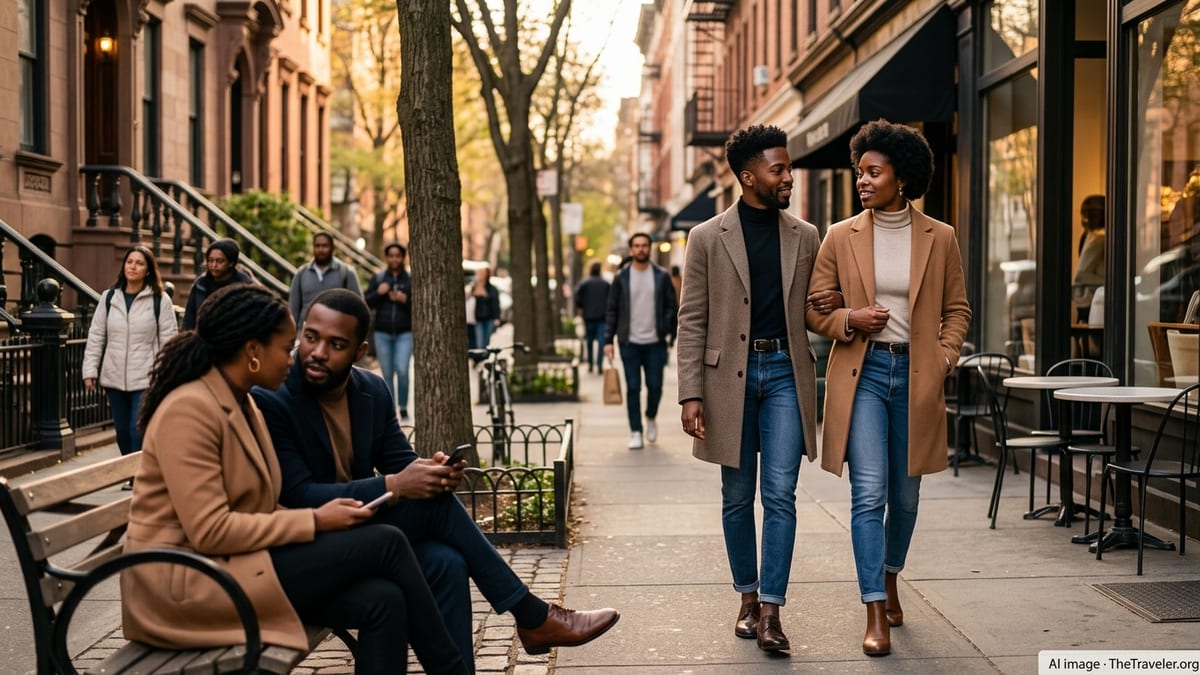
New Reports Highlight a Values-First Dating Shift
A recent report from BLK, a leading dating app designed for Black singles, points to a widespread move away from casual dating culture among its largely Gen Z user base. The survey of more than 4,000 users found strong resistance to ambiguous arrangements and a clear preference for intentional, value-driven connections from the first interaction. Published coverage of the findings notes that many Black Gen Z users now explicitly reject loosely defined relationships, instead seeking clarity about intentions and commitment at the outset.
Publicly available information on BLK’s research indicates that almost 90 percent of Black Gen Z daters on the app want to communicate their core values early, prioritizing topics such as faith, politics and social views before a relationship progresses. This emphasis on non-negotiables suggests a pushback against a dating culture associated with ghosting, short-term flings and emotional uncertainty, and a desire to screen for long-term compatibility rather than casual chemistry.
Separate reporting on Black dating trends also underscores a rise in celibacy and delayed physical intimacy as intentional strategies. One widely cited BLK survey found that more than four in ten Black Gen Z singles described themselves as practicing celibacy, linking the choice to mental health, emotional safety and a wish to form deeper connections. Together, these findings depict a cohort that is not simply opting out of dating, but redefining it around self-respect and long-term stability.
Commitment, Loyalty and Purpose Outweigh Flashy First Impressions
Beyond app-specific data, broader coverage of Black dating experiences indicates that commitment and loyalty increasingly outweigh status markers and short-lived attraction. Recent analysis of a survey of Black women on a major US dating platform found that respondents prioritized effort, consistency and emotional availability over a partner’s income level or extravagant spending on dates. Many participants indicated that thoughtful planning and reliability mattered more than the price tag of an evening out.
This reported preference disrupts stereotypes that portray modern dating as driven primarily by luxury lifestyles or social media aesthetics. Instead, Black singles are frequently described as looking for partners who show up reliably, communicate clearly and demonstrate long-term intent. Public commentary on these surveys suggests that this recalibration places emotional security and mutual support at the center of relationship decisions, rather than casual fun or superficial appeal.
Industry trend reports also describe a renewed interest in monogamy and exclusive partnerships among younger daters, even as some high-profile surveys highlight experimentation with non-traditional relationship models. While opinions remain mixed across the wider US population, Black singles represented in recent app-based research appear more likely to lean toward exclusivity, especially when they see relationships as part of a broader life plan that includes shared financial goals, family aspirations and community engagement.
Black Gen Z Daters Push Back Against “Situationships”
The term “situationship” has come to symbolize the uncertainty many young adults associate with contemporary dating. For Black Gen Z singles in particular, published reports suggest that fatigue with this ambiguity is driving more assertive conversations about labels and expectations. BLK’s recent report frames this as a conscious move to reclaim emotional safety and clarity in a landscape where mixed signals and inconsistent communication have become commonplace.
Survey summaries indicate that younger Black users increasingly expect potential partners to state whether they are searching for something serious, open to marriage, or simply looking to meet new people. Rather than accepting vague “see where it goes” narratives, many respondents reportedly insist on discussing boundaries, exclusivity and long-term compatibility within the first few dates. This stands in contrast to earlier app eras where avoiding “heavy” topics was often seen as a way to keep things light.
Other national polling on young adults suggests that a substantial share are stepping back from dating altogether, often citing burnout with apps and dissatisfaction with hookup culture. Against that backdrop, Black Gen Z singles who do remain active in the dating scene appear, according to these reports, to be using apps more strategically: as tools to find serious partners, not as endless entertainment. This approach reflects a broader generational skepticism about platforms that reward constant swiping rather than sustained connection.
Values-Led Dating Reshapes How and Where People Meet
The shift toward commitment-minded dating is also influencing where Black singles choose to meet potential partners. Surveys and lifestyle coverage from the wider US market show a renewed preference for meeting offline, in social, professional or community spaces that naturally reveal a person’s character and priorities. For Black daters, this can include faith communities, alumni networks, cultural events and mutual friends, which are often perceived as environments where values and reputation matter.
At the same time, dating apps used heavily by Black singles are adjusting their features to mirror these evolving expectations. Trend reports highlight greater prominence for profile prompts about relationship goals, lifestyle choices and social issues, allowing users to filter for people who share their sense of purpose. Some apps emphasize tools that encourage conversations about boundaries and intentions earlier, reflecting user demand for transparency rather than casual browsing.
Travel and mobility are also shaping this trend. As more Black professionals relocate for work or explore new cities, apps that cater to Black singles serve as a bridge between local cultural scenes and long-term relationship goals. Reporting suggests that many users now treat these platforms less as casual discovery spaces and more as curated gateways into communities where commitment and loyalty are openly affirmed.
Implications for the US Dating Market and Relationship Culture
The emerging preference among Black singles for committed, purpose-driven relationships carries wider implications for the US dating market. As users articulate non-negotiable values and long-term goals more explicitly, platforms that center fast matches and short-term encounters may see reduced engagement from those looking for stability. Industry analysts already note that apps and services perceived as better aligned with serious dating are positioning themselves to capture this demand.
For relationship culture more broadly, the pattern documented in recent surveys suggests that Black singles are helping to redefine what success in modern dating looks like. Instead of equating desirability with a high volume of matches or constant novelty, many are measuring relational success by emotional safety, mutual growth and clear commitment. This reorientation challenges long-running narratives that celebrated hookup culture as the default path for young adults.
While casual dating and non-traditional arrangements remain part of the US landscape, the latest reports signal that a significant share of Black singles are choosing a different path. By rejecting indefinite “situationships” and centering loyalty, purpose and shared values, they are carving out a relationship model that prioritizes depth over breadth and long-term partnership over short-term excitement.