

More news on this day
A family’s report of being charged nearly $190 for a Blacklane airport transfer after the driver arrived without a promised child car seat is fueling fresh criticism of how premium chauffeur platforms handle safety expectations and customer disputes.
Get the latest news straight to your inbox!
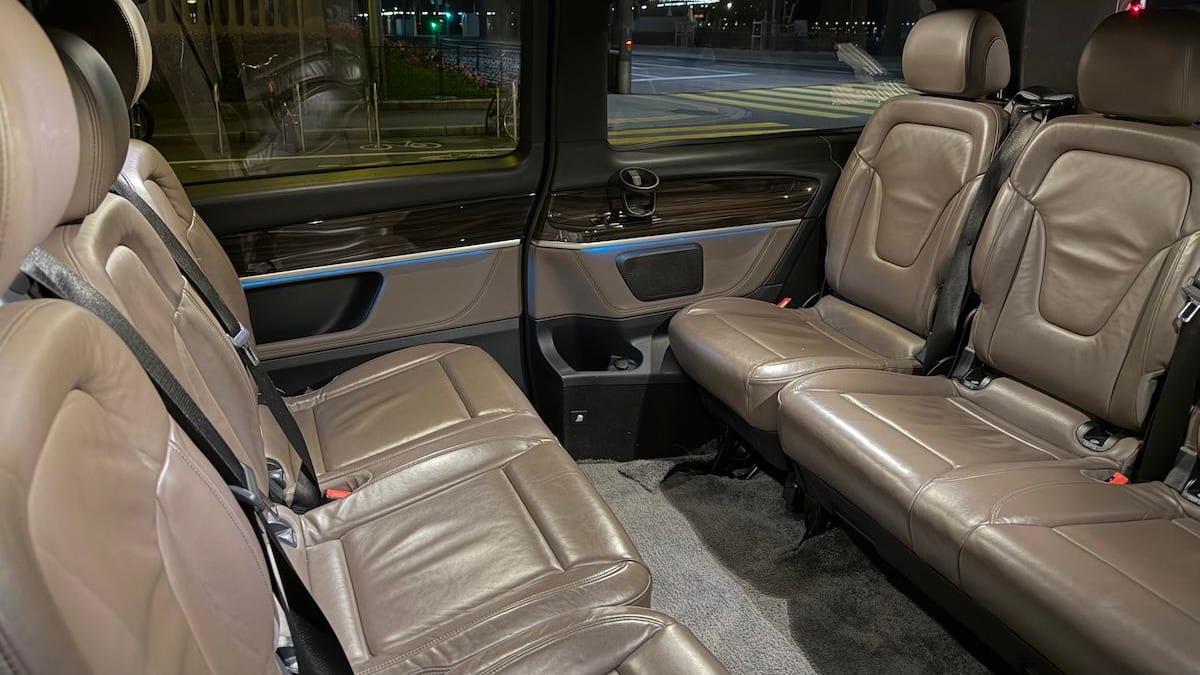
Image by One Mile at a Time
A Premium Ride Stumbles on a Basic Safety Promise
According to recent traveler accounts shared online, a Blacklane customer booking an airport transfer for a young child was assured in advance that a suitable car seat would be provided at no additional cost. The family reportedly chose the higher priced service over standard ride-hailing options specifically because of that assurance and the perception of stronger safety standards.
On the day of travel, however, publicly available posts indicate the assigned driver arrived without the requested seat and appeared unable to source one before the planned departure time. That left the family facing an uncomfortable choice familiar to many parents on the road: attempt to travel without a proper restraint, scramble to arrange a last-minute replacement ride, or cancel and risk losing a substantial prepaid fare.
The traveler ultimately declined to ride without a car seat, citing local child-safety laws and personal comfort. Despite this, reports indicate Blacklane processed the booking as a late cancellation and charged the full amount, which the customer says came to roughly 190 dollars for a single transfer.
The incident has sparked debate among frequent travelers and credit card rewards users, many of whom have been testing Blacklane through annual ride credits tied to premium cards. Online discussions suggest that while some customers praise the service for reliability and comfort, others are questioning whether the company’s handling of edge cases lives up to its marketing as a stress-free, family-friendly option.
How Blacklane Markets Its Service to Families
Blacklane presents itself as a prebooked, fixed-price chauffeur service operating in dozens of countries, positioning its product as a step above app-based ride hailing. Public materials emphasize features like professional drivers, flight tracking and meet-and-greet service in arrivals halls, as well as all-inclusive fares that build gratuities into the price.
In the last year, the company has also been appearing more frequently in conversations among families and points enthusiasts, as co-branded credit cards have added Blacklane ride credits as annual perks. Recent forum posts highlight car-seat availability as a decisive factor for parents comparing Blacklane with standard rideshare platforms. Some users report successful experiences where reserved child seats were present and properly installed, reinforcing the perception that the service can simplify family transfers.
Other accounts, however, describe inconsistency around the very same feature. In some cases, travelers say they were told a car seat could be requested but not absolutely guaranteed. In others, parents recount learning only at pickup that no restraint was available, despite having specified a child’s age and weight when booking.
These mixed reports underline a structural challenge for any platform that relies on independent chauffeur partners in multiple jurisdictions. Ensuring that every driver maintains, installs and regularly inspects age-appropriate seats can be difficult, particularly in markets where regulations differ, or where local suppliers commonly treat child restraints as optional add-ons rather than standard equipment.
Cancellation Policies Collide With Child-Safety Rules
The disputed 190 dollar charge has focused attention on how cancellation rules intersect with nonnegotiable safety needs. Blacklane’s publicly posted terms describe a window during which airport and point-to-point bookings can be canceled at no cost, after which the ride becomes fully chargeable. The policy is designed to give drivers some revenue protection when late cancellations prevent them from accepting other jobs.
Consumer advocates note, however, that rigid application of these rules can be problematic when the service delivered at the curb diverges from what was booked. If a car arrives without the agreed child seat, or with equipment that appears damaged or incorrectly installed, parents may have a legal obligation to refuse the ride. In that scenario, treating the decision not to travel as a chargeable cancellation risks putting families in an impossible position.
Travel forums and parenting communities contain multiple examples across transport providers where families say they felt pressured to ride without proper restraints because of steep no-show or late-cancellation fees. Others report walking away on principle and then facing lengthy disputes with customer support and payment networks to recover the charges.
Industry observers say that, as more travelers book through intermediaries rather than directly with local car services, responsibility for resolving such conflicts becomes diffuse. Platforms balance the interests of customers, drivers and corporate partners, and may be reluctant to set precedents that expose them to absorbing more last-minute costs, even when safety equipment is at issue.
Customer Frustration Adds to Broader Scrutiny of Pricing
The Blacklane car-seat dispute is emerging at a moment when the company’s pricing model is already under the microscope. Recent user posts from major U.S. airports describe fares approaching or exceeding 190 dollars for suburban transfers that standard ride-hailing apps sometimes complete for far less, especially outside peak periods.
Some travelers say they are willing to pay the premium for a smoother experience, pointing to professional drivers, cleaner vehicles and the ability to prebook without surge pricing. Others, however, have expressed surprise at learning how much of the fare actually reaches the chauffeur. Driver accounts shared on discussion boards describe receiving a significantly smaller share of the total price, sometimes less than half, after platform fees and required expenses such as parking and tolls.
Against this backdrop, being charged in full for a ride not taken because of a missing safety feature can feel particularly galling to customers. Critics argue that if a platform collects a luxury-level price for family-friendly service, it should treat the absence of a promised car seat as a service failure, not as a billable cancellation.
The combination of high fares, perceived inflexibility and inconsistent delivery of extras like child restraints is prompting some travelers to reconsider whether Blacklane offers compelling value outside specific use cases, such as corporate travel where comfort and predictability outweigh cost.
What Travelers Can Do When a Promised Car Seat Is Missing
Travel planners and frequent flyers responding to the latest complaints are sharing practical strategies for reducing the risk of similar disputes. Many recommend documenting car-seat requests carefully in booking notes and keeping screenshots of confirmations that mention child restraints. Some also suggest contacting the assigned driver as soon as contact details become available to double-check that the appropriate seat is on board.
When a driver arrives without the promised equipment, consumer advocates advise calmly declining to travel without a proper restraint and immediately contacting the platform through in-app tools or support channels to report a service mismatch. In many jurisdictions, transporting a child without an appropriate car seat may violate local law, which can strengthen a customer’s case that a full charge is not warranted.
If a company insists on levying the fare anyway, travelers often turn to their credit card issuer’s dispute process, especially when the booker can show that a material part of the service was not delivered. Payment networks typically review evidence from both sides, and outcomes vary, but some families report successful reversals of comparable fees in the broader transport and car-rental sectors.
For parents who travel frequently with young children, specialists often recommend traveling with a compact, certified car seat whenever feasible, or researching local providers that explicitly list child restraints as guaranteed inclusions rather than optional requests. As scrutiny of premium transport platforms grows, incidents like the reported 190 dollar Blacklane charge are likely to remain a touchpoint in wider debates about transparency, safety and accountability in modern ground transportation.