

More news on this day
Bleisure travel, once a niche perk for frequent flyers, is rapidly becoming a structural force in corporate travel demand as companies, airlines and hotels adapt to longer, blended work-and-leisure trips.
Get the latest news straight to your inbox!
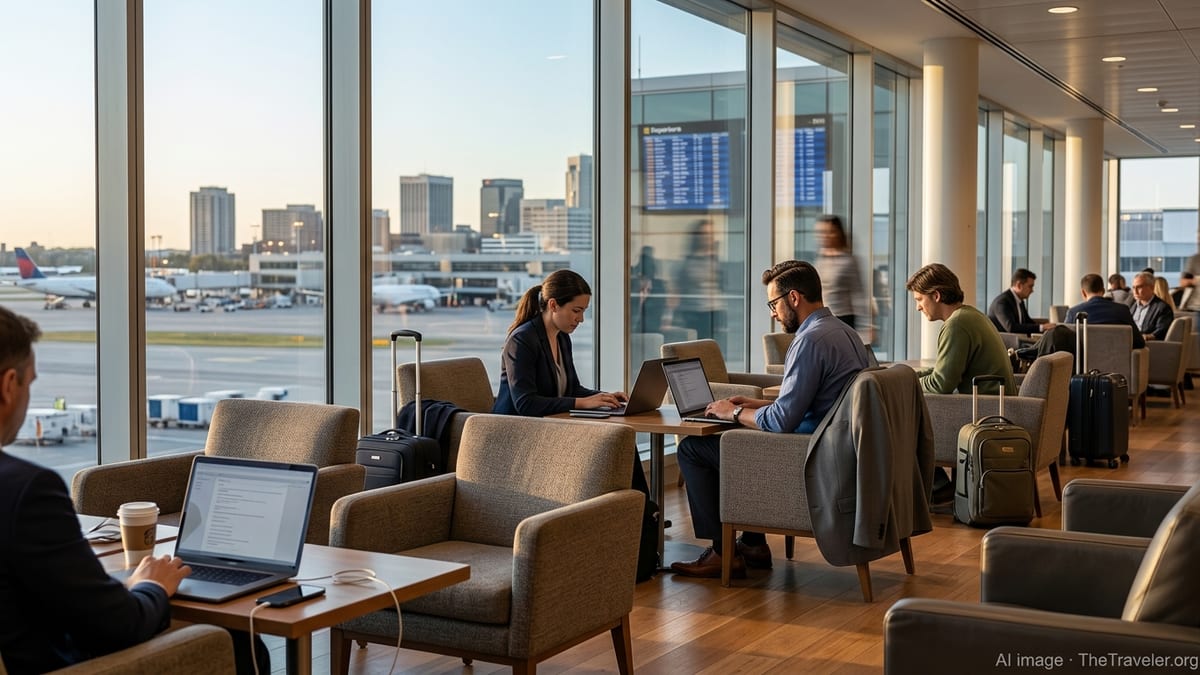
From Fringe Perk to Core Segment
Industry research indicates that combining business and leisure on the same trip has shifted from exception to routine for many travelers. Surveys cited by travel analysts show that more than four in ten global professionals engaged in some form of bleisure travel in 2023, with adoption particularly strong among younger, mobile workforces. Separate analysis drawing on Expedia data points to a sharp rise in combined business-leisure bookings in 2024 and 2025, alongside longer average stays and higher total spend per trip.
The broader rebound in corporate travel has amplified this shift. The Global Business Travel Association projects that global business travel spending will reach roughly 1.48 trillion dollars in 2024 and continue to climb toward the 2 trillion dollar mark later in the decade. Within that recovery, GBTA polling highlights an increase in “linked” business trips and fewer single-day journeys, signaling that travelers and employers are maximizing each trip by adding meetings, remote work days and personal time at the destination.
Research summaries published in specialist journals suggest that bleisure trips now account for a rising share of overall business-related journeys and could reach close to one-third of such trips by the end of the decade. Analysts describe this as a structural change driven by work-from-anywhere policies, improved digital tools for remote work and a tight labor market that encourages employers to support work-life balance.
Corporate Policies Open the Door
Corporate travel programs, once focused narrowly on cost and compliance, are being rewritten to accommodate blended itineraries. According to recent GBTA outlook polling, more than four in ten travel programs now have defined policies for bleisure, and a clear majority of buyers cite benefits such as improved employee satisfaction and better work-life balance when these options are allowed. Separate corporate travel studies find that a growing number of companies evaluate trips using “return on trip” metrics, weighing commercial impact alongside traveler wellbeing.
Publicly available information compiled by travel industry analysts shows that many large multinational employers have relaxed rules to permit employees to add vacation days at their own expense, provided core business objectives are met and duty-of-care obligations remain clear. Policy language increasingly distinguishes between company-paid segments and traveler-paid leisure extensions, clarifying how insurance, data privacy and expense approvals apply when an itinerary shifts from pure business to mixed purpose.
Consultants note that mid-sized firms are following the lead of global corporations, often prompted by employee feedback and talent retention pressures. Internal surveys referenced in corporate responsibility reports indicate that flexibility around when and how employees travel ranks alongside salary and remote work options as a factor in staff satisfaction, especially among knowledge workers.
Airlines and Hotels Target Bleisure Demand
The shift toward longer, blended trips is reshaping how airlines and hotels design products and pricing. Analysis of airline strategies published by trade media describes how carriers are adjusting fare families, loyalty earning rules and corporate booking tools to capture incremental nights and weekend add-ons. Some carriers are promoting fare options that make date changes and Saturday-night stays more attractive for travelers who plan to stay on after meetings.
On the accommodation side, hospitality research shows that properties with reliable workspaces, fast connectivity and leisure amenities are increasingly favored by this segment. Data cited in industry-focused reports indicates that platform operators have recorded double-digit growth in bookings tagged as both business and leisure, alongside increases in average booking values and nights per stay for these reservations. Urban hotels near convention centers and financial districts report more shoulder-night demand on Thursdays and Sundays as travelers stay longer around core meeting days.
Travel management companies and online booking tools are also introducing filters and program features that help corporate travelers identify hotels and flights that suit both meeting schedules and personal plans. Analysts note that this can boost ancillary revenue for suppliers but also requires closer coordination with corporate clients to respect policy limits, preferred partners and sustainability goals.
Data Signals a Lasting Shift in Traveler Behavior
Recent global travel behavior studies point to a lasting change in how often and why people mix work and leisure on the road. A 2024 observatory report from a major consulting firm on future travel behaviors finds that the share of travelers planning to combine business and leisure in a single trip continued to rise through 2024, with many respondents expressing an intention to repeat the pattern in future years. Parallel research from hospitality and technology firms shows that a significant proportion of business travelers extended trips by at least one or two nights for personal time.
Other analyses suggest that bleisure is growing faster than traditional corporate travel overall. Forecasts from market research providers cited in trade coverage estimate double-digit annual growth rates for the segment over the next decade, outpacing growth in pure business itineraries. These projections align with the recovery trajectory outlined in the latest GBTA Business Travel Index, which anticipates that while overall trip volumes may remain slightly below pre-pandemic peaks when adjusted for inflation, spending and trip length are set to keep rising.
Observers note that bleisure growth also intersects with wider tourism trends such as “slow travel” and stays of a week or longer, as some employees choose to work remotely from their business destination for several days before or after meetings. This convergence creates new planning challenges for corporate travel teams, destination marketers and urban planners that must balance weekday office demand, weekend tourism peaks and longer-stay digital workers.
Implications for Corporate Travel Management
The rise of bleisure has practical consequences for how organizations source, approve and monitor travel. Publicly available procurement surveys point to increased use of dynamic pricing, flexible hotel contracts and bundled air-hotel packages that recognize mixed-purpose trips. Travel buyers are seeking agreements that allow employees to lengthen stays or adjust dates without punitive change fees, while still capturing data essential for safety, tax and environmental reporting.
Duty-of-care is a central concern in this evolution. Legal and risk management commentaries highlight the need for clear boundaries around which parts of a trip fall under employer responsibility and which are considered personal time. Companies are updating traveler handbooks to specify how emergency support, medical coverage and tracking tools apply when an itinerary includes leisure days or additional destinations beyond the primary business city.
For travel managers, the trend also reinforces the importance of data visibility. As more employees mix corporate booking channels with consumer platforms to secure leisure extensions, organizations risk losing insight into where staff are located and how much is being spent. Travel programs are responding by encouraging travelers to register full itineraries in corporate tools, even when portions are paid personally, in order to maintain oversight while preserving the flexibility that makes bleisure attractive.