

More news on this day
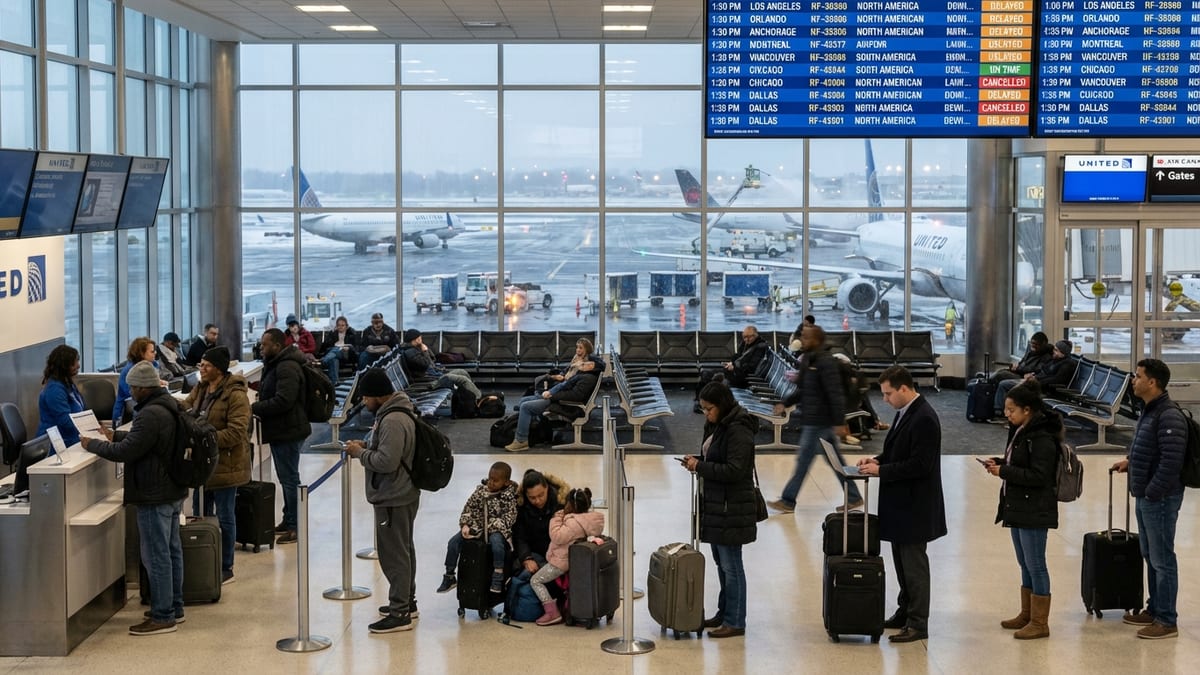
Thousands of travelers across North America faced another bruising day in the skies on Wednesday, February 4, as a patchwork of weather disruptions, infrastructure issues, and airline operational challenges triggered fresh waves of cancellations and delays.
From Newark Liberty International to Los Angeles, Orlando, Anchorage and San Diego, flights operated by United, Southwest, Air Canada, regional affiliates such as Jazz and PSA, and a roster of other carriers were canceled or held up, leading to at least 39 cancellations and well over a thousand delays across the United States and Canada.
More News
- Caribbean Travel to U.S. Upended by New Visa Freezes and Expanded Bans
- Mexico Restores E-Visas for Brazilians, Paving the Way for Borderless Tourism
- Philippine Airlines Joins Regional Carriers Powering Southeast Asia’s Tourism Boom
Ripple Effects From Blizzard And Winter Weather Hit Major U.S. Hubs
In the United States, the most visible trigger for disruption remained winter weather and its ripple effects across the network. A rare blizzard in the U.S. Southeast continued to snarl operations at airports far from the storm’s core, including New York’s major hubs. Newark Liberty International Airport, already accustomed to winter bottlenecks, reported dozens of cancellations and a substantial number of delayed arrivals and departures as airlines struggled to move aircraft and crews into position.
While North Jersey itself saw limited snowfall, the storm disrupted traffic in feeder cities across the South and Mid-Atlantic. Flights from popular leisure markets such as Orlando were delayed or canceled as ground operations were slowed by deicing needs and low visibility. With many of those flights feeding into transcontinental or transatlantic routes, a delay of an hour or two in one city cascaded into missed slots and missed connections several time zones away.
Chicago, Dallas and New York also saw a surge in delayed departures as carriers held flights at the gate waiting for connecting passengers and crews from affected cities. Winter operations protocols, including stricter crosswind limitations and mandatory deicing holds, added minutes and then hours to turnaround times. For travelers, that translated into crowded gate areas, long lines at customer service counters and growing frustration as departure times were repeatedly pushed back in 15 or 30 minute increments.
Los Angeles, San Diego And Anchorage Strained By Knock-On Delays
On the West Coast, Los Angeles International Airport (LAX) and San Diego International emerged as key pressure points. Flights arriving into Southern California from Anchorage, Seattle, Denver and Midwestern hubs were delayed by weather and congestion further east, leaving crews out of position and aircraft arriving late into already packed overnight and early morning schedules.
At LAX, transcontinental services from New York and Chicago were especially vulnerable, with inbound delays forcing airlines to reshuffle aircraft assignments and, in some cases, swap widebody jets for smaller narrowbodies. That often meant fewer available seats for travelers trying to rebook. Passengers on late-night arrivals from Alaska and the Pacific Northwest reported spending hours in the terminal waiting for updated departure information as gates shifted and aircraft were reassigned to routes deemed most critical.
San Diego, which relies heavily on connections via major hubs, experienced a similar pattern: flights that were technically operating but departing far behind schedule. Travelers heading to the U.S. East Coast were frequently rebooked through alternative hubs, turning what should have been straightforward cross-country journeys into multi-stop odysseys. In Anchorage, where winter weather is routine but the network is highly dependent on a limited number of daily departures, even a handful of late flights created outsized disruption, particularly for travelers bound for Los Angeles and other West Coast gateways.
Canada’s Snowstorm Adds Cross-Border Complications
North of the border, a powerful snowstorm sweeping across Canada intensified the pressure on the air travel system. Air Canada, WestJet, and regional carriers including Jazz canceled dozens of flights and delayed hundreds more as snow and reduced visibility hit key airports in Halifax, Montreal, Vancouver, Calgary and St. John’s. At Montreal-Trudeau International Airport alone, at least 11 flights were canceled and around 50 delayed, leaving hundreds of passengers stranded or forced to sleep in terminals.
Because many of those Canadian flights feed into U.S. destinations, including New York, Newark, Boston and various Florida gateways, the impact was quickly felt south of the border. Cross-border services to and from LaGuardia, Orlando and other U.S. cities were either canceled outright or operated at significantly reduced frequencies as crews timed out and aircraft remained out of position. Travelers attempting to connect from Canadian cities to sun destinations or onward long-haul flights from U.S. hubs found themselves rescheduled on later departures or rerouted via secondary airports.
Compounding the disruption, ground handling and deicing operations in Canadian hubs struggled to keep pace with the snowfall and gusting winds. Airlines advised passengers to arrive early at the airport and check flight status repeatedly, but even those precautions were sometimes no match for rapidly changing conditions and rolling schedule revisions by operations control centers.
United’s Ongoing Tech Overhaul And Operational Strain
The latest round of disruption also intersected with a major technology transition at United Airlines. On February 4, United continued work on a large-scale upgrade to its reservation and operational systems, part of a multi-stage migration to a cloud-based infrastructure. The carrier had already preemptively scrapped hundreds of early-morning flights tied to the cutover window, seeking to avoid the risk of real-time outages affecting departures, check-in systems or bag handling.
While the core upgrade period centered on the pre-dawn hours, its effects lingered into the main travel day as aircraft and crews that would normally have rotated through early flights were idled or reassigned. Some passengers had received advance rebooking notices in recent weeks, while others discovered only at the airport or via app notifications that their morning flights were no longer operating and that afternoon options were heavily booked.
United framed the technology project as a necessary step to improve long-term reliability and reduce the kind of cascading tech failures that have periodically grounded airlines across the industry. In the short term, however, the carrier’s already tight winter schedule was less resilient to fresh weather disruptions and air traffic control restrictions. That left some of United’s largest hubs, including Newark Liberty and Los Angeles, particularly vulnerable when the Southern blizzard and Canadian snowstorm intersected with the carrier’s trimmed-back morning program.
Regional Carriers Jazz And PSA Under The Spotlight
Regional affiliates, which operate flights on behalf of major brands, played an outsized role in the day’s disruption statistics. Jazz, which flies under the Air Canada Express banner and also serves select cross-border routes into the United States, was affected both by Canada’s snowstorm and by bottlenecks at U.S. airports like New York and Orlando. With smaller fleets and tighter crew rosters, regional operators have less flexibility to swap aircraft or add backup crews once delays begin to stack up.
In the United States, PSA Airlines, a regional carrier that operates flights for a legacy U.S. major, reported numerous delays and a handful of cancellations at airports including Philadelphia and smaller regional fields. Even though the absolute numbers were modest compared with disruptions at the largest hubs, each canceled regional leg represented missed onward connections for scores of travelers. In some cases, those passengers found themselves rerouted through entirely different hubs, or bused to nearby airports where replacement flights had available seats.
Industry analysts note that regional carriers are often the first to feel the impact when mainline operators seek to conserve capacity or reposition aircraft during irregular operations. Because their contracts are tied to performance metrics and block hours, regional airlines face financial and operational pressure during sustained disruption events, which can, in turn, affect staffing and schedule reliability in the days after a major storm or systemwide delay spike.
Passengers Confront Long Lines, Limited Options And Unclear Timelines
For travelers, the common thread across affected airports was uncertainty. At Newark, Los Angeles, Orlando and other busy terminals, passengers described standing in snaking lines at ticket counters while monitoring apps and departure boards that changed minute by minute. Families returning from winter getaways in Florida arrived at airports only to discover that their flights north were delayed by several hours or indefinitely, with aircraft unable to depart from earlier legs further up the chain.
Business travelers connecting through hubs like Chicago, Dallas and New York faced missed meetings and overnight stays as mid-afternoon departures slipped into the evening and red-eye flights departed late or in some cases with heavy seat restrictions to keep schedules manageable. Some carriers offered proactive travel waivers, allowing customers to move trips by a day or shift to alternative routes without change fees, but limited seat availability meant that many stranded passengers were left with little choice but to wait.
Airport staff and airline agents, meanwhile, struggled to balance customer service demands with evolving instructions from operations control. As weather models shifted and air traffic control agencies adjusted flow control measures, carriers updated their schedules multiple times throughout the day. That created a moving target for both passengers and frontline staff, who were often giving out information that became outdated within an hour.
What Travelers Should Expect Over The Next 24 To 48 Hours
While the most acute disruption period centered on February 4, airlines and airport officials warned that the knock-on effects would likely extend through the following day and potentially into the weekend. Aircraft and crew positioning imbalances created by cancellations and long delays typically take several rotations to resolve, particularly on transcontinental and cross-border routes that rely on complex connection banks.
Travelers booked to or through Newark, Los Angeles, Orlando, Montreal, Vancouver and other affected hubs over the next 24 to 48 hours were advised to monitor their flight status frequently, complete online check-in as early as possible, and, where feasible, build in additional connection time. Those with flexible itineraries were encouraged to voluntarily move their trips outside peak hours or, in some cases, to later in the week, relieving some of the pressure on heavily constrained midweek schedules.
Frequent flyer and travel advocacy groups reiterated longstanding advice for dealing with large-scale disruptions: keep essential items and medications in carry-on bags, maintain up-to-date contact information in airline profiles, and consider installing multiple carrier and airport apps for real-time push notifications. For travelers already in the middle of their journeys, experts suggested proactively asking agents about creative rerouting options, including flights into secondary airports and ground transfers where geography allows.
FAQ
Q1: Which airlines were most affected by the latest wave of cancellations and delays?
Major U.S. carriers including United and Southwest experienced significant disruption, while Canadian operators such as Air Canada and regional affiliates like Jazz and PSA also reported cancellations and extended delays across their networks.
Q2: Which airports saw the worst disruption on February 4?
Newark Liberty International, Los Angeles International, Orlando International, San Diego, Anchorage and several Canadian hubs including Montreal and Halifax were among the most heavily affected, with knock-on effects at Chicago, Dallas, New York and other connection points.
Q3: What caused so many flights to be delayed or canceled?
A combination of severe winter weather, including a rare blizzard in the U.S. Southeast and a powerful snowstorm in Canada, intersected with existing operational strains such as crew shortages, tight aircraft rotations, and, in United’s case, a major technology upgrade that reduced early-morning capacity.
Q4: How did United’s technology upgrade contribute to the disruption?
United scheduled a reservation and systems upgrade during the early hours of February 4 and preemptively canceled a significant number of morning flights. While intended to avoid an in-service outage, the reduced schedule left the carrier’s network less flexible once weather and air traffic delays started to accumulate.
Q5: Why did airports far from the storms, like Los Angeles and San Diego, experience delays?
Even when local weather is clear, flights depend on aircraft and crews arriving from other parts of the network. When storms disrupt departures in the South, Midwest or Canada, the resulting late arrivals and crew timing limits can delay or cancel flights hours later at seemingly unaffected airports.
Q6: Are regional airlines like Jazz and PSA affected differently from larger carriers?
Regional carriers operate smaller fleets and have tighter crew rosters, which leaves them with fewer options to swap aircraft or add reserve crews when things go wrong. As a result, even a small number of delayed or canceled legs can ripple quickly through their schedules and onto the mainline networks they serve.
Q7: What can stranded passengers do to improve their chances of getting rebooked?
Experts recommend using airline apps and websites for self-service rebooking where possible, contacting call centers while waiting in airport lines, and asking agents about alternative routings through different hubs or into nearby airports that may have open seats.
Q8: Will the disruptions continue through the rest of the week?
Airlines expect lingering effects for at least 24 to 48 hours as they work to reposition aircraft and crews. While conditions should gradually improve, travelers booked through the most affected hubs should be prepared for potential schedule changes and residual delays.
Q9: Are passengers entitled to compensation for delays and cancellations?
Entitlements vary by airline and by whether the cause is within the carrier’s control. Weather-related disruptions typically limit compensation to rebooking and meal or hotel vouchers at the airline’s discretion, while issues stemming from controllable operational problems may offer broader remedies on a case by case basis.
Q10: What practical steps should travelers take before heading to the airport?
Passengers are advised to confirm flight status repeatedly, check in online as soon as it opens, allow extra time for security and check-in, keep essentials in carry-on bags, and ensure that their contact details are correct so airlines can send real-time notifications about any last-minute changes.