

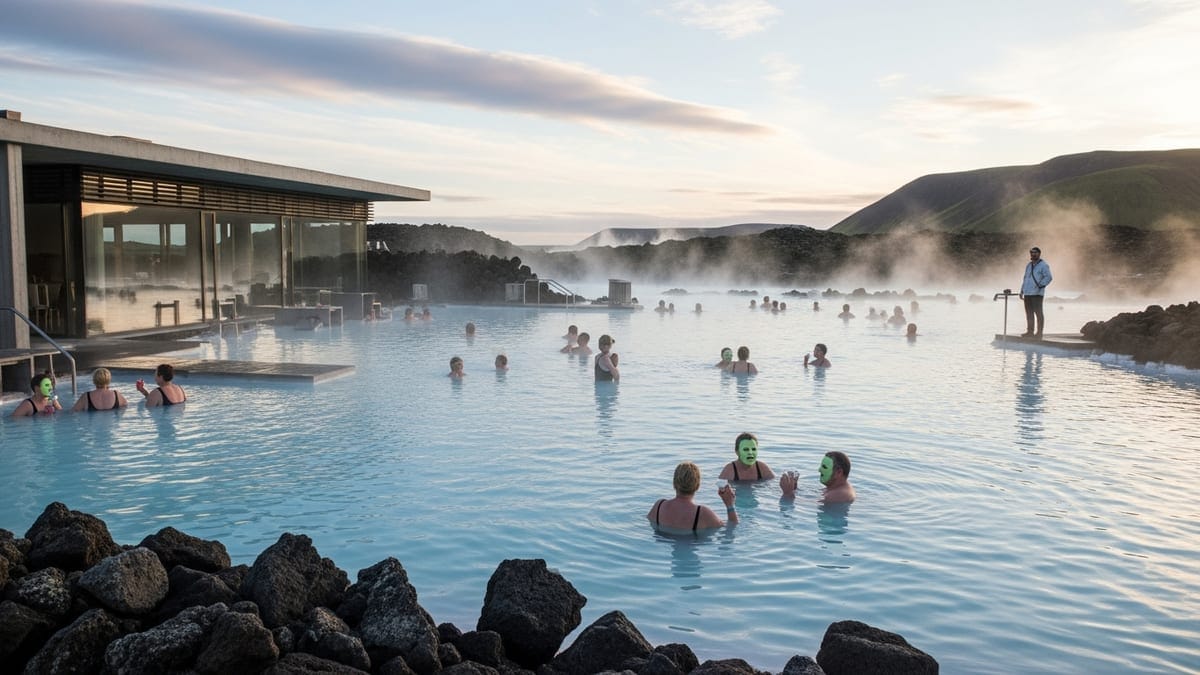
Blue Lagoon has become one of the world’s most iconic geothermal spas, a luminous pool of milky-blue water set against black lava fields on Iceland’s Reykjanes Peninsula.
For many travelers it is the first or last stop on an Iceland trip, thanks to its location between Keflavík International Airport and Reykjavík. Planning a visit, however, is not as simple as just showing up with a swimsuit.
Dynamic pricing, strict advance booking, changing opening hours and recurring volcanic activity in the area all mean that a little preparation goes a long way.
This guide brings together the latest practical information and context to help you plan a safe, smooth and unforgettable visit.
Understanding the Blue Lagoon Experience
Blue Lagoon is a man-made lagoon filled with naturally occurring geothermal seawater that emerges from deep underground near the Svartsengi power plant. The water is a mix of freshwater and ocean water, enriched with silica, algae and minerals that give it its famous opaque blue hue.
At the surface, the water is kept at roughly hot-tub temperature, generally around 37 to 42 degrees Celsius, providing warm comfort even in winter winds and snow. The water naturally renews itself over roughly 48 hours, which supports hygiene alongside the spa’s filtration and disinfection systems.
The experience is designed as a blend of wellness, social bathing and nature immersion. Visitors can drift through the lagoon, float beneath volcanic rock walls, stand under a powerful warm waterfall, or duck into the steam cave and saunas. Mask bars offer silica and algae masks applied directly in the water, while an in-water bar serves juices, smoothies and alcoholic drinks.
Surrounding facilities include changing rooms, a café and the Lava Restaurant, plus higher-end Moss and Spa restaurants for those seeking fine dining and tasting menus.
Despite its remote volcanic setting, Blue Lagoon is managed more like a high-end spa resort than a rustic hot spring. There are capacity limits, timed entries, cashless wristband systems and staff throughout the complex.
Guests move from reception to changing rooms and then out into the lagoon via indoor showers and a short indoor pool access. The complex also includes a quiet zone where phones are not allowed, and a separate Retreat Spa and Retreat Lagoon reserved for guests who book premium spa experiences or stay at The Retreat hotel.
Current Conditions, Safety and Volcanic Activity
Blue Lagoon sits in the Reykjanes Peninsula, one of Iceland’s most geologically active regions. Since 2021 the peninsula has seen a series of eruptions and seismic swarms that occasionally affect access to the spa. Authorities monitor the area closely through the Icelandic Meteorological Office and the Department of Civil Protection and Emergency Management, and temporary closures or evacuations are implemented whenever volcanic risk increases.
In recent years the spa has been closed several times for days or weeks at a time, usually as a precaution during eruptions or intense earthquake activity.
As of early 2026 there is no ongoing eruption on the Reykjanes Peninsula, but recent history shows that activity can resume with limited warning. Multiple eruptions have occurred north and east of Grindavík and the Svartsengi area, leading to evacuations of local residents and guests at Blue Lagoon on several occasions.
When eruptions have taken place, the primary concern for the lagoon has typically been gas emissions, ash and potential lava flows in nearby terrain, rather than direct damage to the spa itself. Civil defense teams have repeatedly evacuated the spa area as a precaution then allowed it to reopen once the hazard level dropped.
For visitors, this means that Blue Lagoon is generally safe when open, because it operates under strict cooperation with Icelandic authorities. If conditions change, sirens and official announcements guide evacuations, and guests are moved quickly out of the area.
However, travel plans can be disrupted on relatively short notice. It is wise to monitor official Icelandic travel and civil protection updates in the days before your visit and to keep your booking confirmation easily accessible. Travel insurance that covers trip disruptions due to natural events is strongly recommended for any visit to Reykjanes.
Road access can also be affected by volcanic unrest. At times, the main road from Keflavík toward Grindavík has been partially closed, with checkpoints where only guests who can show proof of a Blue Lagoon booking are allowed to pass.
If volcanic activity rises again before your trip, build extra time into your schedule for possible diversions, traffic controls and safety checks. When in doubt, prioritize guidance from local authorities over fixed timetables, and be prepared to reschedule or cancel your lagoon visit if conditions warrant.
Tickets, Booking and What Your Admission Includes
Blue Lagoon operates on timed entry and dynamic pricing. Advance booking is effectively mandatory for most of the year, especially in high season from June through August and during major holiday periods.
Prices fluctuate based on date, time and demand, so early reservations can secure both better timeslots and lower rates. Same-day availability is increasingly rare for popular times such as late morning, afternoon and early evening, particularly when visitors hope to combine their visit with flights or northern lights tours.
There are three main admission levels: Comfort, Premium and Signature. All ticket types include entrance to the lagoon, full use of the main geothermal pool, saunas, steam cave, cold plunge and waterfall, as well as mandatory pre-entry showers and access to changing facilities.
Comfort admission typically includes a silica mud mask from the in-water mask bar, use of a towel and one drink from the in-water bar. Premium adds a bathrobe, two additional facial masks and an upgraded drink option, plus a small skincare product to take home. Signature admission generally bundles in a larger set of Blue Lagoon skincare products with a higher total retail value.
Admission prices are per adult, with youth policies varying by age. Children under a certain age bracket are usually admitted free with a paying adult, but there are age minimums for entering the lagoon itself and safety rules that require younger visitors to wear floaties and stay under close supervision.
Families should confirm the latest age and height requirements at the time of booking, as policies can be updated in response to safety assessments and crowding.
Upgrades and add-ons include in-water massages and float therapies in a separate treatment area, as well as access to the Retreat Spa and its private lagoon for guests booking higher-tier spa experiences or staying in on-site hotels.
These services must be booked separately and often well in advance. While it is tempting to stack multiple experiences into a single visit, keep in mind that the geothermal water can be tiring over time. Many visitors find that two to three hours in the main lagoon is a satisfying experience without leaving them overly drained.
Opening Hours, Best Times to Visit and Seasonal Considerations
Blue Lagoon is open year-round, with extended hours in summer. Typical spa hours run from early morning into late evening, varying slightly across winter, shoulder season and high summer schedules. In peak summer months the lagoon may open as early as 7:00 and stay open until midnight.
During winter and spring periods it typically opens closer to 8:00 and closes earlier in the evening, sometimes at 20:00 or 22:00. Guests are usually asked to exit the water about 30 minutes before closing time, so if you book a late entry, factor that into your expectations.
Choosing the best time of day depends on your priorities. Early morning slots often offer a calmer atmosphere, with fewer large tour groups and a misty, ethereal feel as steam rises in the cool air. Midday and afternoon are the busiest, especially with day tours arriving from Reykjavík and airport transfers.
Evening visits can be particularly magical in winter, when you may glimpse the northern lights overhead if skies are clear and geomagnetic activity is favorable. In summer, late-evening visits provide long twilights and the surreal experience of bathing beneath the midnight sun or bright subarctic skies.
Seasonally, there is no wrong time to visit. In winter, snow on the surrounding lava fields and frigid air amplifies the contrast with the hot water, while shorter days pair well with aurora viewing and cozy indoor dining afterward.
Spring and autumn bring more changeable weather, fewer crowds than peak summer and often more availability for desirable time slots. Summer brings higher visitor numbers and warmer air temperatures, but the lagoon can still feel refreshing rather than hot, especially when winds pick up. Regardless of season, Iceland’s weather can change quickly, so bring layers, a waterproof shell and footwear you do not mind getting damp.
Special holiday hours apply on dates such as Christmas Eve and New Year’s Eve, when the lagoon closes earlier than usual. These dates can book out long in advance, and schedules may be adjusted if volcanic activity flares up or if travel disruptions occur.
Always review your reservation confirmation and any pre-trip notifications from Blue Lagoon for the most up-to-date information on opening hours for your specific date.
Getting There, Logistics and How Long to Stay
Blue Lagoon lies roughly 20 minutes by road from Keflavík International Airport and about 45 minutes from central Reykjavík. Most visitors travel by rental car or bus transfer. If you are driving, you will follow road signs from the main highway toward Grindavík and Svartsengi.
Parking is free in large paved lots near the entrance. At times of heightened volcanic alert, access roads may be partially closed or subject to checkpoints where you must show proof of your booking, so keep a digital or printed confirmation handy.
Shuttle services run directly between the lagoon and both Reykjavík and Keflavík. Many operators offer combination tickets that bundle transport with admission or pair a spa visit with sightseeing tours of the Reykjanes Peninsula.
If you are on a layover, plan at least a five to six hour window between flights to allow for border formalities, transfer times, check-in at Blue Lagoon and a relaxed soak. It is risky to book an admission slot too close to your departure time, especially in winter or during periods of active geology when road closures and checks can cause delays.
Once at the lagoon, the check-in process is straightforward but can be busy during peak arrival times. You receive a wristband that functions as your locker key and charge device for drinks or extras purchased during your visit.
Changing areas are gendered, with showers required before entering the water. While there are some private shower cubicles, most showers are open, in keeping with Scandinavian bathing culture. Lifeguards and staff patrol the lagoon, but it is still your responsibility to stay within depth limits that suit your comfort and swimming ability.
Plan on spending at least two to three hours at Blue Lagoon, not counting travel time. This allows for check-in, showering, time in the water, use of saunas or steam cave, application of masks and a drink at the in-water bar.
Guests adding a meal at Lava Restaurant or a spa treatment may wish to dedicate half a day. If you are checking into one of the on-site hotels, such as the Silica Hotel or The Retreat, you can spread your lagoon time over multiple entries and enjoy quieter periods outside of day-tour peak hours.
What to Bring, What to Expect and How to Protect Your Hair and Skin
Blue Lagoon provides key basics such as towels for all ticket types and bathrobes for higher-tier admissions or hotel guests. Swimsuits are required in the lagoon, including for children, and you can either bring your own or rent one on site for an additional fee.
Waterproof sandals or flip-flops are optional but useful for walking on cold ground between indoor and outdoor areas, especially in winter. Lockers in the changing rooms store your clothing and valuables while you are in the water, operated via your wristband.
The lagoon’s silica-rich water can leave hair feeling stiff, dry and coated for days if not properly protected. Visitors with long hair are strongly advised to apply a generous layer of conditioner before entering the water and to keep hair tied up to avoid full immersion.
Blue Lagoon provides conditioner in the showers specifically for this purpose. After bathing, rinse thoroughly using fresh water and shampoo, then condition again. Color-treated or very fine hair may be particularly sensitive, so consider wearing a swim cap if you are concerned.
Skin generally tolerates the water well, and many guests report benefits such as softness and temporary relief from certain skin conditions. However, the combination of minerals, heat and time in water can be drying.
Apply a gentle moisturizer after your visit, and if you have sensitive or compromised skin, consult your dermatologist before use. Contact lenses are usually fine to wear, but avoid splashing water directly into your eyes, as minerals can cause irritation. Guests with open wounds or recent surgeries may be advised to skip bathing until fully healed.
Photography is common inside the lagoon, but be mindful of privacy and safety. Phones and cameras can be damaged by the water or dropped into deeper spots, and the use of devices is restricted in designated quiet zones.
Consider limiting screen time so you can fully immerse in the experience. While the lagoon’s vibe is generally relaxed and social, remember you are in a spa environment, not a party pool. Iceland’s alcohol laws and Blue Lagoon’s own policies limit excessive drinking, and staff will intervene if anyone’s behavior threatens safety or tranquility.
Costs, Food, Accommodation and Alternatives
Visiting Blue Lagoon is a premium experience by Icelandic standards. Admission pricing varies widely depending on season, time of day and ticket category, but you should expect it to be a significant line item in your travel budget.
Food and drink inside the complex are also priced in line with a major tourist attraction and spa resort. The in-water bar serves smoothies, juices, soft drinks, beer and wine, with one drink typically included for Comfort and Premium guests. Additional drinks are charged to your wristband and settled on exit.
Dining options range from quick bites at Blue Café to full restaurant meals. Lava Restaurant, carved into a lava cliff, offers modern Icelandic cuisine at lunch and dinner with a focus on local seafood and seasonal produce. Moss Restaurant, which has earned Michelin recognition, offers a more elevated tasting-menu experience in the evening.
Reservations are recommended for both Lava and Moss, especially during high season and for dinner seatings. Guests of the Retreat Spa also have access to a dedicated spa restaurant serving lighter dishes and wellness-focused menus.
For travelers who want to maximize their time in the area, on-site hotels provide direct access to lagoon facilities. Silica Hotel offers a more classic spa-hotel experience with access to a smaller, private lagoon, while The Retreat presents a high-luxury stay with suites, the subterranean Retreat Spa and the exclusive Retreat Lagoon carved into the lava.
These properties typically include breakfast and extended access to Blue Lagoon or private lagoons in their room rates, but availability is limited and prices are high, especially in summer.
Budget-conscious visitors or those seeking less crowded baths may also consider other geothermal spa options in Iceland, such as Sky Lagoon near Reykjavík, Laugarvatn Fontana on the Golden Circle or the Myvatn Nature Baths in the north.
Each has its own character and pricing. Blue Lagoon, however, remains unique due to its size, water composition, architecture and proximity to both the international airport and Reykjanes’s dramatic volcanic landscapes. For many travelers it is worth the splurge as a one-time or special-occasion experience.
The Takeaway
Blue Lagoon is much more than a quick tourist stop. It is a carefully managed spa complex built around a rare geothermal resource, set in one of the most geologically dynamic regions in Iceland.
To get the most from a visit, travelers need to treat it like any major experience: book in advance, understand what is included in each ticket, build in buffer time for travel and check local conditions in the days leading up to arrival.
In an era of recurring eruptions on the Reykjanes Peninsula, flexibility and informed planning have become just as important as packing a swimsuit.
When the lagoon is open, guests can expect high safety standards, organized facilities and a memorable immersion in warm, mineral-rich water surrounded by black lava and ever-changing Icelandic skies.
Whether you visit at sunrise, in the golden light of a Nordic summer evening, or under the flicker of winter auroras, Blue Lagoon can be a highlight of your Iceland itinerary.
Approach it with realistic expectations about cost, crowds and weather, take sensible precautions to protect your hair and skin, and stay up to date on volcanic activity, and you will be well positioned to enjoy one of the world’s most recognizable spa experiences.
FAQ
Q1: Is Blue Lagoon currently open and safe to visit?
As of early 2026 there is no ongoing eruption on the Reykjanes Peninsula, and when Blue Lagoon is open it operates under strict safety oversight from Icelandic authorities. Temporary closures and evacuations can occur when seismic or volcanic activity increases, so visitors should always check official updates and their booking confirmation close to their travel date.
Q2: Do I really need to book Blue Lagoon in advance?
Yes. Timed entry and dynamic pricing mean that same-day tickets often sell out, especially in high season, on weekends and during popular evening slots. Booking in advance secures your entry time and typically gives you a better choice of prices and add-ons such as spa treatments or restaurant reservations.
Q3: How long should I plan to spend at Blue Lagoon?
Most visitors find that two to three hours in the lagoon and facilities is ideal, allowing time for check-in, showering, soaking, masks, a drink and perhaps a short sauna or steam session. If you add a full restaurant meal or spa treatment, consider allocating half a day, and remember to include travel time from Reykjavík or the airport.
Q4: What should I wear and bring with me?
You will need a swimsuit, and it is wise to bring sandals or flip-flops, a hairbrush and any preferred skincare products. Towels are included with standard admissions, and bathrobes are provided with some higher-tier tickets or hotel stays. Lockers are available in the changing rooms, and you can rent a swimsuit on site if needed.
Q5: Will the water damage my hair or swimsuit?
The silica-rich water can leave hair feeling stiff and dry if you fully submerge it without protection. Applying conditioner before entering, tying hair up and rinsing thoroughly afterward help minimize this effect. Most swimsuits are fine, but delicate fabrics or items with metal hardware may wear more quickly in hot, mineral-rich water, so consider bringing a simple, durable suit.
Q6: Can children visit Blue Lagoon?
Yes, families are welcome, but there are age and safety restrictions. Children under a certain age cannot enter the water, and younger visitors who are allowed in must wear flotation devices and remain under close adult supervision at all times. Policies can change, so families should confirm the current age limits and rules when booking.
Q7: Is Blue Lagoon suitable for people with sensitive skin or medical conditions?
Many guests with normal skin tolerate the water well and may even experience benefits, but heat and minerals can be drying or irritating for some. Visitors with very sensitive skin, cardiovascular concerns, pregnancy or recent surgery should seek medical advice before visiting, and may choose shorter soaks, cooler areas of the lagoon and generous moisturizing afterward.
Q8: Can I visit Blue Lagoon during a layover in Iceland?
Yes, many travelers schedule a lagoon visit between flights because it is close to Keflavík International Airport. Allow at least five to six hours between flights to cover immigration, transport, check-in, bathing and the return journey. Weather, road conditions or volcanic precautions can cause delays, so avoid planning a visit too close to your departure time.
Q9: What happens if my booking falls during a volcanic closure?
If Blue Lagoon closes due to volcanic activity or safety concerns, guests with affected bookings are typically contacted with options to rebook or receive a refund or voucher, depending on current policies. Exact arrangements can vary with circumstances, so check the terms and conditions of your ticket and consider travel insurance that covers natural events.
Q10: Are there quieter or less expensive alternatives to Blue Lagoon?
Yes. Iceland offers several other geothermal baths and spas, including Sky Lagoon near Reykjavík, Laugarvatn Fontana on the Golden Circle and regional nature baths in other parts of the country. These often have lower prices or smaller crowds, though they may not offer the same level of facilities or the signature blue water and iconic setting that make Blue Lagoon unique.