

More news on this day
Qionghai in south China’s Hainan Province is using a new Boao-Qionghai city exhibition to spotlight its transformation into a global medical tourism hub, with the Boao Lecheng International Medical Tourism Pilot Zone and a growing portfolio of health and wellness offerings placed at the center of its pitch to international visitors.
Get the latest news straight to your inbox!
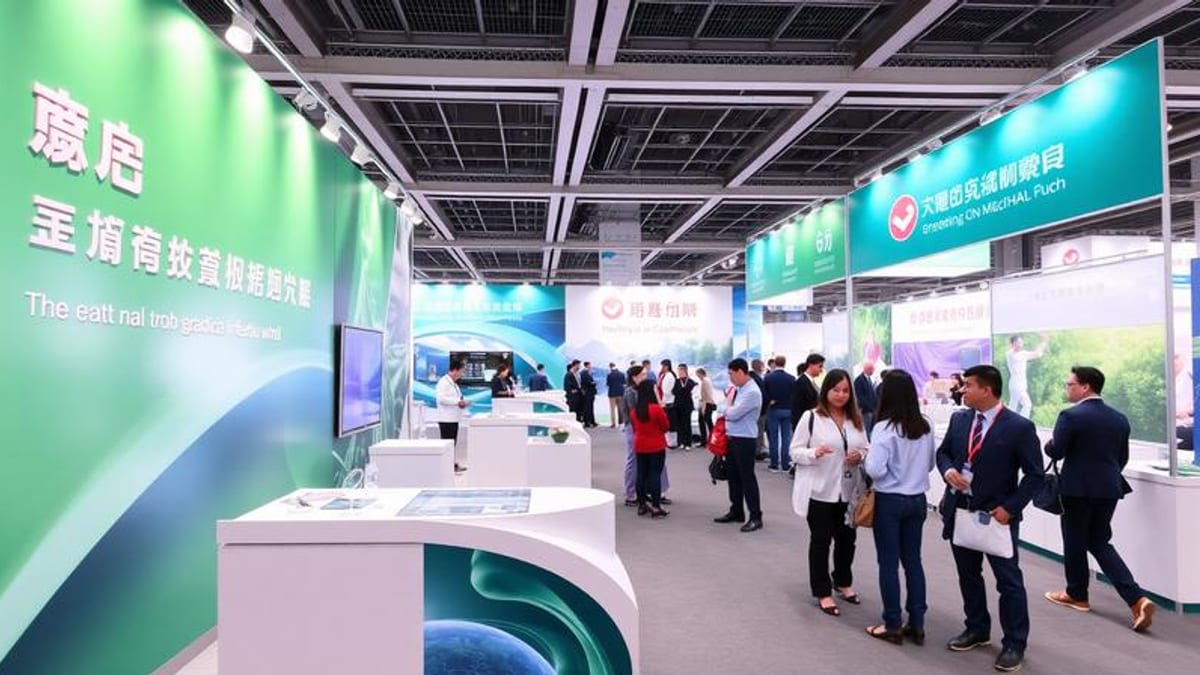
Image by Travel And Tour World
Showcasing Qionghai’s Medical Tourism Vision
The Boao-Qionghai city exhibition is framed as a window into how a once quiet coastal area is being repositioned as a high-end destination for medical travel, rehabilitation and wellness. Publicly available information on the exhibition indicates that curated displays highlight Qionghai’s role within the Hainan Free Trade Port and its ambition to link advanced healthcare with tropical leisure tourism.
Models, data panels and multimedia content focus heavily on the Boao Lecheng International Medical Tourism Pilot Zone, often referred to as China’s “medical special zone.” The exhibition outlines how Lecheng’s cluster of specialist hospitals, research centers and rehabilitation facilities has been built to attract overseas visitors seeking access to devices, drugs and therapies that are often available there ahead of wider rollout in the domestic market.
Reports on Hainan’s recent tourism and healthcare strategy show that Qionghai’s medical tourism narrative is closely tied to national plans for the Hainan Free Trade Port, which emphasize healthcare, conferences and exhibitions as key growth sectors. By concentrating these themes in a single exhibition space during major events in Boao, local authorities are aiming to give international delegates and tourists an accessible overview of the city’s evolving role in global health travel.
The exhibition’s city-branding elements also stress Qionghai’s coastal scenery, mild climate and resort infrastructure as part of a broader promise of “travel plus treatment.” This combination is presented as a differentiating factor in the wider Asian medical tourism market, where destinations increasingly compete not only on clinical quality but on the overall recovery and vacation environment.
Boao Lecheng: Core Engine of a Health Innovation Cluster
At the heart of the Boao-Qionghai narrative is Boao Lecheng International Medical Tourism Pilot Zone, which sits within Qionghai’s jurisdiction and has become a focal point in national medical tourism coverage. The zone is described in recent reports as China’s only national-level medical tourism pilot area, benefiting from a suite of special policies on drug and device importation, licensing and cross-border data use.
According to published data, Boao Lecheng has seen sustained double-digit growth in medical tourist visits, with hundreds of thousands of patients now traveling to the zone annually for services ranging from high-end diagnostics and oncology to chronic disease management and rehabilitation. Coverage of the zone’s development notes that many of these visitors are attracted by access to innovative therapies that can be used in Lecheng once approved overseas, sometimes months or years before they become widely available in the rest of China.
Policy analyses highlight that Hainan has introduced zero-tariff treatment for certain imported medicines and medical devices within the pilot zone, alongside streamlined regulatory pathways intended to accelerate the introduction of international products. These measures are presented at the city exhibition as a core advantage for Qionghai, underscoring how regulatory innovation is being used to reinforce its tourism identity.
The exhibition materials also draw on publicly available cases in which international companies have chosen Boao Lecheng as a base to pilot new technologies or build production capacity, reflecting a broader shift from simple “treatment tourism” to a combined ecosystem of care delivery, clinical trials and life sciences research.
New Health and Wellness Products for Global Visitors
Beyond high-end clinical care, the Boao-Qionghai exhibition places growing emphasis on integrated health and wellness offerings designed for international travelers. Reports on recent product launches in Hainan indicate that Boao Lecheng and surrounding areas have rolled out a series of medical tourism “packages” that combine specialist treatment with physical checkups, recovery stays and wellness activities such as spa programs, coastal rehabilitation and traditional Chinese medicine therapies.
Public coverage of the zone’s development notes that these products target patients and well-being travelers from markets including Southeast Asia, the Middle East and North America, while also catering to domestic visitors who seek preventive health services and lifestyle management in a resort setting. Exhibits highlight how packages are often tailored to conditions such as cardiovascular disease, orthopedics, cancer follow-up and fertility, linking hospital stays with recuperation in nearby hotels and coastal resorts.
The exhibition also showcases the role of digital services in supporting medical tourists, including teleconsultation platforms, remote follow-up tools and multilingual service interfaces. According to media reports on Hainan’s broader healthcare innovation, such systems are being promoted as a way to extend care beyond the patient’s stay in Qionghai, facilitate pre-arrival triage and improve coordination with referring physicians overseas.
Wellness-focused displays introduce visitors to Qionghai’s portfolio of sports and outdoor activities, from cycling routes to river cruises, positioned as options for low-intensity recovery and stress relief. This mix of clinical interventions and leisure experiences is presented as central to the city’s strategy to attract travelers who want comprehensive health journeys rather than single procedures.
Connectivity, Free Trade Policies and Tourism Growth
The Boao-Qionghai city exhibition situates medical tourism within a larger narrative of improved transport, trade openness and inbound travel growth. Information from aviation and transport sources indicates that Qionghai Boao International Airport has been upgraded and approved for international operations, allowing more direct access for overseas visitors heading to medical facilities and conferences in Boao and Lecheng.
Hainan’s free trade policies are also prominently featured. Public policy documents describe how the Hainan Free Trade Port framework supports cross-border capital flows, simplified customs procedures and more liberalized service sectors, including healthcare and tourism. In the exhibition, these advantages are translated into visitor-facing messages about easier access, smoother logistics for imported medical supplies and a friendlier environment for international insurance and service providers.
Travel and economic reports show that Hainan has experienced a rebound and diversification of inbound tourism, with medical travel cited as an emerging growth point alongside beach, duty-free and conference tourism. By aligning the Boao-Qionghai exhibition with major international gatherings in Boao, organizers aim to convert conference delegates into future patients or wellness travelers, encouraging them to return for specialized care or long-stay health programs.
Information on Qionghai’s infrastructure planning further suggests that the city is expanding hotel capacity, upgrading public transport links and enhancing English-language signage and services in core tourism zones. These efforts are presented at the exhibition as practical steps to make medical travel more seamless for foreign visitors who may be navigating China for the first time.
Positioning Qionghai in the Global Medical Tourism Landscape
Coverage of international medical tourism trends places Qionghai in a competitive field that includes destinations in Southeast Asia, the Middle East, Europe and the Americas. The Boao-Qionghai city exhibition leans on Hainan’s unique combination of policy experimentation, access to leading-edge treatments and island environment to position the city as a differentiated choice within this landscape.
Analysts of China’s health sector note that the Boao Lecheng model is intended to serve as a demonstration of how regulatory innovation and free trade mechanisms can draw global healthcare resources and patients into a single, highly specialized zone. By embedding this model in Qionghai’s broader tourism strategy and promoting it through the city exhibition, local planners are attempting to move up the value chain from volume-based tourism to higher-spending, longer-stay medical and wellness travel.
The exhibition narrative also reflects a shift toward integrating public health goals with tourism development. References in planning documents to “Healthy China” strategies emphasize preventive care, chronic disease management and healthy lifestyles, themes that are echoed in displays promoting Qionghai’s clean air, coastal landscapes and outdoor recreation options as part of its health offering.
As global travelers regain confidence and look for destinations that combine high-quality care with meaningful travel experiences, Qionghai’s latest exhibition is positioning the city as a test bed for a new kind of medical tourism hub. The focus on innovation, accessibility and wellness signals that Boao and the surrounding area intend not only to attract patients in need of advanced treatment, but also to appeal to a wider audience seeking long-term health maintenance in a resort-like setting.