

More news on this day
Tech-focused aparthotel operator Bob W is sharpening its focus on Munich with a newly revealed city centre property, signalling growing confidence in the Bavarian capital as one of Europe’s most resilient and lucrative hospitality markets.
Get the latest news straight to your inbox!
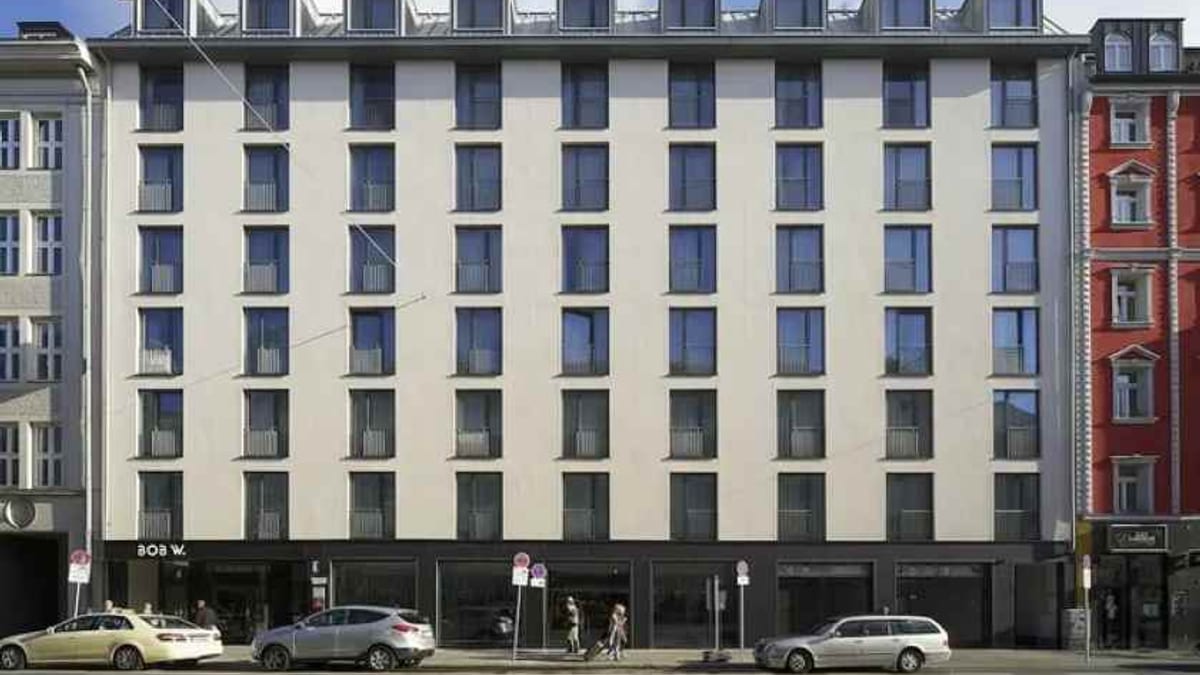
Image by International Hotels News, Hotel Industry & Hospitality News
New Munich City Centre Asset Anchors Expansion Push
Bob W’s latest move in Munich is centred on a sizeable city centre property on Schwanthalerstrasse, identified in German trade coverage as Bob W Munich City Centre. Publicly available information indicates that the Finland based company has signed a long term lease for the former Adagio aparthotel, a building offering around 5,800 square metres of space in a central district just south of the main station.
The asset provides 119 studios and one bedroom apartments, all equipped with kitchens, positioning the property squarely in the fast growing serviced apartment and aparthotel segment. The building’s previous life as a branded aparthotel means the conversion focuses less on structural change and more on design, technology integration and the operator’s own service model.
Reports indicate that the new city centre property will sit alongside existing Bob W locations in Munich’s Schwabing, Old Town and Münchner Freiheit districts, as well as at Munich Airport and in the western part of the city. The cluster gives the operator a spread of locations that reach both business and leisure demand, while deepening brand visibility across multiple neighbourhoods.
The decision to secure a large, already trading city centre building at a time of mixed investor sentiment toward hospitality shows how operating platforms like Bob W are using lease deals to scale quickly in markets where direct acquisitions remain highly competitive and expensive.
Why Munich Matters for Bob W’s Growth Strategy
Munich has long been one of Germany’s most supply constrained and high value hotel and residential markets, and recent market reports suggest that the adjustment phase in the city’s real estate sector is largely complete. Investment research covering 2025 points to persistent demand for centrally located assets despite subdued consumer confidence, with the city centre continuing to attract capital and new development.
For hospitality operators, that backdrop creates both challenges and opportunities. High land and construction costs limit new builds, but strong corporate activity, a robust technology and life sciences base, and consistently high visitor numbers underpin room demand. Industry data from recent years has shown Munich repeatedly ranking among Germany’s top performers in revenue per available room, particularly during major trade fairs and events that push occupancy near capacity.
In this context, Bob W’s bet on Munich aligns with a strategy that targets gateway European cities with deep demand pools and limited flexible stay supply. The company’s existing properties near Münchner Freiheit and in Schwabing already tap into creative, residential style districts popular with digital workers and long stay guests, while the airport location provides a foothold in transit and business travel. Adding a substantial city centre site consolidates that network and allows the brand to capture short breaks, extended stays and project based corporate demand in a single footprint.
Market observers note that this multi node presence across one metropolitan area reflects a broader trend in which aparthotel brands seek not just a flagship, but a citywide platform. For Bob W, Munich has effectively become a test bed for how tech enabled serviced apartments can scale in a mature, highly regulated urban market.
From Conversion Deals to a Five Property Footprint
The city centre lease continues a sequence of Munich transactions for Bob W that started with three conversion properties taken over from local operators H’Otello and H’Apato. Announced in early 2025, those agreements covered former hotel and aparthotel assets in Schwabing, Old Town and near Münchner Freiheit, adding close to 200 units and almost 4,000 square metres to the portfolio.
Later in 2025, sector publications reported that Bob W had signed a long term lease for a serviced apartment building in Arnulfpark, in the city’s so called Tech Quarter. That project, close to Donnersbergerbrücke station, was described as the company’s fifth Munich property and highlighted for its connectivity to the city centre and its focus on studio and one bedroom layouts aimed at both short and long stays.
Combined with the newly revealed city centre asset on Schwanthalerstrasse and the airport property already trading under the Bob W flag, these deals have turned Munich into one of the operator’s densest markets in continental Europe. The company has publicly indicated that it now controls thousands of units across more than a dozen countries, with Germany one of its key focus areas alongside the Nordic region, the United Kingdom and selected Southern European cities.
Analysts following the serviced apartment sector view the Munich expansion as part of a wider push by platform style operators to assemble regional portfolios through lease based conversions rather than ground up development. By taking over existing properties in established locations, Bob W has been able to accelerate market entry timelines while limiting exposure to construction risk.
Tech Led Serviced Apartments Meet Munich Demand
Bob W pitches itself as a tech powered hospitality brand, blending elements of hotels and short term rentals. Public descriptions of its products emphasise self check in, digital guest communication, cashless operations and the use of technology to manage pricing and occupancy across multiple markets. Units are typically fully furnished studios and apartments with kitchens, laundry access and co working style common areas.
In Munich, that offer dovetails with structural shifts that have been reshaping travel and housing. The city’s highly competitive rental market and tight vacancy rates have pushed many longer stay business travellers, relocating professionals and project teams to seek alternatives to traditional hotels. At the same time, remote and hybrid work patterns have increased demand for accommodation that can double as a temporary home and workspace.
Serviced apartments and aparthotels have been beneficiaries of this trend, with operators reporting higher average lengths of stay and more repeat corporate bookings. By positioning its Munich properties as design led, apartment style spaces in central and transit connected locations, Bob W is targeting those guests who want more independence than a typical hotel room provides but more reliability and professional management than an individual short term rental listing.
The scale of the new city centre property, with over one hundred self contained units, means the operator can also accommodate larger corporate clients seeking blocks of apartments for relocations, training programmes or long running projects. That segment is seen as increasingly important in markets like Munich where office based employers still draw international talent, even as traditional business travel patterns evolve.
Signals for Munich’s Evolving Hospitality Landscape
The arrival of another sizeable aparthotel in Munich’s core is likely to sharpen competition among hospitality brands already present in the city. International hotel groups, design focused lifestyle concepts and other serviced apartment operators have all added capacity in and around the centre in recent years, responding to steady visitor growth and the city’s status as a major trade fair and technology hub.
Local market reports suggest that, despite a slower investment climate in some parts of Germany, centrally located mixed use assets in Munich continue to attract interest, particularly where existing buildings can be repositioned for higher yielding uses such as extended stay hospitality. Conversions like the former Adagio aparthotel on Schwanthalerstrasse fit this pattern, allowing building owners to lock in long term tenants while shifting into product types with more stable occupancy profiles.
For city planners and neighbourhood stakeholders, the growth of aparthotels raises questions about how best to balance residential needs with tourism driven uses. Advocates of the model argue that professionally run serviced apartments can relieve pressure on the conventional housing stock by channelling short stay demand into dedicated buildings rather than individual flats. Critics counter that concentration of visitor accommodation in certain streets can affect local retail mixes and change the character of residential blocks.
Against that backdrop, Bob W’s expanding presence in Munich will be closely watched as a case study in how tech led aparthotel brands integrate into dense, mixed use urban districts. The newly revealed city centre property underlines the operator’s view that the Bavarian capital remains one of Europe’s most attractive long term bets for flexible hospitality, even as the broader market navigates shifting economic and travel cycles.