

More news on this day
Tech-powered hospitality brand Bob W is accelerating its push into Munich, turning Germany’s tourism capital into a showcase for a new, digitally driven vision of urban luxury stays.
Get the latest news straight to your inbox!
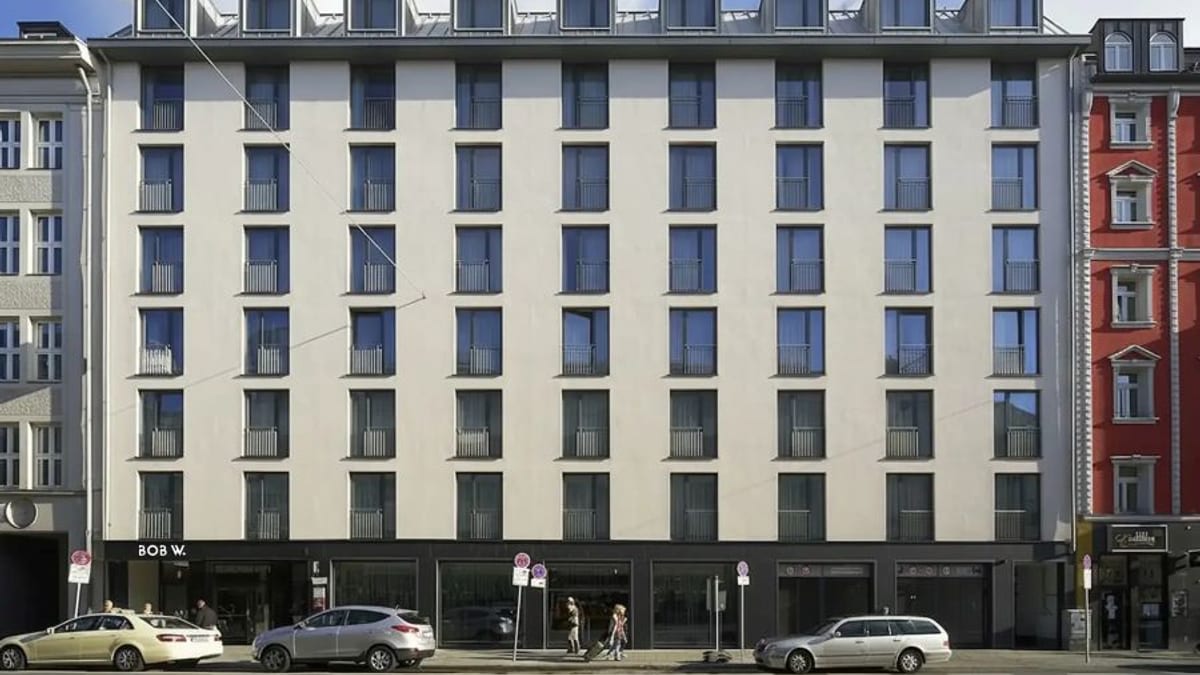
Image by International Hotels News, Hotel Industry & Hospitality News
Munich Becomes Flagship For Bob W’s German Strategy
Publicly available information shows that Bob W has rapidly elevated Munich to one of its most important hubs in continental Europe. The Helsinki-based operator, known for combining hotel-style service with apartment-style space, has moved from a foothold to a multi-property presence in the Bavarian capital in a short span of time.
Industry coverage indicates that the turning point came in early 2025, when Bob W secured three centrally located properties previously operated by H’Otello and H’Apato. The sites, now rebranded as Bob W Münchner Freiheit, Bob W Munich Old Town and Bob W Munich Schwabing, expanded the group’s German portfolio with nearly 200 additional units and close to 4,000 square metres of space dedicated to serviced accommodation.
These openings aligned with the company’s broader strategy in Germany, where Munich sits alongside Berlin, Hamburg, Cologne and other cities as priority markets. Observers note that the cluster approach, with multiple properties in a single destination, is designed to serve both corporate and leisure demand while building strong local brand recognition.
Munich’s position as a tourism and business powerhouse, bolstered by a strong events calendar, a major international airport and high spending visitors, has made it an obvious testing ground for Bob W’s concept of tech-enabled, flexible hospitality.
Fifth Munich Property Underscores Premium Urban Focus
By late 2025, Bob W’s commitment to Munich had deepened further with the signing of a fifth property in the city’s Arnulfpark district. According to company and trade announcements, the building is being repositioned as Bob W Munich City West, adding another layer to the brand’s presence in the urban core.
The five-storey property, formerly a boarding house, is being converted into fully furnished studios and one-bedroom apartments on four guest floors, with office space retained on the top floor. Reports indicate that an underground garage will provide on-site parking, positioning the asset to appeal to both drive-in visitors and business travellers.
Arnulfpark itself has become one of Munich’s most dynamic mixed-use quarters, home to the German headquarters of several major technology and digital firms. Proximity to Donnersbergerbrücke station links guests quickly to the historic centre and to regional rail, underscoring how Bob W is targeting locations that straddle business, leisure and commuter flows.
Travel-trade coverage notes that Bob W Munich City West joins existing locations in Schwabing, Old Town, Münchner Freiheit and near Munich Airport, giving the operator a diversified footprint that can capture visitors arriving by air, rail or car while offering a range of price points and neighbourhood experiences.
Hybrid Luxury: Local Design, Digital Guest Journeys
Bob W positions its offer as a hybrid between traditional hotels and private rentals, a model that is particularly visible in Munich. The converted properties feature serviced studios, larger apartments and penthouses, blending upscale residential-style layouts with hotel-like amenities and professional management.
Public descriptions of the Munich portfolio highlight a consistent emphasis on localised interior design, collaborations with nearby makers and artists, and neighbourhood-specific touches. In districts such as Schwabing and Münchner Freiheit, this approach taps into established creative and nightlife scenes, catering to guests seeking a sense of place rather than a generic room.
At the same time, Bob W leans heavily on technology to deliver what it describes as a seamless guest journey. Digital access, contactless check-in and app-based support allow the company to run leaner operations while still maintaining services expected in the upscale segment. Industry analyses point to strong guest satisfaction scores in Europe, an indication that the tech-first model has resonated with travellers who want both convenience and comfort.
Within Munich’s competitive hospitality market, which ranges from heritage grand hotels to design-forward boutiques and traditional guesthouses, Bob W’s serviced-apartment focus positions it in a growing niche. The brand targets guests who want more space for longer stays, but are unwilling to compromise on central locations, curated interiors and reliable service standards.
Germany Emerges As Core Growth Market
Munich’s evolution into a five-property cluster comes against a backdrop of broader German expansion for Bob W. The company has been steadily building its presence in major cities including Bonn, Berlin, Lübeck, Cologne, Dortmund, Stuttgart and Hamburg, often by converting existing hotels or mixed-use assets into serviced apartments.
Trade publications describe Germany as one of Bob W’s most important growth markets, supported by strong domestic business travel, resilient city tourism and a deep institutional real estate sector. Lease-based partnerships with property owners have allowed the operator to scale quickly without taking direct development risk, a model that has drawn attention from investors seeking alternative uses for existing buildings.
The Dortmund project in the historic Alte Post building, for example, illustrates how Bob W applies a similar formula in secondary hubs. There, a long-term lease for more than 3,000 square metres is being transformed into a 52-unit serviced aparthotel integrated into a larger office and retail complex. Analysts see parallels with the Munich City West strategy, where centrally located, transit-connected districts anchor new openings.
Collectively, these moves suggest that Munich is both a beneficiary and a showcase of the brand’s broader German ambitions. The city’s critical mass of Bob W properties allows the operator to test new digital features, refine sustainability initiatives and deepen relationships with local partners while maintaining a consistent standard of upscale, flexible accommodation.
Munich’s Tourism Appeal Amplifies The Upscale Shift
Munich’s status as one of Germany’s most visited cities has helped create fertile ground for Bob W’s interpretation of modern luxury. The city attracts international leisure guests for its historic architecture, museums and cultural events, while also drawing significant corporate travel linked to sectors such as automotive, technology and finance.
In neighbourhoods like Schwabing and the Old Town, the brand’s serviced apartments tap into demand from design-conscious city-break travellers who prioritise walkability and local character. Meanwhile, properties near the airport and in Arnulfpark are well positioned for trade fairs, conferences and corporate relocations, segments that increasingly value the additional space and kitchen facilities typical of serviced units.
Hotel and real estate commentators note that Munich has seen a steady rise in lifestyle and boutique openings in recent years, reflecting a broader shift in traveller expectations. Against this backdrop, Bob W’s Munich portfolio illustrates how tech-enabled serviced apartments are moving closer to the luxury mainstream, competing directly with high-end hotels for guests who expect both polished design and digital ease.
As new units come online and refurbishments progress, Munich is likely to remain at the centre of Bob W’s narrative in Germany. For the city, the brand’s expansion adds another layer to an already diverse hospitality landscape, underscoring how flexible, apartment-style concepts are reshaping what upscale travel looks like in one of Europe’s most resilient tourism capitals.