

More news on this day
A Frontier Airlines flight bound for Atlanta triggered a high-level security response after pilots reported a “possible hijacking” linked to a disruptive passenger said to have issued bomb and death threats, according to aviation tracking data and emerging media coverage.
Get the latest news straight to your inbox!
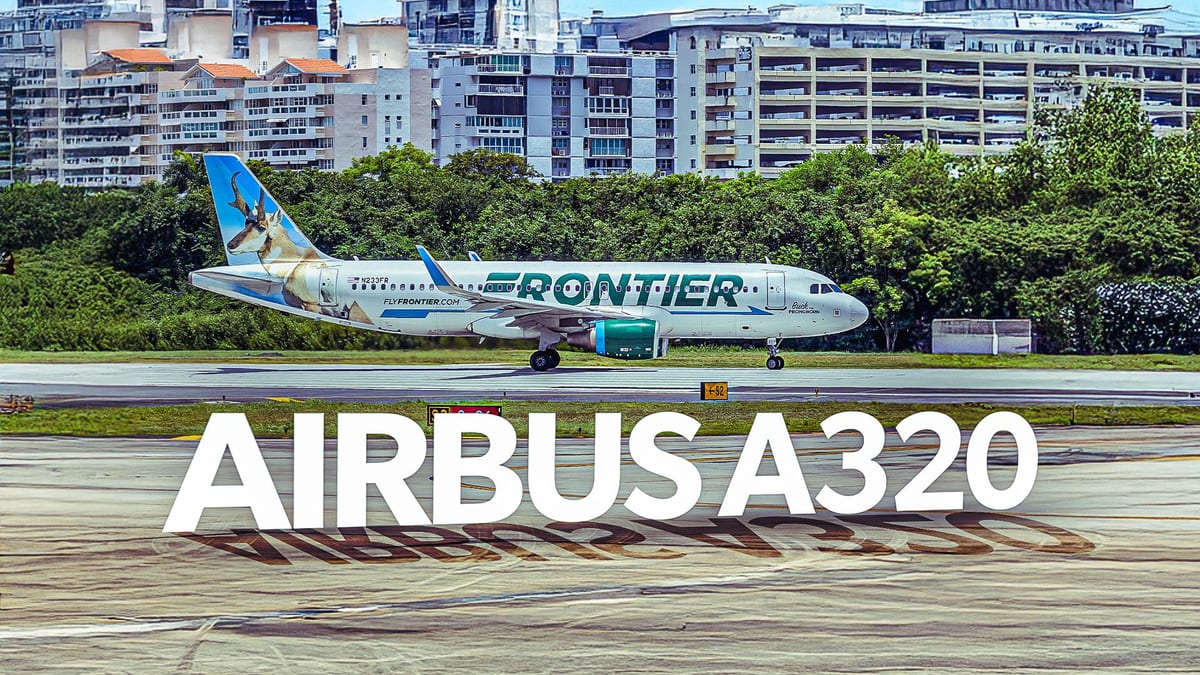
Image by Simple Flying
Emergency Landing in Atlanta After Escalating Inflight Threats
Publicly available flight-tracking information and posts from aviation-spotter communities indicate that Frontier Airlines flight F92539, traveling to Hartsfield-Jackson Atlanta International Airport on March 29, 2026, declared a serious security emergency in the final phase of its journey. The crew reportedly notified air traffic control of a “possible hijacking,” triggering heightened protocols as the aircraft approached Atlanta.
Discussion on aviation monitoring forums and social platforms, later picked up by specialist travel and aviation blogs, suggests the incident centered on a single passenger whose behavior escalated from verbal disruption to explicit threats. Reports describe bomb threats and death threats allegedly directed at another passenger seated nearby, prompting the crew to classify the situation as a high-risk event.
According to these accounts, the flight made an expedited approach and landing in Atlanta, where it was guided to a remote area of the airfield. Emergency response vehicles followed the aircraft to its stand-off position, consistent with procedures typically used for potential hijacking or bomb scenarios.
Initial online reports labeled the incident as a top-tier “Level 4” security emergency, a classification generally associated with attempted or ongoing hijacking. Subsequent updates shared by aviation enthusiasts indicated that the event was later reclassified as a “Level 3” incident, reflecting a severe onboard threat involving bomb and death threats but without confirmation of an organized hijacking attempt.
From ‘Possible Hijacking’ to Bomb Threat: How the Classification Shifted
The rapid shift in terminology, from “possible hijacking” to a downgraded but still serious onboard threat, highlights how fluid security classifications can be while a flight is still in the air. Aviation observers tracking air traffic control codes and emergency designations reported that the flight initially broadcast signals associated with the highest-level inflight security emergency.
As more information emerged and the situation appeared contained to one disruptive passenger, the classification reportedly moved to a lower tier. The updated description framed the event as a bomb threat and death threats involving a single individual rather than an organized hijacking plot. This type of reclassification is not unusual, as flight crews must err on the side of caution in the early moments of an unfolding incident.
For passengers, the technical distinctions between levels are largely invisible. Travelers on the flight would most likely have experienced an abrupt end to routine cabin service, heightened instructions from crew members, and a notably firm landing followed by an unusually long wait on the ground while emergency vehicles and airport personnel surrounded the aircraft.
Travel-industry analysts note that the language of hijacking, even when used cautiously as “possible hijacking,” can reverberate quickly once picked up by aviation watchers, amplifying public concern before official investigations clarify whether the threat was credible, a hoax, or the result of an individual passenger’s behavior.
Security Protocols for Bomb and Hijacking Threats in U.S. Airspace
While specific operational details for the Frontier incident have not been fully outlined in public reporting, standard security protocols in U.S. airspace provide a framework for what likely occurred behind the scenes. When crews become aware of possible bomb threats or hijacking-related behavior, they are trained to alert air traffic control immediately and to use internationally recognized transponder codes and terminology that flag a security emergency.
Once such a report is made, coordination typically expands to include airport operations, specialized law enforcement units, and federal agencies. Aircraft are commonly routed to land as soon as practical at a suitable airport, where they can be parked away from terminals and other traffic to allow a controlled response. Passenger disembarkation is often delayed until security teams have assessed the risk level and any individuals of concern have been isolated.
For airlines, these events involve strict adherence to established playbooks developed over decades of experience with hijackings, bomb threats, and disruptive passengers. Carriers balance the need for calm cabin management with the requirement to treat any mention of explosives or violence with the utmost seriousness, even when early indications suggest the threat may not be credible.
Industry commentary frequently stresses that most such incidents end without physical harm, but they impose significant operational and emotional costs. Flights may be delayed or canceled, aircraft taken out of rotation for inspection, crews and passengers interviewed, and airport operations temporarily disrupted.
Pattern of Recent Bomb Threat Scares Involving Frontier Flights
The Atlanta incident arrives amid a recent pattern of threat-related scares involving Frontier flights across the United States. Published coverage from regional broadcasters and aviation news sites has documented several episodes over the past year in which threatening notes or messages, including references to bombs, prompted emergency responses.
In one widely reported case, a Frontier flight bound for Denver was evacuated after landing when crew members discovered threatening notes on board. Law enforcement searches found no evidence of an explosive device, and the threat was later described in public reporting as not credible. In another incident, a Frontier flight arriving at Dallas Fort Worth International Airport was held on the tarmac while bomb squads and specialized teams responded to a bomb threat note found in a lavatory.
Similar events, including midair discoveries of threatening messages on flights to Cincinnati and other destinations, have led to ground searches, diversions, and elevated responses. In each of those cases, public statements referenced by news outlets indicated that no explosives were found and that investigations focused on identifying the individual or individuals responsible for the hoax threats.
These episodes mirror a broader rise in threat-related disruptions affecting airlines, where verbal claims, notes, or renamed personal electronic device hotspots containing bomb-related language can trigger full-scale security protocols. The Frontier case in Atlanta stands out because of the early description as a “possible hijacking,” a term that carries especially strong resonance for travelers and aviation professionals alike.
Impact on Passengers and Ongoing Questions for Aviation Security
For passengers on the Frontier flight into Atlanta, publicly shared accounts suggest an experience marked by confusion, fear, and long waits as the aircraft was escorted away from normal traffic patterns. While official passenger narratives have yet to be comprehensively documented in mainstream coverage, social media posts and aviation forum discussions describe an atmosphere of alarm once it became clear that the situation involved bomb and death threats.
Travel experts point out that, even when no physical harm occurs, the psychological impact of such an incident can linger. Travelers may reconsider future bookings, question airlines’ communication practices during crises, or seek compensation for delays and missed connections. Some may also push for clearer guidance on what to expect when a flight is subject to an inflight security alert.
The Atlanta scare also feeds into a wider conversation about security pressures on low-cost carriers that operate dense networks and high aircraft utilization. Observers note that while airline safety and security standards are tightly regulated across the industry, repeated hoax threats or disruptive passengers on a particular carrier can shape public perception, especially when incidents receive viral attention online.
As investigations into the Frontier event continue, aviation specialists anticipate further scrutiny of how inflight threats are categorized, communicated, and managed. The “possible hijacking” designation, later reframed as a high-level bomb and death threat against a fellow passenger, underscores the challenge of balancing rapid, precautionary action with the need to avoid unnecessary alarm among travelers on board and watching from the ground.