

More news on this day
American travelers eyeing big 2026 trips are confronting a fast-changing air travel market, where strong demand, constrained capacity and rising jet fuel costs are combining to put fresh upward pressure on fares just as many consumers start planning next year’s vacations.
Get the latest news straight to your inbox!
Air Travel Demand Is Still Climbing Into 2026
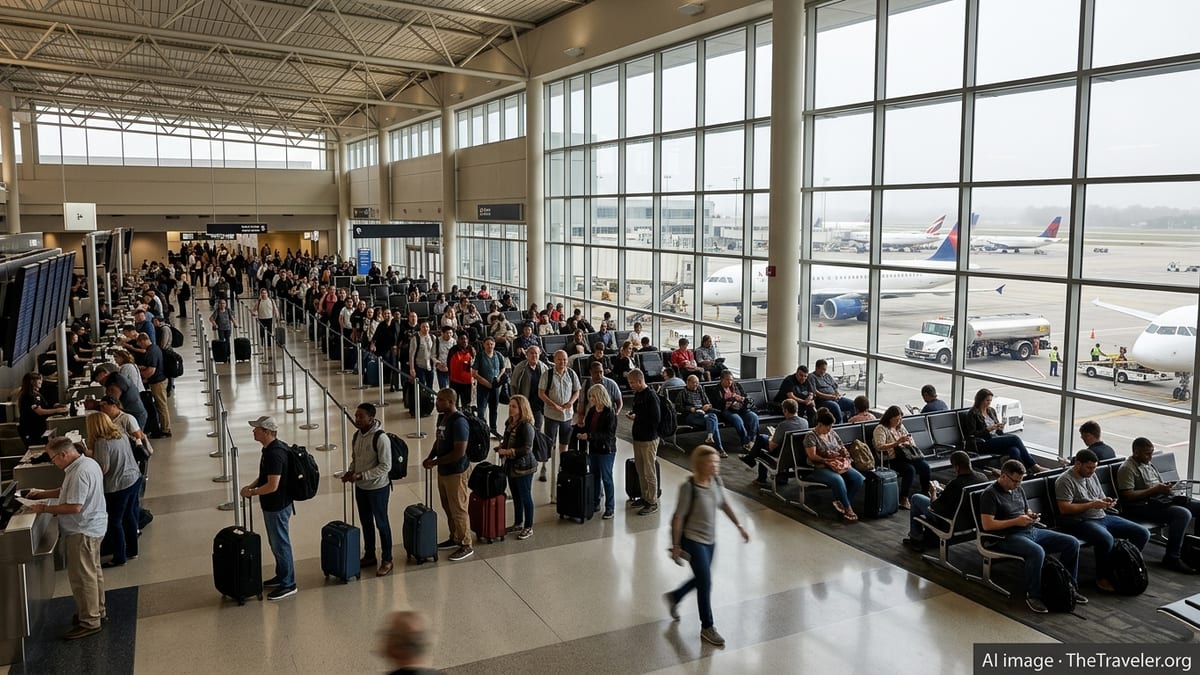
Recent industry data indicates that demand for air travel remains strong as 2026 gets underway, even after several years of recovery and growth. The International Air Transport Association reports that global passenger traffic continued to expand through late 2025 and into January 2026, with capacity growing more slowly than demand in many markets, a dynamic that typically supports higher fares.
North American carriers are part of that trend. Industry forecasts released in early 2026 describe a market where passenger volumes are at or near record levels, while airlines remain cautious about adding too much capacity, partly because of aircraft delivery delays and ongoing operational constraints. That combination has kept load factors high, meaning more full flights and fewer empty seats for last-minute buyers.
Airport organizations are also projecting continued strength. A long-term forecast published in January 2026 by Airports Council International points to sustained growth in airport traffic across North America over the coming decades, underpinned by robust demand for both domestic and international travel. While long-range, these projections reinforce the view that the current surge is part of a broader upward trend, not a brief spike.
For leisure travelers planning 2026 vacations, this backdrop suggests that the days of abundant, deeply discounted seats on popular routes may remain limited. As demand stays elevated, prices on peak travel dates and high-demand destinations are more likely to firm than to fall sharply.
Jet Fuel Costs Add New Pressure to Airline Pricing
At the same time that demand is holding up, airlines are facing renewed cost pressures from jet fuel. Publicly available energy data shows that kerosene-type jet fuel prices, which had moderated at various points in 2025, moved higher again in recent months amid geopolitical tensions and disruptions to global oil supplies affecting key shipping routes.
Coverage from major news agencies in mid-March 2026 describes U.S. airlines confronting a noticeable rise in fuel bills as the busy summer season approaches. Jet fuel is one of the largest operating expenses for carriers, often representing around a quarter of total costs. When fuel prices rise quickly, airlines have limited options beyond adjusting fares, adding surcharges in some markets or trimming less profitable flying.
Some international airlines have already announced fuel surcharges or targeted fare increases in response to the latest run-up in costs, according to recent reporting. In the United States, airline executives have signaled that higher fuel expenses are likely to translate into higher ticket prices, particularly on long-haul routes that burn more fuel per passenger.
Government statistics on airline fuel consumption underline how sensitive the sector is to price swings. Data from the U.S. Bureau of Transportation Statistics for 2025 show that even relatively small changes in the average price per gallon can translate into hundreds of millions of dollars in additional costs industrywide, especially when fuel use is rising alongside growing traffic.
Capacity Constraints and Crowded Flights Limit Bargain Potential
Strong demand and higher fuel costs are intersecting with another factor that matters for 2026 travelers: limited capacity growth. Airline and manufacturing disclosures point to continuing delivery delays for new aircraft, as well as maintenance and supply chain challenges that limit how quickly airlines can expand their fleets and schedules.
Industry outlooks released in late 2025 and early 2026 emphasize that, while airlines are adding seats compared with earlier years, the pace of expansion remains measured. Some large U.S. carriers have even trimmed near-term capacity guidance for early 2026, reflecting both cost pressures and operational caution. With fewer spare aircraft in reserve, airlines have less flexibility to layer in extra flights when demand spikes.
Global and regional data for late 2025 show that capacity growth in many markets has lagged demand growth, lifting load factors to historically high levels. Reports from airports across North America describe traffic volumes close to or above pre-pandemic records, keeping terminals and aircraft busy even outside peak holiday periods.
For passengers, this environment often translates into reduced last-minute availability at lower fare classes. Discounted seats may sell out earlier on popular routes, especially for school holidays, major events and peak summer and winter travel windows. Travelers who wait may still find seats, but they are more likely to be booking into higher fare buckets, raising average trip costs.
What This Means for Booking a 2026 Getaway
Against this backdrop, the timing of 2026 bookings becomes a strategic decision. Historical pricing patterns suggest that fares can still fluctuate significantly over the course of a year, but the current combination of robust demand, rising fuel costs and constrained capacity tilts the balance toward booking earlier, particularly for fixed dates and in-demand destinations.
Travel analysts note that airlines increasingly use dynamic pricing systems that respond quickly to booking trends. When early demand for a specific route and date is strong, lower-priced fare categories can disappear months in advance. With many Americans already planning big-ticket trips for milestone events or postponed vacations, that early demand is likely to show up well before departure.
At the same time, there are scenarios in which waiting could pay off. If fuel prices ease from current levels, or if economic growth slows and demand softens, airlines may have to stimulate sales with promotions, especially on off-peak days or less popular routes. Energy forecasts from mid-2025 had pointed toward lower average oil prices in 2026, although the more recent geopolitical disruptions have complicated that outlook.
For most travelers, the key question is not whether fares might drop at some point, but how much risk they are willing to take on itinerary choice, schedule and price. Those with rigid travel windows or plans tied to school calendars may benefit most from locking in tickets earlier, while flexible travelers may be better positioned to watch prices and pounce on any dips that emerge.
Practical Strategies for U.S. Travelers Planning Ahead
In this uncertain environment, travelers weighing 2026 plans can focus on tactics that reduce exposure to rising fares without overcommitting. One widely used approach is to book core flights early when prices are reasonable and availability is good, while choosing tickets that allow some changes for a modest fee. That can secure a baseline itinerary while preserving the option to adjust if better deals appear.
Monitoring fare trends over time can also help. Many airlines and third-party tools allow travelers to track price movements on specific routes, offering alerts when fares fall within a preferred range. In a market characterized by both strong demand and cost volatility, these tools can provide a clearer sense of whether a price is competitive relative to recent history.
Travelers may also want to consider alternative airports or travel days, especially in the United States where major metropolitan areas are often served by multiple hubs. Publicly reported traffic figures show that some secondary airports and midweek flights can be less congested, which sometimes results in lower fares and a smoother airport experience.
Finally, travelers planning 2026 trips outside the United States should pay particular attention to long-haul pricing, where the impact of higher jet fuel costs can be most pronounced. Booking those flights further in advance than in previous years, and building some flexibility into connections or routing, may provide additional protection against potential price spikes as departure dates draw closer.