

More news on this day
Hundreds of passengers traveling through Boston Logan International Airport on March 6 faced severe disruption as JetBlue, American Airlines, Delta Air Lines and United Airlines racked up 345 flight delays and 30 cancellations, snarling connections to New York, Chicago, London and other key US destinations.
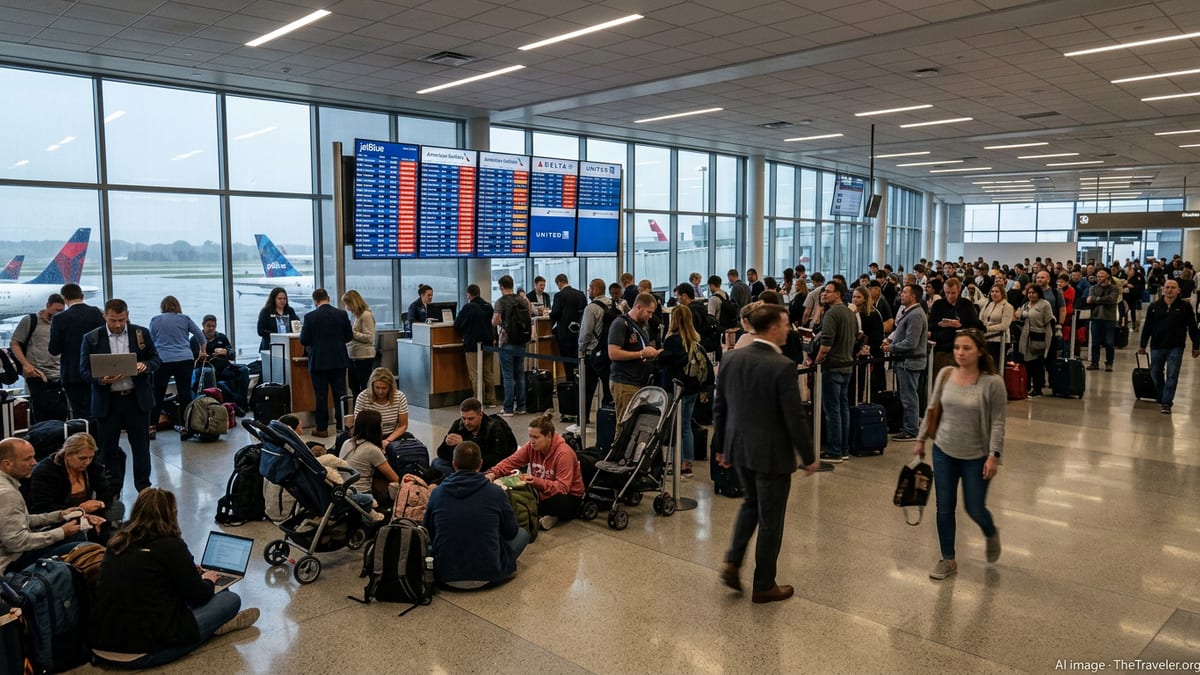
Logan Gridlock Sends Shockwaves Across Airline Networks
The latest day of disruption at Boston Logan underscored how quickly delays at a major hub can cascade across domestic and transatlantic networks. According to live airport operations data and independent delay trackers, the combined schedules of JetBlue, American, Delta and United out of Boston saw hundreds of services pushed back, with departure holds ranging from minor schedule slippages to multi hour waits at the gate.
JetBlue, which maintains one of its largest operations at Boston Logan and uses the airport as a cornerstone of its East Coast network, appeared to shoulder a significant share of the disruption. A number of its flagship routes linking Boston with key business and leisure markets such as New York, Fort Lauderdale, San Francisco and Raleigh showed extended delays, with knock on effects for later departures using the same aircraft and crews.
Legacy carriers were not spared. American Airlines, Delta Air Lines and United Airlines reported rolling delays across their Boston operations, affecting both mainline and regional services. Evening departures into major hubs were particularly hard hit, complicating onward connections and forcing some passengers into overnight stays.
The combination of congested airspace along the busy Northeast corridor, operational constraints and earlier weather impacts created a fragile operating environment in which relatively minor issues quickly translated into large scale schedule disruption.
Ripple Effects in New York, Chicago and London
The knock on impact of Boston’s problems was quickly felt at other major gateways. New York’s primary airports saw growing numbers of delayed arrivals from Logan, with aircraft arriving late and turning around behind schedule for onward legs. Tightly timed shuttle style services between Boston and New York were among those most vulnerable, as even short initial delays eroded turnaround buffers.
In Chicago, real time disruption data from O’Hare showed hundreds of delayed flights and several dozen cancellations across carriers on March 6, with United and American among those affected. While not all of those problems originated in Boston, late running aircraft and crews arriving from Logan added to the strain on already congested schedules at one of the country’s busiest hubs.
Transatlantic operations also came under pressure. Boston’s role as a departure point for flights to London and continental Europe meant that departure holds in New England translated into late night or next day arrivals on the other side of the Atlantic. Travelers bound for London from Boston on US and European carriers reported revised departure times and tighter connection windows at onward European hubs.
With many long haul flights scheduled in banked waves late in the afternoon and evening, any significant delay window during the day can leave airlines little room to recover schedules before the overnight transatlantic push.
Stranded Passengers Face Long Lines and Limited Options
For travelers on the ground, the disruption was felt most acutely at check in counters and rebooking desks across Boston Logan. With 30 flights canceled outright across the four major carriers and hundreds more delayed, same day re accommodation became increasingly difficult, particularly on high demand routes into New York, Chicago and Florida.
Passengers described long lines at service desks as people scrambled for alternative flights, hotel vouchers and meal credits. Those holding tickets on heavily booked evening departures often found that the next available seats were not until the following day, forcing many to accept overnight hotel stays or lengthy detours through secondary hubs.
Families traveling at the start of spring break periods and business travelers with tightly scheduled meetings were among the most affected. Some opted to abandon air travel altogether in favor of rail or rental car options on shorter Northeast routes, particularly between Boston and New York, where Amtrak and regional operators offer competitive journey times when air schedules unravel.
Frequent flyers noted that while airlines did issue standard delay announcements and pushed updates through their mobile apps, communication about realistic rebooking options and estimated recovery times often lagged behind the evolving situation at the gates.
Operational Strain Highlights Ongoing Industry Vulnerabilities
The turbulent day at Boston Logan highlighted structural vulnerabilities that continue to challenge US airlines, even as demand for air travel remains strong. Airline operations experts point to tight crew scheduling, high aircraft utilization and chronic congestion in key air traffic corridors as factors that leave carriers with little slack when unexpected disruptions hit.
In Boston, a late arriving aircraft or crew on an early morning leg can snowball into extensive knock on delays throughout the day, especially on network carriers like JetBlue that operate dense schedules built around short turnarounds. Similar patterns are seen across American, Delta and United, where hub banks are designed for efficiency in normal conditions but can quickly become chokepoints during irregular operations.
Weather remains an underlying concern at this time of year, with fast changing conditions around Boston and New York frequently triggering ground delay programs and tighter spacing between arrivals and departures. Even when skies clear later in the day, earlier traffic management initiatives can leave a backlog that is difficult to fully absorb before the evening rush.
Regulators and consumer advocates note that the burden of these vulnerabilities often falls on travelers, who face missed connections, additional out of pocket costs and uncertainty about compensation when delays are attributed to air traffic or weather rather than controllable airline issues.
What Travelers Should Know if Flying Through Boston
Travel advisors suggest that passengers with upcoming trips through Boston Logan build additional buffer time into their itineraries, especially if connecting onward through New York, Chicago or major European hubs. Booking longer connection windows, favoring earlier departures and avoiding the last flight of the day on critical legs can all help reduce the risk of becoming stranded.
Experts also recommend that travelers monitor flight status proactively through airline apps and sign up for text alerts, rather than relying solely on airport departure boards. When delays start to appear, acting early to request rebooking, explore alternative routings or secure hotel rooms can make a significant difference in the outcome.
Those impacted by the latest wave of disruption are being advised to retain receipts for meals, ground transport and accommodation in case they qualify for reimbursement or travel credits under airline policies. While US regulations do not currently mandate compensation in the same way as some international regimes, many carriers offer vouchers or goodwill gestures when delays are within their control.
With Boston Logan expected to remain one of the most tightly scheduled airports in the Northeast as carriers rebuild networks and adjust to shifting demand, travelers connecting through the city may continue to face periodic bouts of disruption, particularly during peak travel seasons and adverse weather spells.