

More news on this day
Hundreds of travelers across the United States are facing disrupted plans as Boston Logan International Airport reports around 165 delayed flights and 18 cancellations, affecting services operated by Republic Airways, Delta Air Lines, Cape Air and other carriers on key routes to New York City, Charlotte Amalie, Austin and additional destinations.
Get the latest news straight to your inbox!
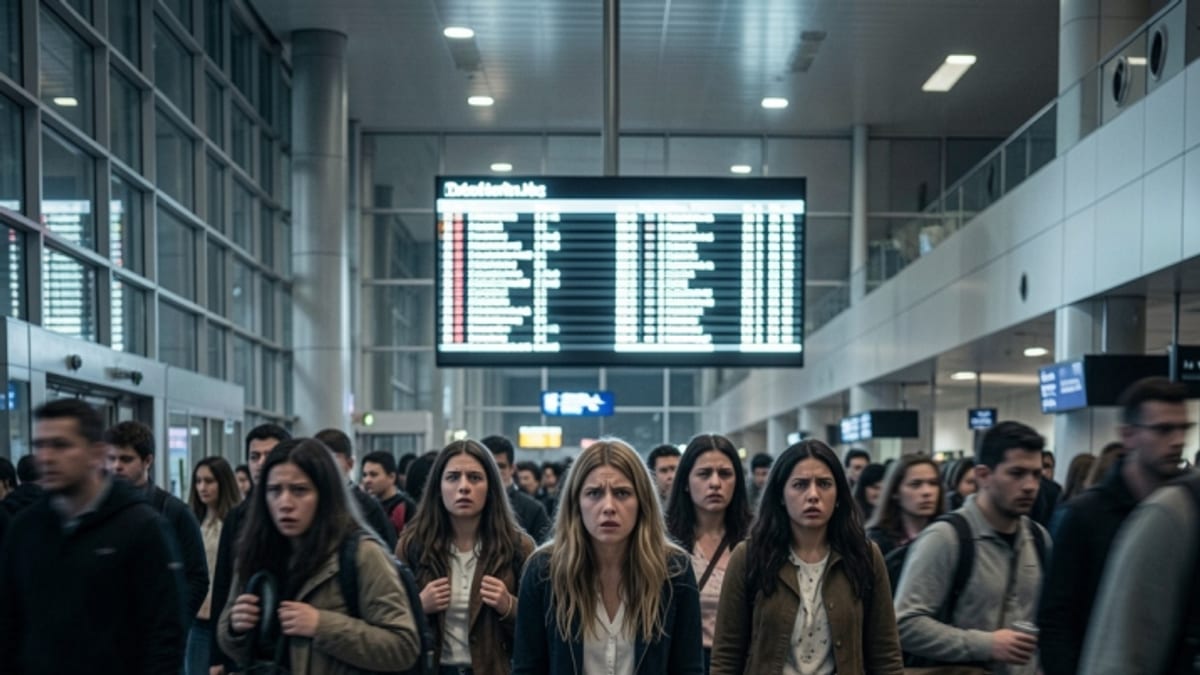
Image by Travel And Tour World
Operational Strain at a Major New England Hub
Boston Logan’s role as a critical Northeast hub means even moderate disruptions can quickly cascade through airline networks. Publicly available flight tracking data on Sunday, March 29, indicates that a mix of regional and mainline operations into and out of Boston are running behind schedule, with knock-on effects for connecting traffic throughout the day.
The latest figures point to roughly 165 flights departing from or arriving at Logan experiencing delays, alongside 18 outright cancellations. While this level of disruption falls short of the mass shutdowns seen during major winter storms, the pattern is proving particularly painful for passengers on short and medium-haul routes that rely heavily on tight connection windows.
Flight-status boards show delays scattered throughout the schedule rather than confined to a single bank of departures or arrivals. This suggests a combination of contributing factors, including residual weather effects in other parts of the country, aircraft and crew repositioning challenges, and the sensitivity of high-frequency shuttle routes to even minor timing issues.
As the day progresses, aviation data indicates that some delayed flights are recovering time en route, but the backlog of late departures in Boston is still contributing to rolling disruptions at downstream airports.
Airlines Most Affected: Republic, Delta, Cape Air and Others
Publicly available information on carrier operations shows that regional operator Republic Airways is among the airlines most affected, reflecting its role flying feeder services under major-brand banners. Delays and cancellations on Republic-operated flights can quickly reverberate, as these services often connect passengers from smaller markets into the national networks of large carriers.
Delta Air Lines, a significant presence at Boston Logan, also appears in the list of disrupted operations. Network data indicates that Delta’s Boston flights serve a mix of business-focused routes, including New York City and other East Coast cities, along with longer domestic sectors. When early-morning or mid-day Boston departures run late, subsequent aircraft rotations across the country can be pushed back, amplifying the impact beyond New England.
Cape Air, which operates a fleet of smaller regional aircraft linking Boston to communities across New England and to Charlotte Amalie in the US Virgin Islands through codeshare arrangements, is likewise experiencing schedule pressure. Delays on these thinner routes can leave travelers with limited same-day alternatives, particularly when only a handful of frequencies operate between two cities.
Several other carriers with smaller footprints at Logan are also reporting scattered disruptions. While these operators account for fewer total flights, the effect on individual passengers can be just as severe, especially where there is no competing airline on a given route.
Key Routes Disrupted: New York, Charlotte Amalie, Austin and Beyond
Among the most visible pinch points are routes linking Boston with New York City area airports. These corridors are some of the busiest in the country, used heavily by business travelers and same-day commuters. When departure times slip by even 30 to 60 minutes, the result can be missed meetings and broken connections, as well as overcrowded gate areas as passengers wait for updated departure estimates.
Farther afield, flights between Boston and Austin are also caught up in the disruption. These services connect two fast-growing tech and business hubs, and delays can complicate connections from Austin onward to the West and Southwest. For travelers relying on a single daily or limited-frequency flight, a delay or cancellation from Boston can mean long rebooking windows and potential overnight stays.
Service to Charlotte Amalie in the US Virgin Islands, which is often operated in partnership between major carriers and regional partners like Cape Air, is similarly exposed. Because these leisure-oriented flights are frequently tied to hotel check-in times and cruise departures, any disruption can create outsized ripple effects for downstream travel plans and prebooked activities.
Additional affected routes include a mix of domestic and near-international destinations that depend on Boston as a connecting gateway. According to published coverage of recent airline performance trends, Logan has increasingly served as an alternative connecting point for passengers seeking to bypass more congested hubs, which can heighten the impact when its own operations slow.
Passenger Experience: Long Lines, Tight Connections and Limited Options
Reports from travelers describe longer-than-usual queues at check-in counters and security checkpoints, as passengers on delayed flights occupy the terminal for extended periods and rebooking activity increases. When multiple flights in the same time window are delayed or canceled, customer service desks may become strained as travelers seek new itineraries or same-day alternatives.
For those with onward connections, especially via hub airports like New York, Atlanta, or Detroit, the timing of Boston departures is critical. A delay of one or two hours on a regional segment can easily translate into a missed transcontinental or Caribbean connection, forcing travelers to wait for the next available seat. On routes with limited frequencies, this can result in significant arrival delays at final destinations.
Families and leisure travelers bound for destinations such as Charlotte Amalie face particular challenges. Package trips are often built around fixed arrival times, and disruptions from Boston can trigger cascading changes to hotel check-in schedules, transportation bookings, and excursions. In some cases, publicly available accounts from similar disruption events show passengers arriving a full day later than planned when rebooked via alternative hubs.
At the airport itself, demand for food, seating and charging points typically rises when delays mount. Passengers may also encounter gate changes as airlines shuffle aircraft and crews to minimize longer-term interruptions in their networks.
What Travelers Can Do as Disruptions Continue
Travel industry guidance suggests that passengers flying through Boston Logan on March 29 should monitor flight status frequently through airline apps and airport information boards, as departure times can change with little notice once weather and air-traffic patterns evolve. Same-day adjustments to routings are sometimes possible, particularly for travelers with flexible schedules or multiple potential connecting hubs.
For those on routes to New York City, Austin, Charlotte Amalie and other key destinations, arriving at the airport earlier than usual may help cushion the impact of unexpected security queues or last-minute gate changes. Travel advisers often recommend keeping carry-on essentials accessible, including medications and important documents, in case delays extend into lengthy waits on the ground.
According to publicly available airline performance data, carriers typically prioritize rebooking for passengers whose itineraries involve international or long-haul connections, as missed flights on those legs can be harder to replace. Travelers on shorter domestic segments may find more options by proactively asking about alternative airports or slightly later departures.
With Boston Logan remaining a pivotal node in the US aviation system, any period of elevated delays and cancellations is likely to be felt across multiple regions. Industry observers note that while airlines have become more adept at restoring schedules after disruptions, passengers remain vulnerable to knock-on effects whenever a major hub like Boston experiences a day of heightened operational strain.