

More news on this day
Hundreds of travelers were left in airport terminals across Brazil after a fresh wave of flight disruptions hit São Paulo, Campinas, Porto Alegre, Recife, and Confins, with publicly available tracking data indicating at least 234 delays and 23 cancellations affecting carriers including LATAM Brasil, TAP Air Portugal, GOL Linhas Aéreas Inteligentes, Azul Brazilian Airlines, and several smaller operators.
Get the latest news straight to your inbox!
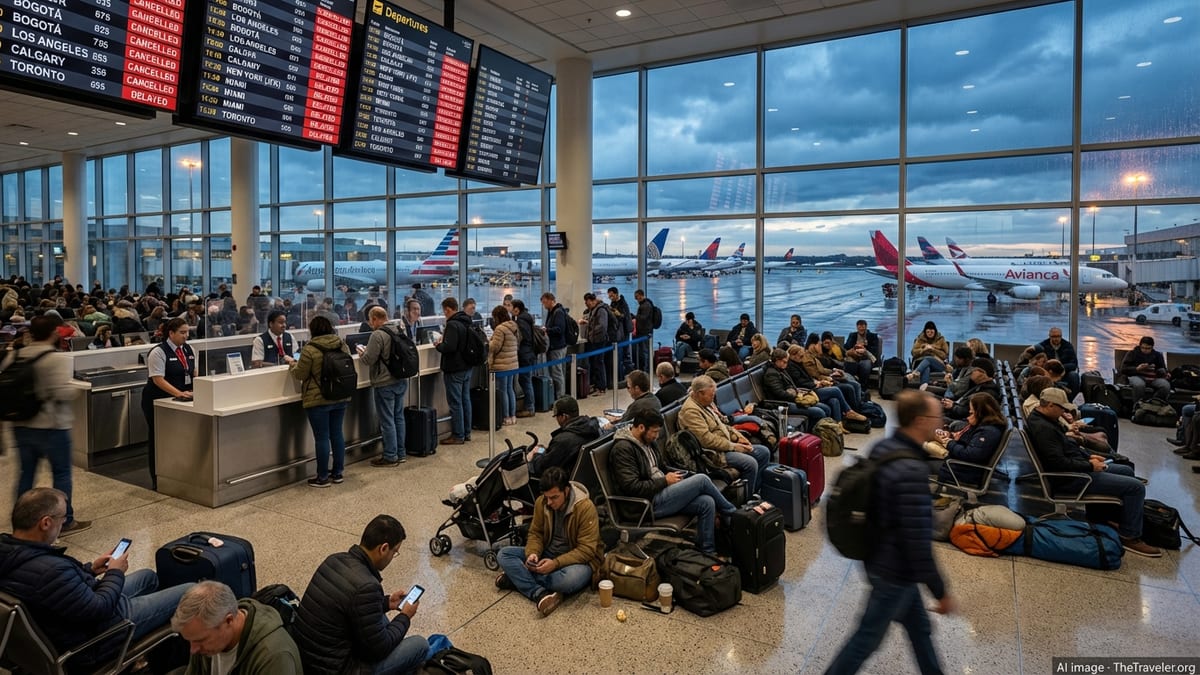
Major Brazilian Hubs Grapple With Widespread Disruptions
The latest disruption has centered on Brazil’s most important domestic and international gateways, with São Paulo’s airports, Campinas Viracopos, Porto Alegre Salgado Filho, Recife Guararapes, and Belo Horizonte Confins all reporting significant schedule irregularities. Data compiled from flight-tracking and airport information platforms shows dozens of services departing hours behind schedule or scrubbed entirely, producing long queues at check in and customer service desks.
In São Paulo, a combination of congestion on heavily trafficked trunk routes and knock on effects from earlier operational issues translated into a cascade of late pushbacks and missed connections. Campinas and Recife, which handle a mix of domestic links and intercontinental services, also saw their tightly banked departure waves unravel as delays accumulated through the day.
At Confins and Porto Alegre, where flight networks depend heavily on a smaller number of national carriers, even a relatively modest number of cancellations forced large scale rebooking. Reports from Brazilian media and airline communication channels indicate that some passengers faced lengthy waits for alternative itineraries as aircraft and crews were repositioned.
LATAM, GOL, Azul And TAP Among Hardest Hit
The disruption has been particularly visible for Brazil’s mainline operators. According to publicly accessible operational summaries, LATAM Brasil, GOL Linhas Aéreas Inteligentes, and Azul Brazilian Airlines all registered significant delays on high density routes linking São Paulo, Campinas, Recife, Porto Alegre, and Confins, with rotation problems quickly spreading across their domestic networks.
International services were not spared. TAP Air Portugal, which operates multiple links between Portugal and Brazilian cities including São Paulo, Porto Alegre, Recife, and Campinas, experienced schedule pressure as inbound aircraft arrived late and ground times tightened. The resulting knock on delays affected both transatlantic departures and connecting domestic legs marketed in partnership with local carriers.
Smaller regional and low cost operators also faced challenges, particularly at secondary terminals that rely on precise slot timings. When early wave departures slipped, subsequent flights often inherited crew duty time limits and aircraft availability constraints, compounding the original disruption and leaving some routes temporarily without service.
Causes Range From Weather To Network Congestion
While a detailed, unified account of the trigger for every affected flight remains limited, available operational data and Brazilian news coverage point to a mix of adverse weather in parts of the country, air traffic flow restrictions, and tight scheduling margins across the peak travel period. Short bursts of heavy rain and low visibility around São Paulo and other southeastern airports prompted spacing requirements that slowed departures and arrivals.
Brazil’s busiest hubs already operate with dense banks of flights, particularly in morning and late afternoon peaks. When even a small portion of those services encounter delays, gate availability, de icing operations where required, and crew shift limits can swiftly become constraining factors. Analysts note that carriers often run aircraft and personnel close to maximum utilization, which reduces the flexibility to absorb sudden shocks.
Industry observers also highlight that ongoing infrastructure work and evolving air traffic procedures at some Brazilian airports may further limit their resilience to disruption. When combined with strong seasonal demand, the result is a system in which minor disturbances can rapidly escalate into the kind of multi airport irregular operations witnessed in this event.
Stranded Passengers Face Long Queues And Limited Options
For travelers caught in the middle of the disruptions, the most visible impact has been uncertainty and extended airport stays. Images and descriptions circulating on social media and in Brazilian press reports show crowded departure halls, families camping near gates, and lines stretching across terminal check in areas as passengers waited for rebooking and information.
Some travelers whose flights were canceled reported being offered accommodation or meal vouchers, while others indicated they received only reprotected itineraries leaving many hours later or on the following day. The uneven experience reflects the varied policies of different airlines and the complex rules that determine compensation and assistance when delays are caused by factors considered outside carrier control, such as weather or airspace restrictions.
Consumer advocates in Brazil regularly urge passengers to keep records of boarding passes, delay notifications, and out of pocket expenses, noting that these documents are often needed to pursue reimbursement or statutory compensation. Legal experts point out that rights differ depending on whether the flight is domestic or international and on the specific circumstances that led to the disruption.
Airlines Work To Restore Schedules As Knock On Effects Continue
By late in the day, operational dashboards indicated that airlines were working to gradually realign aircraft and crew rotations, with some previously delayed services finally departing and a limited number of extra sections added on key trunk routes. However, network based carriers warned through public channels that residual delays could persist into subsequent days as they cleared passenger backlogs and repositioned assets.
At hub airports such as São Paulo and Campinas, the evening banks of departures showed a mix of flights operating on or near schedule alongside services still running significantly late. Industry analysts suggest that while the immediate wave of cancellations appears to have peaked, it may take multiple scheduling cycles before timetables fully stabilize and missed connections are re accommodated.
Travel specialists recommend that passengers due to fly through the affected airports in the coming days monitor airline apps and airport information screens closely, allow additional time for check in and security, and maintain flexible plans where possible. With Brazil’s aviation system operating near capacity at major hubs, even once the current disruption subsides, further localized issues remain a possibility during periods of heavy demand or challenging weather.