

More news on this day
Bristol Airport is gearing up for what is expected to be another record Easter getaway period, with updated travel guidelines, new infrastructure and capacity improvements designed to keep passengers moving during one of the busiest peaks of the year.
Get the latest news straight to your inbox!
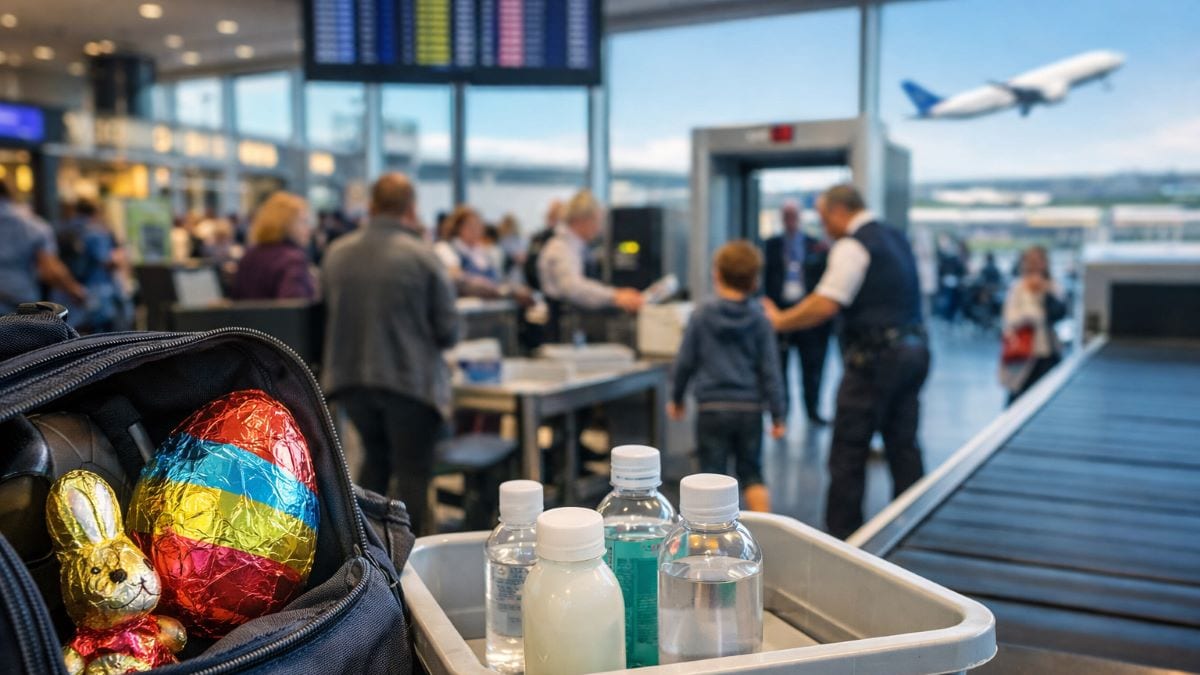
Image by Global Travel Alerts, Advisories, International Travel Alerts
Record Easter volumes put focus on early preparation
Recent Easter periods have seen passenger numbers at Bristol Airport climb to record levels, with publicly available figures for 2024 indicating around 420,000 travellers over the two-week school holiday window and one of the busiest days falling on Easter Sunday. Forecasts for the 2026 holiday period point to a similar pattern, with concentrated pressure on early morning departures and peak weekend travel days.
Airport information and regional coverage highlight Easter as one of the most intense stretches in the calendar, with a mix of family leisure trips, ski returns and the start of the main summer sun season all feeding demand. The combination of high volumes, early starts and tighter security requirements has led operators and travel providers to reiterate standard advice for passengers to arrive well ahead of departure.
Airlines and travel industry guidance commonly recommends that passengers allow at least two hours before scheduled departure for short-haul flights and three hours for long-haul. At Bristol, the concentration of flights in the early morning period can extend these times on the busiest days, with reports from recent Easter weekends indicating that queues can build quickly from around 4.30am onward.
For this year’s Easter getaway, the emphasis is on passengers building extra time into their journeys, checking airline-specific guidance before travelling and making use of online check in and bag-drop options where available. Publicly accessible travel forums and past local reporting indicate that those measures can significantly reduce stress during peak hours.
New security screening and check in practices
Security processing has been a critical focus for Bristol Airport in recent years, particularly during Easter and summer surges when queues have historically stretched through the terminal. Since 2023, the airport has been rolling out updated security lanes and advanced scanners that allow passengers to keep liquids and electronics inside their cabin baggage, with reports suggesting that these upgrades have reduced average screening times.
In the run up to Easter 2026, passengers are being advised to pay close attention to the latest security guidance from airlines and the airport, as national rules on liquids and cabin baggage are in transition. While new screening technology is in place in parts of the UK network, regulations can vary by terminal and by day, so travellers are encouraged to continue using a clear liquids bag and to prepare to remove laptops and large devices if requested.
Check in and bag-drop processes are also evolving. Many airlines at Bristol now provide evening-before bag drop on selected routes, along with expanded self-service kiosks. Industry coverage and passenger reports indicate that using these services can significantly reduce the time spent queuing on the morning of departure, especially for families travelling with multiple suitcases, buggies or sports equipment.
To support smoother flows through the terminal over Easter, guidance for passengers typically stresses having boarding passes ready, removing items from pockets in advance and separating cabin baggage that may need additional screening. While these steps are familiar, airport modelling shows that widespread compliance can translate into shorter queues during peak surges.
Transport hub upgrades aim to ease access pressures
Bristol Airport’s preparations for the Easter rush extend beyond the terminal itself to the way passengers reach the site. A new public transport interchange, opened in 2025 as part of a multiyear investment programme, has significantly increased capacity for bus and coach services linking the airport with Bristol, Weston super Mare and the wider region. Reports on the facility describe one of the largest dedicated airport interchanges in the area, with more bays, sheltered waiting areas and real time information screens.
The expanded transport hub is intended to encourage more travellers to leave their cars at home, easing pressure on approach roads such as the A38 as well as on on site car parks. Previous years’ Easter getaways were marked by heavy congestion on access roads at peak times, with knock on effects for check in and security queues when passengers arrived later than planned. Increased bus frequency and more direct links from key rail stations are designed to reduce that risk.
The interchange sits alongside a larger multi storey car park and reconfigured forecourt layout, which have been delivered as part of a broader surface access strategy outlined in Bristol Airport’s 2040 master plan. Planning documents and consultation material point to further upgrades to bus services and road capacity in the years ahead, reflecting the expectation that Easter and summer peaks will continue to push the airport’s infrastructure.
For this Easter, passengers are being urged through public information campaigns to plan their route to the airport carefully, check live traffic and public transport updates on the day of travel and allow extra time for parking or bus transfers into the terminal. Travel experts note that delays on the final approach can be just as disruptive as queues inside the building.
Ongoing expansion shapes passenger experience
Bristol Airport is in the middle of a substantial transformation programme that is reshaping the passenger experience in the departure lounge and arrivals hall. Industry publications report that work on the next phase of a 400 million pound investment plan began in late 2025, focusing on new retail and food outlets, an enlarged central seating area and an expanded assisted travel lounge with enhanced accessibility features.
Arrivals facilities are also being upgraded, with an additional domestic baggage reclaim carousel and redesigned hall layout expected to increase capacity by around 20 percent. These changes are intended to help the airport handle forecast growth from around 12 million passengers per year to up to 15 million under its long term master plan, subject to planning processes and community engagement.
During construction phases, some passengers may encounter temporary hoardings, altered walking routes and intermittent noise inside the terminal. However, operators have scheduled key works around the busiest travel days and typically aim to keep core areas, such as security lanes and main departure seating, fully operational across the Easter window.
The expansion of facilities and the reconfiguration of passenger flows are expected to be particularly important at Easter, when families and infrequent flyers make up a higher proportion of travellers. Additional space in departure areas and improved wayfinding should help to disperse crowds, reduce pinch points and improve the overall sense of comfort during longer waits.
Practical guidance for a smoother Easter journey
Publicly available travel guidance for Bristol Airport ahead of Easter places strong emphasis on preparation and flexibility. Passengers are encouraged to confirm their airline’s recommended arrival time, as some carriers ask customers on early morning flights to be at the terminal earlier than the standard two hours, particularly on peak Easter Saturdays and Sundays.
Checking in online, pre booking parking and, where appropriate, considering paid options such as fast track security are among the measures frequently highlighted by travel commentators as potentially worthwhile during very busy periods. However, recent traveller accounts suggest that improved security technology and staffing have reduced average queue times compared with the immediate post pandemic years, meaning that for many, a well timed standard journey remains sufficient.
Families and those unfamiliar with Bristol Airport are advised to allow additional time to find their way through the terminal, especially while construction and layout changes continue. Keeping cabin bags organised, having essential documents close to hand and planning food or comfort breaks before boarding can all help reduce stress once inside the departure lounge.
With demand for Easter travel from the South West and South Wales expected to remain strong, Bristol Airport’s combination of new infrastructure, evolving security procedures and clear passenger guidance is intended to keep the operation flowing. For travellers, the key themes are advance planning, allowing generous time at each stage and making full use of the expanded transport and terminal facilities now available.