

More news on this day
British Airways is preparing a major push across its Caribbean network in 2026, a move analysts expect will drive a surge in hotel bookings and tourism revenue for Barbados, Jamaica, the Dominican Republic, St Lucia and Grenada.
Get the latest news straight to your inbox!
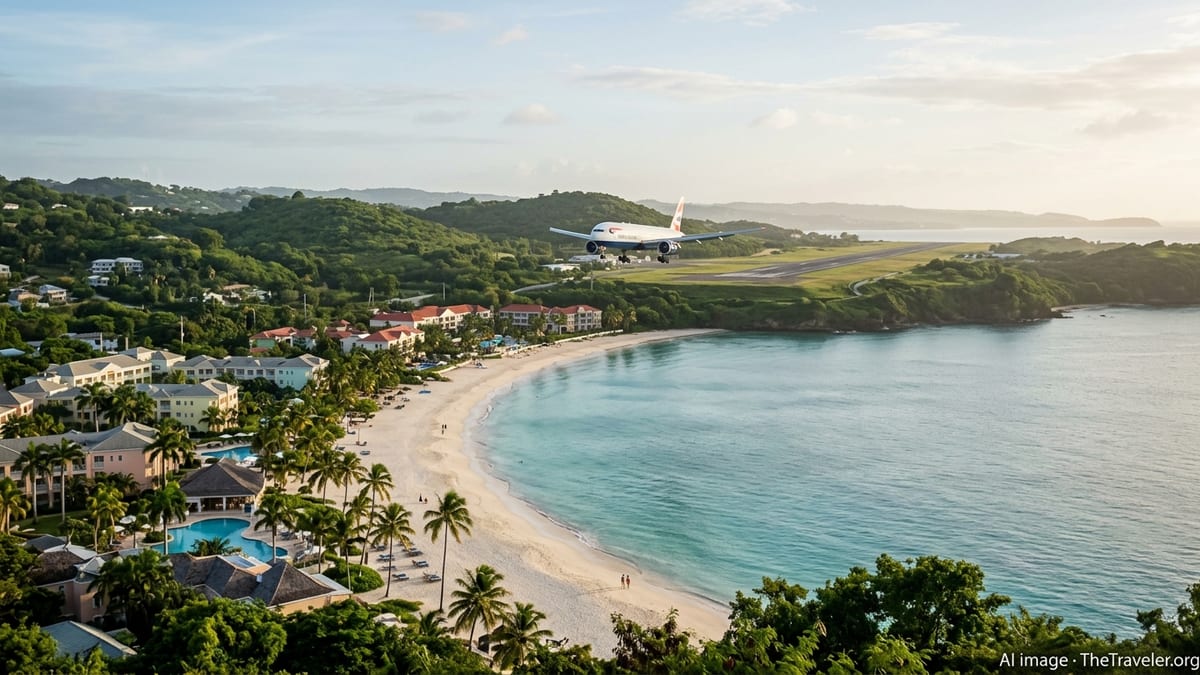
Stronger 2026 Schedules Put Caribbean Routes in the Spotlight
British Airways has long treated the Caribbean as a cornerstone of its long haul leisure network, but its 2026 planning points to an even more intensive focus on the region. Publicly available schedules and industry reports for the 2025 to 2026 seasons show a build-up of capacity on services from London to key islands including Barbados, Jamaica, the Dominican Republic, St Lucia and Grenada, particularly from the carrier’s bases at Heathrow and Gatwick.
The airline’s own Caribbean information highlights a broad portfolio of routes, with non stop flights from London to Barbados and onward services from Gatwick to Jamaica, St Lucia, Grenada and the Dominican Republic. These flights typically operate with widebody aircraft such as Boeing 777s and 787s, configured to serve both premium holidaymakers and cost conscious leisure travellers, which allows British Airways to sell a large volume of economy seats while still capturing high yield demand in business and premium economy cabins.
Industry coverage of the airline’s 2026 summer schedule indicates that British Airways plans to increase frequencies on selected long haul leisure routes, including services to Jamaica. That pattern is consistent with the company’s recent strategy of deploying extra capacity on proven sun destinations as aircraft become available and demand in core business markets stabilises.
Data from aviation analytics providers and specialist media point to a Caribbean portfolio that already ranks among British Airways’ busiest long haul leisure operations by seat volume, led by routes such as London to Bridgetown in Barbados and London to St Lucia, with multi stop patterns that also serve Grenada and other Eastern Caribbean islands.
Tourism Boards Anticipate Higher Hotel Occupancy
Tourism authorities and hotel associations across the region have been signaling stronger forward bookings into the middle of the decade, and British Airways’ capacity plans are widely seen as a key factor. Publicly available commentary from Caribbean tourism agencies ties higher arrivals projections for 2025 and 2026 in part to expanded lift from major European carriers, particularly from the United Kingdom, which remains one of the largest source markets for Barbados, St Lucia and Grenada.
In Barbados, where British Airways already operates one of its densest Caribbean schedules, additional or more stable frequencies in 2026 are expected to support higher occupancy at beachfront resorts and villa properties, especially during the traditional peak from December through April. Industry reports note that the island has been encouraging longer-stay visitors and remote workers, a strategy that relies heavily on consistent air access from London.
Jamaica, served by British Airways into Kingston and Montego Bay via its Gatwick hub, is projecting further growth in stopover arrivals as large all inclusive resorts and newer boutique properties continue to open along the north coast. Analysts suggest that even modest increases in weekly seats from London can translate into thousands of extra room nights over a winter season, particularly when combined with package holiday demand sold through UK tour operators.
Across the smaller Eastern Caribbean markets, including St Lucia and Grenada, hoteliers often depend on shared services that route aircraft between islands. Scheduled increases in British Airways frequencies and the continued use of larger widebody aircraft on these multi stop itineraries mean more available seats into Castries and St George’s, which local hospitality businesses hope will help smooth out seasonal swings and support higher average daily rates.
Dominican Republic and St Lucia Target Diversified Visitor Mix
The Dominican Republic, already one of the Caribbean’s largest tourism economies, is positioned to benefit from British Airways’ non stop links from London to Punta Cana and other resort areas. Travel trade publications report that the UK market has been growing steadily for the country, attracted by competitive all inclusive pricing and a broad inventory of mid range and upscale hotels along the country’s east and north coasts.
Local tourism planners in the Dominican Republic are focused on diversifying their visitor base beyond North America, and additional British Airways capacity in 2026 fits into that strategy. More direct seats from London can help resorts reduce reliance on connecting traffic through United States hubs and appeal directly to travellers from the UK and wider Europe who prefer single ticket itineraries on a familiar carrier.
St Lucia, meanwhile, is leaning into its image as a higher value, nature focused destination. British Airways has been gradually strengthening its presence there, with recent winter seasons showing daily or near daily service between Gatwick and the island. This has supported a wave of investment in luxury resorts, boutique hotels and villa developments clustered around Soufrière, the Pitons and the northern bays.
Tourism market analysis suggests that a robust 2026 flight schedule from London will be critical for St Lucia to maintain momentum in the upmarket segment. Reliable widebody capacity from a major European airline helps underpin financing for new hotel projects and gives tour operators confidence to commit more inventory to the island in their brochures and online offerings.
Economic Ripple Effects Across Island Economies
The expected increase in British Airways traffic to these five destinations in 2026 carries implications that extend far beyond hotel room sales. Studies by Caribbean development agencies and regional tourism bodies consistently show that each long haul leisure seat typically generates multiple times its value in local economic activity, through spending on food and beverage, ground transport, tours, retail and ancillary services.
In Barbados and Jamaica, higher volumes of UK visitors are likely to benefit restaurant operators, excursion providers and local supply chains serving large resorts. Growth in airlift also tends to encourage seasonal employment, from airport handlers and ground staff to workers in entertainment, events and cultural attractions designed for international visitors.
Smaller economies such as St Lucia and Grenada often feel the impact of schedule changes even more acutely. An additional weekly rotation by a widebody aircraft can inject hundreds of extra visitors into the local economy during peak season. Market observers note that this can influence everything from government tax receipts and foreign exchange earnings to investment decisions in marinas, golf courses and conference facilities.
For the Dominican Republic, which already processes millions of arrivals annually, incremental British Airways capacity is expected to contribute to sustained growth rather than dramatic spikes. However, the presence of a strong European flag carrier on key resort routes supports the country’s efforts to draw higher spending visitors and to expand its meetings, incentives and events segment.
Competitive Landscape and Capacity Risks
British Airways’ 2026 plans unfold against a competitive backdrop that includes other European and North American carriers expanding or reshaping their Caribbean offerings. Industry coverage in recent seasons has highlighted instances where rival airlines have withdrawn from specific island routes, leaving British Airways as the sole UK operator, particularly on some St Lucia and Bahamas services. Such developments give the airline added pricing power and strategic importance for local tourism sectors.
At the same time, aviation analysts caution that Caribbean markets are highly sensitive to macroeconomic conditions in source countries, currency fluctuations and climate related disruptions. A slowdown in UK consumer spending or a particularly active Atlantic hurricane season could quickly dampen demand, leaving airlines and hoteliers with unsold inventory even where scheduled capacity has increased.
There is also an ongoing discussion within the region about balancing growth with sustainability. Destination management plans in islands such as St Lucia and Grenada increasingly emphasise environmental protection, community benefits and infrastructure limits. While more British Airways seats in 2026 are expected to be welcomed by most tourism businesses, some policymakers are likely to evaluate whether growth in visitor numbers aligns with long term sustainability goals.
For now, forward-looking schedules and industry analysis indicate that British Airways will remain a central player in connecting UK travellers to Barbados, Jamaica, the Dominican Republic, St Lucia and Grenada in 2026. Provided that broader economic and climatic conditions remain stable, the expanded programme of direct flights is widely expected to translate into higher hotel bookings and stronger tourism revenues across these Caribbean destinations.