

More news on this day
British Airways is adding capacity to Bangkok and Singapore as part of a broader strategy to capture rising demand from the Middle East, giving travelers more options and seats between Europe and Southeast Asia during the next two years.
Get the latest news straight to your inbox!
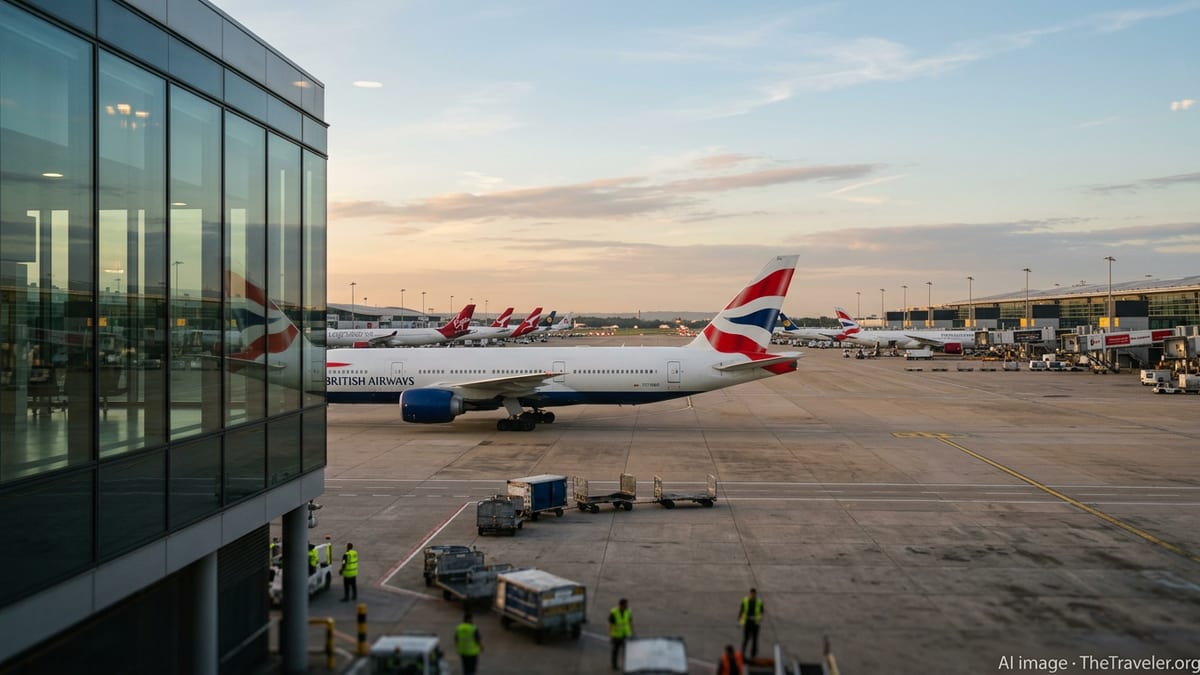
New Capacity on Bangkok and Singapore Routes
Publicly available schedules and trade documentation indicate that British Airways is building up its presence in Bangkok and Singapore, two long-haul markets that feed significant connecting traffic from the Middle East into Europe and North America. The airline has been rebuilding its Asia network after a prolonged pandemic-era retrenchment and is now layering in additional frequencies and seasonal capacity where demand has recovered most strongly.
In Bangkok, a relaunched London Gatwick service is being expanded beyond its initial three weekly flights. Industry-facing material shows that the Gatwick to Bangkok route is scheduled to grow to as many as five weekly services during the peak northern winter period before settling back to three flights per week at the end of the 2024 to 2025 winter season. The pattern reflects a cautious but targeted ramp-up designed to match stronger leisure and visiting-friends-and-relatives traffic into Thailand.
Singapore remains one of the most important Asian gateways in the British Airways network, with multiple daily flights from London Heathrow providing onward connectivity across Southeast Asia and Australia via partners. While the carrier has adjusted aircraft types on the route in response to fleet constraints and redeployment of Airbus A380s to other high-demand markets, schedule data suggests that overall capacity on the London to Singapore corridor is being preserved or increased through frequency and gauge changes.
Together, the Bangkok and Singapore adjustments underscore how British Airways is using its Asian network to absorb and redirect demand flows that originate in the Middle East, especially from Gulf hubs where travelers traditionally connect onto Europe-bound services.
Middle East Demand Driving Network Choices
Aviation market forecasts and airline filings indicate that the Middle East remains one of the fastest-growing regions for long-haul traffic, with strong demand for connections to Europe and Asia. Gulf carriers have historically dominated these flows, but European airlines such as British Airways are responding by reinforcing strategic long-haul links that can attract passengers originating in cities like Dubai, Doha, Riyadh and Bahrain.
Recent schedule updates show British Airways increasing services to several Middle Eastern destinations, including higher frequencies to Bahrain and expanded connectivity into Saudi Arabia. At the same time, the airline has adjusted some other regional routes in response to aircraft availability and engine maintenance constraints. The combination of growing Middle East services and newly strengthened Southeast Asia links positions London as a competitive one-stop option between the Gulf and popular leisure markets such as Thailand and Singapore.
Travel industry analysis suggests that passengers from the Middle East are increasingly seeking diversified routings that combine competitive fares with premium cabins and convenient timings. By improving its Bangkok and Singapore offerings while sustaining or growing Middle East frequencies, British Airways is effectively stitching together a corridor of high-yield demand that stretches from the Gulf to Southeast Asia via its London hubs.
This strategy also reflects broader shifts in global travel patterns, with Southeast Asia remaining a favored long-haul destination for Middle Eastern travelers, particularly during the cooler months in Europe when Thailand and Singapore attract holidaymakers seeking warm weather and beach or city breaks.
What Travelers Can Expect on the New and Expanded Flights
For passengers, the additional British Airways flights to Bangkok and Singapore primarily translate into more choice on departure days, improved chances of securing seats in business and premium economy cabins, and a wider range of one-stop itineraries via London. The airline typically deploys a mix of Boeing 777 and 787 aircraft on these routes, offering its latest long-haul cabins on many services.
In premium cabins, many aircraft operating to Bangkok and Singapore are fitted with the Club Suite, the carrier’s newest business-class product, featuring direct aisle access and a door for added privacy. On selected services, First Class is also available, particularly from Heathrow, giving travelers from the Middle East and Europe a full range of cabin choices when connecting onward to Southeast Asia.
Economy and premium economy customers can expect modern seatback entertainment systems, in-seat power and Wi-Fi on most long-haul aircraft used on these routes. Schedules are generally timed to allow same-day connections from early-evening arrivals from the Middle East into London, although specific timings vary by season and departure point. Travelers connecting from Gulf cities should pay close attention to minimum connection times at Heathrow and Gatwick, particularly when combining separate tickets.
Given the high demand for reward seats to Asia, especially during peak holiday periods, frequent flyer commentary indicates that extra frequencies to Bangkok and sustained capacity to Singapore may create more opportunities to redeem loyalty points. However, competition for premium-cabin redemptions on these routes remains strong, so early booking is advisable.
Impact on Connectivity Across Southeast Asia
The enhancement of British Airways services to Bangkok and Singapore also improves access to a broader network of Southeast Asian destinations through regional partners. According to trade and airline partnership information, the carrier’s cooperation with Bangkok Airways provides onward links from Bangkok to popular Thai and regional destinations such as Phuket, Koh Samui, and Siem Reap, often on a single through itinerary.
Similarly, Singapore functions as a major connecting point for flights onward to Malaysia, Indonesia, Vietnam and Australia, with a range of partner and interline options available. This means that passengers originating in the Middle East, connecting via London and then traveling on to points in Southeast Asia, can piece together multi-stop itineraries that combine city stays with beach or cultural destinations.
For Thailand specifically, the growth of Gatwick to Bangkok services adds another London gateway on top of Heathrow, which can help spread demand across multiple departure points in the United Kingdom. Travel agents and tour operators are already using the expanded schedule to build more flexible packages that link British Airways long-haul flights with short regional hops on partner airlines.
As Suvarnabhumi Airport in Bangkok and Changi Airport in Singapore continue to expand their infrastructure and raise capacity, the additional British Airways services fit into broader efforts by regional hubs to handle growing long-haul demand from Europe and the Middle East.
Key Tips for Booking and Planning Your Trip
Travelers planning to take advantage of the extra British Airways capacity to Bangkok and Singapore should monitor schedules and aircraft types carefully in the months before departure. Long-haul timetables and equipment assignments can change as airlines balance fleet availability, engine maintenance programs and seasonal demand across multiple regions.
Publicly available information suggests that winter remains the busiest period for leisure travel on these routes, particularly around year-end holidays and school breaks, while shoulder seasons may offer more attractive fares and better availability in premium cabins. Booking well ahead is recommended for travelers connecting from the Middle East, where demand for Europe and Asia services often peaks at similar times.
Passengers using loyalty points or companion vouchers should be prepared to search across a range of dates and consider both Heathrow and Gatwick departures when looking for seats to Bangkok and Singapore. Given the strong demand patterns reported by frequent flyers, setting up fare and availability alerts can help secure preferred travel dates before cabins fill.
Finally, travelers connecting from Middle Eastern cities should allow extra time for security and terminal transfers in London, especially if mixing airports or using separate tickets. With careful planning, the new and expanded British Airways services to Bangkok and Singapore can provide an efficient and comfortable route between the Gulf, Europe and some of Southeast Asia’s most sought-after destinations.