

More news on this day
British Airways is adding extra flights from London to Bangkok and Singapore as travelers look to avoid Middle East hubs during ongoing regional airspace disruptions, creating new one-stop options for Southeast Asia that bypass Gulf carriers.
Get the latest news straight to your inbox!
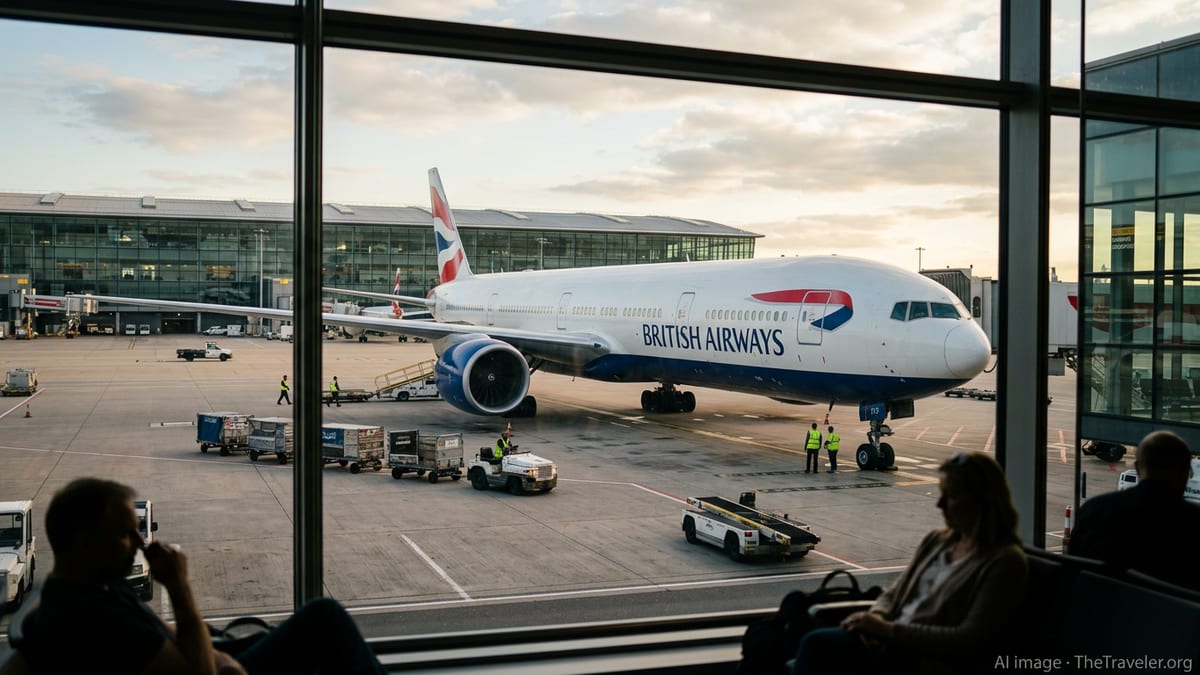
New Capacity From London to Southeast Asia
Publicly available schedules indicate that British Airways is increasing long haul capacity to Bangkok and Singapore from London Heathrow, building on an already established presence on both routes. The airline has been operating daily nonstop flights to Bangkok and multiple daily flights to Singapore, and current schedule filings show additional frequencies timed to capture demand from travelers who may be reluctant to connect via Middle Eastern hubs.
Industry route reports for summer 2026 planning point to a broader British Airways push across Asia, with more seats being deployed on leisure heavy routes such as Bangkok and on strategic business and connecting markets like Singapore. These changes follow the carrier’s decision in recent years to concentrate its Southeast Asia network on a smaller number of high demand gateways after withdrawing from Kuala Lumpur and adjusting other regional services.
The latest capacity moves align with a pattern seen across several European and Asian airlines, which are reallocating widebody aircraft to routes that allow passengers to avoid potentially complex routings through the Middle East. For British Airways, Bangkok and Singapore offer direct access to major regional hubs and onward connections throughout Southeast Asia using local partner airlines.
Response to Shifting Middle East Demand
Recent weeks have seen a series of temporary airspace restrictions and operational changes affecting multiple Middle Eastern countries, with some carriers suspending or reducing services in the region. Publicly available information shows that British Airways has adjusted parts of its Middle East schedule, including cancellations on select routes, and is closely tracking demand from passengers who would typically transit through Gulf hubs on their way between Europe and Asia.
Travel forums, booking platforms and airline updates indicate that many long haul passengers are now actively searching for routings that bypass traditional Middle East connection points. Routes between London and Southeast Asia that fly via South Asia or directly over alternative corridors have seen higher interest, encouraging airlines such as British Airways to position Bangkok and Singapore as key non Middle East connecting gateways.
By adding flights to these two cities, the airline can accommodate passengers who might previously have chosen itineraries via Doha, Dubai or Abu Dhabi. The shift is particularly relevant for travelers heading to Thailand, Vietnam, Cambodia and Indonesia, who often rely on Middle East carriers for one stop connections from the United Kingdom and Europe but are currently re evaluating their options in light of the disruptions.
Schedules, Aircraft and Onboard Experience
According to current timetable data, British Airways is focusing its additional capacity on peak travel periods, with extra services scheduled on days and times that complement existing daily flights. London to Bangkok and London to Singapore departures are typically overnight from Heathrow, arriving in Asia in the late afternoon or evening, which is convenient for same day onward connections within the region.
The airline generally operates a mix of Boeing 777 and Boeing 787 aircraft on its Southeast Asia routes. These long haul jets offer World Traveller economy, World Traveller Plus premium economy and Club World business class cabins, with many frames now featuring the latest Club Suite product on selected services. The extra frequencies are expected to use similar aircraft types, maintaining consistent cabin layouts and service standards for passengers choosing the new flights.
For travelers, the added services translate into more choice of departure times from London and increased seat availability during busy travel waves such as Easter, summer holidays and the northern winter peak to Thailand. The expanded schedule also offers better resilience in case of individual flight disruptions, since rebooking options are broader when there are multiple non Middle East departures on the same route.
Impact on Connections Across Southeast Asia
Bangkok and Singapore are among Asia’s largest connecting hubs, and British Airways has long marketed them as gateways to the wider region. Travel industry briefings highlight how Bangkok flights are frequently combined with separate regional services to Thai beach destinations such as Phuket, Koh Samui and Krabi, as well as to Cambodia, Laos and Vietnam on local airlines. Singapore similarly functions as a key transfer point to Indonesia, Malaysia and beyond.
With extra British Airways services feeding into these hubs, passengers avoiding Middle East routings have more opportunities to construct one stop journeys that remain entirely outside Gulf airspace. Some travelers choose to book through itineraries on a single ticket, while others combine a British Airways long haul sector with a separately ticketed regional low cost or full service connection from Bangkok or Singapore.
Travel agents and frequent flyer communities report that this pattern is especially attractive for independent travelers and long stay visitors to Southeast Asia, who value flexibility and are willing to self connect if it means avoiding perceived riskier routings through currently affected Middle East corridors. The additional British Airways frequencies help underpin that strategy by increasing the number of long haul arrival and departure options each day.
What Travelers Should Watch Before Booking
While British Airways is adding capacity to Bangkok and Singapore, schedules across Europe, the Middle East and Asia remain more fluid than usual due to ongoing geopolitical and operational uncertainties. Publicly available coverage of recent events in the region shows that airlines can be required to reroute, cancel or retime flights at short notice when airspace restrictions are introduced, which can affect journey times even on non Middle East routes.
Travelers considering the new British Airways options are being advised by travel industry sources to monitor schedule changes closely in the days leading up to departure. Many airlines, including British Airways, provide real time updates through booking management tools and mobile apps, which can help passengers stay informed about any adjustments to departure times or routings.
Passengers planning complex trips that rely on separate onward tickets from Bangkok or Singapore may wish to build in longer connection windows than usual to allow for potential delays. In addition, checking current travel advisories for both transit and destination countries, as well as any airline specific policies on rebooking and refunds during disruption periods, can help travelers make more informed decisions when choosing between itineraries that route via the Middle East and those that connect through Southeast Asia instead.