

More news on this day
British Airways is expanding its Caribbean network with new and enhanced services to Saint Lucia’s Hewanorra International Airport, Barbados’ Grantley Adams International Airport and the Dominican Republic’s Punta Cana International Airport, underscoring a wider regional tourism surge led by Barbados, Jamaica, the Dominican Republic, Saint Lucia, Grenada and other island destinations.
Get the latest news straight to your inbox!
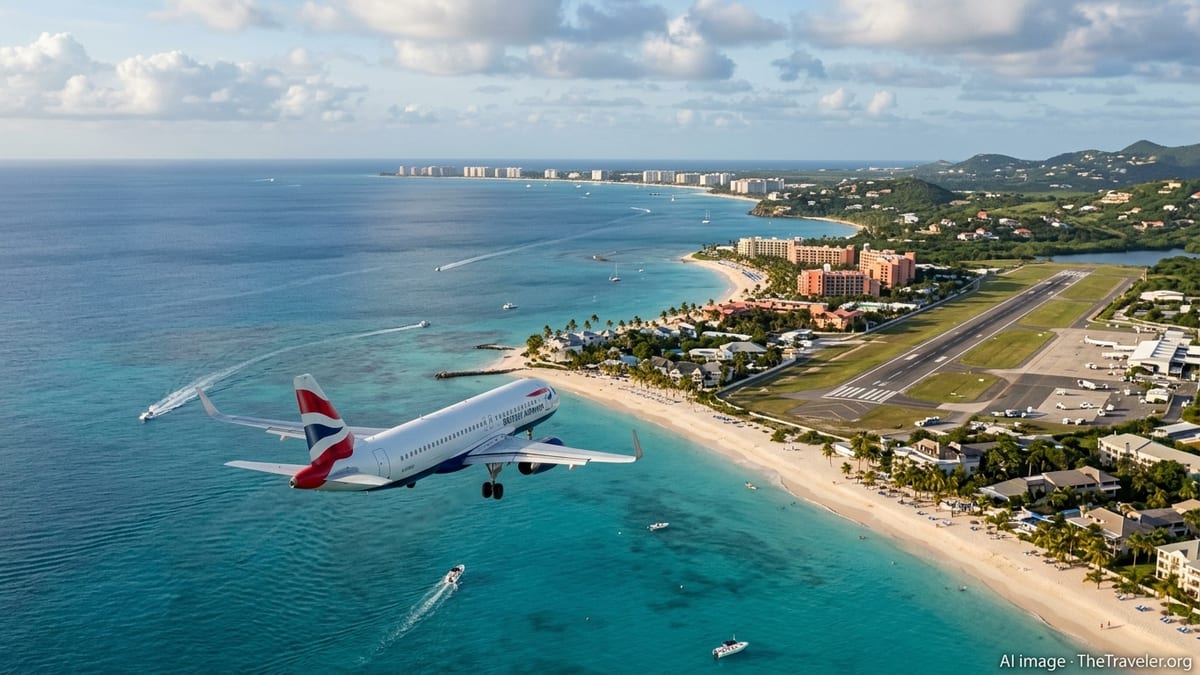
British Airways Deepens Caribbean Footprint
Publicly available schedule data and airline announcements show British Airways ramping up its presence across the eastern Caribbean and the northern arc of the region. The airline is adding and upgrading services linking London to Saint Lucia’s Hewanorra International Airport, Barbados’ Grantley Adams International Airport and Punta Cana in the Dominican Republic, complementing existing flights to Jamaica and other Caribbean gateways.
Flight information for the 2025 to 2026 seasons indicates new Gatwick services to Punta Cana and additional capacity on Barbados and Saint Lucia routes, timed around peak winter demand from the United Kingdom. These moves position British Airways to compete more aggressively with other European and North American carriers that have already been expanding in the Caribbean leisure market.
The new and strengthened routes are significant because they channel higher-spending long-haul visitors directly into established resort hubs as well as emerging areas beyond the main capital cities. Tourism analysts note that non-stop links from major European markets tend to stabilize demand, encourage longer stays and support year-round bookings rather than purely seasonal spikes.
Industry observers also point out that the airline’s strategy aligns with infrastructure upgrades under way at several Caribbean airports, including the redevelopment of Hewanorra in Saint Lucia and expansion works at Grantley Adams in Barbados. Improved facilities increase the region’s ability to handle larger aircraft and higher passenger volumes, making new long-haul routes more commercially viable.
Barbados Joins Regional Leaders in Tourism Growth
Barbados has emerged as one of the strongest performers in the Caribbean’s tourism rebound, with recent regional data indicating double-digit growth in visitor arrivals from key markets such as the United States and the United Kingdom. Reports from tourism analytics firms and regional media describe Barbados as one of the destinations outpacing larger competitors in attracting higher-value stopover visitors.
Grantley Adams International Airport continues to serve as a major hub for southern and eastern Caribbean itineraries, and the additional British Airways capacity reinforces Barbados’ role as both a final destination and a gateway for multi-island holidays. With more long-haul seats coming into Bridgetown, local hospitality operators are positioning to capture extended-stay guests, including digital nomads and wellness travelers.
Investment reports highlight a pipeline of new and renovated resorts, branded residences and boutique properties across Barbados’ south and west coasts. Construction market surveys show the island among a group of territories, including Grenada and the Dominican Republic, where hotel and mixed-use tourism projects remain active despite a more uncertain global economic outlook.
Barbados is also using the connectivity boost to emphasize niche segments such as sports tourism, culinary events and heritage travel. Stronger links to London are expected to support festivals, cricket fixtures and cultural programming that draw repeat visitors and help smooth occupancy outside the traditional peak season.
Jamaica, Dominican Republic, St Lucia and Grenada Sustain Momentum
Jamaica, the Dominican Republic, Saint Lucia and Grenada continue to anchor the Caribbean’s broader tourism expansion, supported by rising arrivals, hotel openings and infrastructure investments. Caribbean Tourism Organization figures and national tourism data show that the Dominican Republic remains the region’s volume leader, with projected visitor numbers in the double-digit millions by 2026, while Jamaica is on track to welcome several million stopover tourists annually.
Saint Lucia and Grenada, though smaller in absolute numbers, have reported double-digit growth rates in stayover and cruise arrivals in recent reporting periods. Travel industry coverage notes that Saint Lucia has seen record performance across key sectors, with gains in higher-spend yachting and villa tourism, while Grenada has benefited from increased cruise calls and targeted airlift from North America and Europe.
This cluster of destinations has also been expanding their resort offerings and diversifying source markets. Development reports and media coverage reference new branded all-inclusive properties in Jamaica and the Dominican Republic, alongside luxury and eco-sensitive projects in Saint Lucia and Grenada aimed at attracting travelers seeking smaller-scale, experience-led stays.
British Airways’ broader Caribbean strategy slots into this environment by reinforcing the airlift that underpins sustained growth. Greater capacity into major hubs such as Punta Cana, Bridgetown and Hewanorra not only supports established resort corridors but also makes it easier for regional airlines and ferry operators to build onward connections to secondary islands.
Air Connectivity and Infrastructure Underpin Regional Tourism Strategy
Across the Caribbean, policymakers and private developers are placing air connectivity at the center of long-term tourism planning. Recent analyses from regional tourism bodies and economic research groups emphasize that expanded flight networks, paired with modern airport infrastructure, are critical to keeping the region competitive with destinations in the Mediterranean, Indian Ocean and Southeast Asia.
Major projects include the new terminal and related upgrades at Hewanorra International Airport in Saint Lucia, runway and terminal enhancements at Grantley Adams in Barbados and port improvements across the Eastern Caribbean cruise circuit. These investments are designed to accommodate larger aircraft, shorten processing times and improve the overall arrival and departure experience for visitors.
British Airways’ decision to increase services into these upgraded facilities illustrates how airline route planning often tracks infrastructure improvements. When airports can handle widebody jets more efficiently and offer better connectivity for crew and ground operations, carriers are more likely to commit aircraft and schedule seasonal or year-round services.
Analysts also note that improved connectivity tends to stimulate private-sector investment in hotels, attractions and transport services. In destinations where new routes become established, reports show a pattern of rising room rates, higher average daily spend and a greater diversity of tourism products, from adventure excursions to cultural experiences.
Opportunities and Risks in a Rapidly Growing Market
The acceleration in Caribbean tourism, amplified by British Airways’ latest route moves, brings both opportunities and pressures. Economic forecasts indicate that tourism will remain a primary growth driver for many islands through 2026, with some destinations projecting new records in visitor arrivals, hotel occupancy and tourism receipts.
At the same time, regional think tanks and industry analysts are drawing attention to capacity constraints, environmental stress and vulnerability to climate-related shocks. Recent hurricane seasons have underscored the exposure of tourism infrastructure in Barbados, Grenada and other islands, prompting calls for more resilient construction and diversified visitor economies.
Health-related concerns, such as periodic dengue outbreaks reported in Barbados, Jamaica, the Dominican Republic and Grenada, are another factor shaping tourism planning. Public information from health agencies and tourism boards highlights ongoing efforts to improve surveillance, strengthen communication with travelers and promote sustainable development practices that reduce risk.
As British Airways and other carriers reinforce air links to Bridgetown, Hewanorra, Punta Cana and neighboring hubs, Caribbean destinations are seeking to balance growth with long-term sustainability. The current wave of route expansions and infrastructure upgrades signals confidence in the region’s tourism future, while also placing renewed focus on how that growth is managed across Barbados, Jamaica, the Dominican Republic, Saint Lucia, Grenada and the wider archipelago.