

More news on this day
British Airways is expanding its long-haul network with new services linking the UK to Melbourne and Colombo, moves that are set to strengthen connectivity between Europe, Australia and South Asia and broaden options for both leisure and business travellers.
Get the latest news straight to your inbox!
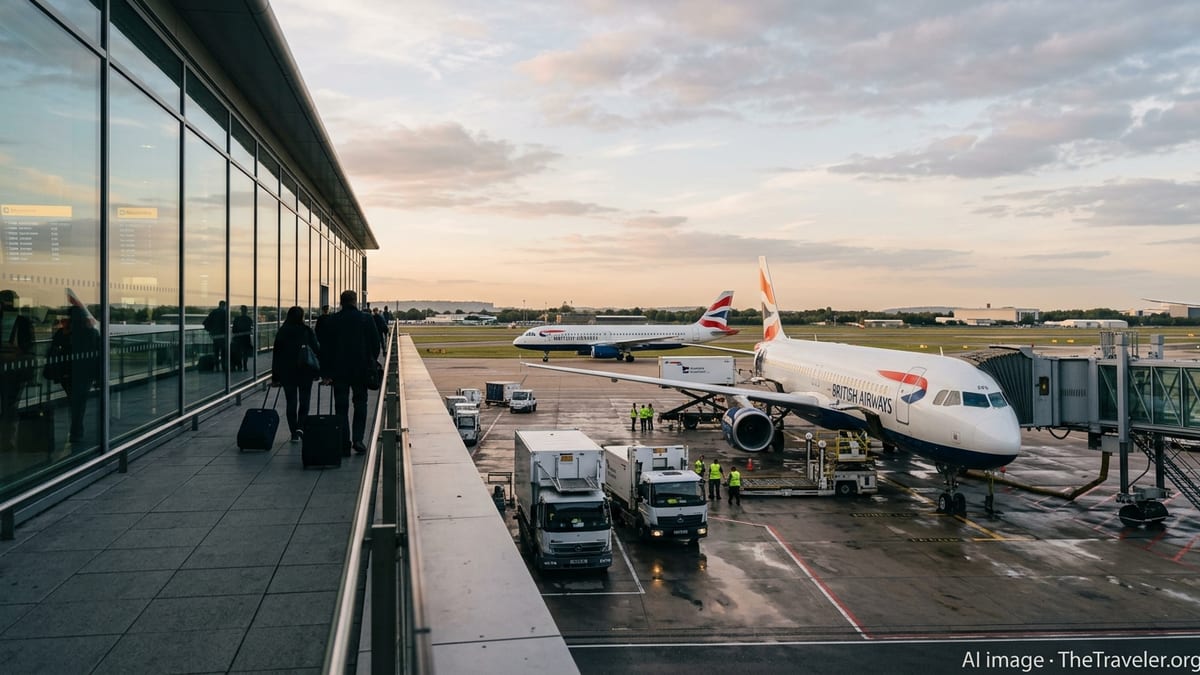
What Is Known About the New Routes
Publicly available route and schedule information indicates that British Airways is preparing to add fresh long-haul links from the UK to both Melbourne in Australia and Colombo in Sri Lanka, as part of a wider growth strategy focused on high-demand, year-round destinations. The moves build on recent years of network expansion that have seen the airline add new cities across Asia, North America and the Mediterranean.
While final operational details are still being refined, sector length and competitive dynamics suggest that Melbourne will be served from London on a one-stop basis via an established transit point in Asia, fitting within the traditional "Kangaroo Route" pattern that links Europe and Australia. Colombo, by contrast, is expected to be operated as a non-stop link from London, restoring a direct UK connection to Sri Lanka that has been limited in recent years to other European and Gulf carriers.
Industry coverage of British Airways’ long-term fleet and network plans points to long-haul growth being driven primarily from its main London hubs, with an emphasis on re-establishing links to key tourism and diaspora markets. Both Melbourne and Colombo fit this profile, with strong visiting-friends-and-relatives demand as well as established tourism flows.
For travellers, the new services are expected to offer additional choice on routes that can be price sensitive and heavily seasonal. They will also provide fresh options for onward connections across Europe from London, particularly attractive to passengers originating in Australia or Sri Lanka who wish to reach secondary cities in the UK and continental Europe on a single ticket.
Schedules, Seasonality and Flight Experience
Based on typical British Airways long-haul scheduling patterns and published industry timetables, the London to Melbourne flight is likely to operate daily or near-daily in peak seasons, with slight reductions possible during the northern winter shoulder months. Given the distance involved, departures from London would generally be in the evening, arriving in Australia two calendar days later, with return flights leaving Melbourne in the late evening and arriving in London early morning.
The London to Colombo service is expected to target the strong winter market for Sri Lanka, when European travellers head to the Indian Ocean for beach holidays and cultural trips. Reports on similar leisure-focused long-haul launches suggest that British Airways may begin with three to five weekly frequencies, with potential to adjust capacity if demand proves resilient across the full year rather than purely during the peak winter sun period.
Onboard, travellers can expect British Airways’ standard long-haul four-cabin configuration on key trunk routes: economy, premium economy, business class with the latest Club Suite product on newer aircraft, and first class on selected rotations. Airline fleet deployment data in recent seasons indicates a heavy reliance on Boeing 777 and 787 aircraft for new and relaunched long-haul routes, reflecting their range and fuel efficiency on ultra-long sectors such as those to Australia.
Flight times on the Melbourne routes will place them among the longer one-stop services in the British Airways network, while the Colombo segment will sit in the mid- to upper range of long-haul durations from London. This makes cabin comfort, seat selection and inflight service levels particularly important considerations for travellers planning journeys on these new flights.
Why Melbourne and Colombo Are Back in Focus
Network analysts note that Melbourne has long been a major gap in British Airways’ footprint in Australia, especially given strong competition from Qantas, Middle Eastern carriers and Asian airlines on Europe–Australia traffic. Melbourne is one of Australia’s largest cities by population and a major financial, cultural and educational hub, with significant demand for travel to and from the UK for business, study and family visits.
Adding a London–Melbourne link gives British Airways a stronger presence on one of the world’s most contested long-haul corridors, often referred to collectively under the historic "Kangaroo Route" between Europe and Australia. It enables the airline to compete more directly for premium traffic that values through-ticketing, frequent-flyer benefits and familiar branding across the entire journey.
Colombo, meanwhile, is emerging again as a strategically important gateway to Sri Lanka, which has been working to rebuild its tourism industry. Bandaranaike International Airport near Colombo is the country’s primary international hub, serving millions of passengers each year and acting as the main entry point for beach resorts, cultural sites and wildlife destinations across the island.
For British Airways, a direct link from London to Colombo taps into pent-up UK leisure demand for Sri Lanka, as well as strong visiting-friends-and-relatives traffic from the sizable Sri Lankan diaspora in Britain. It also presents opportunities for two-way tourism growth, making it easier for Sri Lankan travellers to reach the UK and onward destinations in Europe.
What Travellers Should Expect on Pricing and Connections
Fare data from existing British Airways long-haul routes suggests that introductory pricing promotions are likely when sales officially open, especially for off-peak travel dates and midweek departures. Travellers who can be flexible with travel dates, and who book several months in advance, typically see the most competitive economy and premium economy fares on comparable long-haul sectors.
Business and first class cabins on ultra-long routes such as London–Melbourne are often in high demand among corporate travellers and high-spend leisure passengers. Historical patterns on similar routes indicate that advance-purchase discounts and off-peak travel periods can produce meaningful savings, though premium cabins are less likely to see the deepest promotional fares.
One of the key advantages of the new routes for passengers is the ease of onward connections. London Heathrow and London Gatwick provide access to an extensive European and domestic UK network, allowing same-day or next-day links to cities such as Manchester, Edinburgh, Glasgow, Dublin and many more. For travellers originating in Australia or Sri Lanka, this simplifies itineraries that previously required separate tickets or multiple airline combinations.
Frequent-flyer programme members are also expected to benefit from additional opportunities to earn and redeem points on these long sectors. Industry observers note that long-haul launches often coincide with limited-time bonus offers for loyalty members, although specific promotions, if any, will only become clear closer to the start of ticket sales.
Planning Ahead: How to Prepare for the New Services
For travellers looking to make use of the new Melbourne and Colombo routes, the most important step is to monitor British Airways’ booking channels and timetable announcements over the coming months. Once schedules are fully loaded into global reservation systems, passengers will be able to compare journey times, aircraft types and cabin options across different travel dates.
Given the length of the London–Melbourne journey, travel specialists generally recommend considering a stopover to break up the trip, especially for families or less frequent long-haul flyers. If the route is structured around a transit through an Asian hub, this could provide an opportunity to add an extra city to the itinerary without significantly increasing overall travel time.
On the Colombo side, travellers should be aware of seasonal variations in weather and tourist demand. Sri Lanka’s peak tourism months from Europe tend to cluster around the northern winter, when conditions on the west and south coasts are typically favourable. Those seeking quieter resorts and potentially lower prices may prefer shoulder periods, but should check local climate patterns carefully before booking.
As with any new long-haul route, early adopters can expect minor adjustments in schedules or capacity as the airline fine-tunes operations in response to demand. Travellers are advised to keep a close eye on booking confirmations and any schedule-change notifications, particularly in the first season of operation, to ensure that connecting flights and ground arrangements remain aligned.