

More news on this day
Transatlantic travel from America’s Midwest is set for a major shake-up in April 2026, as British Airways introduces new nonstop flights between London Heathrow and St. Louis, restoring a long-lost direct link to the United Kingdom.
Get the latest news straight to your inbox!
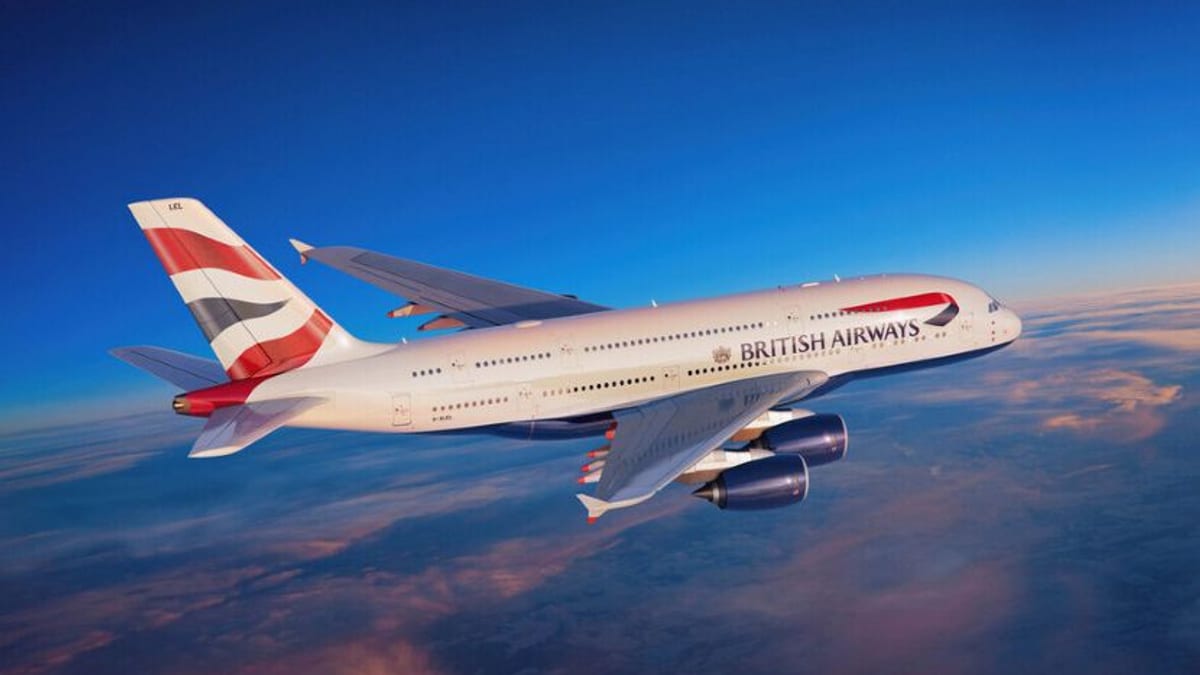
Image by Travel And Tour World
A New Transatlantic Gateway for the Midwest
The new London Heathrow to St. Louis route is scheduled to begin on April 19, 2026, according to published schedules and airline announcements. The service will operate four times a week during the summer season, creating a direct corridor between the UK capital and Missouri’s largest metropolitan area.
Publicly available information indicates that flight BA221 will depart London Heathrow in the late afternoon and arrive at St. Louis Lambert International Airport in the early evening local time. The return service, BA220, is expected to depart St. Louis later the same evening and arrive into Heathrow the following day around midday, providing convenient onward connections across Europe, Africa and Asia.
The launch makes British Airways the only UK carrier offering nonstop service to St. Louis. Industry reports highlight that St. Louis will become the airline’s 27th destination in the United States, reinforcing London’s role as a primary European entry point for Midwestern travelers and expanding connectivity beyond the traditional East Coast gateways.
Timings are designed to appeal to both business and leisure passengers, with evening arrivals in Missouri that allow same-day travel from Europe and overnight returns that align with morning bank departures at Heathrow. Aviation analysts suggest that this scheduling is key to capturing both corporate demand and connecting traffic.
St. Louis Regains a Direct UK Link After Two Decades
The start of service in April 2026 will mark the first nonstop flights between St. Louis and the United Kingdom in more than twenty years. Regional coverage and historical airport data show that previous direct links ended in the early 2000s, forcing travelers to rely on hubs such as Chicago, Atlanta, Dallas or New York for transatlantic connections.
Airport documentation and recent planning reports describe the new route as a significant milestone for St. Louis Lambert International Airport, which has worked in recent years to restore long-haul connectivity following the loss of its former hub status. The airport has gradually rebuilt its network with additional domestic and limited European service, and the London route is seen as a pivotal step in that recovery.
Analyses from aviation trade publications indicate there is a substantial catchment area of travelers in Missouri and surrounding states who currently backtrack through other hubs to reach Europe. Industry observers note that those passengers now have the option to bypass congested connecting airports and fly directly to Heathrow, potentially cutting several hours from end-to-end journeys.
The decision to commit a Heathrow slot to St. Louis is being interpreted by network planners as a vote of confidence in the region’s demand profile. While the service will initially be operated four times weekly and seasonally, performance in the first years will likely determine whether frequencies or operating periods are expanded.
Route Details, Aircraft and Onboard Product
According to schedules carried by aviation databases and specialist travel outlets, the London–St. Louis flights are planned to operate on Tuesdays, Wednesdays, Fridays and Sundays. Departure from Heathrow is listed around 16:25 local time with arrival in St. Louis at approximately 19:30. The return flight is scheduled to leave St. Louis around 22:00 and land at Heathrow shortly after midday the following day.
Fleet information circulated in industry reporting points to the use of Boeing 787 Dreamliner aircraft on the route. This long-haul widebody type is configured with multiple cabins, typically including economy, premium economy and business class, allowing the airline to target a mix of price-sensitive travelers and higher-yield corporate demand.
Travel trade coverage notes that introductory round-trip fares from the United States have been advertised from the high five-hundreds in US dollars in economy class, while UK-origin fares have been promoted from the low five-hundreds in pounds sterling. Promotional packages combining flights with hotel stays or car hire have also been highlighted for spring 2026 travel, positioning the launch as an opportunity for early-season tourism in both directions.
Observers point out that the route’s schedule is designed to integrate with British Airways’ broader transatlantic and global network. Passengers arriving at Heathrow from St. Louis will have same-day connections to key European capitals, as well as onward links to destinations in the Middle East, India and southern Africa, enhancing the appeal of the new service for both business and leisure itineraries.
Economic and Tourism Impact for St. Louis and the Region
Economic development agencies and regional logistics organizations have cited the new nonstop link as a strategic win for St. Louis. Publicly available materials from the St. Louis Regional Freightway and local planning forums describe expectations that the service will strengthen the city’s position as a Midwest hub for advanced manufacturing, life sciences and agri-business by providing faster access to international markets.
Tourism boards in both Missouri and the UK are also expected to benefit. St. Louis, promoted internationally for its Gateway Arch, riverfront, music heritage and expanding culinary scene, gains higher visibility in British and European travel planning. At the same time, Midwestern visitors receive easier access to London’s cultural attractions, theatre, museums and events, with the potential to continue on to other European destinations using a single ticket.
Analysts following air service development note that nonstop transatlantic routes often act as catalysts for wider economic activity, including increased trade missions, educational exchanges and corporate relocation decisions. The St. Louis–London connection is being framed in regional commentary as a tool for attracting investment and talent, particularly in sectors that value seamless international connectivity.
The service also complements existing European operations from St. Louis, notably flights to Frankfurt, providing travelers with a choice of gateways and alliance partners when planning trips to the continent. Industry watchers suggest that successful performance on the London route could encourage additional long-haul services in the future, further elevating the airport’s global profile.
Competitive Context in the Transatlantic Market
The decision to launch St. Louis in April 2026 comes as British Airways continues to fine-tune its North American network. Trade publications report that the airline is increasing frequencies to several established US destinations for the 2026 summer season, including Miami, Las Vegas, San Diego and Austin, while reallocating capacity from underperforming routes elsewhere.
In this context, St. Louis represents a calculated bet on an underserved gateway rather than a major coastal hub. Analysts note that the city has a strong corporate base, a sizable catchment of affluent leisure travelers and limited direct competition on transatlantic sectors. British Airways will be the only carrier operating nonstop to the United Kingdom from St. Louis, with Lufthansa providing the other key European connection via Frankfurt.
Industry commentary suggests that the route may initially rely on a blend of local traffic and connecting passengers from neighboring states such as Illinois, Arkansas and Iowa. Travel experts point out that fare levels and schedule reliability during the first seasons will play an important role in shaping traveler behavior and determining whether customers switch loyalty from established one-stop options via other US hubs.
For now, St. Louis is set to gain renewed prominence on the transatlantic map when the first British Airways flight touches down in April 2026, signaling a fresh chapter in the city’s aviation story and giving Midwestern travelers a direct link to one of the world’s major global hubs.