

More news on this day
British Airways is sharply increasing capacity between London and India for the peak 2026 summer season, adding new frequencies on key routes and launching a landmark twice-daily London–Bengaluru service as demand for travel between the two countries and onward to North America continues to surge.
Get the latest news straight to your inbox!
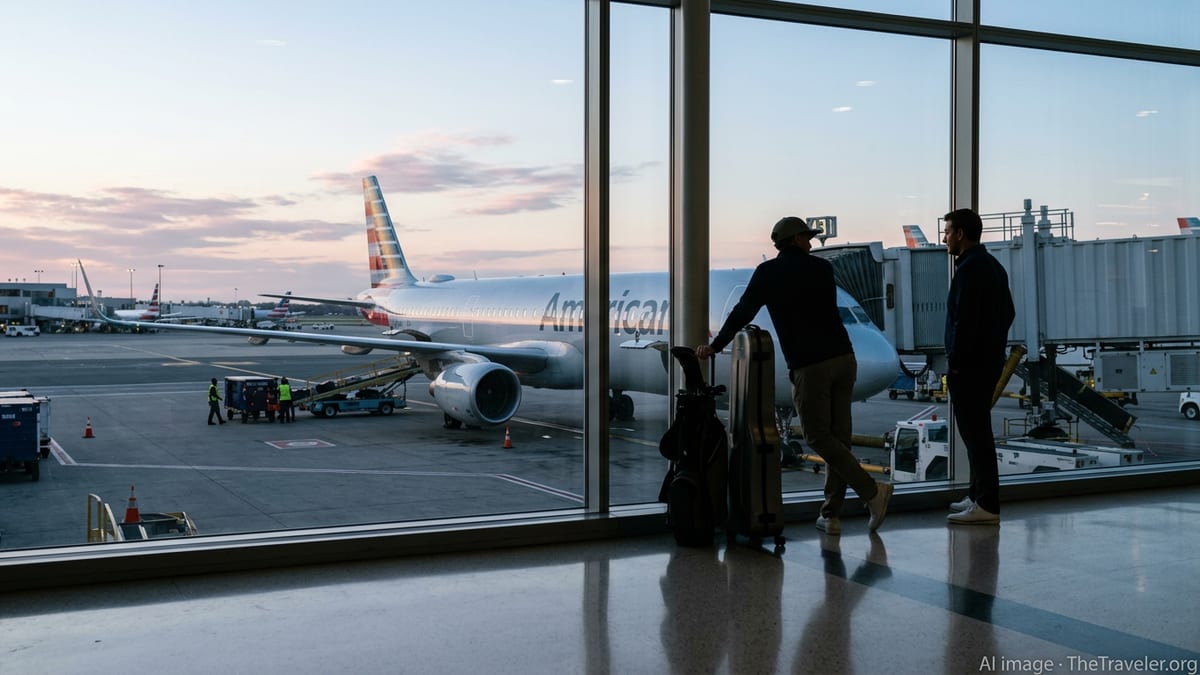
Sharp Capacity Increase on Core India Routes
Publicly available schedules for summer 2026 indicate that British Airways is pushing its India network close to record levels, with additional flights planned from London Heathrow to Delhi and Mumbai alongside a step-up in services to southern India. Reports on the evolving Gulf aviation constraints suggest that some long haul capacity has been redeployed to the India market, where demand has remained resilient and yields comparatively strong.
Coverage in Indian business media in late March 2026 highlights that British Airways will introduce a third daily service on the London–Delhi route from early April and add a third daily rotation between London and Mumbai from mid May. These extra flights lift the carrier’s India schedule to as many as 63 weekly services during the height of the summer timetable, significantly expanding seat availability between London and two of India’s busiest international gateways.
The frequency increases to Delhi and Mumbai arrive at a moment when travelers have been seeking alternatives to Gulf carriers, many of which are temporarily operating reduced schedules. Industry commentators note that London’s role as a one stop hub for traffic between India, Europe and North America has strengthened as a result, and British Airways appears to be positioning its expanded India operation to capture more of this connecting demand.
Published route analyses also indicate that these additional India flights are timed to plug into British Airways’ transatlantic bank at Heathrow, enhancing same day links from Delhi and Mumbai to major cities in the United States and Canada. This structure is expected to appeal in particular to premium and corporate travelers who favor through-checked itineraries and familiar frequent flyer benefits across a single alliance network.
Double Daily London–Bengaluru Marks Strategic Shift
The most eye catching element of the summer build up is the forthcoming double daily London–Bengaluru service, scheduled to begin on 1 June 2026. Trade publications focused on aviation and travel report that British Airways will move from a single daily operation to two daily nonstops between Heathrow and Kempegowda International Airport, effectively doubling capacity on a route the airline has served continuously since 2005.
According to recent industry coverage, traffic between London and Bengaluru rose by around 24 percent year on year in 2025, with approximately 320,000 round trip passengers traveling between the two cities. Analysts describe Bengaluru as the third largest city pair between India and the United Kingdom by passenger volumes, underlining why British Airways has chosen this market for its next phase of India expansion.
Reports on the new schedule show that both Bengaluru flights will be operated by Boeing 787-8 aircraft configured in two cabins. The timetable creates a spread of departure times from London in the late morning and mid afternoon, with corresponding early morning arrivals into Heathrow from Bengaluru. This pattern is designed to optimize connectivity into European and North American networks while still supporting overnight rest patterns for travelers on both legs.
Aviation analysts point out that the move to double daily service also strengthens Kempegowda International Airport’s status as a South India hub. With the addition of the second Heathrow frequency, British Airways joins a broader trend of international airlines deepening their presence in Bengaluru, citing the city’s technology sector, growing outbound leisure segment and increasing non resident Indian population as key drivers of long haul demand.
Enhanced Connectivity for Chennai, Hyderabad and Beyond
Alongside the headline capacity increases to Delhi, Mumbai and Bengaluru, British Airways is maintaining daily links from London Heathrow to Chennai and Hyderabad, ensuring that five major Indian metropolitan areas will have nonstop access to the UK capital during the 2026 summer period. Travel trade reports summarizing the new schedule note that the airline’s India portfolio will comprise three daily flights to Mumbai, two daily to Delhi and Bengaluru, and one daily service each to Chennai and Hyderabad.
This structure effectively creates a spine of north south connectivity across India tied into a single European hub, allowing passengers from southern India to connect via London to destinations across Europe and North America. Market commentary suggests that these links are particularly attractive to technology professionals, students and visiting friends and relatives traffic, who value the combination of overnight flying options, one stop itineraries and established frequent flyer benefits.
Industry observers also highlight the potential for increased feeder traffic via domestic and regional partnerships. A codeshare arrangement between British Airways and a major Indian carrier, in place since 2023, already provides through-ticketed itineraries from a range of tier two cities into the British Airways long haul network. The expanded summer schedule is expected to deepen the utility of that partnership by offering more connection opportunities and shorter transfer times over Heathrow.
Travel agencies and online intermediaries are preparing tailored fare products to capitalize on the expanded connectivity, particularly for travelers originating in cities such as Ahmedabad, Kochi, Kolkata and Pune who can now reach London and onward destinations with a single stop via metro gateways. Network planners commenting in specialist publications suggest that, if load factors remain strong, additional Indian cities could be candidates for future seasonal or year round services later in the decade.
Responding to Market Disruption and Shifting Passenger Flows
British Airways’ India build up is unfolding against a backdrop of disruption in parts of the Gulf region, where several major carriers have reduced frequencies or adjusted routings. Business newspapers in India report that this has created short term capacity gaps on some westbound corridors, leading price sensitive and time sensitive travelers alike to look for alternatives through European hubs such as London.
According to travel industry analysis, India outbound demand has remained robust despite geopolitical uncertainty, supported by steady economic growth, rising middle class incomes and strong diaspora ties with the United Kingdom, North America and Europe. The added frequencies from London to Delhi, Mumbai and Bengaluru are widely viewed as an attempt to capture passengers who might otherwise have transited through traditional Middle Eastern hubs.
Commentary from aviation analysts indicates that, by consolidating more India flying into Heathrow, British Airways can also improve aircraft utilization and expand premium seating where demand justifies it. Some published reports suggest that the airline is progressively rolling out its latest business class product and updated cabins on core India routes, with the aim of aligning the onboard offering more closely with what is available on its flagship transatlantic services.
Industry publications further note that the strengthening of India services fits into a broader strategic emphasis on Asia and the Middle East within British Airways’ long haul portfolio. With India projected to become one of the world’s largest aviation markets over the next decade, increased summer capacity in 2026 is being interpreted as an early move in a longer term contest for market share among European and Gulf carriers.
Implications for Competition and Travelers
The wave of additional British Airways flights is expected to intensify competition on India–UK routes, where Indian full service airlines and other European carriers are also expanding. Travel media reports describe a market where passengers will have more choice in schedules, cabin products and loyalty benefits, even as external factors such as fuel costs and geopolitics continue to influence fares.
For travelers, the practical impact of the expanded summer timetable is likely to include greater flexibility in departure times, particularly on the London–Delhi, London–Mumbai and London–Bengaluru corridors. With double daily and triple daily options on some of these routes, passengers can select flights that better align with business meetings, onward connections or preferred arrival times.
Analysts also expect that the higher seat supply could temper fare spikes during peak periods, especially for bookings made well in advance. At the same time, the continued strength of visiting friends and relatives traffic between India and the UK means that high demand dates around school holidays and festivals may still see tight availability, even with the added capacity.
Looking ahead, network experts suggest that the performance of the double daily Bengaluru service will be closely watched as a bellwether for future expansion decisions. Strong sustained loads and healthy connecting traffic through Heathrow could pave the way for further seasonal upgrades or additional Indian destinations, reinforcing London’s role as a key bridge between India and the wider world.