

More news on this day
British Airways has grounded and rerouted key Middle East services as the escalating Iran conflict triggers sweeping airspace closures across the Gulf, leaving tens of thousands of UK travelers stranded and scrambling for a way home.
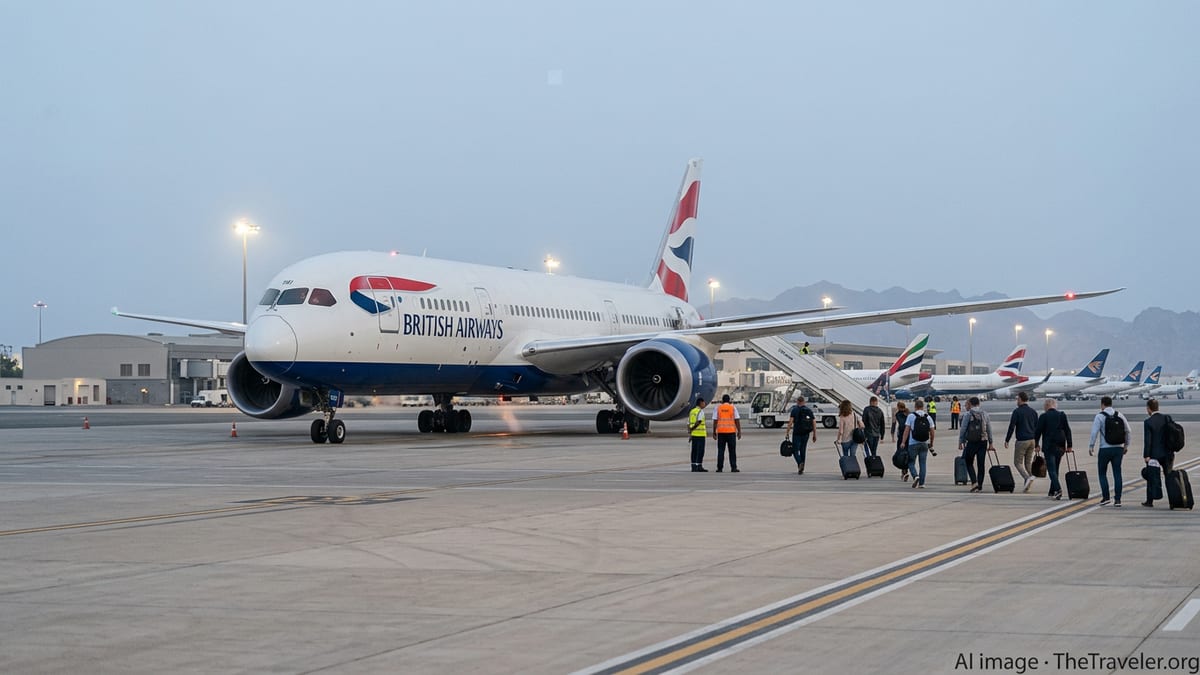
BA Grounds Core Gulf Routes As Safety Concerns Mount
British Airways confirmed on 3 March 2026 that it is unable to operate flights from major Gulf gateways including Dubai, Doha, Abu Dhabi, Bahrain, Amman and Tel Aviv, following US and Israeli strikes on Iran and subsequent Iranian retaliatory attacks that have shut or severely restricted airspace across the region. The airline said it is “closely monitoring the situation” and reiterated that it will only operate flights when it is safe to do so.
The carrier has cancelled a wide swath of services into the Middle East, aligning with moves by other global and regional airlines reacting to the rapidly changing security environment and airspace notices. Airspace over Iran, Iraq, Kuwait, Israel, Bahrain, the United Arab Emirates and Qatar has been effectively closed to most civilian traffic since the weekend, forcing mass cancellations and long diversion routings for flights that would normally cross the region.
As part of an updated travel policy, British Airways is allowing customers booked between London Heathrow and Abu Dhabi, Amman, Bahrain, Doha, Dubai or Tel Aviv up to and including 15 March to change their travel dates free of charge to fly on or before 29 March. Passengers due to travel up to and including 8 March may also request a full refund, reflecting expectations that disruption will stretch well beyond the first days of the crisis.
The airline stressed that all other routes on its global network are currently operating as normal, but advised customers to check the status of their flight before leaving for the airport given the highly fluid situation.
Muscat Emerges As A Lifeline Hub For Stranded BA Customers
With airspace around key Gulf hubs constricted and several airports suffering direct damage from Iranian missile and drone strikes, Oman has suddenly become a critical staging point for British Airways and the UK government. Muscat’s airspace remains open, and BA has arranged a special service from the Omani capital to London, scheduled to depart at 02:30 local time on 5 March.
British Airways said it is aware that a growing number of its customers have reached Oman overland from the United Arab Emirates and Qatar in hopes of securing a seat out of the region. A dedicated phone line has been set up for existing BA passengers already in Oman to register their interest in the Muscat to London flight, which will operate outside the airline’s usual schedule, as BA does not normally serve Muscat.
The emergency use of Muscat dovetails with wider UK government plans to charter additional flights from Oman to evacuate vulnerable British nationals from across the Gulf. Officials have described the developing operation as one of the largest peacetime evacuation efforts in modern British history, with around 100,000 to 130,000 UK citizens believed to be in affected countries.
Travelers attempting to reach Oman from Dubai, Abu Dhabi and Doha face difficult journeys, with long desert drives, congested land borders and intermittent security incidents reported on key routes. Despite the challenges, Muscat and some Saudi Arabian airports have become vital escape valves as direct air links from the main Gulf hubs remain largely shut.
Regional Airspace Closures Ripple Across Global Networks
The grounding of British Airways flights sits within a broader aviation shutdown that analysts say is the worst shock to global air travel since the peak of the Covid pandemic. Since airspace closures began on 28 February, thousands of flights have been cancelled or heavily rerouted, with long haul services between Europe, Asia, Africa and North America particularly hard hit.
Major Middle Eastern carriers including Emirates, Etihad and Qatar Airways have suspended most commercial services into and out of Dubai, Abu Dhabi and Doha until at least later this week, focusing instead on limited repatriation and cargo operations where security assessments allow. European, North American and Asian airlines have likewise paused or diverted flights that would normally cross Iranian and Iraqi skies, adding hours to journey times and imposing complex operational and fuel planning challenges.
Flight tracking and aviation data firms report that more than 11,000 flights have already been cancelled across the region, with additional cancellations and diversions cascading through global networks as aircraft and crew are stranded out of position. Airports far beyond the Middle East, from London Heathrow to major European and US gateways, are experiencing knock-on disruption as passengers miss onward connections and aircraft rotation plans unravel.
The complexity of modern hub-and-spoke networks means that a closure affecting a few critical air corridors in the Gulf can quickly impact travelers on entirely different continents. British Airways, like its peers, is now juggling the twin tasks of keeping aircraft and crews safe while finding alternative routings where possible and managing the expectations of passengers desperate to get home or continue their journeys.
Stranded British Travelers Face Uncertainty And Long Waits
For British Airways customers already in the Gulf, the situation on the ground remains tense and uncertain. UK officials estimate that well over 100,000 British nationals are currently stranded in countries such as the United Arab Emirates, Qatar, Bahrain and Saudi Arabia, many of them holidaymakers or business travelers who expected routine short breaks in Dubai or Doha.
With airports such as Dubai International and Abu Dhabi’s Zayed International temporarily shut to regular passenger services and occasionally targeted in Iranian strikes, many travelers have been advised by local authorities and the UK Foreign Office to shelter in place until safe evacuation routes can be guaranteed. Hotel lobbies and resort reception areas have effectively become waiting rooms, as guests constantly refresh airline apps and news alerts.
Some travelers able to secure road transport have attempted overland journeys to Oman or to Saudi airports still handling a limited number of flights, though these routes can involve drives of 300 miles or more across remote desert terrain. Others have looked at chartering private jets at eye watering prices, only to find that demand far outstrips available aircraft as wealthy residents and corporations also seek rapid exits from the region.
Against this backdrop, British Airways has come under criticism for at least one Muscat to London evacuation flight that reportedly departed with empty seats reserved for airline crew and personnel, even as ordinary passengers scrambled for any available options. The airline insists that its priority is the safety and positioning of crews needed to restart wider operations once airspace restrictions ease.
What BA Passengers Should Know Before They Travel
For travelers booked to fly British Airways between London and major Middle East destinations over the coming days, flexibility and patience will be essential. The carrier’s current policy allows free date changes for flights to Abu Dhabi, Amman, Bahrain, Doha, Dubai and Tel Aviv up to and including 15 March, with travel rebookable on or before 29 March. Customers scheduled to travel on these routes up to and including 8 March can alternatively request a full refund.
Passengers are being urged not to travel to the airport unless they have received confirmation that their flight is operating as scheduled. Even where services appear in booking systems, short notice cancellations or reroutings remain possible as security assessments and airspace permissions are updated.
Travel experts stress that while airlines are not required to pay standard cash compensation for disruption caused by armed conflict, carriers such as British Airways still have a duty of care to provide assistance with meals and accommodation for stranded customers where feasible. Many Gulf governments and airport authorities have also stepped in with support, offering hotel rooms and food vouchers to passengers stuck in transit.
With no clear timeline for a full reopening of regional airspace, British Airways and its passengers face a prolonged period of disruption. The airline’s emergency operations via Muscat, broad change fee waivers and close coordination with UK government evacuation plans underline the scale of the challenge as the Iran conflict continues to reshape travel across one of the world’s most important aviation crossroads.