

More news on this day
A British Airways long haul flight was forced to divert after a medical emergency on board, leaving passengers stranded at an unscheduled airport and facing hours of disruption while the airline worked to restore their journeys.
Get the latest news straight to your inbox!
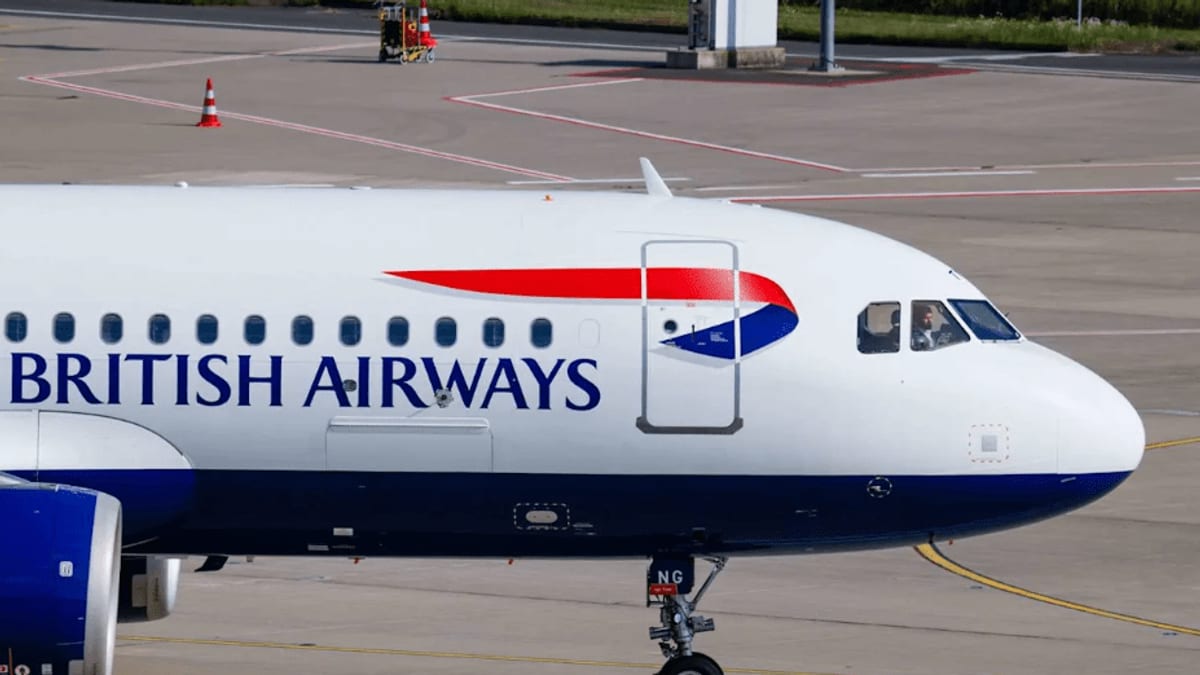
Emergency Diversion Disrupts Transatlantic Journey
According to published coverage in specialist travel media, a recent British Airways service operating between the Caribbean and London was diverted mid route after a passenger suffered a serious medical issue. The aircraft, which had departed from the Bahamas for London Heathrow, initially diverted to Canada so the individual could be transferred for urgent treatment.
Operational data and flight tracking information indicate that the aircraft subsequently required a further diversion to Iceland, turning a routine overnight transatlantic crossing into an extended multi leg journey lasting around eleven hours longer than scheduled. Reports indicate that the chain of events left the flight significantly delayed into Europe and out of position for its intended rotation.
While medical emergencies are a recognised reason for diversion in commercial aviation, the decision can have extensive knock on effects for passengers and crew. In this instance, the combination of two unplanned stops, crew duty time limits and aircraft scheduling constraints contributed to a complex recovery operation for the airline.
Information made public about the incident suggests that cabin crew followed standard procedures to seek medical assistance on board before the captain elected to divert. Once on the ground, the passenger requiring treatment was transferred to local medical services, and the aircraft was prepared to continue, subject to operational checks and crew hours rules at each intermediate airport.
Passengers Face Long Delays and Overnight Stays
For travellers on board, the unplanned diversions translated into lengthy delays, with some reports pointing to an overall disruption of around half a day compared with the original timetable. Passengers were required to disembark and reboard during the stops, undergo additional security and border formalities, and in some cases endure extended waits in terminal areas while the airline coordinated onward clearance.
Accounts from affected travellers published online describe uncertainty over timing, limited real time information at diversion airports and concerns about missed connections in London. Some customers reported losing onward flights to Europe and beyond, raising the prospect of overnight stays or extended layovers while new arrangements were made.
Travel industry reporting on the incident indicates that hotel accommodation and meal vouchers were provided for some stranded passengers who could not be rebooked the same day. However, the experience appears to have varied depending on individual itineraries, available capacity on subsequent services and whether travellers held through tickets or separate onward reservations.
The disruption also affected baggage handling. Operational sources suggest that checked luggage remained on board the aircraft during the diversions for security and logistical reasons, which meant that some passengers had limited access to personal items while waiting for new flights or accommodation.
Complexities of Diversion Decisions
Emergency diversions of long haul flights are relatively rare but not unprecedented for British Airways. Public aviation records and previous incident reports show that the airline has diverted flights in the past due to medical events, technical issues and weather conditions, occasionally leaving aircraft and passengers far from their planned destinations.
Aviation safety guidance explains that diversion decisions rest with the operating pilots, who must weigh the medical or technical urgency against geography, available airports, runway length, weather, air traffic control constraints and the support facilities on the ground. In situations where an airport can provide rapid medical care but limited handling capacity, passengers may experience extended waits as local teams work through refuelling, crew changes and security clearance.
Analysts note that when a diversion occurs to an airport outside the airline’s regular network, arranging ground handling, catering, refuelling and check in support can be particularly challenging. Airlines often rely on partner carriers or third party agents in such locations, which can lengthen turnaround times and complicate efforts to provide clear communication to passengers in crowded terminal areas.
The recent British Airways incident illustrates how quickly a point to point flight can turn into an irregular operation spanning several jurisdictions. Each additional landing introduces its own regulatory framework, immigration considerations and operational checks, all of which must be resolved before the journey can continue or passengers can be transferred to other services.
Passenger Rights and Airline Obligations
The disruption has renewed attention on the rights of passengers caught up in emergency diversions and the extent of an airline’s obligations under UK and European consumer legislation. British Airways’ own publicly available guidance on cancellations and long delays explains that compensation rules differ depending on whether a disruption is considered within the carrier’s control.
Medical emergencies are typically categorised as extraordinary circumstances, which can limit cash compensation even when travel plans are heavily affected. However, consumer advice services in the United Kingdom highlight that airlines may still be required to provide care and assistance, including refreshments, accommodation and rebooking, when passengers are stranded for extended periods.
Travel law specialists point to the importance of documenting expenses and keeping boarding passes, booking confirmations and any written communication from airlines when seeking reimbursement. Passengers are also encouraged to check their travel insurance policies, which may offer additional coverage for missed connections, overnight stays and essential items when journeys are disrupted for reasons outside an airline’s direct control.
In situations involving long diversions and missed onward flights, the level of support can depend on whether connecting sectors are on the same ticket, and whether the entire itinerary is operated by the same airline or alliance partners. Travellers booked on separate tickets may find that their onward segments are treated as independent journeys, making it harder to secure automatic rebooking.
Planning Ahead for Irregular Operations
For future travellers, the incident serves as a reminder that even routine long haul flights can face unexpected changes. Aviation experts advise allowing generous connection windows when booking separate tickets, particularly in winter or during busy holiday periods when airports are already operating close to capacity.
Consumer advocates also recommend keeping essential medications, a change of clothes and basic toiletries in cabin baggage in case checked bags become inaccessible during an unscheduled stop. Charging cables, offline copies of travel documents and details of accommodation or tour bookings can help passengers manage unexpected overnight stays more smoothly.
While major airlines such as British Airways maintain contingency plans for diversions and irregular operations, practical experiences can differ significantly from one airport to another. Travellers who remain calm, stay informed through airline apps and departure boards, and proactively ask about rebooking options are often better placed to secure earlier alternatives when demand for seats is high.
The latest diversion incident underlines the balance airlines must strike between immediate safety priorities and the duty of care owed to hundreds of passengers whose journeys are disrupted. For those who found themselves unexpectedly overnight in unfamiliar airports, it has become a vivid example of how one medical emergency can ripple across an entire long haul operation.