

More news on this day
British Airways is preparing to introduce financial incentives for pilots who reduce fuel burn on flights, a move framed as a climate and cost-saving measure that is also prompting pointed questions about aviation safety and how far performance pay should influence decisions on the flight deck.
Get the latest news straight to your inbox!
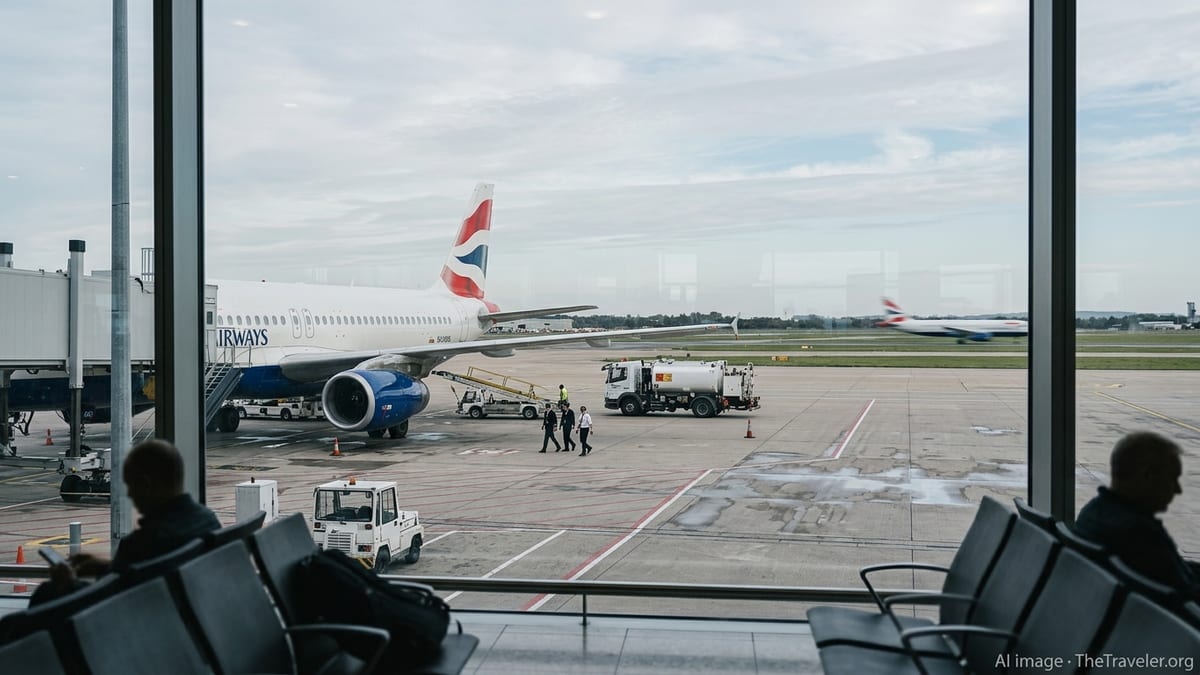
How the Fuel-Saving Bonus Scheme Is Expected to Work
According to recent industry coverage, British Airways is developing a scheme that would link part of pilot compensation to measured improvements in fuel efficiency over time. Publicly available information indicates that the airline intends to benchmark individual crews against historical fuel burn data on specific routes and aircraft types, rewarding those who consistently achieve reductions without breaching operational limits.
The proposal, which is understood to form part of a wider cost and carbon reduction drive, would sit alongside existing tools such as optimized flight planning, updated aircraft software and more efficient fleet deployment. In broad terms, the plan is expected to track variables such as cruising speed, taxi time with one engine shut down, and adherence to airline preferred flight profiles, then calculate bonus eligibility based on verified fuel savings.
Reports indicate that the airline would rely heavily on flight data monitoring to distinguish between legitimate efficiency gains and changes that might compromise safety margins. The scheme is also expected to be calibrated so that pilots are not penalized for taking extra fuel in genuinely adverse conditions, such as severe weather or air traffic control disruption.
While full details have not yet been published, industry observers note that similar fuel-efficiency incentive schemes in other sectors, such as cargo and regional airlines, have tended to be modest in value but symbolically important, signalling management’s focus on both emissions and operating costs.
Safety Margins, Reserves and Regulatory Safeguards
The core concern raised by pilot representatives and safety specialists is that any bonus tied to fuel use could create subtle pressure to erode safety buffers. Long-standing aviation practice requires commanders to carry sufficient fuel for the planned route, an alternate airport, holding patterns and regulatory reserves, with discretion to load more if conditions warrant.
Aviation regulators in the United Kingdom and Europe set minimum fuel planning standards, and airlines must demonstrate compliance in their operations manuals. Publicly available material from safety agencies stresses that these rules are designed around worst-case scenarios, not average days, and emphasize that commanders must be free to override economic considerations whenever they judge additional fuel necessary.
Analysts following the British Airways proposal note that the airline will be operating under the same regulatory framework as competitors, and that oversight from the UK Civil Aviation Authority is expected to focus on how the bonus metrics are defined. If fuel-saving targets were to be based on average conditions without adequate allowances for irregular operations, critics argue, pilots might feel discouraged from loading extra fuel even when it would be prudent.
Industry specialists also highlight that many fuel-saving techniques are already standard and safe when applied correctly, including continuous descent approaches, reduced-engine taxi and optimized climb profiles. The challenge for any bonus scheme is ensuring that rewards apply only to these recognized best practices rather than to aggressive fuel planning that narrows contingency margins.
Climate Commitments and Cost Pressures Driving the Plan
British Airways, like many large carriers, has publicly committed to ambitious emissions reduction targets over the next decade, with a particular focus on fuel burn as the single largest driver of its carbon footprint. Company disclosures and parent group sustainability reports point to investments in newer, more efficient aircraft, sustainable aviation fuel and operational measures that trim unnecessary consumption on each flight.
Fuel accounts for a significant proportion of airline operating costs, and volatile prices over recent years have reinforced the commercial incentive to cut burn wherever possible. Industry analysts note that even small percentage improvements across a large network can translate into tens of millions of pounds in annual savings, while also reducing reported emissions.
In that context, a pilot bonus scheme is being interpreted as one tool among many rather than a standalone policy. Operational changes such as lighter cabin fittings, refined loading procedures and route optimization software are already in use across major European airlines. Paying crews for measurable gains fits within a broader trend of performance-based pay linked to environmental and efficiency key performance indicators.
Environmental advocates who monitor aviation policy generally welcome efforts to improve operational efficiency, viewing them as low-hanging fruit while the industry scales up cleaner fuels and new aircraft technologies. At the same time, some campaigners caution that efficiency bonuses must not become a substitute for structural changes such as fleet renewal or demand management on the busiest short-haul routes.
Pilot Union Reaction and Industry Comparisons
Early reactions from pilot communities suggest a mixed response. Some professionals see an efficiency-linked bonus as recognition of work they are already asked to do, particularly as airlines have long measured individual fuel performance internally. Others argue that safety-critical roles should not have core decisions framed in financial terms, warning that incentives could be perceived as management encroachment on commander authority.
Reports indicate that pilot unions intend to scrutinize any British Airways scheme closely, focusing on how targets are set, how data is interpreted and whether there are robust protections for those who choose to load extra fuel. Industry commentators expect any agreement to include explicit language that safety has primacy over economic considerations and that no pilot can be disciplined or disadvantaged for exercising conservative judgment.
Several airlines around the world have experimented with fuel-efficiency bonus programs, often on a voluntary basis or as part of wider profit-sharing arrangements. Public information on these schemes suggests that, when carefully structured, they tend to reward adherence to best practices rather than aggressive fuel cuts, and incidents linked directly to such programs have been rare. Nonetheless, safety experts argue that British Airways will face heightened scrutiny given its size, profile and the current sensitivity around aviation risk.
Some aviation analysts also point out that pilots have limited control over many variables affecting fuel burn, including air traffic control restrictions, airport congestion and weather systems. Unless a scheme accounts for these external factors, there is a risk that bonuses will be perceived as arbitrary or unfair, undermining the intended motivational effect.
What It Means for Passengers and the Wider Travel Market
For travellers, any well-managed reduction in fuel burn can support broader sustainability goals and help airlines contain costs that might otherwise be reflected in fares. If British Airways is able to cut emissions without affecting safety or reliability, the move could bolster its environmental positioning in a competitive transatlantic and European market where eco-conscious branding is increasingly prominent.
However, the perception of safety is paramount in commercial aviation, and public reaction will likely hinge on how clearly the airline communicates that operational margins remain unchanged. Travel industry observers suggest that even the suggestion that pilots might weigh bonuses against extra fuel could unsettle some passengers, particularly following a period of intense attention on airline safety standards globally.
The scheme also feeds into a wider conversation about how airlines balance sustainability, cost control and labour relations. If the bonus is modest and transparently linked to established best practices, it may be viewed as a pragmatic step that aligns environmental and financial interests. If, on the other hand, it is seen as placing undue economic pressure on crews, it could become a flashpoint in future negotiations and a test case for similar initiatives elsewhere in the industry.
As details continue to emerge, regulators, pilot groups, environmental advocates and passengers will be watching closely to see whether British Airways can demonstrate that rewarding fuel efficiency is not only smart economics and climate policy, but also entirely compatible with the uncompromising safety culture on which commercial aviation depends.