

More news on this day
British Airways’ return to Kuala Lumpur in 2025 is already reshaping long-haul options between Australia and Europe, and industry forecasts now point to a fresh wave of connectivity from January 2027, when daily one-stop links between Melbourne and London via the Malaysian capital are expected to come online.
Get the latest news straight to your inbox!
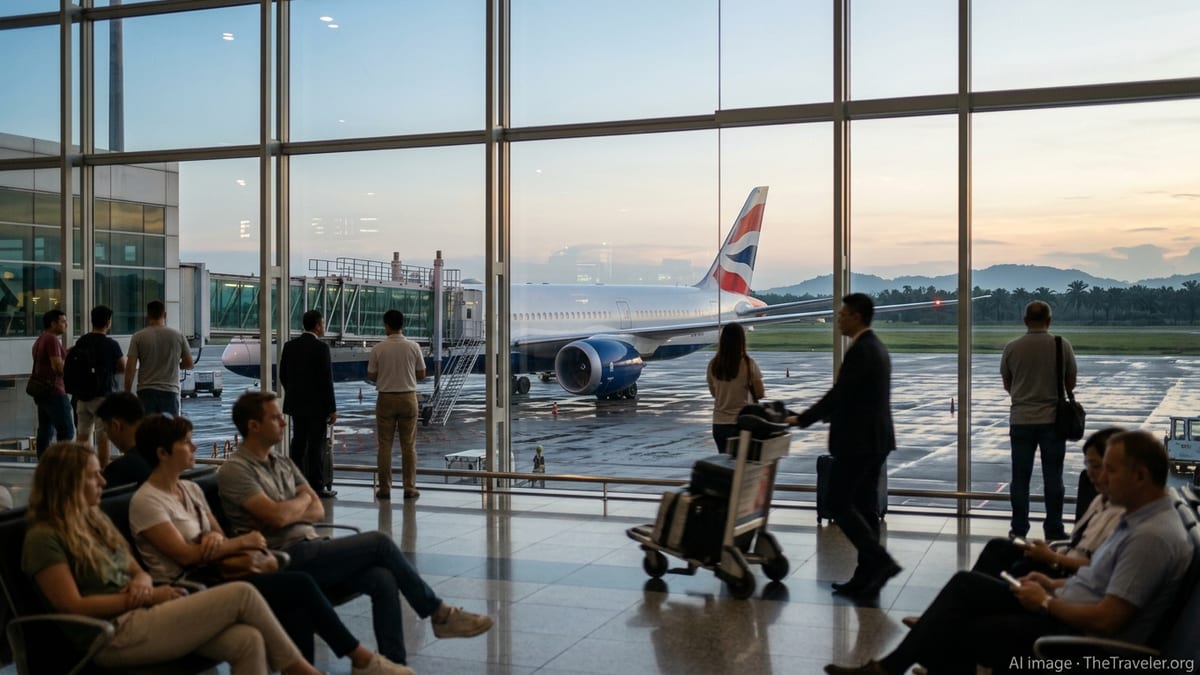
British Airways Rebuilds Its Asian Hub Through Kuala Lumpur
Publicly available information shows that British Airways reinstated daily London Heathrow to Kuala Lumpur services in early April 2025, ending a multi‑year pause on the route and restoring Malaysia to its global network. The route is operated by Boeing 787‑9 aircraft configured with four cabins, positioning Kuala Lumpur once again as a key stop on the carrier’s long‑haul map between Europe and the Asia‑Pacific region.
Industry coverage notes that the decision followed an earlier postponement of the relaunch, with the London–Kuala Lumpur resumption pushed from late 2024 into 2025 before flights finally took off. The daily service has since become a cornerstone of British Airways’ renewed focus on Southeast Asia, alongside its restored presence in Bangkok and an expanded portfolio of regional partnerships.
Analysts describe Kuala Lumpur International Airport as a natural transit gateway for traffic flowing between Europe and Australasia, with the revived British Airways service adding competitive pressure to Middle Eastern and Asian hub carriers. The route is seen as strategically important for both leisure and corporate demand, underpinning potential future growth southwards to Australia.
Codeshares and Partnerships Pave the Way for Melbourne Links
Reports indicate that British Airways has deepened its codeshare agreement with Malaysia Airlines in tandem with the Kuala Lumpur relaunch, enabling single‑ticket itineraries beyond the Malaysian capital to a range of regional destinations. Among these are several Australian cities, including Melbourne, which already appears in the combined network as a one‑stop option for travellers heading to or from London.
Under these arrangements, British Airways markets itineraries that typically pair its London–Kuala Lumpur leg with onward Malaysia Airlines services to Melbourne, creating de facto daily connectivity even in advance of any dedicated British Airways‑operated flights. For passengers in Melbourne, this has quietly reintroduced a British Airways branded path to Heathrow via Kuala Lumpur, competing alongside existing routings through hubs such as Singapore, Doha, and Dubai.
While the long‑haul sector remains capacity‑constrained on some city pairs, scheduling data and expert commentary suggest that demand between Australia and the United Kingdom is robust, particularly during peak northern summer and end‑of‑year holiday periods. This sustained appetite for travel is a key factor in projections that the current codeshare‑based connectivity could evolve into a more formalised daily Melbourne–London pattern centred on Kuala Lumpur from early 2027.
Projected January 2027 Ramp-Up to Daily Melbourne–London Connectivity
Forward‑looking route analysis and booking‑engine data viewed by aviation watchers point toward January 2027 as a likely milestone for a full daily pattern of Melbourne–London itineraries via Kuala Lumpur under the British Airways and Malaysia Airlines partnership. Rather than a single inaugural flight, the development is expected to represent a ramp‑up to consistent one‑stop availability throughout the week, timed to feed into the late‑evening London departure and overnight southeast‑bound return.
In practical terms, the projected schedule would allow Melbourne‑origin passengers to depart in the afternoon or evening, connect in Kuala Lumpur with a relatively short transfer, and arrive into London Heathrow the following morning. In the reverse direction, afternoon or evening arrivals into Melbourne would provide convenient same‑day transfers onward within Australia, while still aligning with long‑haul bank structures in Kuala Lumpur.
The January 2027 timeframe coincides with broader fleet and network renewal across the region, as carriers fine‑tune aircraft deployment and cabin products on high‑yield routes. Industry observers note that British Airways has been progressively upgrading long‑haul cabins on the 787‑9, a trend that, if maintained, would make the Kuala Lumpur link more competitive for premium travellers connecting between Melbourne and London.
What the New Routing Means for Travellers in Melbourne and London
For travellers based in Melbourne, a stable daily one‑stop option to London via Kuala Lumpur would add another layer of choice on a historically busy corridor. Journey times are expected to be broadly comparable to existing one‑stop options through other Asian and Middle Eastern hubs, while the revived British Airways presence in Malaysia could appeal to those seeking a familiar European legacy brand across the longest leg of the trip.
The Kuala Lumpur stop also opens up additional side‑trip possibilities. With Malaysia positioning itself as a regional tourism and business hub, passengers could build in stopovers to explore the city, nearby beach destinations, or onward connections across Southeast Asia before continuing to or from London. This flexibility aligns with trends in long‑haul leisure travel, where multi‑centre itineraries are increasingly common.
On the London side, the strengthened flow of passengers arriving from Melbourne via Kuala Lumpur is expected to feed into British Airways’ broader European and North American network. Timed correctly, arrivals from Malaysia can connect into morning and midday departures across the continent and to major gateways in the United States and Canada, allowing Australians to complete two‑stop itineraries to secondary cities without backtracking.
Competitive Landscape and Capacity Outlook to 2027
The anticipated January 2027 build‑up of Melbourne–London connectivity via Kuala Lumpur unfolds against a backdrop of intense competition on the Kangaroo Route linking Australia and Europe. Gulf carriers, Southeast Asian airlines, and Qantas all contest for share on this long‑haul market, each leveraging their home hubs and connecting networks.
British Airways’ renewed Kuala Lumpur presence, layered with Malaysia Airlines’ regional strength, effectively creates another competitive path for passengers who value a mix of product familiarity, alliance benefits, and schedule choice. Travel trade reporting suggests that corporate buyers and leisure agents alike are increasingly factoring Kuala Lumpur into their planning, especially where loyalty programmes and oneworld alliance benefits are a priority.
Capacity forecasts into 2027 point to continued incremental growth rather than a sudden surge, as airlines balance aircraft deliveries with operational constraints and evolving demand. Within that measured expansion, the Melbourne–London corridor via Kuala Lumpur is expected to serve as a flexible valve, allowing British Airways and its partners to add or trim frequencies in response to seasonal peaks while still maintaining the core objective of daily connectivity.