

More news on this day
British Airways is moving to equip its UK-based fleet with high-speed Starlink Wi-Fi from 2026, a rollout that industry observers say could significantly upgrade inflight connectivity for long-haul travelers departing the airline’s London hubs.
Get the latest news straight to your inbox!
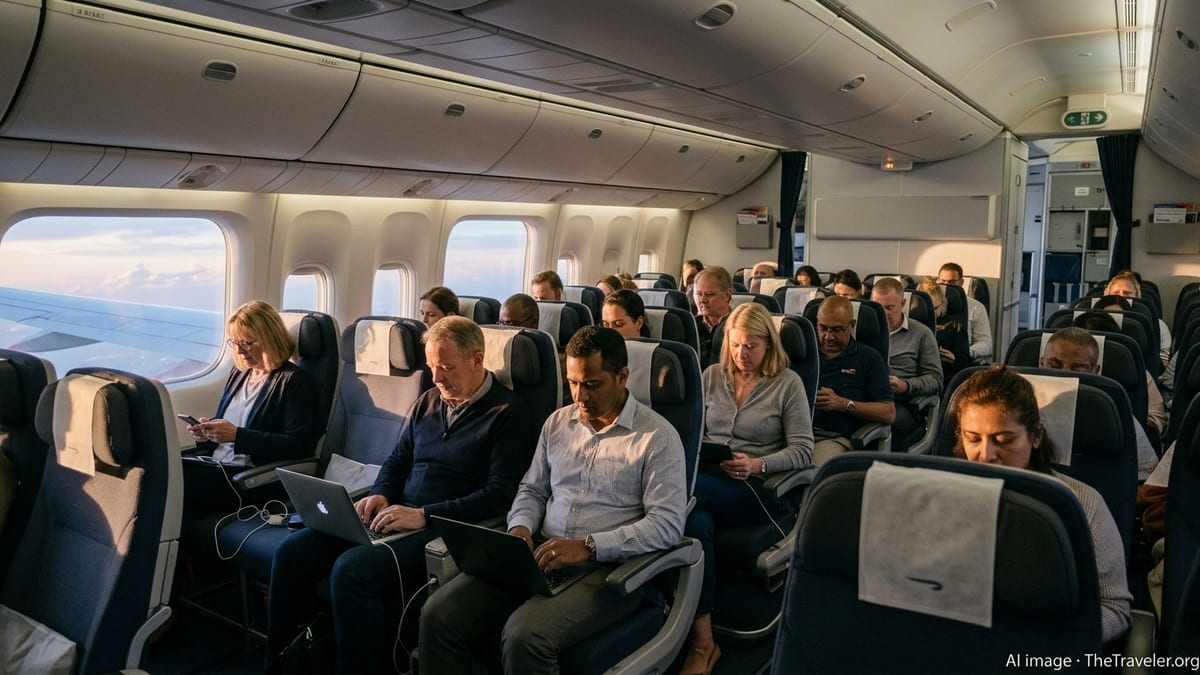
A Group-Wide Starlink Deal Brings BA Into a New Connectivity Era
The move follows an agreement by International Airlines Group, the parent company of British Airways, to introduce Starlink-enabled Wi-Fi across more than 500 aircraft operated by its airlines, including British Airways, Aer Lingus, Iberia, Vueling and LEVEL. Publicly available information on the partnership indicates that the first aircraft are due to go live in early 2026, with installations ramping up across both short-haul and long-haul fleets thereafter.
According to published coverage of the IAG announcement, Starlink will deliver download speeds broadly comparable to home broadband, using a constellation of low Earth orbit satellites designed to reduce latency and improve reliability compared with traditional geostationary systems. For passengers, that is expected to translate into faster page loads, smoother video streaming and more responsive cloud-based tools, especially on long intercontinental sectors where current inflight Wi-Fi can be patchy.
British Airways has been steadily expanding connectivity across its long-haul fleet in recent years, but performance and availability have remained inconsistent, particularly on some routes to Asia and Latin America. The Starlink agreement is being framed by industry analysts as a step change rather than an incremental upgrade, aimed at putting IAG carriers among the best connected in Europe once installation is complete.
Internal IAG reporting for 2025 highlights digital investment, including next-generation Wi-Fi, as a core pillar of the group’s customer-experience strategy. The Starlink rollout is positioned alongside other technology projects such as data-driven maintenance and new digital tools, underscoring how central connectivity has become to the group’s transformation plans.
Free High-Speed Wi-Fi Expected to Reshape Long-Haul Travel
Documentation made available in IAG’s latest annual report indicates that, as the rollout begins in 2026, passengers on British Airways long-haul and short-haul flights will have complimentary access to Starlink Wi-Fi. For long-haul travelers in particular, this represents a marked shift from today’s model, where many passengers pay for access that can still be subject to capacity constraints or outages.
Analysts following the airline sector suggest that offering free, high-performance connectivity could become a key differentiator for British Airways on competitive transatlantic and global routes. Rival carriers in North America have already begun highlighting their own Starlink installations or free Wi-Fi propositions, and observers expect European airlines to respond in kind to avoid losing premium and corporate customers who increasingly treat inflight connectivity as essential rather than optional.
For business travelers, home-style bandwidth and lower latency could make it easier to join video conferences, collaborate in shared documents or access corporate systems securely for the duration of a long-haul flight. For leisure passengers, the main benefits are likely to be seamless messaging, social media use and the ability to stream high-definition entertainment from familiar platforms instead of relying exclusively on the seatback system.
Published commentary from frequent flyers suggests that current British Airways Wi-Fi can range from workable to unusable depending on aircraft type, route and demand on board. If Starlink performs as advertised, long-haul trips from London to destinations in North America, the Middle East, Africa and Asia could feel significantly more connected, helping British Airways narrow the gap with leading global competitors in the onboard digital experience.
How the Starlink Retrofit Will Touch British Airways’ UK Fleet
British Airways operates one of Europe’s largest long-haul fleets from its London Heathrow and London Gatwick bases, including Boeing 777 and 787 aircraft and Airbus A350s, alongside an extensive short-haul operation using Airbus A320-family jets. Fleet data and industry reports indicate that the Starlink installation program is expected to cover both widebody and narrowbody aircraft, subject to any near-term retirements.
Specialist aviation reporting and forum discussions suggest that work on certain Heathrow-based Boeing 787 aircraft could be among the earliest phases of the British Airways retrofit, reflecting their extensive use on long-haul routes where connectivity is most valued. Additional certifications for Airbus narrowbodies used on UK and European services are also being tracked by enthusiasts, indicating that short-haul travelers from London and regional UK airports are likely to see benefits as hardware is installed.
Retrofitting an existing fleet with satellite connectivity equipment typically requires structural modifications to mount the antenna and associated hardware, as well as updates to cabin systems and portals used by passengers. Industry experience with other Starlink airline customers suggests that installation times can be relatively short compared with some legacy systems, helping airlines progress quickly once engineering approvals are in place.
While British Airways has not publicly released a detailed aircraft-by-aircraft schedule, the parent group’s target of equipping hundreds of aircraft across multiple airlines implies a multi-year program. Aviation analysts expect the most heavily utilized long-haul airframes to be prioritized to maximize the customer impact of the investment from the earliest stage.
Raising the Bar on Inflight Internet Expectations
The introduction of Starlink on British Airways comes at a time when passenger expectations for inflight Internet are shifting from basic messaging toward full broadband functionality. Publicly available accounts from other airlines that have already deployed Starlink describe passengers streaming video, joining live meetings and using multiple devices simultaneously without the slowdowns often associated with older systems.
Consumer feedback on existing British Airways connectivity has frequently highlighted interruptions, limited bandwidth and inconsistent coverage, particularly on long routes over oceans or remote regions. By relying on a dense network of low Earth orbit satellites, Starlink aims to maintain a more stable connection along complex flight paths, offering coverage on polar and oceanic segments that have historically challenged some legacy providers.
Travel industry commentators note that as inflight Wi-Fi approaches home broadband quality, airlines may begin to reimagine the entire onboard digital experience. Faster, more reliable bandwidth can support richer destination content, real-time language tools, cloud-based gaming and more personalized retail offerings, all accessible on passengers’ own devices.
For British Airways, improving inflight connectivity also aligns with broader efforts to modernize cabins, expand premium leisure offerings and rebuild its long-haul network in the wake of pandemic-era disruptions. Consistent, high-speed Wi-Fi is increasingly viewed as part of the core product, on par with seat comfort and entertainment, rather than a purely ancillary revenue stream.
What Travelers Should Expect as the Rollout Begins
As 2026 approaches, travelers flying with British Airways from the UK can expect a transition period in which some aircraft feature the new Starlink service while others continue to rely on existing systems. Industry observers recommend that passengers check aircraft types and recent reports on specific routes, understanding that availability may vary until the retrofit is substantially complete.
During this phase, long-haul customers may notice new onboard portals and branding as the airline introduces the Starlink experience and shifts toward free access. The precise structure of any premium tiers, such as higher-bandwidth options for heavy users, has not yet been widely detailed in public materials, but many analysts anticipate a base level of free connectivity with potential upsells for intensive streaming or corporate applications.
For UK-based travelers planning major trips in late 2026 and beyond, the likelihood of flying on a Starlink-equipped British Airways aircraft should steadily increase as more of the widebody and narrowbody fleet is upgraded. On core long-haul markets linking London with major hubs in North America and elsewhere, the airline is expected to highlight enhanced connectivity as part of its marketing to both leisure and corporate segments.
While specific performance will ultimately be judged by passengers once the service is live at scale, early indications from other carriers suggest that Starlink can meaningfully close the gap between inflight and on-the-ground Internet experiences. If the rollout proceeds as planned, British Airways’ adoption of the technology could mark a turning point for UK-based long-haul travelers who have long regarded inflight Wi-Fi as unreliable or not worth the cost.