

More news on this day
British holidaymakers and residents stranded in Oman amid the escalating Middle East conflict are being urged to follow Foreign Office instructions and await direct contact from officials, as the UK government and airlines begin operating limited repatriation flights back to the United Kingdom.
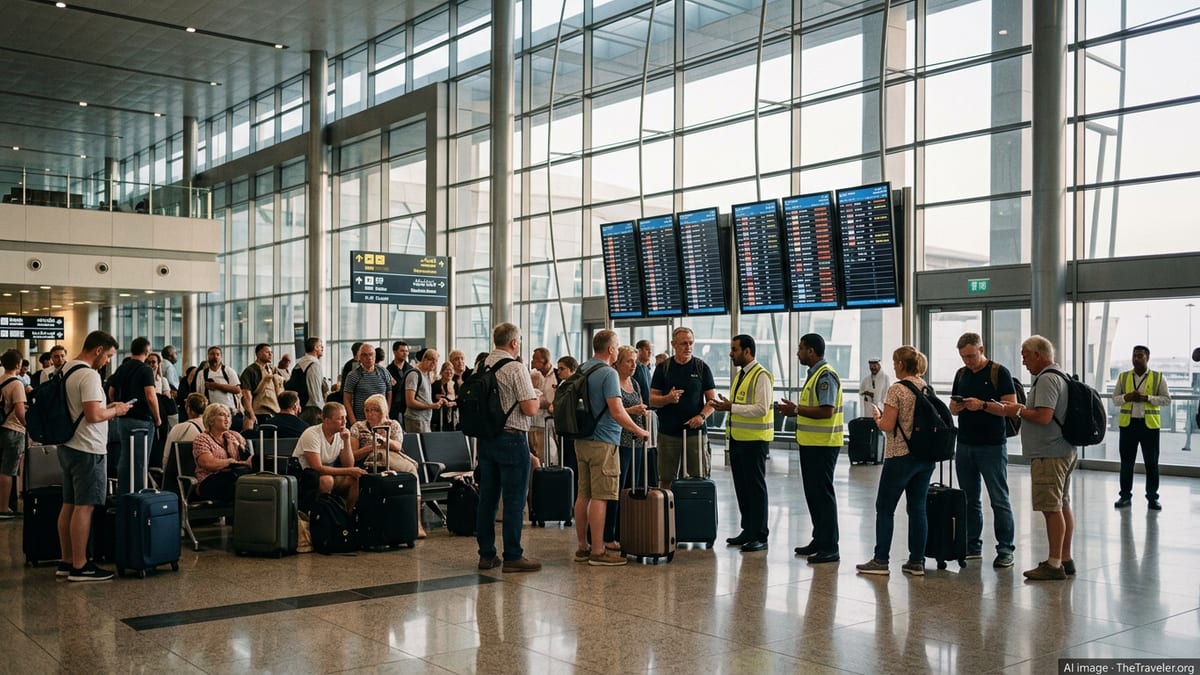
First UK Repatriation Flight Leaves Muscat Tonight
The first UK government charter flight to bring stranded British nationals home from the region is scheduled to depart Muscat, the Omani capital, on Wednesday 4 March at 23:00 local time. The Foreign Office confirmed that the service, operated by a commercial carrier on behalf of the government, will fly to the UK as part of a wider emergency evacuation effort triggered by the fast-moving conflict involving Iran, the United States and Israel.
The flight is open to British nationals currently in Oman, along with their spouses or partners and children under 18, provided they hold valid travel documents. Officials have stressed that seats will not be allocated on a first come, first served basis but instead according to vulnerability, with priority given to those deemed most at risk or in urgent need of assistance.
The launch of the government-backed repatriation service from Muscat follows several days of severe disruption across Gulf airspace, with thousands of flights cancelled and major hubs such as Dubai, Doha and Abu Dhabi operating only very limited services. UK ministers say the Oman route has emerged as one of the safest and most practical corridors for moving people out of the region.
Foreign Office Advice: Do Not Go to the Airport Uninvited
British travellers currently in Oman are being repeatedly warned not to travel to Muscat International Airport unless they have been explicitly contacted and instructed to do so by the Foreign, Commonwealth and Development Office. Officials say unregistered or walk up passengers will not be able to board the charter, and unnecessary journeys risk adding strain to local authorities and airport operations at a time of heightened security.
Instead, stranded visitors are being told to make sure they are registered with the Foreign Office, keep phones charged and accessible, and monitor official communications closely. Those who initially registered their presence in the United Arab Emirates but have since travelled overland or by diverted flight to Oman are also being asked to update their details and confirm that they now wish to leave from Muscat.
Consular teams have been deployed on the ground to liaise with local authorities, assist vulnerable cases and coordinate onward travel for those placed on the government flight. The Foreign Office says it remains in round the clock contact with Omani officials and regional partners, warning that routes and timings could still be adjusted at short notice if the security picture deteriorates further.
British Airways and Limited Commercial Options
Alongside the UK government charter, British Airways has organised its own special service from Muscat to London in the early hours of Thursday 5 March. The airline, which does not usually operate direct flights from Oman, is using Muscat as a temporary staging point after widespread airspace closures forced it to halt services from Dubai, Doha, Abu Dhabi, Bahrain, Amman and Tel Aviv.
Seats on the British Airways flight are being offered primarily to existing customers whose journeys were disrupted elsewhere in the Gulf, with passengers rebooked from cancelled services and advised to contact the airline if they wish to travel. Aviation sources say the Muscat operation is designed to move stranded holidaymakers and transit passengers who had already been in the airline’s system when the crisis escalated.
Other carriers in the region, including Emirates, Etihad and Qatar Airways, remain severely constrained by airspace restrictions and ongoing security concerns. While a small number of repatriation and essential services are operating, most routine commercial flights into and out of the Gulf remain cancelled or heavily curtailed, leaving many travellers with no option but to wait for government coordinated routes such as those now emerging from Oman.
Who Is Eligible and How Are Seats Being Allocated?
According to the Foreign Office, the Muscat charter is open to British nationals, as well as their spouses or partners and dependent children under 18. Non British dependants must hold valid permission to enter or remain in the UK for more than a short stay, and all travellers are required to carry up to date passports or official travel documents.
Officials emphasise that the most vulnerable are being prioritised for the first flight out of Oman. This includes people with serious medical needs, families with young children, older travellers and those without secure accommodation. Eligibility and prioritisation are being determined by consular staff based on information provided through registration systems and direct contact with British nationals in the country.
Travellers who are not called for the first departure are being assured that further flights are under active discussion, both with commercial partners and through potential additional government charters. However, ministers have cautioned that demand for seats is likely to exceed immediate capacity, and that some Britons may need to remain in Oman or elsewhere in the region for several more days while additional arrangements are made.
What British Travellers in Oman Should Do Now
For British nationals currently stranded in Oman, the central message from the UK government is to stay put, stay informed and follow official guidance. Those not already registered are being urged to sign up with the Foreign Office so they can receive text and email alerts about repatriation options, local security advice and any changes to travel conditions.
Travellers are advised to remain in safe accommodation, keep documents and essential medicines close at hand, and allow extra time for any local journeys given potential checkpoints or security controls. Officials say people should avoid large gatherings, monitor reputable news sources and local announcements, and be prepared for the possibility of short notice travel if they are offered a place on a flight.
With more than 100,000 British nationals believed to be stranded across the wider Gulf and an estimated 130,000 registered with the government as being in the region, the repatriation operation from Oman is likely to be the first step in a complex and lengthy effort to bring people home. For those in Muscat and other parts of the country, the advice remains clear: rely on official updates rather than rumours, wait to be contacted before heading to the airport, and be ready to move quickly once a seat is confirmed.