


More news on this day
Heavy thunderstorms brought widespread street flooding across Broward County on Friday, September 18, 2026, slowing traffic from neighborhood side streets to key airport access routes and contributing to flight disruptions at Fort Lauderdale-Hollywood International Airport.
Get the latest news straight to your inbox!
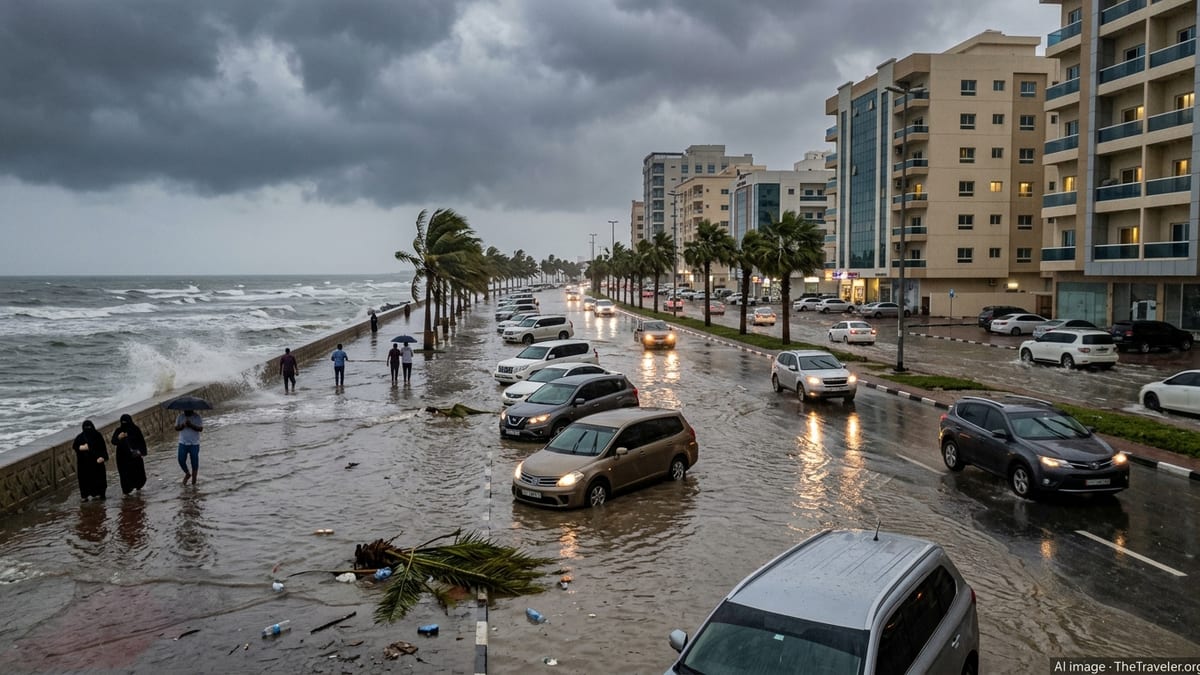
Flooded streets snarl commutes from Dania Beach to Oakland Park
Published coverage from multiple local outlets showed standing water covering roadways in several Broward communities as slow-moving downpours pushed drainage systems past their limits. In Dania Beach, vehicles were shown inching through water at the intersection of Southeast Second Avenue and Seventh Street, with some cars appearing partially submerged as traffic crept along.
Similar scenes were reported in Oakland Park, where water pooled along Oakland Park Boulevard near Northeast Sixth Avenue and Prospect Road, reducing speeds and creating stop-and-go conditions even where formal closures were not immediately posted. Reports also pointed to flooding in Pompano Beach, with water rising high enough in some areas that floating barricades were visible in video shared publicly.
As conditions shifted through the afternoon, drivers in several locations were shown turning around or attempting to push disabled vehicles out of flooded lanes, underscoring how quickly street flooding can strand travelers in low-lying or poor-drainage corridors.
Fort Lauderdale airport access hit by gridlock; ground stops lifted later
Travel impacts concentrated around Fort Lauderdale-Hollywood International Airport, where flooding near entrances and exits created heavy congestion on Perimeter Road and nearby approaches. Video published Friday showed bumper-to-bumper traffic and intermittent standstills, with some travelers walking luggage along road shoulders and access ramps to reach terminal buildings.
Air traffic also saw interruptions during the storms. Publicly available coverage indicated a ground stop was put in place at the airport and later lifted as conditions improved, with delays continuing into the evening as airlines and passengers worked through the backlog.
For travelers trying to make same-day connections, third-party flight tracking data showed dozens of delays and a small number of cancellations at Fort Lauderdale-Hollywood International Airport on Saturday, September 20, 2026, reflecting how irregular operations can persist beyond the heaviest rain window.
Weather alerts highlighted repeat risk in poor-drainage areas
National Weather Service products issued by the Miami forecast office described a pattern of heavy rain and thunderstorms capable of producing minor flooding in low-lying and poor-drainage areas across Broward County, with advisories spanning early morning and late afternoon periods on September 18. One advisory noted radar-indicated heavy rain and reported that 1 to 2 inches had fallen in parts of southern Broward, with additional rainfall possible before storms moved on.
Later statements indicated the heaviest rain had ended and that flooding was no longer expected to pose the same level of threat, while still urging the public to heed any remaining road closures. The alerts reflected a familiar South Florida setup: slow-moving storms, high moisture, and bursts of intense rainfall that can overwhelm street drainage even when rainfall totals vary widely by neighborhood.
Local coverage also emphasized that this type of localized flooding can recur across the county when thunderstorms repeatedly track over the same areas, and that travel conditions can differ sharply from one corridor to another within a short distance.
Transit and local travel: what to check before heading out
With roads flooding unevenly, real-time checks became especially important for anyone traveling to the airport, schools, or appointments. Florida’s 511 traveler information system provides statewide roadway conditions and is designed for use during severe weather events such as flooding, including reports on closures, detours, and travel alerts that may affect major routes.
For public transportation riders, Broward County Transit maintains rider alerts and service updates, which can help travelers confirm whether a particular stop is closed or if a route is being detoured around a flooded segment. Even when buses are operating, street flooding can lead to delays, skipped stops, or longer trip times as drivers avoid water-covered intersections.
Rail service can be a practical alternative when streets are impassable, but travelers still benefit from checking for service messages and real-time status. Tri-Rail’s real-time tools and alerts can help riders track train operations and avoid arriving at a station only to find unexpected delays from weather-related disruptions elsewhere in the region.