

More news on this day
Budapest, Athens and Krakow are emerging as standout winners of Europe’s Easter 2026 city-break rush, combining sharp growth in travel demand with comparatively low prices and a rich calendar of springtime traditions.
Get the latest news straight to your inbox!
Easter 2026 Fuels a New Wave of Urban Spring Travel
Across Europe, early data for Easter 2026 point to an exceptionally strong city-break season, with travellers favouring culturally rich yet relatively affordable destinations over the most established and expensive capitals. Industry analyses of booking behavior in recent years show Easter as a key driver of shoulder-season growth, with 2025 already recording double-digit increases in hotel reservations compared with the previous year and 2026 poised to build on that momentum.
Within this broader trend, Budapest, Athens and Krakow are rising to the top of travellers’ shortlists. Each city benefits from growing air connectivity, a robust mix of domestic and international visitors and pricing that still undercuts Western European rivals such as Paris or Rome. Travel reports highlight that demand is increasingly concentrated around long Easter weekends, as visitors look to combine religious or cultural observances with mild weather and manageable costs.
Budget-conscious travellers are also shifting habits by planning earlier and seeking shoulder-season value rather than peak summer crowds. Accommodation platforms and hotel groups note that for popular dates around Easter 2026, many centrally located options in these three cities are filling up months in advance, even as nightly rates remain lower than in comparable Western European destinations.
This combination of strong demand and relatively modest pricing is reshaping Europe’s spring getaway map. Instead of focusing solely on traditional tourist magnets on the Mediterranean or in Western Europe, more visitors are looking eastward, where their travel budgets stretch further without sacrificing culture or comfort.
Budapest: Booming Hotel Market and High Demand at Manageable Prices
Budapest enters the 2026 Easter period with a hotel sector in rapid expansion, supported by steady growth in guest nights and an active pipeline of new properties. Recent reporting on the city’s hospitality market notes that several hundred additional rooms have come online in the past year, with thousands more in planning stages, as developers respond to sustained tourism growth and strong investor confidence.
Despite this influx of new capacity, the balance of supply and demand remains tight around key holiday periods. Publicly available figures for 2025 showed robust gains during the Easter month, with double-digit increases in arrivals and overnight stays compared with the previous year. Early trends in 2026 indicate that this pattern is repeating, helped by Budapest’s status as a major low-cost airline hub for Central and Eastern Europe.
For travellers, the effect is a market that feels vibrant and busy but still accessible. Hotel rates around Easter are rising from previous years yet typically remain below those found in Western European capitals offering similar quality. The recent tightening of “Airbnb-style” short-term rentals in parts of the city has pushed more visitors into regulated hotels and guesthouses, but the expanding inventory is helping to absorb demand and maintain a range of price points from budget to luxury.
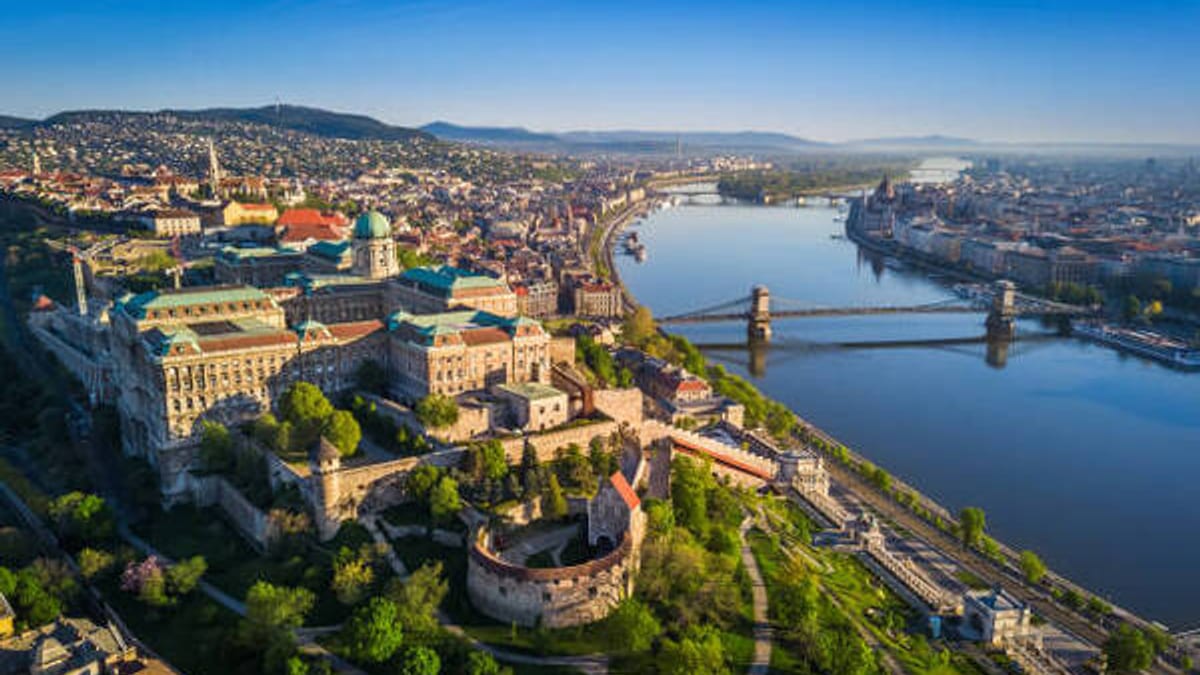
Budapest’s appeal at Easter extends beyond economics. The city’s thermal baths, Danube riverfront and grand architecture are well suited to cool spring days, while seasonal markets and food festivals add atmosphere without requiring high spending. For many visitors, the ability to enjoy these experiences at a lower overall cost than in Western Europe is a decisive factor when choosing an Easter city break.
Athens: High Occupancy and Strong Momentum, Still Competitive on Value
Athens heads into 2026 riding a sustained tourism upswing that has transformed it into one of the Mediterranean’s strongest year-round city-break destinations. Consultancy data for January to October 2025 show hotel occupancy around 78 percent, with revenue per available room increasing as average daily rates edge higher. Industry observers note that Athens has been outperforming several major Southern European competitors in both occupancy and room yield, underlining its strengthened international profile.
This momentum is evident in booking trends around Easter, one of the most important periods in the Greek calendar. Travel coverage for 2025 highlighted Greece as a European leader in year-on-year Easter booking growth, and early 2026 patterns suggest that interest is holding strong. While many Athenians leave the city over the holiday weekend, international arrivals and domestic visitors from other regions help keep demand high for centrally located accommodation and cultural attractions.
Even as prices climb, Athens continues to be perceived as a good-value option relative to other major Mediterranean capitals. Mid-range hotels and guesthouses remain widely available, and food, local transport and attractions are often cheaper than in Western Europe. Accounts from recent visitors describe being able to maintain modest daily budgets while still enjoying taverna dining, museum visits and day trips to nearby coastal or island destinations.
The city’s unique mix of ancient sites, Orthodox Easter observances and lively neighbourhoods adds to its seasonal appeal. Travellers planning an Easter 2026 visit are being advised by travel outlets to secure bookings well in advance, particularly around Greek Easter in mid-April, when demand spikes for centrally located rooms and popular walking tours. For those who book early, Athens delivers a blend of culture and affordability that fits squarely within the broader shift toward value-focused European city breaks.
Krakow: Standout Budget Star in Europe’s Easter City-Break Rankings
Among Europe’s Easter 2026 city-break options, Krakow has emerged as one of the continent’s most cost-effective choices. A recent ranking compiled by a major consumer travel publication, based on more than 3,000 package holiday offers, placed Krakow near the very top for value. The analysis indicated that a week-long Easter stay including flights could average around 628 pounds per person, significantly undercutting many Western European competitors and reinforcing the city’s reputation as a wallet-friendly gateway to Central Europe.
That strong value proposition is attracting attention across the travel industry. European media coverage in early 2026 singled out Krakow as one of the best budget city breaks for the Easter period, noting its combination of low accommodation and dining costs with a compact, walkable historic centre. Flight search trends for 2026 from several source markets also show double-digit growth in interest for Krakow, pointing to rising international visibility.
On the ground, the city’s spring calendar provides additional incentive to visit. Krakow’s Easter market in the Main Market Square typically runs across the holiday period, offering regional food, crafts and performances that appeal to both budget and mid-range travellers. Local guides describe a festive atmosphere that blends religious processions with family-friendly events, making the city particularly attractive for short breaks of three to five days.
Analysts of the local tourism economy note that Krakow benefits from a diverse mix of leisure and business travel as well as a solid air network at its international airport. This base of year-round demand helps keep prices competitive even as visitor numbers grow. For Easter 2026, the convergence of favourable package deals, relatively low daily costs and strong cultural programming positions Krakow as one of Europe’s clearest examples of high-value spring travel.
Why Value-Focused Travellers Are Looking East for Spring Escapes
Taken together, Budapest, Athens and Krakow illustrate a broader realignment in European spring travel. Instead of concentrating exclusively on a small handful of marquee Western capitals, more travellers are rediscovering secondary and Eastern European cities where their spending power goes further. Industry reports for 2026 highlight a growing appetite for destinations that pair cultural depth with lower prices for accommodation, dining and activities.
This shift is partly economic and partly experiential. Rising costs in some of Europe’s most famous cities have encouraged travellers to explore alternatives, while improved air connectivity has made it easier to reach Central and Southern European hubs at competitive fares. For many visitors, the opportunity to experience thermal baths on the Danube, Holy Week processions under the Acropolis or Easter markets in a medieval Polish square, all on a moderate budget, is proving particularly compelling.
Travel planning advice for Easter 2026 increasingly stresses the importance of early booking in these high-demand yet still relatively affordable cities. Analysts recommend securing flights and centrally located accommodation several months ahead to capture the best rates, especially for peak holiday dates. At the same time, the wide range of hotel categories and private rentals in Budapest, Athens and Krakow means that last-minute travellers may still find options, albeit at higher prices.
As Europe’s Easter travel boom continues to redefine the spring calendar, these three cities stand out as clear beneficiaries. Their ability to pair strong booking momentum with budget-friendly experiences suggests they will remain at the forefront of value-driven urban travel not only in 2026, but in the seasons that follow.