

More news on this day
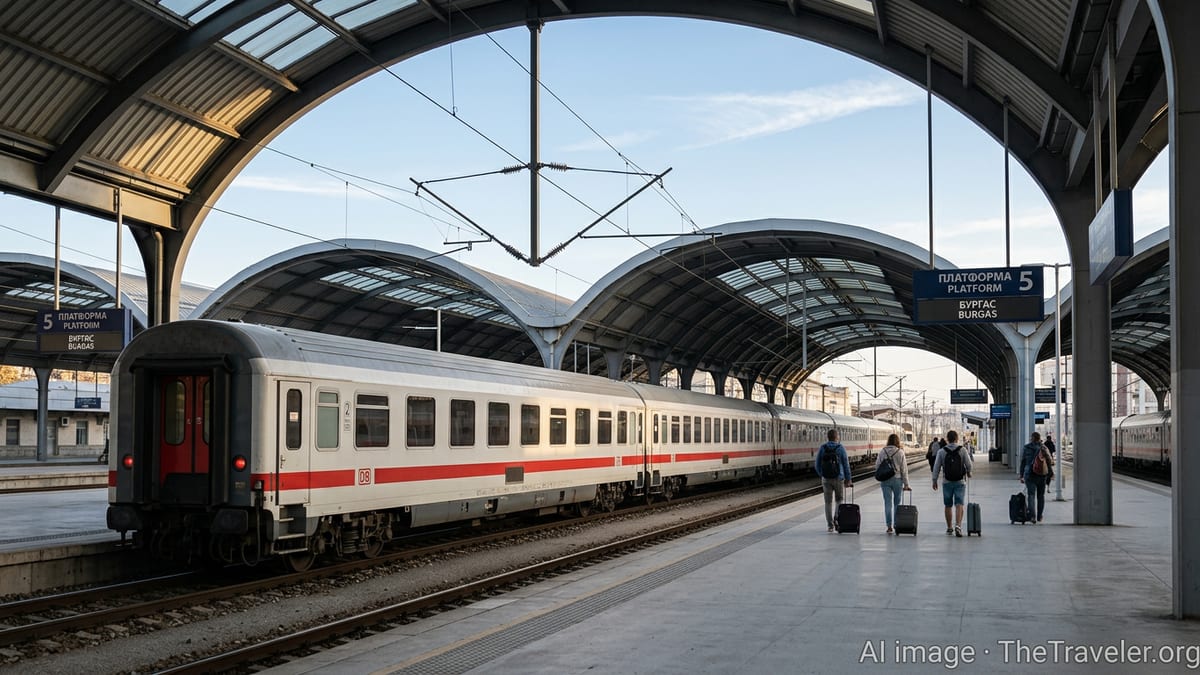
Bulgaria is preparing a major step-change in its rail offering, with plans to introduce 91 refurbished passenger railcars purchased from Germany’s Deutsche Bahn, a move that observers say could redefine how both locals and international visitors travel between Sofia, the Black Sea coast and key regional hubs.
Get the latest news straight to your inbox!
From German Network to Bulgarian Tracks
According to publicly available tender documents and transport sector coverage, Bulgarian State Railways BDZ has moved to acquire 91 second-hand passenger coaches from Deutsche Bahn as part of a wider fleet renewal strategy. The deal focuses on modern air-conditioned railcars that have already proven themselves in long distance European service and are now being reconditioned for Bulgarian conditions.
Reports indicate that the coaches, which formerly operated on intercity and regional routes across Germany, will undergo technical checks, interior refurbishment and adaptation work before entering service on Bulgaria’s busiest lines. Industry analysis suggests that the first units could be ready to run as soon as the current testing and certification procedures are completed, with full deployment expected in phases.
Transport commentators note that the transaction comes at a time when BDZ is under mounting pressure to improve comfort and reliability, and to align its offer more closely with the expectations of European leisure travelers. The ex Deutsche Bahn fleet is seen as a practical bridge between the country’s aging rolling stock and a future mix of newly built trains that are already on order from major manufacturers.
New Comfort Standards on Sofia Varna and Key Tourist Routes
Publicly available information on the reallocated railcars suggests that passengers on the Sofia Varna axis are likely to be among the main beneficiaries. The line links the capital with Bulgaria’s largest Black Sea city and serves as a spine for both domestic tourism and regional connections during the busy summer season.
The Deutsche Bahn coaches are generally equipped with sealed, air conditioned interiors, ergonomic seating and improved sound insulation compared with typical legacy BDZ stock. Observers say this should result in quieter journeys, more stable temperatures and a more predictable onboard environment for families, business travelers and foreign visitors heading to Varna and nearby resorts such as Golden Sands or Albena.
On night and long distance services, the configuration of the imported cars will determine how far BDZ can raise its game on longer itineraries. If a portion of the fleet is assigned to overnight trains, tourism experts expect stronger demand from travelers who currently opt for buses or low cost flights between Sofia and the coast. Even on daytime trains, a visibly newer interior and clearer passenger information systems are seen as important factors in convincing occasional users to choose rail.
Digital Upgrades and a Changing Passenger Experience
The arrival of the 91 railcars coincides with a gradual digital shift in Bulgaria’s rail system, which has been reflected in the rollout of new ticketing tools, travel planning apps and station information systems. Publicly available information shows that BDZ and the national rail infrastructure manager are introducing more modern passenger information boards at major stations, including Sofia and Varna, along with renewed emphasis on real time service updates.
Sector reports point out that the refurbished ex Deutsche Bahn coaches can support elements of this modernization, including clearer signage, power outlets and layouts that are more compatible with current expectations on luggage space and access. For international tourists who are used to European intercity standards, these details can significantly influence perceptions of Bulgaria as a rail friendly destination.
At the same time, online discussions among passengers continue to highlight frustrations with legacy booking systems and occasional disruptions on popular lines. Analysts suggest that coupling visible rolling stock improvements with more reliable digital services will be key to converting curiosity about the new trains into long term loyalty and higher ridership on the Sofia Varna corridor and other routes that attract visitors.
Tourism Competitiveness Along the Black Sea and Beyond
Travel industry observers see the deployment of the 91 ex Deutsche Bahn coaches as part of a broader effort to reposition Bulgaria as an accessible, rail connected destination in Southeast Europe. Improved trains between Sofia and Varna are expected to support city break tourism, conference travel and combined itineraries that link the capital with the Black Sea, wine regions and mountain resorts.
Better rail quality is also likely to influence how tour operators design packages that combine multiple Bulgarian cities in a single trip. With more comfortable coaches in service, operators may be more inclined to schedule daytime rail segments as core parts of itineraries rather than relying primarily on charter buses. This could benefit secondary destinations located on the main lines, from historic towns in northern Bulgaria to spa resorts that are already promoting climate friendly travel options.
Regional rail developments in neighboring countries, including new and upgraded services between Bucharest, Sofia and coastal cities, are expected to interact with Bulgaria’s internal improvements. Analysts argue that if the new BDZ fleet delivers consistent standards on domestic routes, cross border services linking Bulgaria to Romania, Turkey and Greece could become more attractive, reinforcing the country’s position on overland travel maps.
Looking Ahead to a Mixed Modern Fleet
The 91 railcars from Deutsche Bahn are arriving alongside separate orders for brand new electric multiple units and interregional sets from manufacturers such as Alstom and Skoda, which are already testing or producing trains for Bulgaria. Publicly available coverage indicates that these contracts will bring entirely new trainsets into service over the next several years, progressively changing the look and feel of Bulgaria’s passenger rail network.
In this context, the imported German coaches are viewed by many analysts as a fast way to raise baseline comfort while larger fleet programs ramp up. Their introduction on flagship routes like Sofia Varna is expected to create a visible contrast with older rolling stock, potentially raising expectations among passengers and creating momentum for further investment.
For now, the central question for travelers is how quickly the refurbished coaches will appear on regular timetables and how widely they will be deployed beyond the main corridor between the capital and the Black Sea. As the first sets enter service and images of the updated interiors circulate through tourism channels and social media, Bulgaria’s railways are likely to draw renewed attention from visitors looking for slower, more scenic alternatives to short haul flights within the country.