

France’s trains may get most of the attention, but for many journeys it is the regional buses, coaches, and local transport networks that quietly do the heavy lifting. From intercity coaches crossing entire regions to village school buses and on demand shuttles, understanding how French regional transport works can make your trip cheaper, easier, and far more flexible. This guide explains the main types of buses and regional services, how they are organized and branded, and what travellers need to know about tickets, passes, and day to day use.
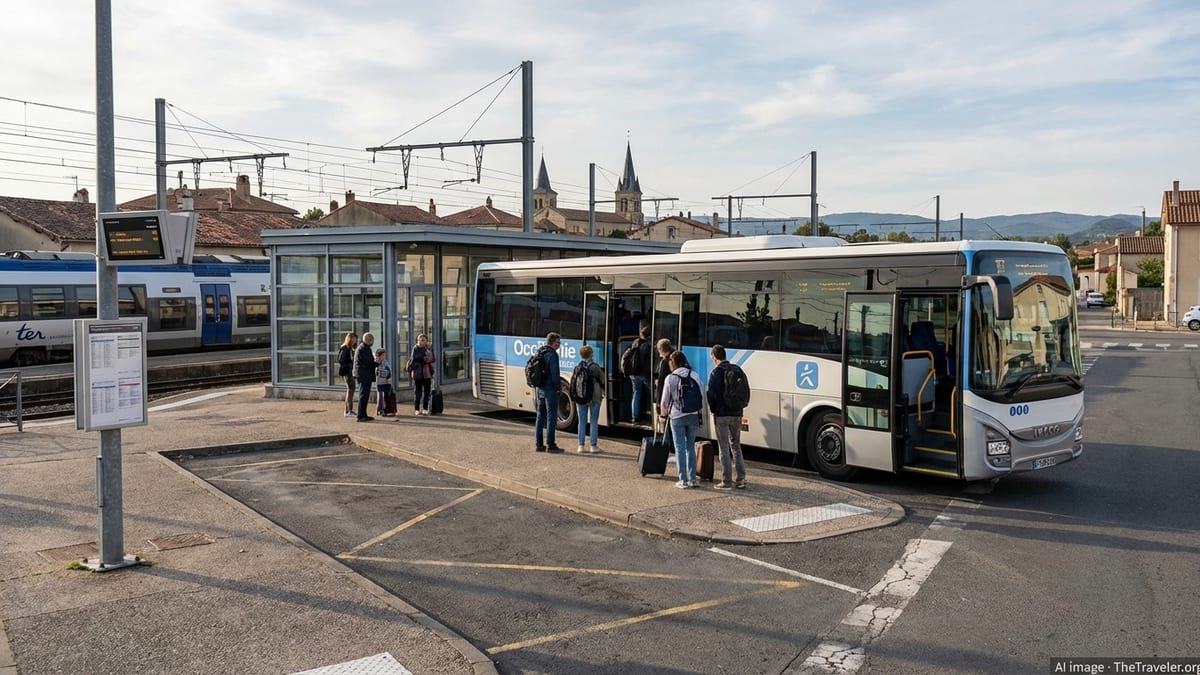
How Regional Transport Is Organized in France
France’s regional mobility system is built around a clear division of responsibilities. The national government oversees long distance rail infrastructure, but the country’s regions act as transport authorities for most day to day public transport outside major cities. Each of the 12 mainland regions and Corsica contracts and finances regional trains, branded TER, alongside extensive bus and coach networks that connect towns, rural areas, and rail stations. In and around Paris, a dedicated authority called Île de France Mobilités manages suburban trains, RER lines, metros, trams, and a dense web of bus routes across the wider metropolitan area.
Within this framework, regions rarely operate buses directly. Instead they award multi year contracts to private operators such as Keolis, Transdev, RATP Dev, or smaller local companies. These firms run the vehicles, employ drivers, and maintain depots, while the regional authority sets routes, fares, and service standards. This model has been expanding in recent years as bus networks are reorganized and opened to competition, particularly around major urban areas where new brands and operators have appeared at the start of fresh contracts.
At the local level, many medium sized towns and intercommunalities manage their own urban bus systems, often branded separately from the regional coach network but integrated through ticketing or passes. As a result, a traveller might use a town bus network to reach a railway station, then a regional coach to a neighboring department, and finally a TER train, all under tariffs coordinated by the regional authority. Understanding who manages what is less important than recognizing that these services are designed to be complementary rather than competing with each other.
Over the past decade regional governments have also gained more control over former national intercity rail lines and certain coach corridors. This has led to integrated mobility brands that combine trains, buses, school transport and sometimes carpooling or bike hire under one visual identity. For visitors this means that spotting the regional logo or brand name is often the easiest way to find services that are part of the same ticketing family.
From TER Trains to Regional Coaches
When people in France talk about regional transport they often use the acronym TER, short for Transport Express Régional. TER originally referred only to regional trains, but the concept now typically encompasses associated buses, coaches and sometimes complementary services such as carpooling or bike carriage. In several regions the public branding covers both rail and road, and timetables show trains and buses together to emphasize that they form one network.
Regional coaches usually step in where rail is absent, too infrequent, or not cost effective. They link small towns, industrial zones, and tourist areas to the nearest rail hubs, airports, or tram lines. In mountainous zones coaches may be the only form of public transport for entire valleys, while on some coastal corridors they operate alongside trains to provide additional capacity or direct routes to resort areas. Although they may look similar from one region to another, the branding on the side often indicates the specific network, such as Cars Région in Auvergne Rhône Alpes or Zou in Provence Alpes Côte d’Azur.
Behind the scenes, these coaches are funded through regional budgets, sometimes with contributions from departments or intercommunalities. Contracts specify minimum frequencies, evening and weekend coverage, and targets for punctuality and customer satisfaction. Many regions have been renewing fleets with more accessible low floor buses, adding air conditioning and Wi Fi on longer routes, and installing racks for bicycles. This ongoing modernization aims to make regional transport sufficiently comfortable and reliable to compete with private cars, especially as authorities try to reduce congestion and emissions.
For travellers the practical takeaway is that TER on a timetable does not always mean a train. On certain routes, particularly in rural areas or during track works, a TER service may be a coach that runs to or from a railway station. Connections are usually planned to match train arrivals and departures, and tickets are generally interchangeable between the rail and coach segments under the same regional tariff.
Regional Bus Brands and What They Mean for Travellers
One source of confusion for visitors is the sheer variety of regional bus brands and logos across France. Each region has developed its own identity for interurban buses, with names such as Cars Région in Auvergne Rhône Alpes, Zou in Provence Alpes Côte d’Azur, or Mobigo in Bourgogne Franche Comté. These brands are not separate companies but rather public labels under which multiple private operators run services on behalf of the region. As long as the bus carries the regional brand, it is part of the official network and subject to the same basic rules and fares.
Alongside these regional brands, city and metropolitan networks have their own names for local buses and trams, while in the Paris region most surface transport is unified under the Île de France Mobilités identity. Further layers appear around large urban areas where old networks are restructured into new operating contracts. When this happens, familiar routes may be renumbered or rebadged, but for travellers the core offer often remains similar, with some improvements in frequency or coverage.
Rather than memorizing brand names, it is more useful to understand the logic behind them. Regional brands usually indicate longer distance coach routes linking multiple towns over tens of kilometres, sometimes crossing departmental boundaries. Urban networks focus on shorter trips inside a single agglomeration. Fares, passes, and rules about bike carriage or luggage can differ between these levels, although regions are increasingly trying to simplify and harmonize tariffs to create a more seamless experience.
Maps and timetable posters at bus stops almost always show the relevant brand clearly, making it easier to see whether a particular line is regional or local. In tourist areas and around major stations, information points and ticket offices can help decode the various logos and advise on the most economical ticket for your trip, especially if it involves both a local bus and a regional coach or TER train.
Tickets, Passes, and How to Pay
Ticketing for regional buses and coaches in France has been evolving quickly, with a shift away from paper tickets toward smartcards and contactless payments. Many regions now offer contactless bank card payment directly on board regular coach routes, which allows occasional travellers to tap in without purchasing a ticket in advance. On some networks, single tickets bought this way are valid for onward connections within a certain time period, echoing the integrated approach long common in urban systems.
Regional smartcards are another key tool. Depending on the area, these cards can store single tickets, day passes, or longer subscriptions, and often cover both TER trains and regional coach lines, plus certain urban networks. In parts of eastern France, for example, the same card can be used across interurban coaches, city buses, and regional trains, with integrated fares and interoperability agreements between operators. This kind of multimodal card is particularly attractive for commuters and students, but short term visitors can sometimes load temporary products or pay per use on the same platform.
Prices vary widely between regions and even between lines, reflecting local policy choices and funding levels. In some areas single tickets on regional coaches are kept deliberately low to encourage use, while in others they are closer to rail fares. Many regions offer substantial discounts for under 26s, seniors, and frequent travellers. However, national fare caps or unified long distance coach tariffs are still rare, so it is difficult to generalize about costs. Travellers should expect that in most cases regional buses are cheaper than equivalent train journeys, especially on routes where rail is operated at higher speeds or with more comfortable rolling stock.
In practical terms, you can usually buy tickets onboard from the driver using cash or card, at ticket machines in stations, through regional websites and apps, or through national rail channels when the bus is sold as part of a TER trip. For complex itineraries combining several regions, it can be more straightforward to focus on each segment separately rather than searching for a single through ticket. Staff at rail stations and bus depots are generally familiar with regional tariffs and can point you toward the most economical option for your route and travel pattern.
Using Buses in Cities, Suburbs, and Rural Areas
Within cities and larger towns, local bus networks are often the backbone of daily mobility, linking residential districts to commercial centres, schools, and hospitals. These urban systems typically offer frequent services from early morning to late evening, with denser timetables on workdays and lighter schedules on Sundays and public holidays. They may be complemented by tram lines or, in the largest cities, metro systems. Regional buses usually terminate at major hubs such as railway stations or park and ride facilities, where passengers can switch to the local network using separate or integrated tickets.
Suburban and peri urban areas present a more mixed picture. Around Paris and other major metropolitan regions, bus corridors and express routes connect new housing developments and business parks to train or RER stations, sometimes running on dedicated lanes to bypass congestion. Elsewhere, less densely populated suburbs might have only a handful of lines with modest frequencies, particularly in the evenings. In these areas regional authorities are experimenting with flexible services such as transport on demand, where passengers book rides in advance within defined zones. These on demand buses often share a tariff base with the regular network but require advance reservation via phone, website, or app.
Rural France relies heavily on school buses and interurban coaches. In many departments, school routes are open to the general public, allowing travellers to use them if they fit with school time schedules. Timetables can be sparse, with only one or two trips per day in each direction, and services may not run during school holidays. However, these lines can be a useful lifeline for reaching small villages or trailheads in regions such as the Massif Central or the foothills of the Alps. Always check carefully for notes about school term dates and holiday periods printed on paper timetables or shown in journey planners.
Because of the diversity of local contexts, it pays to research each destination’s specific network in advance. Regional tourism offices and municipal information desks can provide updated maps, timetable booklets, and advice on little known bus lines that serve scenic routes, markets, or cultural sites. In some cases, seasonal shuttle services operate only in summer or during ski seasons, providing direct transfers between railway stations and resorts that might otherwise be difficult to reach without a car.
Modernization, Accessibility, and Sustainability
Across France, regional authorities and operators have been investing heavily in renewing bus and coach fleets and improving the accessibility of services. New vehicles typically feature low floors or lifts, designated spaces for wheelchairs or strollers, visual and audio stop announcements, and improved lighting. Stations and major stops are being upgraded with raised platforms, tactile paving, and clearer signage. While progress is uneven and some older vehicles and stops remain in service, the overall trend is toward more accessible regional transport that better serves passengers with reduced mobility.
Environmental concerns are another powerful driver of change. Many regions have launched programmes to introduce low or zero emission buses on regional and urban routes, including battery electric fleets on busy corridors and experiments with alternative fuels on interurban services. Coastal areas and dense urban regions are particularly active in decarbonizing public transport, both to improve air quality and to meet broader climate targets. Successful pilots in one region often inspire similar initiatives elsewhere, gradually raising expectations about what regional bus travel should look like.
Beyond vehicles, digital tools are transforming how people plan and monitor their journeys. Real time information screens at major stops, QR codes on timetables that link to updated schedules, and multimodal journey planners that combine buses, trains, and shared mobility are now common in many regions. These tools help passengers anticipate delays, find alternative routes, and make better use of connections between buses and rail. However, given that coverage and reliability of digital services can vary, it remains wise to check printed timetables and allow some margin for connections, especially in rural areas or when travelling late in the evening.
For travellers interested in sustainable tourism, choosing regional buses and trains instead of renting a car can significantly reduce the environmental footprint of a trip. Public authorities frequently highlight the lower emissions per passenger kilometre of collective transport compared with private vehicles, and they sometimes design special offers to encourage visitors to explore by bus or train. While these efforts may not always be perfectly coordinated across regions, they collectively contribute to a gradual shift in how both residents and visitors move around the country.
Practical Tips for Travellers on French Regional Buses
Making the most of France’s regional buses and coaches starts with a realistic appreciation of timetables. Outside major cities and busy tourist corridors, frequencies are often low, with gaps of one or two hours between departures. Services may thin out considerably on Sundays and public holidays, and the last evening departures can be earlier than visitors from larger metropolitan systems expect. When planning day trips, always check both the outward and return timetables, and consider building in flexibility for meals or walks if you need to wait for a return service.
At stops and stations, keep an eye on route numbers and destination displays, which may list intermediate towns rather than the final terminus you recognize from guidebooks. Drivers are generally helpful and will confirm whether the bus serves your stop if you ask before boarding. On busy regional corridors, different lines may share sections of road but diverge later, so it is sensible to verify that you have chosen the correct route. In rural zones, some stops are signposted only with simple poles and may not feature shelters or detailed information, making it important to note stop names in advance.
Luggage policies on regional buses are usually pragmatic. Overhead racks and underfloor compartments on coaches can accommodate standard suitcases, and drivers rarely object to backpacks or shopping bags. On peak hour commuter services or school routes, space can become tight, so avoiding the busiest times can make travel more comfortable if you are carrying larger bags. For bikes, rules vary: some interurban coaches provide exterior racks, while others accept folded bicycles as luggage. It is best to verify policies with the regional network or at a tourist information office when planning a cycling trip that relies on bus transfers.
Language is less of a barrier than might be expected. Many ticket machines and some apps offer English interfaces, and even where they do not, the basic steps are straightforward. Conductors and bus drivers may not always speak English fluently, especially in rural regions, but they are accustomed to helping passengers with route and fare questions. Having your destination written down, along with the route number and timetable, can make these interactions smoother. A little French, particularly for numbers and place names, goes a long way in ensuring you board the right bus and buy the correct ticket.
The Takeaway
France’s buses and regional transport networks form an intricate web that fills in the gaps between high speed trains and major city metros. Understanding how regional authorities, operators, and brands fit together helps demystify this system and reveals a powerful tool for exploring the country beyond its most famous rail routes. Whether you are heading to a hilltop village, a coastal hiking trail, or a small wine town, there is a good chance a regional coach or bus will get you there.
For travellers willing to plan around timetables and learn the basic logic of regional networks, these services can be economical, relatively comfortable, and environmentally responsible. While variations between regions and occasional complexities in ticketing still exist, the overall direction is toward more integrated, modern, and accessible public transport. Embracing buses and regional trains not only opens up new corners of France but also offers a more local, grounded way to experience everyday life across its diverse landscapes.
FAQ
Q1. Do I need separate tickets for regional buses and TER trains in France?
In many regions, regional buses and TER trains share integrated tariffs, so a ticket bought for a TER route that is partly operated by bus is valid on both modes. However, tickets for urban buses within a city are often separate from regional coach fares, so you may need different tickets when combining local and regional services.
Q2. Can I buy tickets directly from the driver on regional buses?
On most regional and interurban buses you can buy a single ticket from the driver using cash or bank card. Exceptions include some high demand corridors or airport shuttles where advance purchase is required, so it is always worth checking information for your specific line.
Q3. How frequent are regional buses in rural areas of France?
Frequencies in rural areas are often modest, with one to a few services per day in each direction and sometimes none on Sundays or public holidays. Many lines are timed around school or work hours, so planning ahead and checking both outbound and return journeys is essential.
Q4. Are regional buses accessible for passengers with reduced mobility?
Newer regional buses usually offer low floors or lifts, dedicated wheelchair spaces, and features such as visual and audio announcements. Older vehicles and certain rural routes may be less accessible, so passengers with specific needs should consult regional transport information or helplines in advance to confirm available facilities.
Q5. Can I take my bicycle on regional buses and coaches?
Policies on bicycles vary by region and even by line. Some interurban coaches provide external racks or accept bikes in luggage holds, while others allow only folded bicycles treated as baggage. Since rules are not fully standardized, it is advisable to check the regional network’s guidelines before travelling with a bike.
Q6. How can I find timetables and route maps for regional buses?
Timetables and maps are usually available on regional transport websites, at main bus stations and railway stations, and through regional journey planner apps. Tourist information offices and town halls can often provide printed booklets or help interpret local route numbers and seasonal services.
Q7. Are regional bus services in France affected by school holidays?
Yes, many rural and interurban lines are designed primarily around school and commuter traffic. Some services run only on school days or have reduced schedules during holidays, so it is important to watch for symbols and notes on timetables indicating school term or holiday periods.
Q8. Is it cheaper to travel by regional bus than by train?
In many cases regional buses are cheaper than equivalent train journeys, especially on routes where rail services are faster or use more comfortable rolling stock. However, fare structures differ between regions, so price comparisons are best made on a route by route basis using regional fare calculators or ticket offices.
Q9. Do regional buses run late at night?
Late evening services are limited outside major cities and dense commuter corridors. On many regional lines the last departures leave in the early evening, which makes it important to plan journeys carefully and avoid relying on late night buses in rural or small town areas.
Q10. Can I use contactless bank cards or mobile payments on French regional buses?
Contactless bank card payment is increasingly common on regional buses and coaches, particularly on main routes and in regions that have modernized their ticketing systems. Coverage is not yet universal, so carrying some cash or checking payment options in advance remains prudent, especially on more remote lines.