

More news on this day
Philippine airports have navigated the Holy Week 2026 travel surge with largely smooth operations, as the Civil Aviation Authority of the Philippines (CAAP) tightened coordination, staffing, and contingency measures across its network of gateways.
Get the latest news straight to your inbox!
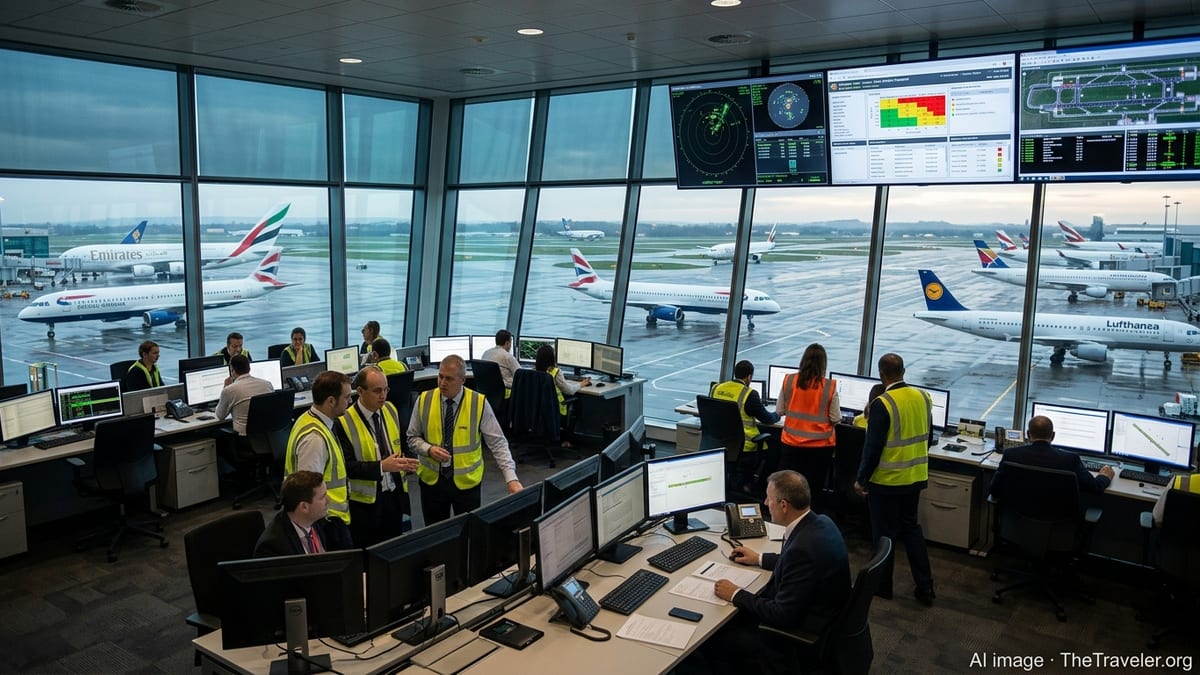
Holy Week Surge Tests Resilient Airport Network
Early data from recent coverage indicates that passenger volumes across CAAP-operated airports during the Holy Week period climbed by around 10 percent compared with last year, with more than half a million travelers moving through regional gateways alone. Reports from BusinessWorld and other outlets describe a system placed on heightened alert as the Holy Week exodus began, with authorities preparing for one of the busiest travel windows since pre pandemic times.
At Manila’s Ninoy Aquino International Airport, which is operated separately from CAAP but remains the country’s primary gateway, published figures suggest daily passenger movements during the Holy Week peak may approach or exceed earlier projections approaching 150,000 to 160,000 passengers per day. Previous years’ statistics showed similar spikes, underscoring how the Lenten break has reemerged as a key stress test for Philippine aviation capacity.
Despite the surge and external headwinds such as elevated fuel costs and lingering route disruptions linked to tensions in the Middle East, recent news reports indicate that both delays and cancellations remained manageable at most domestic hubs. The relatively stable performance is being credited in coverage to advance planning, refined crowd management, and closer coordination between airport operators, airlines, and transport agencies.
This year’s Holy Week operations also unfolded against a backdrop of structural changes, including the ongoing reorganization of airline terminal assignments at NAIA and continuous upgrades at regional airports such as Davao and Bohol Panglao. Analysts note that these infrastructure and operational adjustments have helped distribute traffic more evenly, reducing bottlenecks at the country’s busiest terminals.
Heightened Alert, Reinforced Staffing, and Malasakit Help Desks
Reports on CAAP’s Holy Week playbook highlight a nationwide “heightened alert” status, with additional personnel deployed to critical passenger touchpoints such as check in halls, security screening lanes, and boarding gates. Coverage of airport operations describes a sharp increase in front line staff and technical teams on rotating shifts, intended to keep queues moving and respond quickly to any technical or weather related disruptions.
Oplan Biyaheng Ayos, the broader multi agency initiative implemented during Holy Week and the summer vacation period, again served as the organizing framework for CAAP’s efforts. Publicly available documents and previous procurement notices refer to “Malasakit” help kits and dedicated passenger assistance counters that have become a familiar feature across many provincial airports, providing first aid items, basic supplies, and information support to travelers.
Airports under CAAP’s remit, including gateways in Mindanao and the Visayas, intensified public address advisories and real time updates on flight statuses, baggage carousels, and boarding gates to limit confusion among peak season travelers. Local media reports from key hubs such as Davao and Laguindingan note that information desks and security checkpoints were reinforced, contributing to generally orderly passenger flows even during peak departure periods on Maundy Thursday and Good Friday.
Security measures were also visibly stepped up, with more frequent patrols in terminal halls and curbside areas, tighter control of restricted zones, and closer coordination with police, coast guard units, and local governments. While some travelers reported longer security lines at certain times of day, most coverage pointed to a tradeoff that helped keep prohibited items and unaccredited vehicles away from crowded terminal areas.
Passenger Focus: Shorter Queues and Improved Wayfinding
Holy Week 2026 has been framed by travel and aviation outlets as an important test of the passenger facing reforms introduced since earlier incidents, including the airspace shutdown in 2023. In response to that earlier disruption, CAAP and airport operators invested in system redundancies, backup power solutions, and more rigorous maintenance protocols for critical equipment. The relative absence of large scale technical failures during the latest Holy Week period suggests those changes are starting to pay off.
On the terminal floor, travelers benefited from expanded check in counters and the wider adoption of self service kiosks by major carriers, especially at larger regional airports. Reports from aviation focused publications describe airlines pre deploying additional ground staff to assist elderly passengers, families with children, and first time fliers, reducing congestion at counters and boarding gates during the most intense departure banks.
Wayfinding and crowd management were also in sharper focus. Newly installed directional signage at several airports, refined queue layouts, and clearer separation of domestic and international passenger streams were cited in local coverage as factors that made it easier for travelers to navigate unfamiliar terminals. Some airports introduced or expanded single file security lanes dedicated to persons with disabilities and senior citizens, helping to maintain a smoother overall flow.
Meanwhile, coordination with land and sea transport providers under the Biyaheng Ayos framework helped align airport arrivals and departures with bus, ferry, and ride hailing availability. Reports from Mindanao and Visayas hubs underscore that synchronized scheduling and more visible marshals at curbside areas reduced gridlock outside terminals, allowing passengers to transfer more quickly between modes of transport.
New Policies and Infrastructure Prepare for Future Peaks
This year’s Holy Week operations coincided with the rollout of new economic measures intended to support both airlines and passengers. Coverage from business news outlets indicates that effective April 1, CAAP began implementing reductions of up to half in passenger service charges and selected airline fees at CAAP operated airports, with exact cuts varying by airport classification. Observers view these adjustments as part of a broader effort to keep domestic air travel affordable even as carriers contend with higher operating costs.
At the same time, ongoing terminal expansion and modernization projects are gradually increasing capacity across the network. Regional reporting has documented upgrades to passenger terminal buildings, runway improvements, and new navigational aids at airports serving fast growing tourism and business destinations. With additional seats being added by major carriers on trunk and secondary routes, the system appears better positioned to absorb future holiday peaks.
Manila’s main gateway is also undergoing significant operational reconfiguration following the entry of a new private concessionaire. Earlier terminal reshuffles, including the reassignment of certain low cost carriers between NAIA Terminals 1 and 3, were designed to redistribute passenger loads, ease congestion at legacy facilities, and prepare for more intensive rehabilitation works. Travel forums and local media have noted initial adjustment challenges, but early Holy Week observations point to gradually stabilizing passenger flows as travelers adapt to the new terminal map.
Analysts note that sustained investment in air traffic management systems, energy resilient infrastructure, and climate responsive terminal design will be crucial as heat waves and extreme weather events begin to intersect more frequently with peak travel periods. Recent advisories warning of high heat index levels during Holy Week underscore the need for more shaded waiting areas, reliable air conditioning, and adequate hydration points within terminals.
Regional Gateways Showcase the Benefits of Decentralization
Another emerging theme from Holy Week 2026 coverage is the growing role of regional airports in easing pressure on Manila. Passenger statistics from previous years already showed strong growth at gateways like Mactan Cebu, Bohol Panglao, Davao, and Zamboanga. With airlines continuing to add point to point services that bypass Manila, more travelers are now able to depart directly from their home regions for both domestic and limited international routes.
Reports indicate that Cebu and Davao in particular have seen expanded schedules on high demand routes, with airlines fielding additional frequencies to secondary cities as well as leisure destinations. This pattern has helped spread Holy Week traffic across a wider network, enabling CAAP and local airport managers to maintain smoother operations while simultaneously supporting tourism dispersal to emerging destinations.
Smaller CAAP operated airports also play an essential role in connecting island and rural communities during the Lenten period, when many Filipinos return to their hometowns. Coverage highlights improved terminal amenities, modest but meaningful refurbishments of passenger halls, and the presence of dedicated assistance desks under the Oplan Biyaheng Ayos banner as key contributors to a more reliable travel experience even at less high profile facilities.
As Holy Week 2026 winds down, early assessments from publicly available sources portray an aviation system that, while still facing capacity constraints and external risks, has delivered a largely seamless travel experience for millions of passengers. With further policy refinements and infrastructure investments already in the pipeline, observers expect Philippine airports to be increasingly capable of handling similar surges during upcoming holidays and peak seasons.