

More news on this day
Calgary International Airport is experiencing a fresh wave of disruption, with 52 delayed flights and three cancellations reported today, triggering knock-on effects across major travel corridors in Canada, the United States, Europe and Asia.
Get the latest news straight to your inbox!
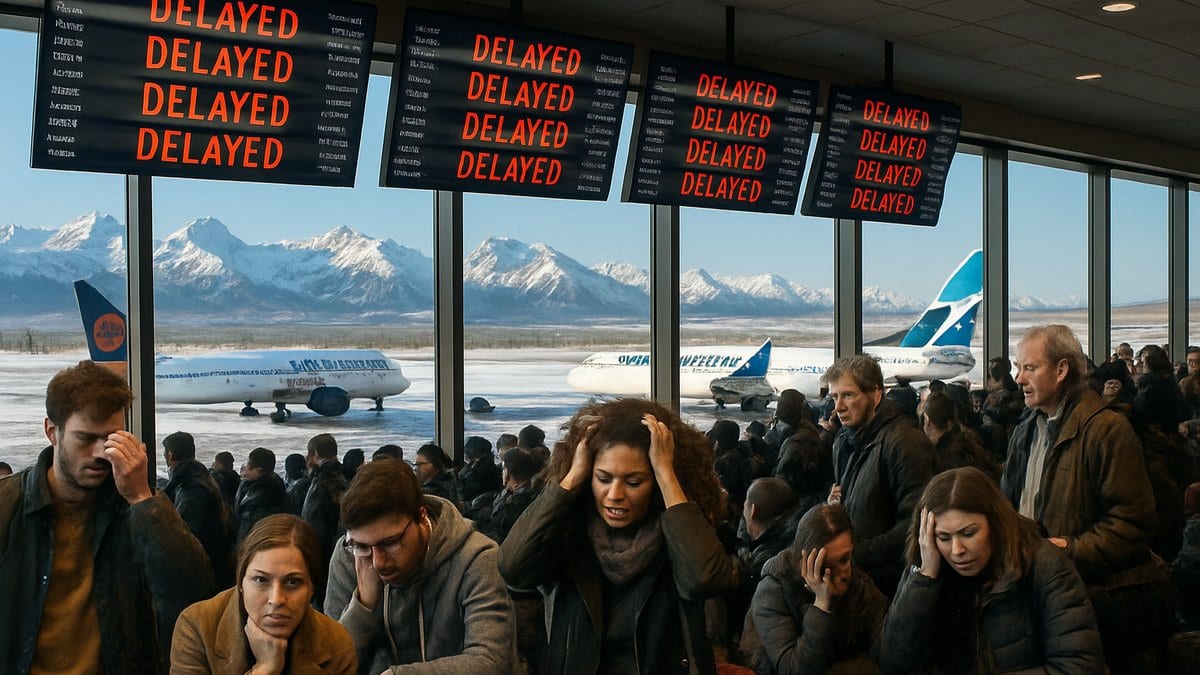
Image by Nomad Lawyer
Significant Disruptions at a Key Western Canadian Hub
Publicly available operational data and industry reports indicate that Calgary International Airport is facing an unusually high number of schedule disruptions, with a combined 55 flights either delayed or canceled. Airlines including Air Canada, WestJet, United Airlines, KLM and Porter are among the carriers affected, impacting both domestic and long haul traffic.
The latest figures suggest that Calgary is not dealing with isolated irregularities but with a broader operational challenge that is affecting departures and arrivals throughout the day. The balance of 52 delays to three outright cancellations means most services are still operating, but often far behind schedule, causing missed connections and extended journey times for passengers.
Calgary’s role as a key hub for western Canada magnifies the impact of these disruptions. Many travelers pass through the airport en route to other Canadian cities such as Toronto, Vancouver and Montreal, as well as to major international destinations. Even modest schedule changes in Calgary can therefore cascade through the wider network.
Recent national performance snapshots have already highlighted pressure on Canadian airports, including Calgary, with elevated rates of delays. Today’s figures build on that pattern, underscoring how quickly a localized spike in operational issues can translate into nationwide disruption.
Ripple Effects Across North America and Overseas
Reports from aviation news outlets and flight tracking data show that the delays and cancellations at Calgary are reverberating across multiple continents. Flights linking Calgary with key North American gateways in the United States and Mexico are among those affected, including services to major hubs that feed onward connections across the Americas.
International routes operated by carriers such as KLM are also experiencing disruption, with at least one long haul cancellation noted among the three total cancellations. This type of disruption has a disproportionate effect on global itineraries, as travelers bound for Europe or Asia often rely on tightly timed connections that are difficult to rebook at short notice.
Downstream impacts are being observed at airports including Toronto Pearson, Vancouver International, Montreal Trudeau, Paris Charles de Gaulle, Tokyo and Cancun, according to published airline and airport data. When an originating or connecting flight from Calgary is delayed, the knock-on effect can stretch over multiple sectors, sometimes affecting flights many hours or even a full day later.
Industry analysis of previous disruption events suggests that a single significant delay can translate into lengthy arrival delays at final destinations, while cancellations often add ten hours or more to total journey times once rebooking and re-routing are taken into account. Today’s situation at Calgary appears consistent with those patterns.
Possible Drivers: Weather, Congestion and Operational Strain
While the specific causes of each of the 52 delays and three cancellations vary by flight, recent conditions at Calgary and across the Canadian network provide some context. In recent weeks, sudden snow events and reduced visibility have periodically slowed operations at the airport, according to publicly accessible aviation advisories and community reports.
Weather is only one of several possible factors. Broader operational strain across Canada’s aviation system, including air traffic control programs, runway capacity constraints and aircraft or crew availability issues, has contributed to irregular operations at major hubs. Government transportation performance updates have noted periods when a significant share of flights at large Canadian airports departed or arrived behind schedule.
Industry observers also point to the compounding effect of earlier disruptions. When flights on previous days are delayed or canceled, aircraft and crews can end up out of position, creating a backlog that is difficult to clear quickly. Calgary’s role as a connecting hub means such imbalances can linger, showing up in elevated delay counts even after immediate weather concerns have eased.
Technical and maintenance issues can add further complexity. While safety remains the overriding priority, precautionary maintenance checks, unexpected repairs or late arriving aircraft can all contribute to the overall tally of delays, particularly during peak travel periods when spare capacity is limited.
Passenger Impact and Changing Travel Plans
For travelers, the current disruption at Calgary translates into longer waits at gates, missed connections and in some cases overnight stays while waiting for alternative flights. Social media posts and forum discussions from travelers over recent weeks have described lengthy tarmac holds, diversions to other Canadian airports and extended layovers linked to irregular operations at Calgary.
Passengers whose flights are delayed often face a chain reaction across their entire itinerary. A late departure from Calgary can invalidate tight connection windows at other hubs, forcing travelers to rebook onward sectors and in some cases adjust hotel or ground transport arrangements at their final destination.
Travelers on canceled services face more substantial upheaval, as limited seat availability on later flights can lead to long waits for rebooking options, especially on popular routes. Published consumer guidance notes that some airlines may offer meal vouchers, hotel accommodation or refunds in certain circumstances, while in other cases disruptions are categorized as outside the carrier’s control.
The current situation is also influencing future travel decisions. Studies on regional flight disruption patterns suggest that frequent delays and cancellations can encourage passengers to adjust their routing, in some cases opting to connect through alternate hubs or even drive to larger airports rather than rely on affected routes.
What Today’s Disruptions Signal for the Summer Travel Season
The wave of 52 delays and three cancellations at Calgary arrives as airlines and airports gear up for the busy spring and summer travel period. Recent performance data for major Canadian hubs shows an aviation system already operating close to capacity at peak times, leaving limited room to absorb operational shocks.
Analysts monitoring flight status data sets note that events like the current disruption in Calgary can offer an early indication of how resilient the network will be during higher demand months. If similar patterns of weather-related slowdowns, air traffic programs and resource constraints persist, passengers may face recurring episodes of widespread delays.
Industry and government performance dashboards are increasingly used by travel planners and corporate travel managers to track reliability at key airports. Calgary’s latest figures, combined with earlier reports of elevated delay levels, are likely to draw renewed scrutiny from travelers weighing routing options across western Canada and beyond.
For now, the situation underscores how a single airport’s operational challenges can ripple through the interconnected global air travel system. With even a relatively small number of cancellations and an elevated delay count, the effects can quickly spread across continents, reshaping travel plans far beyond Calgary’s immediate catchment area.