

More news on this day
A brutal winter storm sweeping across Calgary has grounded dozens of flights, turned major highways into ice-choked obstacle courses and deepened a mid-February cold snap that is testing how Canada’s transportation system and travellers cope with increasingly volatile winter weather.
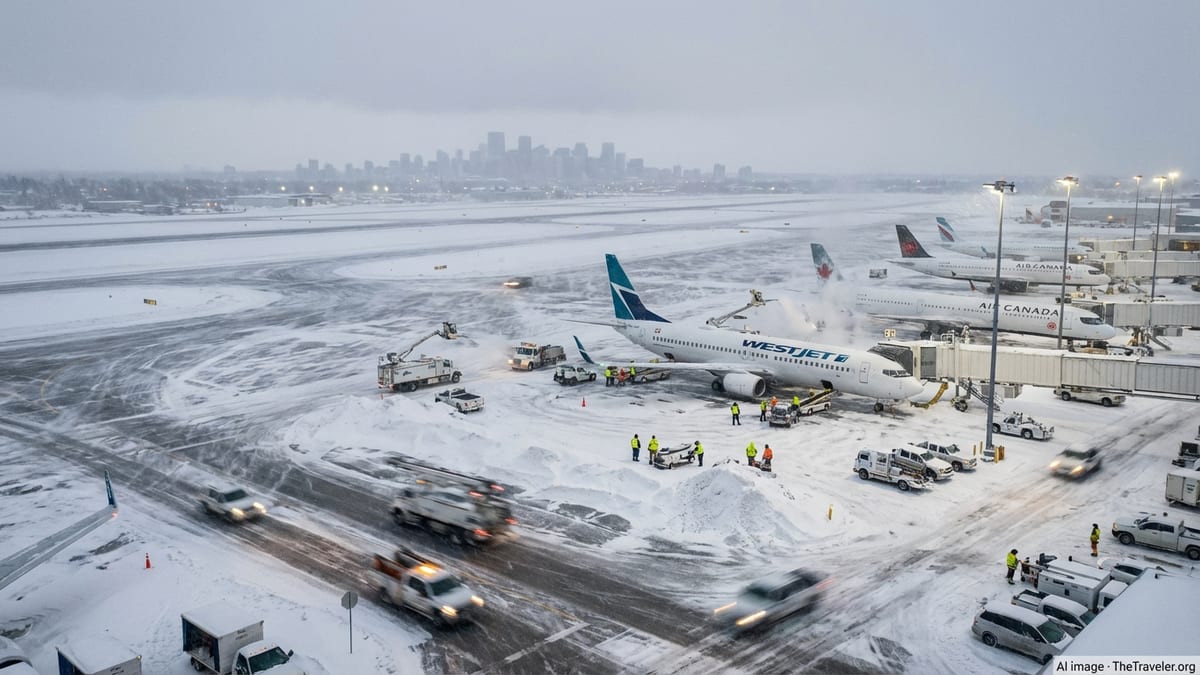
Blizzard Conditions Bring Calgary to a Standstill
Snow began to fall over Calgary late Monday before intensifying into a full-blown winter storm on Tuesday, February 17, with heavy bands of snow and gusting winds rapidly erasing visibility across the city. Environment and Climate Change Canada placed Calgary and much of southern Alberta under a Yellow winter storm warning, forecasting 15 to 25 centimetres of snow, with localized totals pushing toward 40 centimetres in parts of the region. By Wednesday morning, drifts piled waist-high in some neighbourhoods while residential streets disappeared under rutted, compact ice.
As the storm deepened, winds gusting up to 80 kilometres per hour whipped loose powder into near whiteouts on exposed stretches of Deerfoot Trail, Stoney Trail and Highway 2. Police and provincial road agencies urged drivers to stay home unless travel was absolutely essential, warning that blowing snow could suddenly drop visibility to zero and leave even experienced winter motorists disoriented. Social media posts from residents described major arteries and feeder roads going unplowed for hours, with vehicles spinning out as they tried to navigate deep, wind-packed ruts.
Calgary police reported a steady stream of collisions from the early hours of Tuesday through the evening, as drivers grappled with iced-over intersections, hidden lane markings and sudden drifts. While many incidents resulted only in damage to vehicles, several involved injuries and jackknifed semitrailers that forced partial closures on key interchanges. For commuters who did venture out, even routine crossings of the city turned into multi-hour ordeals of crawling traffic and stalled cars abandoned at the roadside.
Calgary International Airport Buckles Under the Snow
The storm’s most far-reaching consequences unfolded at Calgary International Airport, one of Western Canada’s main aviation hubs. As snow intensified and crosswinds strengthened on Tuesday, airport operations slowed to a crawl. Runway clearing and aircraft deicing cycles lengthened turnaround times, and airlines began cancelling and consolidating flights rather than risk cascading delays through their networks.
By Wednesday, February 18, the disruptions had swollen into a full-blown air travel crunch. Data compiled from airline schedules and tracking platforms showed 82 flights cancelled and 88 delayed at Calgary International over the course of the day, stranding hundreds of passengers in departure halls and boarding lounges. WestJet and its regional affiliate WestJet Encore bore the brunt of the impact, accounting for the vast majority of cancellations and a significant share of delays, followed by schedule hits at Air Canada, Jazz and Porter.
The knock-on effects rippled well beyond Alberta. Delayed and cancelled departures from Calgary disrupted connections at major Canadian hubs such as Vancouver and Toronto, as well as key cross-border gateways including Chicago, Atlanta, Los Angeles and Houston. Travellers bound for sun destinations, business hubs and family visits reported missed connections, improvised overnight stays and hurried rebookings, while airport staff tried to balance safety protocols with growing frustration in long lines at check-in counters and customer service desks.
Airport authorities emphasized that safety remained the non-negotiable priority. Runways and taxiways require continuous clearing and inspection during intense snowfall, and aircraft cannot depart until deicing is complete and conditions meet strict operating thresholds. Those safeguards, however, inevitably reduce capacity during the heart of a winter storm, a reality that many travellers confronted anew as departure boards filled with red cancellation notices.
Highways, Transit and Local Roads Turn Treacherous
Beyond the airport perimeter, Calgary’s broader transport network struggled under the combined assault of snow, wind and dangerous wind chills. Commuter routes like Deerfoot Trail, Glenmore Trail and Macleod Trail saw long periods of stop-and-go traffic as collisions, stalled vehicles and plow convoys repeatedly halted movement. Motorists posted images of multicar fender-benders, jackknifed trucks and SUV drivers attempting risky passes only to slide into roadside drifts.
Provincial highway authorities reported particularly difficult conditions north and east of the city, where open farmland offers little shelter from the wind. Sections of the Queen Elizabeth II Highway toward Airdrie and Didsbury were periodically reduced to single passable lanes, with southbound and northbound traffic squeezed between towering drifts and sheets of glare ice. At points, whiteout conditions made it nearly impossible for drivers to distinguish road from ditch, prompting officials to warn that more closures could be ordered if visibility worsened.
Inside Calgary, the storm exposed familiar tensions around snow clearing priorities. Residents complained that major expressways and bus routes remained unplowed well into the day, while others posted photos of residential streets transformed into deep, churned-up snow tracks that smaller cars could not navigate. City crews, which had been pre-deployed on Monday night, focused initially on key routes, bridges and emergency corridors before gradually pushing into neighbourhoods, but the volume of snow and persistent drifting meant many side streets remained difficult or impossible to access.
Public transit services also felt the strain. Buses struggled to maintain schedules on slick, drifted corridors, particularly on hilly routes and exposed suburban roads. Delays cascaded across the network as vehicles became stuck or were rerouted around collisions. For essential workers and travellers who rely on transit, the storm meant braving long waits at windswept stops and preparing for trips that could take double or triple their usual time.
Deep Freeze Compounds the Danger
The timing of the storm could hardly have been worse for those already weather-weary from a season of volatile temperatures. Forecast models pointed to the winter system ushering in another intense cold snap across the Prairies, with overnight lows plunging well below minus 20 degrees Celsius and wind chills making it feel closer to minus 30 or lower in exposed areas. For anyone stuck in stalled vehicles or caught outdoors shovelling and digging out, the risk of frostbite and hypothermia rose sharply.
Health officials and emergency responders urged residents to limit time outside, dress in layers and carry fully charged phones and emergency supplies if they had to travel. The combination of deep snow and intense cold also increased the risk of carbon monoxide buildup as residents ran vehicles to stay warm while stuck, or fired up older furnaces and space heaters. Utilities advised clearing exterior vents of snow and ensuring generators and fuel-burning devices stayed outside and away from windows.
The latest blast of Arctic air follows a wider pattern this winter of dramatic temperature swings and extreme events. Just weeks earlier, much of Canada had endured a continent-spanning cold snap that pushed wind chills in parts of the Prairies toward minus 50 and snarled air and rail operations from Alberta to the Maritimes. Meteorologists warn that while cold snaps have long been part of Canadian winters, changes in atmospheric circulation patterns can amplify the severity and persistence of such events, even in a warming climate.
For municipalities like Calgary, that variability means preparing for both unseasonably warm spells and sudden, severe freezes within the same season. The resources needed to clear heavy snowfalls, protect vulnerable populations and keep transportation corridors open can be stretched thin when storms arrive in rapid succession, as they have this year across western and central Canada.
Airlines and Travellers Scramble to Adapt
For Canadian airlines, this week’s storm over Calgary is just the latest test in a difficult winter season marked by repeated weather disruptions across the country. Earlier in January, an extreme cold wave and heavy snow in southern Ontario and Quebec forced carriers to cancel hundreds of flights at hubs such as Toronto Pearson and Montreal Trudeau, with ripple effects felt from Atlantic Canada to the Prairies. Each new storm compounds operational challenges, leaving aircraft and crews out of position and stretching recovery plans.
WestJet, which maintains a major hub at Calgary, had already issued winter storm travel advisories and fee waivers for mid-February travel through Alberta and other Prairie airports. The aim of those waivers is to encourage customers to proactively rebook away from known storm windows, giving airlines more space to manage deicing queues and ground operations. Even so, the speed and intensity of this week’s snowfall meant that many passengers still arrived at the airport only to find their flights delayed or cancelled.
Air Canada and regional partners have taken similar steps, offering flexible rebooking options when major weather systems threaten multiple hubs at once. Travel agents and industry analysts note that while these policies can blunt the worst of the disruption, they also require passengers to monitor forecasts and airline advisories closely in the days leading up to departure. For travellers who booked nonrefundable tickets months in advance or who must travel for time-sensitive events, making last-minute changes remains stressful and, at times, costly.
Inside the terminals, the human toll of the storm played out in crowded gate areas where families sprawled on the floor, business travellers worked on laptops between delays, and staff fielded a constant stream of questions. Many hotels near the airport filled quickly with stranded passengers, while others scrambled to secure rental cars or long-haul bus tickets in deteriorating road conditions. For a winter-weary public, the scene was an unwelcome echo of previous seasons when weather, staffing shortages and system outages combined to batter the country’s aviation network.
How Canada’s Transport System Is Coping
The Calgary storm has once again highlighted the delicate balance that underpins Canada’s winter transport infrastructure. On paper, Canadian cities and carriers are better prepared than most to handle snow and cold. Airports invest heavily in deicing equipment, runway clearing fleets and cold-weather procedures; city road crews operate around the clock during storms; federal and provincial agencies maintain detailed emergency plans. Yet in practice, a single intense storm hitting a key hub at the wrong time can still expose vulnerabilities.
One challenge is the sheer interconnectedness of modern travel. Calgary’s role as a transfer point between western Canada, the United States and international destinations means that local weather can precipitate global disruptions. When snow and high winds slash Calgary’s hourly arrival and departure capacity, flights are delayed or cancelled not only to and from Alberta, but also on onward segments as aircraft and crews fail to arrive where they are needed. The same dynamic plays out when Toronto, Vancouver or Montreal are hit by storms, multiplying the impact on national networks.
Another strain point lies in municipal budgets and staffing. Maintaining a large fleet of plows, sanders and salt trucks that can rapidly clear every major and minor road during a short, severe event is costly, especially when winters can also bring stretches of mild weather. Cities must constantly balance the expectations of residents who want bare pavement quickly with fiscal realities and competing demands on public funds. That tension is amplified when storms strike in close succession, leaving little time for equipment maintenance and staff rest between operations.
Transit agencies face similar constraints. Running buses and light rail vehicles through blowing snow and extreme cold accelerates wear and tear, while safety protocols sometimes require temporary slow orders or reduced service. For lower-income residents and those without cars, these disruptions can translate into missed shifts, delayed medical appointments and longer exposure to harsh outdoor conditions, underscoring how winter weather can magnify existing inequalities in access to reliable transportation.
Residents, Front-Line Workers and Travellers Show Resilience
Amid the disruption, scenes across Calgary also reflected a familiar resilience that surfaces whenever winter bears down hardest. Neighbours helped one another dig out buried driveways and free stuck vehicles from icy ruts, while volunteers checked in on elderly residents and those with limited mobility. Community social media feeds filled with offers of rides for essential workers and shared updates on which routes were passable and which remained clogged.
Front-line workers in transportation, emergency services and utilities once again found themselves at the centre of the response. Snowplow operators, airport ground crews, mechanics and first responders worked extended shifts in biting wind chills to keep core systems functioning, often with little public visibility beyond flashing lights in the swirling snow. Health-care staff, retail workers and hospitality employees braved treacherous commutes to ensure that hospitals, pharmacies, grocery stores and hotels stayed open for those who needed them most.
For travellers, the experience served as both hardship and lesson. Many who were caught in the storm’s path said they would build more flexibility into future itineraries, including buffer days for long-haul trips in midwinter and careful review of airline weather waivers before setting out. Others emphasized the importance of packing winter gear even when departing for warmer destinations, as hours-long delays in unheated jet bridges, parking lots or stalled vehicles can quickly turn dangerous without proper clothing.
As Calgary digs out and flights gradually resume, attention is turning to what the latest storm reveals about Canada’s readiness for a future in which weather volatility may become the norm rather than the exception. For a country whose identity is so closely tied to winter, the mid-February chaos is a reminder that staying ahead of the cold will require not only plows and deicing trucks, but also nimble planning, resilient infrastructure and informed, adaptable travellers.