

California can feel familiar if you know the United States, yet its prices, taxes and tipping customs still surprise many visitors. From ATM fees and card payments to sales tax on your restaurant bill and how much cash to carry, understanding how money works in the Golden State will make your trip smoother and often cheaper. This guide walks you through the essentials so you can spend more time enjoying the coastline and cities, and less time worrying about hidden charges.
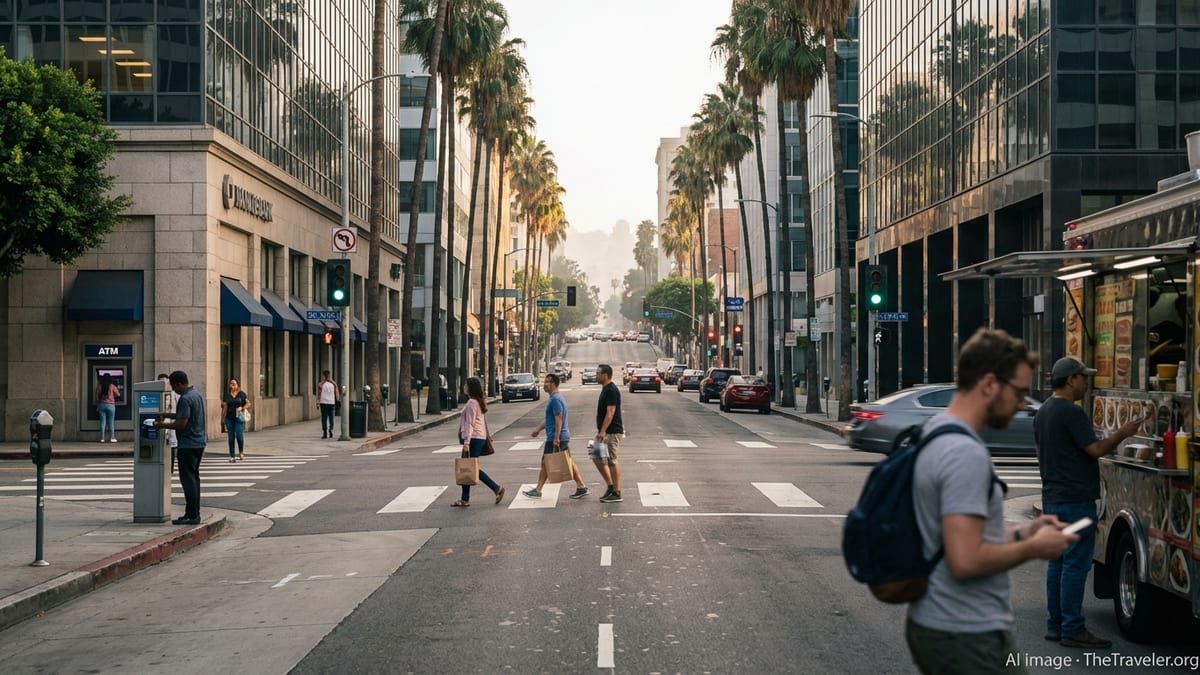
Understanding Currency and Cost of Travel in California
California uses the United States dollar, written as USD or simply with the dollar sign. Paper notes typically come in 1, 5, 10, 20, 50 and 100 dollar denominations, while coins include 1 cent, 5 cent, 10 cent and 25 cent pieces, plus occasional 1 dollar coins. In most situations you will rely heavily on cards and mobile payments, but having a small mix of notes and coins helps in places that still prefer cash.
Prices in California are often higher than many other parts of the United States, especially in cities such as San Francisco, Los Angeles and San Diego. Accommodation, car rental and restaurant meals can feel expensive compared with smaller American cities. Budget minded travelers can still keep costs under control by booking lodging early, using public transport in major cities and choosing neighborhood restaurants rather than only dining in prime tourist districts.
You will see prices displayed without tax in many shops, supermarkets and restaurants. This can be confusing for visitors, as the amount you pay is higher than the sticker price. Sales tax is added at the register and varies slightly by city and county, which is one reason why it is often shown separately rather than baked into the advertised price.
It is also worth remembering that some services and attractions apply extra fees beyond the basic price. Hotels often charge nightly resort fees or parking costs, while car rental agencies add insurance options, toll programs and local taxes. Reading price breakdowns carefully before confirming bookings will spare your budget from unexpected jumps once you arrive.
Cash, Cards and Mobile Payments
California is highly card friendly and in most urban areas you can move through an entire day without touching cash. Visa and Mastercard are widely accepted, followed by American Express and Discover. Debit cards from major international networks usually work, though some smaller businesses may prefer credit cards. Contactless payments are common, so tapping a physical card or mobile wallet is often faster than inserting a chip.
Mobile payment options such as Apple Pay, Google Pay and other wallet services are standard in large cities, transportation systems and national chains. Many cafes, ride sharing services and parking meters also accept app based payments. Before leaving home, it is wise to link a primary card to your chosen mobile wallet and test it on local transactions so that you are comfortable using it once in California.
While cards and phones work almost everywhere, there are still moments when cash is useful. Street vendors, small family owned restaurants, roadside fruit stands, independent coffee kiosks and some rural gas stations may either prefer cash or impose minimum spend amounts for card transactions. Carrying a modest amount of cash, such as the equivalent of a couple of meals or a taxi ride, provides a simple backup if your card is declined or a terminal is offline.
If you come from abroad, inform your bank or card issuer about your travel dates before you go. Some banks still automatically flag foreign transactions as possible fraud if they appear unexpected. Checking whether your card charges foreign transaction fees is also important, since these can add a few percent to every purchase and may make a different card or payment method more economical.
Using ATMs in California Safely and Cheaply
ATMs are easy to find throughout California, from major airports and downtown districts to supermarkets and gas stations. Machines attached to banks usually display the bank name prominently on the building or on the screen. These bank affiliated ATMs tend to offer more transparent fees and better withdrawal limits than small stand alone cash machines in convenience stores or bars.
When you insert a foreign card, the ATM will usually show a warning about any fee charged by the operator before you confirm the withdrawal. This fee is on top of whatever your home bank might charge for foreign or out of network withdrawals. Reading each message carefully and canceling if the stated fee looks high can save you money, especially on smaller withdrawals. When possible, withdraw a sensible amount once rather than multiple tiny amounts, because the flat per transaction fees add up quickly.
Some ATMs offer dynamic currency conversion, where they propose to charge you in your home currency instead of dollars. The exchange rate used in these offers is usually less favorable than the rate your own bank applies if you choose to be charged in local currency. In most cases it is cheaper to decline conversion and insist on paying in US dollars, even though the wording on the screen may suggest the opposite.
Using ATMs safely is as important as using them cheaply. Choose machines in well lit, busy locations such as bank branches or major supermarkets, and shield the keypad with your hand while entering your personal identification number. Avoid accepting help from strangers who approach you at the machine and always take your card and printed receipt with you, especially if the machine seems to be malfunctioning.
Sales Tax, Hotel Charges and Hidden Fees
One of the most common surprises for visitors to California is that sales tax is not included in the sticker price for many goods and services. The state applies a baseline sales tax and local governments add their own percentages, so the combined rate varies by location. This difference means that two neighboring cities may charge slightly different final amounts for the same item. At supermarkets, most basic groceries are often exempt from sales tax, while prepared foods and restaurant dishes usually attract it.
Hotel stays come with their own layers of tax. In addition to regular sales tax, there are usually occupancy or transient lodging taxes, sometimes along with tourism improvement assessments or city specific charges. These can add a noticeable percentage to the nightly room rate. Many properties also levy resort or amenity fees for access to pools, gyms, Wi Fi or local discounts, which are often not included in the headline price. Reading the final booking page closely before confirming a reservation helps you understand the true nightly cost.
Car rentals in California combine base rates with state and local taxes, surcharges for airport facility use and sometimes additional daily fees for young drivers. Optional extras, such as collision damage waivers, liability coverage, roadside assistance and toll road programs, can push the price significantly higher than initially quoted. Travelers who already have coverage through their credit card or personal insurance policies may be able to decline certain add ons, though you should check your coverage details before relying on them.
Other common extras include parking fees at hotels and attractions, service charges at some restaurants or venues, and baggage or seat fees for low cost airlines serving California airports. While not all of these relate directly to tax law, they affect the overall amount of money you spend. A habit of scanning for the words tax, fee and surcharge on receipts and booking confirmations will make the financial side of your trip more predictable.
Tipping Etiquette Across California
Tipping is a normal and expected part of paying for many services in California, especially in hospitality. In sit down restaurants where you are served at the table, a voluntary tip is typically added on top of the bill before tax. Customary amounts range around the mid to high teens as a percentage of the pre tax total, and sometimes higher in upscale venues or for exceptional service. Some restaurants print suggested tip percentages on the receipt to guide you, but you are not obligated to choose the highest option.
In bars, tipping a small amount per drink or a percentage of the total tab is common. For example, leaving a dollar or two for a simple drink or more for complex cocktails is widely practiced. When using rideshare apps or traditional taxis, the app may prompt you to add a tip after the journey, and many locals offer a modest percentage unless the ride was unsatisfactory. For short trips or airport transfers, a few dollars or rounding up the fare is normal.
In hotels, tipping customs are flexible but appreciated. Housekeeping staff may receive a few dollars per night left in the room, ideally with a note indicating it is for them. Bell staff who help with luggage often receive a small tip per bag, and valet parking attendants may be tipped when the car is returned. None of these are legally required, but they are part of the social convention in many American hotels, including those in California.
Counter service cafes and quick service restaurants increasingly use digital screens that suggest tip amounts even when you order and collect your own food. Locals vary in how they respond to these prompts. Some leave small tips for friendly service or to support staff, while others reserve significant tipping for full service meals. As a visitor you can follow your own comfort level and the norms you observe, bearing in mind that tipping is part of how many workers expect to earn their income.
Practical Payment Tips for International Visitors
Travelers arriving from outside the United States face a few extra financial considerations in California. Before departure, it is useful to check which of your cards charge foreign transaction fees and whether any offer better exchange rates. Cards that waive such fees can save frequent travelers a meaningful amount over the course of a trip, especially when used for big expenses such as hotels or car rental.
If your bank offers the option, setting up travel notifications in your banking app can reduce the risk of legitimate transactions being blocked as suspicious. Many institutions use automated systems that monitor for unusual patterns. A sudden series of California transactions from a card usually used in another country can trigger alerts, which is why giving advance notice helps.
Exchanging cash at airport kiosks or hotel desks is convenient but often comes with less favorable rates and extra service charges. Using ATMs connected to major banking networks usually provides a closer to market exchange rate, despite local machine fees. Some travelers prefer to bring a small amount of US currency obtained at home for immediate expenses on arrival, then rely on ATMs and cards for the remainder of their stay.
Language on payment terminals and receipts is usually straightforward, but visitors should check totals carefully before approving them. When splitting a restaurant bill among several people, it is quite common for staff to divide the total evenly on multiple cards or to charge each person for specific items. Politely explaining how you would like to split the bill at the start makes the payment process smoother and helps avoid errors.
Budgeting, Safety and Avoiding Scams
California’s mix of big cities, small towns and wide open landscapes offers something for almost every budget. Creating a realistic daily spending plan before your trip will help you prioritize what matters most, whether that is dining, wine tasting, outdoor adventures or theme parks. Many attractions publish approximate ticket prices well in advance, so you can build a baseline estimate and then add typical amounts for food, transportation and tips.
Keeping your money safe is as important as managing how much you spend. Use hotel safes for passports and backup cards when available, and carry only what you need for the day. In crowded areas such as tourist districts, transit hubs and busy beaches, be mindful of pickpockets and keep wallets, phones and bags secure. Wearing a small crossbody bag or money belt that can be kept in front of you reduces the chance of opportunistic theft.
Scams targeting visitors occasionally occur in popular urban areas. Common patterns include people offering unofficial tours, aggressive street games that rely on distraction, or individuals requesting donations for vague causes. When in doubt, politely decline and walk away. Official ticket offices, visitor centers and reputable online platforms are safer ways to buy tours or event tickets than cash based offers on the street.
On the digital side, monitor your account statements every few days while traveling, either through your banking app or secure online banking. Look for unfamiliar charges and contact your bank as soon as you see anything suspicious. Many card issuers can cancel a compromised card quickly and arrange a replacement, and some offer emergency cash services, all of which are easier to access if you keep their contact details recorded separately from your wallet.
The Takeaway
Spending money in California is straightforward once you understand a few local habits. The combination of widespread card acceptance, mobile payments and abundant ATMs makes it easy to access funds, but bank and machine fees, exchange rates, taxes and tipping customs all influence what you ultimately spend. Taking a little time before and during your trip to learn how these elements work pays off through fewer surprises and more confident day to day decisions.
With realistic expectations about prices, a basic grasp of sales tax and tipping, and sensible precautions for card security and cash handling, you can focus on what draws millions of visitors to California each year. Whether that is coastal drives, national parks, food and wine, or vibrant cities, a clear money strategy lets you enjoy more of the experiences you care about most without worrying that hidden costs are quietly eroding your budget.
FAQ
Q1. Do I need to carry a lot of cash in California
Most visitors do not need large amounts of cash because cards and mobile payments are accepted widely. Carry a modest amount for small purchases, tips and places that do not take cards.
Q2. Are ATMs in California safe to use for foreign cards
Bank affiliated ATMs in well lit, busy locations are generally safe, and most accept foreign cards. Always shield your PIN, read fee notices carefully and avoid standalone machines in very quiet spots.
Q3. Why is my restaurant bill higher than the menu prices
Menu prices often exclude sales tax and do not include any tip. Sales tax is added to the bill at the end and tipping is usually left to the customer based on service.
Q4. How much should I tip in California restaurants
For sit down restaurant service, many locals tip somewhere in the mid to high teens as a percentage of the pre tax bill, adjusting up or down based on the experience.
Q5. Is it better to pay in my home currency or in US dollars
When offered a choice on a terminal or ATM, paying in US dollars usually leads to a better overall exchange rate than choosing your home currency through dynamic currency conversion.
Q6. Can I rely on Apple Pay or Google Pay everywhere
Mobile wallets are widely accepted in cities, national chains and many transport systems. Some small businesses, rural areas or older terminals may still prefer physical cards or cash.
Q7. Are sales tax and tips included in hotel and tour prices
Sales tax and occupancy taxes are often shown in the final price breakdown, while tips are usually separate and discretionary unless clearly stated as included in a package.
Q8. What is the cheapest way to get US dollars in California
Using major bank ATMs with a card that has low foreign fees often provides better value than airport exchange counters, although individual costs depend on your bank’s policies.
Q9. Will my chip and PIN card work in California
Most chip cards function without problems, though some terminals prompt for a signature instead of a PIN. If a machine asks for ZIP code verification, staff can often assist or enter a manual approval.
Q10. What should I do if my card is lost or stolen during the trip
Contact your bank or card issuer immediately using the emergency number on their website or app, report the loss, review recent transactions and follow their instructions for blocking the card and arranging a replacement or emergency cash.