

More news on this day
Vietnam’s Cam Ranh International Airport has broken into the global elite of airport hygiene, entering the Skytrax 2026 ranking of the world’s top 10 cleanest airports and setting a new benchmark for cleanliness in the country’s fast-growing aviation sector.
Get the latest news straight to your inbox!
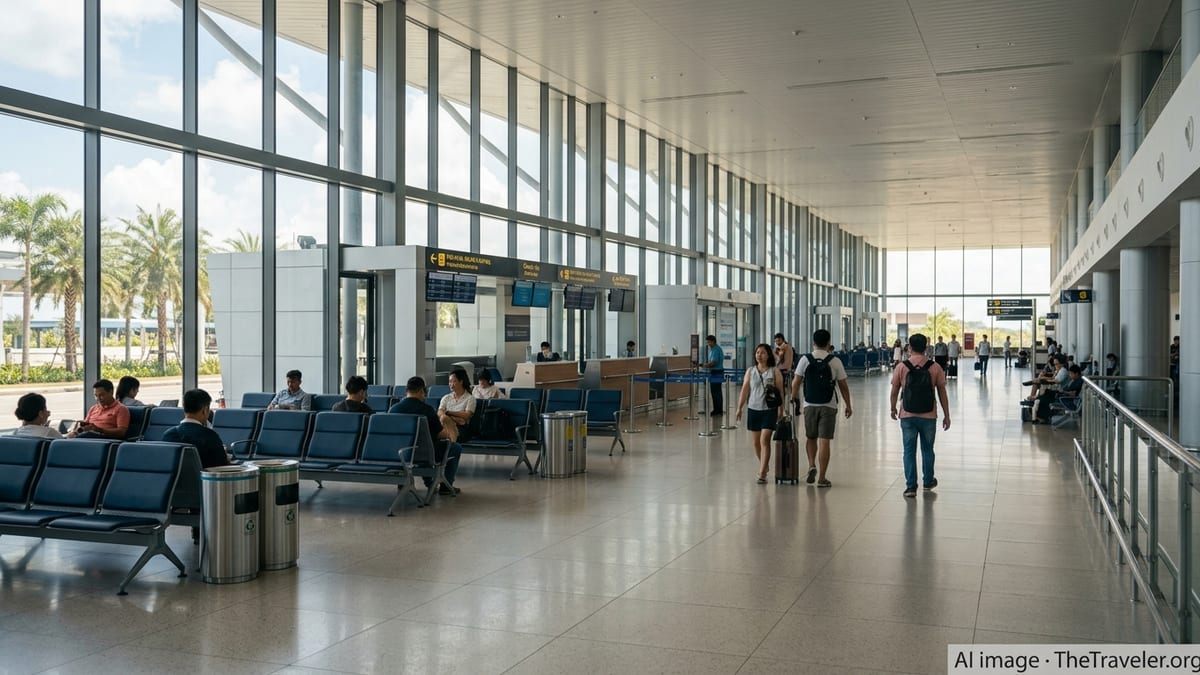
A Milestone Moment for Vietnam’s Aviation Industry
The latest Skytrax 2026 cleanest airports ranking places Cam Ranh International Airport among the world’s top 10, a notable step up for an airport that primarily serves the beach destination of Nha Trang and the wider Khanh Hoa province. The recognition places Cam Ranh in the same conversation as long-established global hubs that have traditionally dominated cleanliness and service rankings.
Publicly available information on Skytrax evaluation criteria indicates that the cleanest airports list is based on extensive passenger surveys that assess terminal hygiene, restrooms, seating areas, public spaces, and the overall perception of cleanliness across the passenger journey. Cam Ranh’s new status suggests that the airport is performing strongly across these visible touchpoints.
The recognition arrives at a time when Vietnam’s aviation network is expanding rapidly, with coastal tourism hubs such as Cam Ranh carrying a growing share of international arrivals. The airport’s performance in the cleanliness category adds a quality marker to that growth, reinforcing Vietnam’s image as a modern and reliable gateway for regional and long-haul travelers.
For a secondary gateway rather than a mega-hub to reach the top tier of Skytrax’s cleanliness ranking also underscores how focused investment and service design can elevate an airport beyond its size. Cam Ranh’s success is likely to be closely watched by other provincial airports in Vietnam seeking to enhance their reputation.
What the Skytrax Cleanliness Ranking Measures
Skytrax World Airport Awards, widely followed across the aviation industry, assess passenger experience through detailed surveys that cover multiple criteria, including terminal cleanliness, comfort, and perceived upkeep. While headline global rankings tend to spotlight the “world’s best airports,” the cleanest airports category drills specifically into hygiene and housekeeping performance.
Cleanliness scores are shaped by how consistently passengers encounter spotless restrooms, litter-free concourses, clean seating areas, clear glass and polished floors, and well-maintained fixtures across check-in, security, boarding gates, and arrivals. The ranking also reflects the frequency and visibility of cleaning operations, as well as how quickly issues such as spills or overflowing bins are addressed.
In this context, Cam Ranh’s entry into the top 10 implies a high degree of operational discipline. It suggests that cleaning schedules, staff deployment, and quality controls are aligned to peak travel times, and that airport managers have prioritized visible standards that are immediately noticeable to travelers, from first impression at security to final steps through baggage reclaim.
Skytrax rankings are not regulatory judgments, but they are influential benchmarks in public perception. For many travelers comparing routes and transit options, inclusion in a top 10 cleanliness list serves as a shorthand indicator of comfort and reliability.
From Regional Gateway to International Example
Cam Ranh International Airport has grown alongside the tourism boom on Vietnam’s south-central coast, particularly the resort city of Nha Trang and emerging luxury developments along the coastline. Once primarily a domestic gateway, Cam Ranh now hosts a mix of domestic and international services, including charter and seasonal flights catering to leisure travelers.
The airport’s rising profile has prompted upgrades to terminal facilities, circulation areas, and passenger amenities. Improvements such as brighter lighting, modernized restrooms, and streamlined layouts tend to make cleanliness both easier to achieve and more visible. The new Skytrax recognition suggests that these upgrades have translated into tangible gains in passenger satisfaction.
Compared with older, space-constrained facilities in some regional hubs, Cam Ranh benefits from relatively recent terminal infrastructure, which can be designed from the outset with efficient cleaning and maintenance in mind. Materials selection, ventilation, and wayfinding all contribute indirectly to how clean a space appears and how easily it can be kept in top condition.
For local authorities and airport operators, the cleanest-airport accolade provides an additional marketing asset when promoting the region to airlines and tour operators. It signals that Cam Ranh can deliver a reliable first and last impression for visitors, complementing the area’s beaches and resort offerings.
Implications for Travelers and Vietnam’s Tourism Image
For passengers, a top 10 cleanest airport ranking translates into a more comfortable, less stressful journey through Cam Ranh. Spotless restrooms, tidy gate areas, and well-maintained public spaces are particularly valued on long travel days or when traveling with children and older relatives, making a strong cleanliness record a practical benefit rather than a purely symbolic accolade.
Travelers increasingly cite hygiene and visible cleanliness as key factors in assessing airports, especially after heightened global awareness of public health. Cam Ranh’s new standing aligns with these expectations, potentially encouraging repeat visits and positive word-of-mouth among international tourists choosing between regional beach destinations.
At a national level, Cam Ranh’s achievement reinforces the broader narrative of Vietnam upgrading its tourism infrastructure, from airports and roads to hotels and attractions. Alongside other Vietnamese airports that have appeared in various international rankings for service and regional excellence, Cam Ranh’s cleanliness recognition adds another data point in favor of the country’s push toward higher service standards.
The recognition may also raise expectations domestically, with travelers looking for similar cleanliness levels at other Vietnamese airports. That dynamic could spur additional improvements elsewhere, as operators seek to avoid unfavorable comparisons and capitalize on the positive attention directed toward Cam Ranh.
Raising the Bar for Airport Standards in Southeast Asia
Southeast Asia is home to several of the world’s most decorated airports, often cited for exceptional cleanliness, design, and passenger amenities. Cam Ranh’s inclusion in the Skytrax 2026 top 10 cleanest airports list signals that a new generation of regional gateways is emerging alongside long-established hubs.
Regional competition for airline routes and tourism spending means that airport quality rankings carry strategic weight. A strong cleanliness score can help an airport stand out when airlines evaluate potential bases or new destinations, especially those targeting travelers who prioritize comfort and seamless travel experiences.
Cam Ranh’s performance may encourage other mid-sized airports in Southeast Asia to invest further in housekeeping, staff training, and passenger-facing infrastructure, particularly as travelers become more discerning about on-the-ground experience in addition to flight options. In that sense, the airport’s achievement is more than a one-off ranking; it reflects a broader shift toward higher baseline expectations across the region.
For Vietnam, the top 10 cleanest ranking at Cam Ranh acts as both a validation of recent investments and a benchmark for future projects. As new airports and expansions come online across the country, the standards set at Cam Ranh are likely to inform design choices, budgeting priorities, and long-term operational targets.